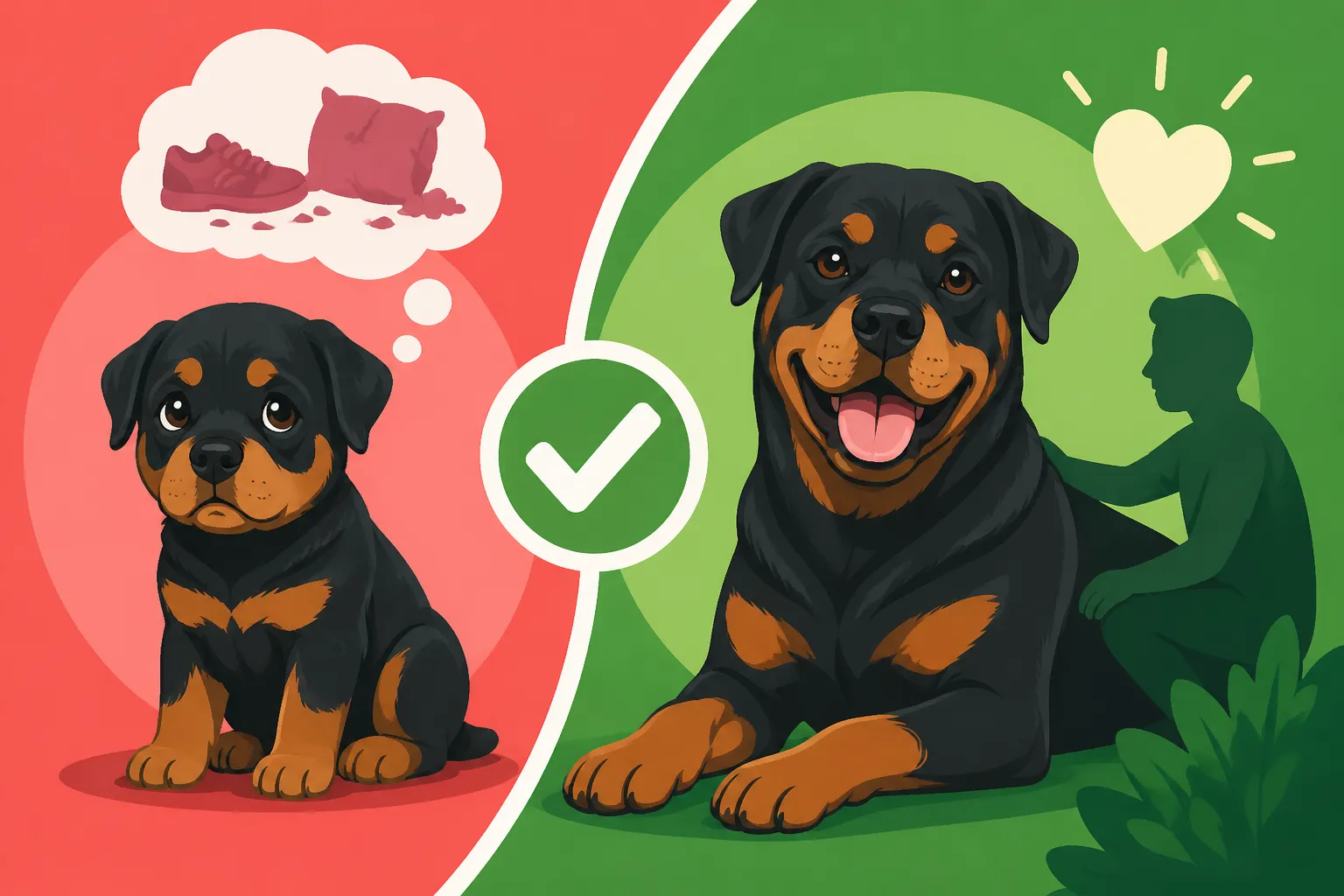
Adopting an Adult Rottweiler Instead of a Puppy
It's incredibly common to dream of bringing home a tiny Rottweiler puppy, full of clumsy paws and soft fur, but the reality of puppyhood can be overwhelming for even the most experienced dog owners. Between the constant training, housebreaking accidents, and endless nipping, many people quickly realize that a fully grown, well-adjusted adult Rottweiler might actually be a much better fit for their home and lifestyle. This guide will walk you through the many advantages and considerations of adopting an adult Rottweiler, helping you understand what to expect and how to make the transition a smooth, joyful experience for everyone involved.
The Unique Benefits of Adopting an Adult Rottweiler
There’s a certain magic to puppies, absolutely, but choosing to adopt an adult Rottweiler offers a host of practical and emotional benefits that often get overlooked. You're not just saving a life; you're often bringing home a dog with a known personality and a head start on good manners, which can make all the difference in a busy household.
Predictable Temperament and Size
One of the biggest unknowns with a puppy is exactly what kind of dog they will grow into. With an adult Rottweiler, that mystery is largely solved. You get to see their true personality, their energy levels, and how they interact with people and other animals right from the start. This means you can choose a dog whose temperament genuinely matches your household’s dynamic, whether you're looking for a couch potato, a hiking buddy, or a calm companion. You also know their adult size, which is a huge advantage when you're talking about a breed that can easily reach over a hundred pounds. No more guessing if that cute little fluffball will turn into a gentle giant or a boisterous handful; you know exactly what you're getting.
This predictability also extends to their needs. You can assess an adult Rottweiler's activity requirements by observing them in their current environment. Do they zoom around the yard, or are they content with a leisurely stroll? This insight helps you avoid the common mismatch where a high-energy dog lands in a low-energy home, or vice versa. For many families, this known quantity is far more appealing than the lottery of a puppy’s development, especially when considering a powerful breed like the Rottweiler. You can make an informed decision based on who the dog is, not just who they might be.
Often House-Trained and Basic Manners
Let's be honest: puppy potty training is a full-time job. Waking up every few hours, rushing outside in the rain, scrubbing countless accidents – it's exhausting. Many adult Rottweilers, especially those coming from previous homes or foster care, often arrive with a solid foundation in house-training. This means fewer accidents to clean up and a much quicker integration into your daily routine. Imagine bringing your new companion home and knowing they understand that the grass is for business, not the living room rug. It’s a huge relief.
Beyond house-training, many adult Rottweilers have also learned basic manners like "sit," "stay," and walking politely on a leash. While they might need a refresher or consistency with your specific commands, the groundwork is usually there. This saves you countless hours of initial training and allows you to focus on bonding and building a deeper relationship. Even if they have a few gaps in their education, it’s often easier to teach an adult dog new tricks, especially one that is motivated by praise and treats, than to start from scratch with a whirlwind puppy. For those who might feel overwhelmed by the prospect of Training a Rottweiler Before It Outweighs You, an adult dog provides a welcome head start.
Skipping the Destructive Puppy Phase
The puppy phase, while adorable, can also be incredibly destructive. Those sharp little teeth explore everything, from furniture legs to electrical cords, and their boundless energy can lead to chaos if not properly channeled. Adopting an adult Rottweiler means you largely bypass this challenging period. They’ve typically outgrown the incessant chewing, the frantic zoomies, and the need to investigate every single item with their mouth. Your shoes and your sofa will thank you!
This isn't to say an adult dog won't chew or have bursts of energy, but it's generally far more manageable and predictable. Their destructive tendencies are usually focused on appropriate toys, or they simply prefer to nap by your feet. You can invest in a sturdy Rottweiler Crate Size and What It Costs that will last, rather than constantly replacing puppy-chewed bedding. This allows for a much calmer household and less stress for you, knowing that your belongings are generally safe from enthusiastic puppy gnawing. It frees you up to enjoy their companionship without constantly hovering or worrying about what they might be getting into next.
Navigating the Adoption Process for a Large Breed
Adopting an adult Rottweiler is a truly rewarding experience, but it’s important to understand that the process can be more involved than simply picking out a puppy from a breeder. Reputable rescues and shelters are committed to finding the best possible homes for their dogs, especially for a powerful breed like the Rottweiler, and they often have thorough screening procedures in place.
Finding Reputable Rescues and Shelters
When you’re ready to open your heart and home to an adult Rottweiler, the first step is to seek out reputable breed-specific rescues or general shelters that have experience with Rottweilers. A dedicated Rottweiler rescue organization is often your best bet because their volunteers and staff truly understand the breed's nuances, common health concerns, and typical temperament. They can provide valuable insights into individual dogs and ensure a good match. They also often have a network of foster homes, which means the dogs are living in a family environment, allowing for more accurate assessments of their personality and behavior.
Avoid individuals or groups that seem to be operating without proper vetting, transparent processes, or a clear commitment to the dogs' welfare. Look for organizations that are transparent about their adoption fees, medical care practices, and follow-up support. Many great rescues will feature their available dogs on platforms like Petfinder or Adopt-a-Pet, offering detailed bios and photos. Don't be afraid to ask questions about the dog's history, known behaviors, and any medical treatments they've received. A good rescue will welcome your inquiries and be eager to provide all available information, rather than rushing you into a decision.
Understanding the Application and Home Visit
Once you've identified a potential rescue or shelter, prepare for a detailed application process. These applications are designed to ensure you understand the commitment involved in owning a large breed like a Rottweiler and to help the rescue determine if your home is a suitable match. Questions might cover your previous dog experience, your living situation (do you rent or own?), your work schedule, and how you plan to exercise and train your new dog. They want to know you're prepared for Rottweiler Leash Manners at a Hundred Pounds and the general responsibility.
Many rescues also require a home visit. This isn't an inspection; it's an opportunity for a volunteer to meet you, see the environment where the dog will live, and discuss any potential concerns or recommendations. They might look at your fence security, assess if you have appropriate space, and observe how family members (including children or other pets) interact. It's also a chance for you to ask more questions in person and get a better feel for the rescue’s philosophy. While it might seem intrusive, remember that these steps are in place to ensure the best possible outcome for both you and the dog, minimizing the chances of the dog being surrendered again, a common issue for dogs that end up in rescues at The Age Most Rottweilers Are Surrendered At.
Meeting Your Potential New Family Member
After your application is approved and any home visits are complete, you'll usually have the opportunity to meet your potential adult Rottweiler. This is a crucial step for both you and the dog. Plan to spend a good amount of time with them. Observe how they react to you, to different family members, and if possible, to any existing pets. Does their energy level match what you're looking for? Do they seem comfortable in your presence?
It's also important to consider multiple meetings if possible, especially if you have other dogs. A slow, controlled introduction on neutral ground can be very telling about how your new Rottweiler will interact with your existing pack. Listen to the foster parent or shelter staff; they know the dog best and can provide valuable insights into their typical behaviors and warning signs. Remember, it's about finding the right connection, not just picking the first available dog. If a particular dog isn't a good fit, don't be discouraged – the right one is out there.
Potential Challenges and How to Prepare for Them
While adopting an adult Rottweiler comes with many advantages, it's also important to be realistic about potential challenges. Many adult rescue dogs have unknown histories, and some may come with baggage that requires patience, understanding, and consistent effort to resolve.
Unknown History and Past Experiences
One of the biggest hurdles with an adult rescue Rottweiler is that their past is often a mystery. You might not know if they were previously neglected, abused, or simply misunderstood. This unknown history can manifest in various ways, such as fear of certain objects, shyness around new people, or even resource guarding. It’s crucial to approach your new dog with empathy and be prepared for a period of adjustment where you’re learning about their quirks and triggers.
It’s often helpful to assume that they’ve had less-than-ideal experiences and focus on building trust through positive reinforcement. Create a safe, predictable environment where they can decompress and feel secure. If you notice concerning behaviors like fear aggression or excessive shyness, consider consulting with a certified professional dog trainer or behaviorist who has experience with Rottweilers. Understanding Rottweiler Behavior Problems That Start Small can help you address issues proactively before they become bigger challenges. Patience is truly a virtue here, as it can take weeks or even months for a rescue dog to fully settle in and show their true personality.
Health Considerations in Adult Rottweilers
When adopting an adult Rottweiler, it’s vital to be aware of breed-specific health concerns that may present themselves as they age. While a rescue will typically provide a comprehensive vet check, vaccinations, and often spay/neuter surgery, some conditions might not be immediately apparent. Rottweilers are prone to orthopedic issues like Rottweiler Hip Dysplasia and the OFA Grade and elbow dysplasia, as well as certain cancers like Rottweiler Cancers Beyond the Bone. Bloat, a life-threatening gastric condition, is also a concern for the breed, so knowing how to recognize Recognizing Bloat in a Rottweiler is critical.
A reputable rescue will usually provide any available medical history and be upfront about known conditions. However, it's always wise to schedule a comprehensive check-up with your own veterinarian shortly after adoption. Discuss any concerns, consider baseline bloodwork, and develop a preventive care plan. Having pet insurance from providers like Healthy Paws can be a real lifeline for unexpected medical issues, especially with a large breed predisposed to certain conditions. Being prepared for potential health challenges is simply part of responsible Rottweiler ownership.
Integrating an Adult Rottweiler into Your Home
Bringing an adult Rottweiler into a new home, especially one with existing pets or children, requires careful planning and a gradual approach. Your new dog will be in an unfamiliar environment, and everyone needs time to adjust. For introductions to other dogs, keep initial meetings on neutral territory, on leash, and supervised. Look for signs of stress or aggression, and always prioritize safety. Avoid forcing interactions. If you're bringing a Rottweiler into a home with cats, remember that Rottweilers can have a strong prey drive, and introductions need to be slow and controlled, with plenty of escape routes for the cat.
When it comes to children, constant supervision is key. Teach children how to interact respectfully with dogs, and ensure your Rottweiler has a safe space to retreat to if they feel overwhelmed. Management strategies like crate training, baby gates, and tethering can be invaluable during this integration period. It’s about setting everyone up for success and minimizing stress. Patience and consistency will pave the way for a harmonious household where everyone feels secure and loved.
The Costs Associated with Adopting an Adult Rottweiler
While adopting an adult Rottweiler often means bypassing the initial high cost of a puppy from a breeder, responsible ownership still comes with significant financial considerations. Being prepared for these costs is crucial for providing a healthy, happy life for your new companion.
Adoption Fees and Initial Expenses
Adoption fees for adult Rottweilers from rescues and shelters can vary widely, but they typically range from a few hundred dollars to sometimes more, depending on the organization, the dog's age, and their medical history. This fee often covers a substantial amount of initial veterinary care that the rescue has already provided, including spaying or neutering, vaccinations, microchipping, and sometimes even dental cleanings. In essence, the adoption fee is an investment that often saves you money on these procedures down the line, as they would be considerably more expensive if done privately. For instance, What a Rottweiler Rescue Charges and Why often reflects the true cost of their care.
Beyond the adoption fee, prepare for initial expenses like a new collar and leash, a sturdy dog crate (if you plan to crate train), food and water bowls, and a comfortable, durable dog bed. You’ll also need to stock up on a good quality large-breed dog food, training treats, and a variety of appropriate chew toys. Remember, a Rottweiler is a powerful dog, and cheap gear simply won't hold up. Factor in the cost of a veterinary check-up with your own vet shortly after adoption to establish care and address any immediate concerns.
Ongoing Care: Food, Vet, and Insurance
The biggest ongoing cost for a Rottweiler is food. These are large dogs with hearty appetites! You’ll need to budget for a premium large-breed kibble, which can be a significant monthly expense. Brands available from retailers like Chewy often provide competitive pricing and convenient delivery for large bags of food. If you opt for fresh food diets, like those offered by Ollie, the cost can be even higher, but some owners feel the health benefits are worth it. Beyond food, don't forget treats for training and enrichment.
Regular veterinary care is also non-negotiable. This includes annual check-ups, vaccinations, parasite prevention (heartworm, flea, and tick medications), and potential booster shots. As Rottweilers age, they become more prone to certain health issues, and vet visits may become more frequent. This is where pet insurance, like plans offered by Healthy Paws, can be incredibly valuable. While there's a monthly premium, it can provide immense financial relief in the event of an emergency or a chronic illness. Having a plan in place for The Yearly Cost of Feeding and Keeping a Rottweiler helps ensure you can provide the best care without financial strain.
Budgeting for the Unexpected
Even with the best planning, life with a large dog inevitably brings unexpected expenses. Accidents happen, sudden illnesses can strike, and emergencies like Rottweiler Bloat Surgery Cost in an Emergency can lead to hefty bills. It’s vital to have an emergency fund specifically for your dog, or comprehensive pet insurance. Relying solely on your savings might not be enough if a major surgery or long-term treatment plan is required.
Consider the potential for behavioral training if your adopted Rottweiler displays issues stemming from their past. While many issues can be resolved with consistent effort, some may require the guidance of a professional trainer or behaviorist, which incurs additional costs. Furthermore, if you plan to travel, you’ll need to budget for boarding facilities that accommodate large breeds, or for a pet sitter. Being realistic about these unpredictable costs upfront ensures that you're truly prepared for the lifetime commitment of an adult Rottweiler, allowing you to focus on loving and caring for them without constant financial worry.
| Aspect | Puppy (8 weeks) | Adult Rottweiler (2+ years) |
|---|---|---|
| Temperament | Unknown, developing | Generally established, observable |
| House Training | Requires intensive training, many accidents | Often house-trained, few accidents |
| Basic Manners | Zero, requires extensive training | Often knows basic commands, may need refreshers |
| Destructive Phase | High risk of chewing/destruction | Mostly outgrown, focus on appropriate toys |
| Socialization Window | Critical, ongoing intensive exposure needed | May need remedial socialization for specific fears |
| Health History | Primarily parental clearances | Known history (if available), current vet records |
| Initial Time Commitment | Very high (potty breaks, constant supervision) | Moderate (adjustment period, bonding) |
| Initial Cost (purchase) | Higher (breeder price) | Lower (adoption fee) |
| Ongoing Costs | High (food, vet, gear, potential training) | High (food, vet, gear, potential training) |
| Overall Predictability | Low | High |
Adopting an adult Rottweiler offers a truly fulfilling experience, bringing a loving, often well-mannered companion into your life with fewer surprises than a puppy. By understanding the unique benefits, navigating the adoption process carefully, and preparing for both the expected and unexpected challenges, you can provide a wonderful forever home for a deserving dog. The bond you build with an adult rescue Rottweiler is incredibly special, a testament to patience, understanding, and unconditional love.
Disclaimer
This article is for general informational purposes only and does not constitute professional advice. Laws, prices and regulations vary by location and change over time. Consult a qualified professional for guidance on your specific situation.