Why Anesthesia Is Billed by a Rottweiler’s Weight
It's an unfortunate truth that when your beloved Rottweiler needs surgery or any procedure requiring general anesthesia, the cost can feel like a punch to the gut. You're already worried about their well-being, and then you see the bill for anesthesia, often scaled up simply because your dog is… well, a Rottweiler. This guide will break down exactly why anesthesia costs are so heavily influenced by your Rottweiler's weight and what goes into that seemingly high price tag, so you're better prepared next time.
The Core Reason for Weight-Based Anesthesia Pricing
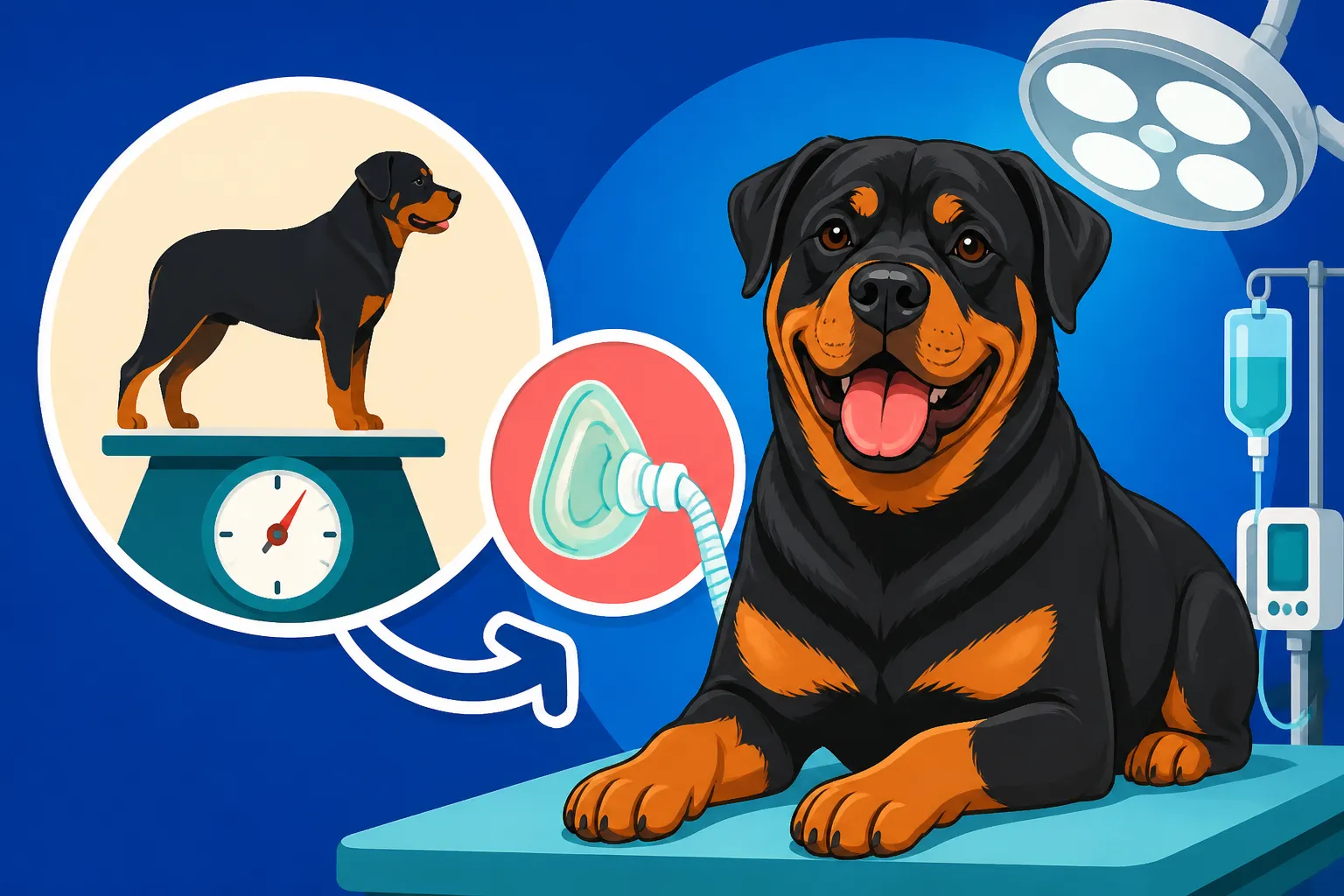
The fundamental principle behind weight-based anesthesia billing is quite logical: the larger the animal, the more medication and resources are generally required. It's not just about the volume of drugs, but the complexity of ensuring safety for a big, muscular dog like a Rottweiler.
How Anesthesia Works Differently in Larger Dogs
Imagine giving medication to a Chihuahua versus a full-grown Rottweiler. The difference in body mass is astronomical, and this directly impacts how anesthetic drugs are distributed, metabolized, and ultimately cleared from the system. For a Rottweiler, the sheer volume of blood and tissue means that a significantly larger dose of anesthetic agent is needed to achieve the desired effect – whether it's sedation for a minor procedure or full general anesthesia for surgery.
Metabolism plays a huge role here too. While larger dogs have larger organs, the metabolic rate per pound can sometimes differ, meaning careful calculations are crucial to prevent under-dosing (where the dog isn't sufficiently sedated) or, much more dangerously, over-dosing. Veterinarians must consider not only the total weight but also body composition. A lean, muscular Rottweiler might require a different dosage calculation than a Rottweiler of the same weight with more body fat, as fat tissue has less blood flow and absorbs certain drugs differently. It's a precise science, not a guesswork operation.
The Cost of Anesthetic Drugs Themselves
Let's face it, veterinary pharmaceuticals aren't cheap, and anesthetic agents are among the more expensive drugs used in a clinic. These aren't generic over-the-counter medications; they are potent, carefully regulated substances. When your Rottweiler weighs upwards of 80 to 130 pounds, the quantity of these costly drugs required for induction, maintenance, and sometimes reversal is substantial.
Think about common agents like propofol for induction or isoflurane/sevoflurane gas for maintenance. Each milliliter or each minute of gas flow translates directly to a cost. The more your dog weighs, the more milliliters of propofol are needed to get them comfortably asleep, and the more gas flow is required to keep them that way throughout the procedure. For longer surgeries, this cumulative cost can really add up. It’s simply a matter of volume and concentration, and a large dog demands a higher volume of these expensive compounds.
Beyond the Drugs: Other Factors Influencing Anesthesia Bills
While drug cost is significant, it's far from the only factor. The comprehensive care surrounding an anesthetic event for a Rottweiler involves specialized equipment, highly trained personnel, and extensive pre- and post-procedure attention, all of which contribute to the final bill.
Specialized Monitoring Equipment and Staff Expertise
Administering anesthesia to any animal requires vigilant monitoring, but for a large breed like a Rottweiler, it's even more critical. Their sheer size and potential underlying health conditions mean they can have more complex physiological responses. This necessitates a full suite of monitoring equipment that often includes:
- ECG (Electrocardiogram): To track heart rate and rhythm.
- Pulse Oximetry: To measure oxygen saturation in the blood.
- Blood Pressure Monitors: To ensure adequate blood flow to vital organs.
- Capnography: To monitor carbon dioxide levels in exhaled breath, indicating effective breathing and circulation.
- Temperature Probes: To prevent hypothermia, which large dogs are also susceptible to under anesthesia.
Each piece of this equipment is an investment for the veterinary clinic, and its use, calibration, and maintenance are factored into the cost. More importantly, operating and interpreting these monitors requires a highly skilled veterinary technician whose sole job during the procedure is often to monitor your Rottweiler's vital signs, adjust anesthetic depth, and communicate with the surgeon. This dedicated, experienced professional's time and expertise are valuable and reflected in the billing. For a large dog, the risks of complications can be higher, making this specialized human and technological oversight non-negotiable for safety.
Pre-Anesthetic Workups and Post-Operative Care
Before any anesthetic procedure, a thorough pre-anesthetic workup is vital, especially for a large, long-lived breed. This typically includes blood tests like a complete blood count (CBC) and a chemistry panel. These tests provide a snapshot of your Rottweiler's internal organ function, particularly the liver and kidneys, which are responsible for metabolizing and excreting anesthetic drugs. If there are any indications of compromise, the veterinarian might need to adjust the anesthetic protocol or even delay the procedure. A good example might be if your vet detects a heart murmur that needs further investigation. A specific workup to diagnose issues like Subaortic Stenosis in Rottweiler Puppies would be essential before anesthesia is considered.
For Rottweilers, these tests might be more extensive or interpreted with greater caution due to breed-specific predispositions to certain conditions. These diagnostic steps add to the overall cost, but they are crucial for minimizing risks.
Post-operative care is equally important. After a large dog wakes up from anesthesia, they often require longer recovery times, especially from extensive procedures. This can involve continued intravenous fluid therapy, careful pain management using appropriate doses of powerful analgesics, and extended observation in a warm, quiet environment. The nursing staff dedicated to monitoring your Rottweiler's recovery, ensuring they're comfortable and stable, is another critical component of the overall anesthesia cost. They're making sure your big dog is recovering safely, even if it means extra cuddles or assistance getting up.
Understanding Rottweiler-Specific Anesthesia Considerations
Beyond the general principles, Rottweilers present some unique challenges and considerations during anesthesia that contribute to the cost. Their size, specific health predispositions, and sheer physical presence require extra attention and resources.
Breed-Specific Health Concerns and Anesthesia Risk
Rottweilers, while generally robust, do have predispositions to certain health conditions that can complicate anesthesia and increase risk. For instance, heart conditions like Dilated Cardiomyopathy in a Rottweiler or the aforementioned subaortic stenosis can significantly impact how anesthetic drugs are metabolized and how the heart handles the stress of surgery. A thorough cardiac workup, including an echocardiogram, might be recommended prior to anesthesia for at-risk individuals, adding to the pre-procedure costs.
Joint issues, such as Rottweiler Hip Dysplasia and the OFA Grade or elbow dysplasia, can make positioning a large dog comfortably and safely on an operating table more challenging. Specialized padding or careful manipulation by multiple staff members might be necessary to prevent further injury or discomfort, especially during long surgeries. Even something as critical and sudden as Recognizing Bloat in a Rottweiler requires rapid, often emergency anesthesia, which carries its own set of heightened risks and intensive monitoring. These breed-specific considerations often mean that the anesthetic protocol is tailored and potentially more complex, leading to higher costs.
The Logistics of Handling a Large Breed
Anyone who's ever tried to lift or maneuver a full-grown Rottweiler knows it's no small feat. This physical reality extends to the veterinary hospital. Moving an anesthetized 100-pound dog onto an operating table, maintaining its position during surgery, and then carefully transferring it to a recovery cage requires significant physical effort and often multiple staff members.
Veterinary clinics must invest in specialized equipment to handle these larger patients, such as hydraulic lift tables, larger recovery cages, and stronger gurneys. Even basic medical supplies are used in higher volumes – more IV fluids, larger syringes, wider bandages, and bigger recovery blankets all factor into the indirect costs of caring for a giant breed. The increased staffing needs and specialized equipment necessary to ensure the safety and comfort of a large patient like a Rottweiler inevitably get reflected in the overall billing. It's simply more labor and resource-intensive to manage a dog of their size throughout the entire anesthetic process.
Tips for Managing Anesthesia Costs for Your Rottweiler
While anesthesia costs are largely dictated by the necessities of veterinary medicine for a large breed, there are proactive steps you can take to manage these expenses and ensure your Rottweiler receives the best possible care.
Proactive Health Management
The best way to reduce unexpected, high-cost veterinary bills, including those for emergency anesthesia, is to maintain your Rottweiler's health proactively. Regular veterinary check-ups are paramount. These routine visits allow your vet to catch potential issues early, before they become urgent and more expensive. For instance, addressing Rottweiler Obesity and the Load It Adds early on can significantly reduce anesthetic risk (and thus cost) by requiring less medication and lowering the chances of complications.
Furthermore, always ensure your Rottweiler receives recommended health clearances, especially if you got them from a breeder. For example, understanding their hip and elbow status can help your vet plan for any necessary positioning adjustments during anesthesia for orthopedic procedures. Being transparent with your vet about your dog's history and any subtle changes in behavior can also lead to early diagnosis and potentially less complex, less costly interventions down the line. Preventative care like regular dental cleanings can also save you from a complex extraction under anesthesia later, which can involve significant costs for a Rottweiler Dental Disease and Cracked Teeth situation.
Pet Insurance and Financial Planning
For a breed like the Rottweiler, known for a shorter lifespan and predispositions to certain health issues, pet insurance can be a lifesaver. Providers like Healthy Paws often have comprehensive plans that cover accidents, illnesses, and emergency surgeries, which would include anesthesia costs. While premiums for large breeds can be higher, the peace of mind and financial relief during a major medical event are often worth it. Make sure to enroll your Rottweiler when they are young, as pre-existing conditions are typically not covered. Many providers offer options, and you can compare policies that make sense for your budget.
Beyond insurance, it's wise to start an emergency fund specifically for your Rottweiler's health needs. Unexpected illnesses or injuries requiring anesthesia, like a sudden case of bloat, can run into thousands of dollars. Having dedicated savings means you won't have to make difficult financial decisions in a crisis. You can also explore options like CareCredit, which offers payment plans for veterinary expenses. Always ask your veterinarian for a detailed estimate before any procedure requiring anesthesia, and discuss payment options upfront. Sometimes, clinics, especially those in partnership with online retailers like Chewy, might offer discounts on prescription foods or ongoing medications, which can help offset other costs.
Here's a quick comparison of general anesthesia considerations:
| Factor | Small Dog (e.g., Chihuahua, 5 lbs) | Rottweiler (e.g., 100 lbs) |
|---|---|---|
| Anesthetic Drug Volume | Low | High (20x more than small dog) |
| Drug Cost | Lower | Significantly Higher |
| Metabolism Speed | Faster | Slower, requiring careful monitoring |
| Monitoring Intensity | Standard | Higher, prolonged, more vigilance |
| Staff Handling | Easy, often one person | Multiple staff required for movement |
| Equipment Needs | Standard | Larger tables, cages, specialized items |
| Recovery Time | Shorter | Longer, more intensive nursing care |
| Pre-op Testing | Standard | Potentially more extensive due to breed risks |
| Breed Health Risks | Varies by breed | Predisposed to heart, joint issues |
This table illustrates why the costs for a Rottweiler, across the board, tend to be higher for anesthetic procedures.
Disclaimer
The information provided in this article is for general educational purposes only and is not intended to be a substitute for professional veterinary advice. Always consult with a qualified veterinarian for any health concerns or before making any decisions related to your Rottweiler's care, diet, or treatment. Medical situations can vary greatly, and only a veterinary professional can provide an accurate diagnosis and appropriate treatment plan.