Hip Dysplasia as a Pre-Existing Rottweiler Condition
It's absolutely heartbreaking to watch your magnificent Rottweiler, a dog known for its strength and stoicism, begin to show signs of discomfort, especially in their hips. The worry is immense, not just for their well-being but also for the potential financial strain. Many loving Rottweiler owners find themselves in a tough spot when they discover their beloved companion might have hip dysplasia, only to realize that their pet insurance policy might not cover it due to the dreaded "pre-existing condition" clause. This guide is here to walk you through exactly what that means for Rottweilers, how insurance companies view these situations, and what you can do to navigate these challenging waters.
Understanding Hip Dysplasia in Rottweilers
Hip dysplasia is a condition that, unfortunately, many large and giant breed dog owners become all too familiar with. It's not just a minor ache; it's a developmental abnormality of the hip joint itself, and for a powerful breed like the Rottweiler, it can have a significant impact on their quality of life.
What is Hip Dysplasia?
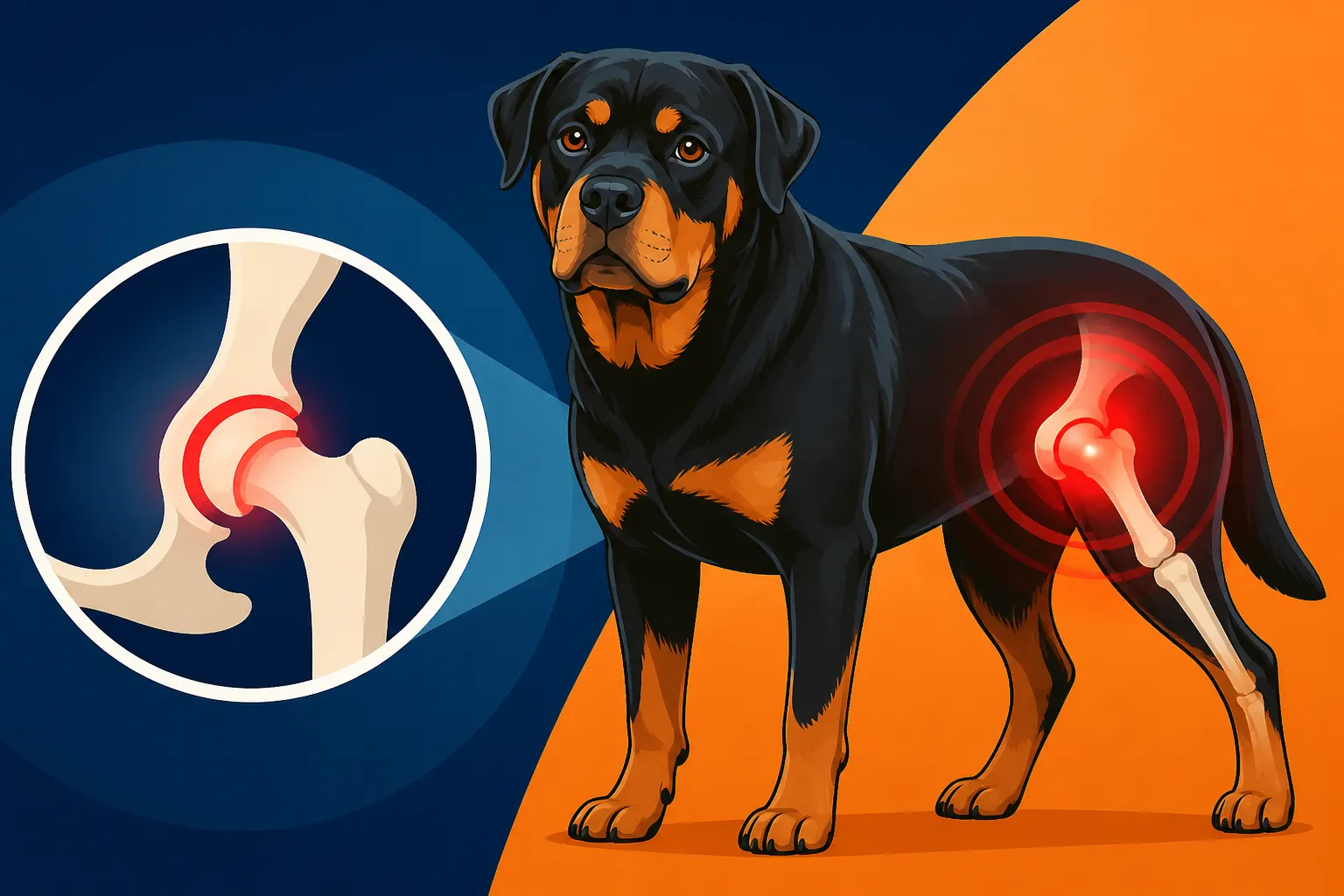
At its core, hip dysplasia occurs when the ball and socket joint of the hip don't fit together properly. Instead of a smooth, snug fit that allows for fluid movement, the joint is loose or malformed. Over time, this poor fit causes the bones to rub against each other, leading to degeneration, pain, and secondary arthritis. Think of it like a poorly built engine where the parts grind instead of glide; eventually, everything starts to break down. The severity can vary wildly, from mild discomfort to debilitating lameness. It's largely a genetic condition, passed down from parent dogs, but environmental factors like rapid growth, excessive exercise during puppyhood, and nutrition can also play a role in how dramatically it manifests.
Why Rottweilers Are Prone to Hip Dysplasia
Rottweilers are magnificent dogs, bred for strength and endurance, but their very size and rapid growth rate put them at a higher risk for developmental orthopedic issues, including hip dysplasia. Their bone structure and heavy musculature exert significant force on their joints, and if those joints aren't formed perfectly, problems can arise quickly. This is precisely why responsible breeders are so adamant about health clearances. They screen their breeding dogs for conditions like hip and elbow dysplasia through certifications like the Orthopedic Foundation for Animals (OFA) or PennHIP. These certifications assess the quality of a dog's hips and elbows before they are ever bred, aiming to reduce the incidence of these genetic conditions in future generations. If you're looking at a puppy, you should always ask about Rottweiler Hips and Elbows and the 24-Month Rule and ensure parents have appropriate clearances. Sadly, even with the best breeding practices, no guarantee is absolute, and sometimes, despite all precautions, a puppy can still develop issues.
The Dreaded "Pre-Existing Condition" Clause
This is where the rubber meets the road for many Rottweiler owners and their pet insurance. The term "pre-existing condition" is one of the most frustrating phrases in the world of pet health coverage, and it's a huge source of confusion and disappointment.
How Insurance Companies Define Pre-Existing
Simply put, a pre-existing condition is any illness, injury, or symptom that was present or occurred before your pet's insurance policy went into effect, or during the waiting period stipulated by the policy. It doesn't even have to be officially diagnosed by a vet; if there were visible signs, limping, or any documented concern in their medical history before your coverage started, insurance companies will often classify it as pre-existing.
For example, if your Rottweiler puppy had a slight limp noted in their vet records at 12 weeks old, and you got insurance a month later with a 30-day waiting period for orthopedic issues, any subsequent diagnosis of hip dysplasia would almost certainly be denied coverage. The insurance company would point to that initial limp as evidence that the condition was already "pre-existing," even if hip dysplasia wasn't confirmed until much later. This is often a huge shock to owners who believe their policy should cover any new diagnosis. They don't understand that the onset of symptoms often dictates the pre-existing status, not the formal diagnosis itself.
Proving Your Rottweiler's Hips Were Clear
This is where meticulous record-keeping and a proactive approach come into play. If your Rottweiler develops hip dysplasia, and you want your insurance to cover it, you'll need to demonstrate that the condition was not present (or showing any signs) before your policy's effective date and relevant waiting periods. This typically requires a robust paper trail:
- Veterinary Records: Comprehensive records from all vet visits are crucial. These should explicitly state that your dog showed no signs of lameness, pain, or discomfort in their hips. Regular check-ups that consistently report "no abnormalities" in musculoskeletal exams are your best friend here.
- Breeder Health Clearances: If you purchased your Rottweiler from a reputable breeder, they should provide evidence of hip clearances for the parent dogs, often from OFA or PennHIP. While this doesn't guarantee your puppy won't develop the condition, it shows a diligent effort to breed healthy dogs and can support your case that any issues were not anticipated.
- Initial Veterinary Exam: A thorough "new puppy" or "new pet" exam shortly after acquiring your Rottweiler is highly recommended. The vet should perform a complete physical, including a detailed orthopedic examination, and document their findings. This creates a clean baseline for your insurance company.
- X-rays: In some cases, insurers might even request radiographs taken before any symptoms appeared, or at least before the policy's effective date, to prove joint health at that time. However, it's rare to get a preventative hip X-ray done on a young, asymptomatic puppy unless there's a specific reason.
It's vital to remember that Rottweiler Hip Dysplasia Symptoms Before Age Two can be subtle. A slight change in gait, reluctance to jump, or difficulty rising might not seem like much, but if documented by a vet before your policy is fully active, it can be problematic.
Navigating Insurance Options for Hip Dysplasia
The landscape of pet insurance can be confusing, especially when conditions like hip dysplasia are on the table. Knowing your options and acting quickly is key.
If Your Rottweiler Already Has Symptoms
If your Rottweiler has already been diagnosed with hip dysplasia, or even just exhibited symptoms that have been recorded by a veterinarian, securing coverage for that specific condition becomes incredibly difficult, if not impossible, with standard pet insurance policies. Most insurance companies will classify it as a pre-existing condition and exclude it from coverage. This means any treatments related to it – medications, surgeries, physical therapy – will likely come entirely out of your pocket.
However, this doesn't mean all hope is lost for all future conditions. Your policy will still cover new, unrelated illnesses or accidents. Some pet insurance providers, like Healthy Paws, focus on accident and illness coverage but will explicitly exclude pre-existing conditions. Other companies might offer "wellness plans" as an add-on, which cover routine care like exams, vaccinations, and sometimes even supplements, but these typically don't address the major costs associated with managing a chronic condition like hip dysplasia itself. It's a tough pill to swallow, but understanding this limitation upfront is important for managing expectations and finances.
The Importance of Early Enrollment
This cannot be stressed enough: the single best strategy for ensuring your Rottweiler's hip dysplasia is covered is to enroll them in pet insurance as early as possible, ideally when they are a young puppy, even before their Rottweiler Growth Plates and Why They Close So Late. Most reputable insurance providers allow enrollment as early as 8 weeks old. The younger they are when you enroll, the less likely they are to have any pre-existing conditions documented.
When you enroll, pay close attention to the waiting periods. These are mandatory periods (e.g., 14 days for illnesses, 6 months for orthopedic conditions) that must pass before certain coverages kick in. For conditions like hip dysplasia, some insurers have longer orthopedic waiting periods specifically because these conditions are often hard to detect early. Make sure to read the fine print and understand these terms fully. Enrolling early and getting through these waiting periods before any symptoms manifest is crucial.
Comparing Insurance Providers
Not all pet insurance policies are created equal, especially concerning orthopedic conditions. When comparing providers for your Rottweiler, especially with the breed's predisposition to hip issues, here's what to consider:
- Waiting Periods: Look for shorter waiting periods, particularly for orthopedic conditions. Some companies might have an initial 14-day waiting period for illnesses and accidents, but then a separate 6-month period for conditions like hip dysplasia. Some may even waive the extended orthopedic waiting period if a vet certifies the hips as healthy within a certain timeframe.
- Bilateral Conditions: Hip dysplasia is a bilateral condition, meaning it can affect both hips. Some policies treat each hip separately, while others might consider the second hip's condition as related to the first and thus pre-existing if the first was diagnosed before coverage. Clarify this.
- Coverage Limits: Understand the annual or per-incident limits, deductibles, and reimbursement percentages. For a condition that might require ongoing medication, physical therapy, or even surgery, these can add up to significant Rottweiler Surgery Costs From Bloat to Bone Cancer.
- Exclusions: Always, always read the exclusions list carefully. This is where pre-existing conditions are defined and outlined.
Companies like Healthy Paws are well-known for their comprehensive accident and illness plans, but they are very strict on pre-existing conditions. Other providers you might encounter through retailers like Chewy often have multiple partners, so the specifics can vary greatly. Brands like Ollie, primarily known for fresh dog food delivery, don't directly offer insurance, but they highlight the importance of canine health, often pairing with advice about vet care and nutrition, which can indirectly relate to preventing severe orthopedic issues through maintaining a healthy weight.
Here's a simplified table illustrating how the timing of insurance enrollment and diagnosis can impact coverage:
| Scenario | Timing of Insurance Enrollment | Timing of Hip Dysplasia Symptoms/Diagnosis | Typical Insurance Coverage for HD |
|---|---|---|---|
| Ideal Scenario | Puppy (8-16 weeks) | After all waiting periods complete | Likely Covered |
| Delayed Enrollment | Adult (2+ years) | After all waiting periods complete | Likely Covered |
| Symptoms Before Coverage | Puppy/Adult | Before policy effective date or waiting period | Not Covered (Pre-existing) |
| Symptoms During Waiting Period | Puppy/Adult | During the policy's waiting period | Not Covered (Pre-existing) |
| Mild Symptoms Undiagnosed Before Coverage | Puppy/Adult | Diagnosed after waiting period, but prior symptoms documented | Likely Not Covered |
Strategies for Managing Uninsured Hip Dysplasia Costs
When pet insurance isn't an option for hip dysplasia, the financial burden can be daunting. However, there are still many ways to manage your Rottweiler's condition and provide them with a good quality of life.
Non-Surgical and Palliative Care
Many Rottweilers with hip dysplasia can live comfortable lives with proper non-surgical management. This approach focuses on reducing pain, inflammation, and improving joint function without invasive procedures.
- Pain Management: Your veterinarian can prescribe various pain medications, including NSAIDs (non-steroidal anti-inflammatory drugs) to reduce inflammation and pain, and sometimes other adjunct pain relievers. Regular monitoring is essential, as large breeds like Rottweilers can be sensitive to some medications.
- Joint Supplements: High-quality joint supplements containing ingredients like glucosamine, chondroitin, MSM, and Omega-3 fatty acids can help support joint cartilage and reduce inflammation. It’s important to discuss these with your vet, especially if your Rottweiler is already on other medications. Starting Joint Supplements Started Before a Rottweiler Turns Two can even be a preventative measure in some cases. You can find many reputable joint supplements at pet supply stores or through online retailers like Chewy.
- Weight Management: Keeping your Rottweiler at a healthy, lean weight is perhaps one of the most critical factors. Excess weight puts immense strain on already compromised joints, exacerbating pain and accelerating degeneration. Your vet can help you determine an ideal weight and create a feeding plan.
- Physical Therapy & Rehabilitation: This can be a game-changer. Certified canine rehabilitation therapists can develop tailored exercise programs, including hydrotherapy (underwater treadmill), therapeutic exercises, massage, and laser therapy. These treatments strengthen surrounding muscles, improve range of motion, and reduce pain. Read more about Physical Therapy After Rottweiler Joint Surgery as many of the principles apply to non-surgical management too.
- Lifestyle Modifications: Adjustments at home can make a big difference. This includes providing orthopedic beds, using ramps to get into cars or onto furniture, and avoiding high-impact activities like jumping or running on hard surfaces. Focus on controlled, moderate exercise like swimming or leash walks on soft ground.
All these non-surgical methods aim to improve your dog's comfort and mobility, helping them live their best life even with a challenging diagnosis. If you're managing an older dog, these strategies align with good Managing Arthritis in an Older Rottweiler practices.
Financial Planning and Assistance
Even without insurance coverage, you have options to manage the costs associated with hip dysplasia. The financial reality of owning a large breed dog with health issues can be significant, reinforcing why considering The Lifetime Cost of One Rottweiler is so important before bringing one home.
- Savings Account: Ideally, having a dedicated emergency fund for your pet is always a smart move. Even if you have insurance, deductibles and co-pays add up.
- Payment Plans with Your Vet: Many veterinary clinics understand the financial strain of extensive treatments and offer in-house payment plans or work with third-party financing options like CareCredit. Don't be afraid to discuss your financial concerns with your vet's office.
- Veterinary School Hospitals: University veterinary teaching hospitals often offer advanced diagnostics and treatments at potentially lower costs than private specialty clinics, as they are also teaching institutions. They also frequently conduct clinical trials that might offer subsidized care for specific conditions.
- Breed-Specific Rescues and Organizations: Some Rottweiler rescues or breed clubs have funds specifically for assisting owners with significant medical expenses for their dogs. Check if there are any local or national organizations that might offer grants or financial aid.
- Crowdfunding: Platforms like GoFundMe can sometimes help rally community support for unexpected veterinary bills. While not a guaranteed solution, they can provide a boost in challenging times.
- Discount Programs: Some veterinary practices offer wellness plans that can bundle preventive care, and while they won't cover pre-existing hip dysplasia, they might help manage other routine costs, freeing up funds for the hip treatment.
Dealing with hip dysplasia in a Rottweiler is a journey, and facing it as a pre-existing condition with insurance can feel like an extra uphill climb. But with knowledge, proactive care, and a clear understanding of your options, you can still provide your beloved Rottweiler with comfort, happiness, and a good quality of life.
Disclaimer
This article is intended for informational purposes only and does not constitute veterinary advice. Always consult with a qualified veterinarian for any health concerns or before making any decisions about your pet's care or treatment plan. Pet insurance policies vary significantly, and it is crucial to read your specific policy's terms and conditions carefully regarding pre-existing conditions, waiting periods, and exclusions.