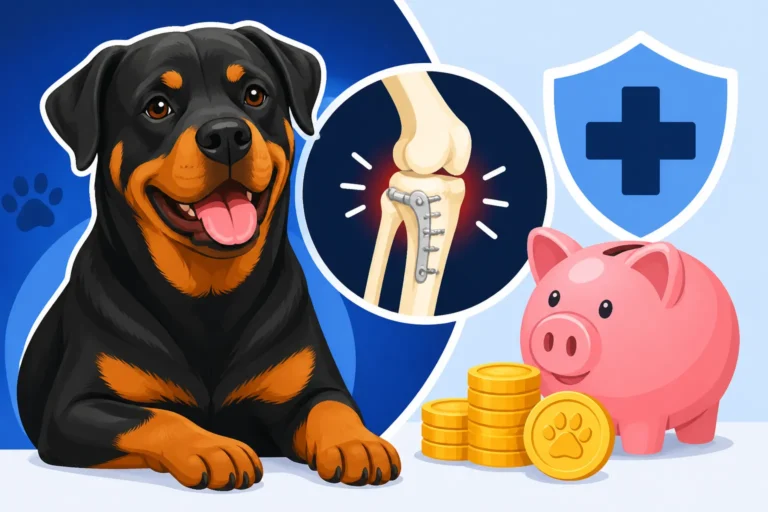
Enrolling a Rottweiler at Eight Weeks Old
Bringing home an adorable Rottweiler puppy is a joyous occasion, filled with dreams of long walks and playful antics. But behind all that puppy fluff lies a sobering reality: unexpected vet bills can quickly drain your savings, especially with a large, robust breed prone to certain genetic conditions. This guide is here to walk you through the crucial process of enrolling your Rottweiler puppy in pet insurance as early as eight weeks old, safeguarding both their health and your wallet.
Why Early Enrollment for Your Rottweiler Puppy is Critical
When you first bring home your new Rottweiler puppy, the furthest thing from your mind is often future health problems. You’re focused on puppy breath and house-training. However, the decision to enroll your Rottweiler in pet insurance right away, often as early as eight weeks old, can be one of the most financially savvy choices you make for their long-term well-being. Procrastinating on this can lead to significant out-of-pocket expenses down the line that could have been avoided.
Avoiding Pre-Existing Conditions
This is arguably the single most important reason to get your Rottweiler puppy insured without delay. Pet insurance companies, much like human health insurers, will not cover conditions that are considered "pre-existing." A pre-existing condition is any illness or injury that your dog showed symptoms of, or was diagnosed with, before your policy's waiting period ended. For a Rottweiler, this can be a huge deal. Imagine your energetic puppy has a slight limp one day, which the vet attributes to a minor sprain. If you don't have insurance yet, or are still within a waiting period, and that limp later develops into full-blown elbow dysplasia, that condition could be denied as pre-existing, even if the severe diagnosis came much later. This applies to so many of the common Rottweiler issues.
If your puppy has a minor digestive upset that requires a vet visit before your policy is active, any future chronic digestive issues could be flagged. Given that Rottweilers are a breed known for potential orthopedic issues like hip and elbow dysplasia, any early limping or stiffness, even if seemingly innocuous, could become a significant financial burden if not covered. By enrolling your Rottweiler at eight weeks, you establish a clean health history from the very beginning, ensuring that new conditions that arise later are much more likely to be covered. This early enrollment can make all the difference if your vet later needs to do extensive diagnostics to determine the exact cause of a problem, like looking into the specific causes of Rottweiler Hip Dysplasia and the OFA Grade or even Rottweiler Elbow X-Rays Taken at Twenty-Four Months.
Locking in Lower Premiums
Another compelling reason to act quickly is the cost of the premiums themselves. Generally, the younger and healthier your pet is when you enroll them, the lower your monthly or annual premium will be. Insurance companies assess risk, and a puppy has a much lower risk profile than an older dog who might have a developing medical history. As your Rottweiler ages, their risk of developing illnesses increases, and so too will the cost of new insurance policies.
While your initial puppy premium might seem like an extra bill, it’s an investment that can save you considerably in the long run. If you wait until your Rottweiler is, say, two or three years old and has already had a few vet visits for minor issues, those early concerns could impact what is covered and how much you pay. Starting young allows you to lock in a more favorable rate and build up a history of continuous coverage, which can be invaluable when major health events, such as Bloat in a Rottweiler and the Hours That Matter or even Rottweiler Heart Disease and Subaortic Stenosis, inevitably occur in a large breed.
Navigating Waiting Periods
Every pet insurance policy comes with waiting periods—a specific amount of time you must wait after enrolling before certain conditions are eligible for coverage. These periods vary by insurer and by the type of condition. Typically, waiting periods for accidents are shorter (often a few days), while those for illnesses (like a serious infection or cancer) are longer (usually 14-30 days). Some policies even have extended waiting periods for orthopedic conditions, which is particularly relevant for breeds like Rottweilers that are predisposed to joint issues.
Enrolling your Rottweiler puppy at eight weeks old means these waiting periods start ticking down immediately. By the time your puppy is four or five months old, or even younger, many of these waiting periods will have passed, and your policy will be fully active for most new conditions. This provides peace of mind, knowing that if an unforeseen accident happens during a growth spurt, or if an illness suddenly strikes, your coverage will likely be in place. Don't let a sudden incident after puppy class catch you off guard; getting ahead of these waiting periods is crucial.
What Pet Insurance Covers (and Doesn't) for a Young Rottweiler
Understanding what a pet insurance policy will and won't cover for your Rottweiler puppy is essential to setting realistic expectations and choosing the right plan. It's not a magic bullet for every single expense, but it can be a lifesaver for the big, unexpected ones. When you're looking at plans, remember that the goal is to protect against the high-cost, unforeseen events, not necessarily every routine vet visit.
Accidents and Unexpected Illnesses
The core benefit of almost any comprehensive pet insurance policy is coverage for accidents and unexpected illnesses. For a rambunctious Rottweiler puppy, accidents can range from the seemingly innocent to genuinely dangerous. Think about things like:
- Broken bones: A misstep during play or a fall from a height can result in fractures, which for a rapidly growing, heavy-boned breed, can mean expensive surgeries and extensive recovery.
- Foreign body ingestion: Puppies explore with their mouths, and that often means swallowing things they shouldn't. An ingested toy, sock, or even a piece of yard debris can necessitate emergency surgery.
- Sudden illnesses: While Rottweilers are generally hardy, puppies can quickly develop infections, severe allergic reactions, or acute digestive problems that require immediate veterinary attention, diagnostics, and treatment.
These types of events are exactly what pet insurance is designed to cover, provided they occur after your waiting periods have passed. The costs associated with diagnostics (X-rays, ultrasounds, blood work), emergency room visits, specialist consultations, medications, and hospitalization for these unforeseen issues can easily run into thousands of dollars. Having a policy in place means you can focus on getting your Rottweiler the best care without crippling financial stress.
Breed-Specific Concerns
Rottweilers, like many purebred dogs, are genetically predisposed to certain health conditions. This is where pet insurance becomes particularly valuable, but also where the "pre-existing condition" clause can hit hard. Conditions common in Rottweilers include:
- Hip and Elbow Dysplasia: These orthopedic conditions can cause pain, lameness, and arthritis. If your Rottweiler doesn't show any signs or symptoms of these before enrollment or during the waiting period, and they develop later, treatment (which can include surgery, physical therapy, and lifelong medication) would typically be covered. This is why getting your puppy enrolled at eight weeks old is so paramount, before any subtle limps might appear and be noted in a vet's chart.
- Bloat (Gastric Dilatation-Volvulus – GDV): This life-threatening condition where the stomach twists is an emergency Rottweilers are highly susceptible to. The immediate and intensive surgery required is incredibly expensive. Coverage would apply if your dog has no prior history of bloat or related symptoms before the policy's effective date. Preventive surgery like gastropexy, which can prevent bloat, is usually not covered by standard illness plans but sometimes by wellness add-ons, or if done in an emergency along with bloat surgery.
- Heart Conditions: Conditions like subaortic stenosis (SAS) can impact Rottweilers. While some heart murmurs may be detected early, if a full diagnosis and signs of clinical disease appear after your waiting periods, the associated treatments could be covered. Regular monitoring for a condition like Subaortic Stenosis in Rottweiler Puppies is a good idea, and having insurance beforehand can ensure diagnostics are covered if things worsen.
- Cancers: Unfortunately, Rottweilers are also predisposed to various cancers, including osteosarcoma (bone cancer) and lymphoma. Early detection and treatment for Rottweiler Cancers Beyond the Bone can be very costly, involving chemotherapy, radiation, and surgeries. If these cancers develop after your policy is active and past waiting periods, coverage can provide immense relief.
It's important to differentiate between a predisposition and a pre-existing condition. A predisposition means the breed is statistically more likely to get it. A pre-existing condition means your individual dog already has symptoms or a diagnosis. Insurance covers the former, not the latter.
The Fine Print: What's Often Excluded
While pet insurance offers broad coverage for the big stuff, it's crucial to know what you're likely paying for out-of-pocket:
- Pre-Existing Conditions: As hammered home, anything noted by a vet before your policy starts or during the waiting period. This includes even minor issues that could be linked to a major condition later.
- Routine Wellness and Preventative Care: Things like vaccinations, routine check-ups, deworming, flea and tick prevention, and spaying/neutering are typically not covered by standard accident and illness policies. Many providers, however, offer optional "wellness add-ons" that do cover a portion of these costs. This is something to consider, especially for a puppy that will have several rounds of vaccinations.
- Elective Procedures: Procedures like tail docking (if not done by the breeder), ear cropping, or cosmetic surgeries are not covered.
- Dental Cleanings: Routine dental cleanings are often excluded unless you have a wellness add-on. However, if your Rottweiler suffers a cracked tooth from chewing something too hard, and it requires extraction, that could be covered as an accident or illness treatment. However, it's always best to be proactive with Rottweiler Dental Care for a Jaw That Cracks Bone and prevent such issues.
- Food and Supplements: Prescription diets for conditions like allergies, or joint supplements, are generally not covered. However, some companies like Chewy offer a wide range of these products, and their auto-ship programs can make it easier to manage these recurring costs.
Choosing the Right Policy for Your Rottweiler at Eight Weeks
Selecting the perfect pet insurance policy for your eight-week-old Rottweiler can feel a bit overwhelming with all the options out there. It’s not just about the monthly premium; it's about understanding the policy's structure and how it will actually pay out when you need it most. Thinking through these details now can save you headaches and heartbreak later.
Understanding Deductibles, Reimbursement Rates, and Annual Limits
These three terms are the bedrock of any pet insurance policy and directly impact your out-of-pocket expenses:
- Deductible: This is the amount you pay first before your insurance company starts to reimburse you. It can be per incident or annual. For example, if you have a $250 annual deductible and your Rottweiler has a $1,000 vet bill for an accident, you pay the first $250, and then your insurance covers a percentage of the remaining $750. Higher deductibles usually mean lower monthly premiums, but you'll pay more upfront if something happens. For a large breed like a Rottweiler, with potentially very high vet bills, a lower deductible might make more sense even if the premium is slightly higher.
- Reimbursement Rate: This is the percentage of the covered vet bill that the insurance company will pay back to you after the deductible is met. Common rates are 70%, 80%, or 90%. If you have an 80% reimbursement rate on that $750 remaining bill, the insurance would pay $600 (80% of $750), and you'd pay the remaining $150. A higher reimbursement rate means less out of your pocket, but again, typically comes with a higher premium. Given that Emergency Vet Bills a Rottweiler Owner Should Expect can be substantial, aiming for a higher reimbursement rate can be a wise choice.
- Annual Limit: This is the maximum amount the insurance company will pay out in a policy year. Some policies offer unlimited annual payouts, which is fantastic for conditions like cancer or a severe accident that require extensive, ongoing treatment. Other policies might have limits like $5,000, $10,000, or $15,000. For a Rottweiler, whose potential surgeries for things like hip replacement or cancer treatment can easily exceed these limits, an unlimited or very high annual limit is often highly recommended. You don't want to hit a cap halfway through a critical treatment plan.
Let’s look at an example. Your Rottweiler needs emergency surgery for bloat, and the total bill is $6,000.
Assume:
- Deductible: $500 (annual)
- Reimbursement Rate: 80%
- Annual Limit: Unlimited
You pay the first $500 (deductible).
Remaining bill: $6,000 – $500 = $5,500.
Insurance pays 80% of $5,500 = $4,400.
You pay: $500 (deductible) + $1,100 (20% of remaining bill) = $1,600.
Without insurance, you would have paid the full $6,000. That's a huge difference!
Comparing Providers and Plans
The pet insurance market has grown significantly, offering many choices. It's not just about finding "Rottweiler insurance"; it's about finding the right policy for your Rottweiler and your budget.
When comparing, look at:
- Reputation and Customer Service: Read reviews. Are claims processed efficiently? Is customer service responsive?
- Policy Customization: Can you adjust deductibles, reimbursement rates, and annual limits to fit your budget?
- Waiting Periods: Are they reasonable? Are there extended waiting periods for orthopedic conditions that might apply to your Rottweiler?
- Exclusions: Understand what won't be covered. Is hereditary/congenital coverage included (after waiting periods, of course)? This is crucial for a breed with known genetic predispositions.
- Pricing: While Rottweiler Insurance Premiums Around $204 a Month might be an average, your specific quote will depend on your location, your chosen plan, and your dog's age. Get quotes from several providers.
Providers like Healthy Paws are well-regarded and often offer unlimited annual payouts, which is a huge plus for a breed like a Rottweiler that can incur massive medical costs. Their coverage often focuses on comprehensive accident and illness, which is ideal for big, unforeseen expenses. Other online platforms, such as Chewy, offer portals where you can compare multiple insurance providers side-by-side, making it easier to see different plan structures and pricing in one place. This can be incredibly helpful for understanding the nuances between policies. Remember, the goal is to get coverage as early as possible. If you want to dive deeper, articles like What a Rottweiler Policy Will Not Cover can offer more specific insights.
Considering Wellness Add-ons
While standard pet insurance covers accidents and illnesses, a wellness add-on (sometimes called a "preventative care plan") is a separate option that helps cover routine care costs. For a young Rottweiler puppy, this might include:
- Vaccinations: Your puppy will need a series of vaccinations in their first few months.
- Annual Exams: Even healthy puppies need regular check-ups.
- Deworming/Flea & Tick Prevention: Ongoing parasite control is essential.
- Spaying/Neutering: While some plans might offer limited coverage, most wellness add-ons will help offset the cost.
- Dental Cleanings: These are typically covered under wellness plans.
Whether a wellness add-on is worth it depends on your budget and how much you anticipate spending on routine care. Sometimes, the cost of the add-on is close to what you'd pay out-of-pocket for these services anyway, offering more of a budgeting tool than significant savings. However, for those who appreciate spreading out costs and having coverage for everything, it can be a good option. Remember, the foundational accident and illness policy is the most critical for protecting against catastrophic costs.
Here's a quick comparison of what to look for when enrolling your Rottweiler puppy:
| Feature | Key Considerations for Your 8-Week-Old Rottweiler | Why It Matters for This Breed |
|---|---|---|
| Enrollment Age | As young as 8 weeks (most common minimum) | Crucial to avoid pre-existing conditions (hip/elbow dysplasia, heart issues). |
| Waiting Periods | Understand accident (shorter) & illness (longer) periods. Look for orthopedic-specific ones. | Ensures coverage is active before common Rottweiler health issues could manifest. |
| Deductible Options | $100 – $1,000 (annual or per incident) | Balances premium cost with upfront out-of-pocket for large vet bills. |
| Reimbursement Rate | 70%, 80%, or 90% | Higher rate means less personal expense on high-cost procedures. |
| Annual Limit | $5,000 – unlimited | Essential for costly, chronic conditions like cancer or multiple surgeries common in large breeds. |
| Hereditary/Congenital Conditions | Confirm coverage is included for these conditions if they are not pre-existing. | Directly addresses common Rottweiler genetic predispositions. |
| Wellness Add-On | Optional for routine care (vaccines, exams, spay/neuter, dental cleanings). | Helps budget for expected puppy costs, but separate from emergency coverage. |
| Provider Reputation | Check reviews for claims processing, customer service. | Crucial for peace of mind when you need to file a claim quickly. |
The first few months with your Rottweiler puppy are full of joy and discovery, but they also lay the groundwork for a lifetime of health and financial responsibility. Enrolling your puppy in pet insurance early ensures that you're prepared for whatever life throws your way, allowing you to focus on the love and companionship your incredible Rottweiler brings to your home. It’s a small recurring investment that offers monumental peace of mind.
Disclaimer
Always consult with a qualified veterinarian regarding your pet's health and a licensed insurance professional to discuss the best policy options for your individual needs and circumstances. Policy terms, conditions, and coverage can vary significantly.