Show Quality Against Pet Quality Rottweiler Prices
It’s a truly bewildering experience, isn't it? You start looking for a Rottweiler puppy, eager to bring one of these magnificent dogs into your home, and then you see the price tags. One puppy might be advertised for $1,500, another for $3,500, and then you stumble upon listings for "show quality" pups topping $5,000 or even more. The sheer variation can feel like a punch to the gut, making you wonder if you're missing something crucial, or if some breeders are just trying to take advantage. This guide is here to unravel the mystery behind "show quality" versus "pet quality" Rottweiler prices, helping you understand what these terms truly mean for your wallet and your future companion.
Understanding "Show Quality" Versus "Pet Quality"
When you encounter the terms "show quality" or "pet quality" in the Rottweiler world, it's easy to assume they refer to vastly different health or temperament standards. In reality, the distinction is primarily about how closely a particular puppy adheres to the breed's written standard, as defined by organizations like the American Kennel Club (AKC) or the Allgemeiner Deutscher Rottweiler-Klub (ADRK) in Germany. It's not about one being inherently healthier or having a better personality, though responsible breeders strive for both across their entire litter.
What Defines "Show Quality" in a Rottweiler
A "show quality" Rottweiler puppy is one that a knowledgeable and ethical breeder believes has the potential to excel in conformation shows. This means the puppy exhibits traits that closely match the breed standard for structure, movement, coat, markings, and temperament. Think of it like a meticulous blueprint for the ideal Rottweiler. Judges in conformation events assess dogs based on this standard, looking for specific proportions, bone structure, head shape, eye color, ear set, and the characteristic black and rust markings.
For example, a show prospect might have a perfectly square muzzle, dark almond-shaped eyes, the correct amount of rust markings in just the right places, and a powerful, ground-covering gait. Even subtle deviations, like a slightly lighter eye color or a marking that's a touch too large, could be considered a "fault" in the show ring, diminishing its chances of winning. Breeders price these puppies higher because they've dedicated years, often decades, to breeding programs that carefully select parents with ideal genetics and structure, investing heavily in health clearances and showing their breeding stock to earn titles. They're essentially selling a piece of their carefully crafted vision, complete with the potential for future accolades and the continuation of strong genetic lines.
What Constitutes "Pet Quality" in a Rottweiler
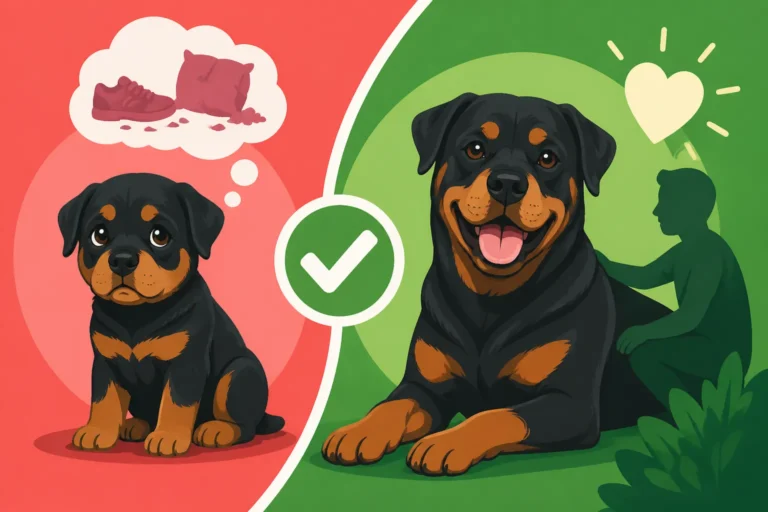
Conversely, a "pet quality" Rottweiler puppy is still a purebred Rottweiler from the same litter as its "show quality" siblings, but it possesses minor deviations from the breed standard that would likely prevent it from succeeding in conformation shows. It's crucial to understand that these "faults" are typically cosmetic and have no bearing on the dog's health, temperament, or ability to be a loving family member.
Imagine a puppy with an ear that sits a little higher than the standard dictates, or perhaps a rust marking on its chest that's slightly larger than preferred, or maybe its topline isn't quite as level as a show judge would like. These are the kinds of minor variations that designate a puppy as "pet quality." They are still 100% Rottweiler, often possess excellent temperaments, and come from the same health-tested parents. The difference is simply that their physical attributes aren't perfectly aligned with the rigid aesthetics of the show ring. These puppies are sold with limited registration papers, meaning they cannot be bred or shown in conformation, which is a key part of responsible breeding practices to ensure only the best examples of the breed continue the lineage. Don't fall into the trap of thinking "pet quality" means "lower quality" in terms of companionship or overall well-being.
Factors Influencing Rottweiler Puppy Prices
The price of a Rottweiler puppy isn't just pulled out of thin air. It's a complex calculation that reflects the significant investment of time, money, and expertise a responsible breeder pours into their program. Understanding these factors can help you appreciate why prices vary so widely and why an initially "expensive" puppy often saves you money and heartache down the road.
Breeder Reputation and Lineage
A breeder with a long-standing reputation for producing healthy, stable, and well-socialized Rottweilers will command higher prices. This reputation isn't built overnight; it's earned through years of consistent breeding, adherence to ethical practices, and positive feedback from past puppy buyers. These breeders are often involved in breed clubs, participate in dog sports, and have a deep understanding of Rottweiler genetics and health.
The lineage of a puppy also plays a massive role. Puppies from parents with extensive health clearances, champion titles in conformation or working events, or highly respected European bloodlines (like those from the ADRK) will naturally be more expensive. These titles and clearances demonstrate that the parents are not only excellent examples of the breed physically but have also been proven sound in temperament and health. When a breeder can show you a clear pedigree with multiple generations of proven dogs, you're buying into that legacy of quality and effort. Conversely, a breeder who can't provide this kind of documentation or seems focused only on quantity will typically offer lower prices, but at a much higher risk to you. You can learn more about Why Health-Tested Rottweiler Parents Raise the Price and The Five Clearances a Rottweiler Breeder Must Have to truly understand this aspect.
Health Clearances and Genetic Testing
This is arguably the most critical factor influencing price, and one that directly impacts your future costs and emotional well-being. Responsible breeders perform extensive health screenings on their breeding dogs before they ever produce a litter. For Rottweilers, this includes:
- Orthopedic Evaluations: Hips (OFA or PennHIP) and Elbows (OFA) to screen for dysplasia. The cost of these x-rays, vet consultations, and submission fees adds up for breeders.
- Cardiac Clearances: Echocardiograms performed by a board-certified veterinary cardiologist to screen for conditions like subaortic stenosis. Discover more about Subaortic Stenosis Heard as a Rottweiler Puppy Murmur.
- Eye Certifications: Exams performed by a veterinary ophthalmologist, often through the OFA's Companion Animal Eye Registry (CAER), to check for hereditary eye diseases.
- JLPP DNA Testing: The Juvenile Laryngeal Paralysis & Polyneuropathy (JLPP) DNA test is crucial for Rottweilers. Both parents must be tested, and at least one must be clear, to ensure no puppy in the litter will be affected by this devastating neurological condition. For more detail, read JLPP and the RAB3GAP1 Gene in Rottweilers.
- Thyroid Panel: Screening for hypothyroidism.
Each of these tests costs the breeder hundreds, sometimes thousands, of dollars per dog, per year. A "health-tested" puppy isn't just a marketing slogan; it's a verifiable commitment to the breed's future. When you pay a higher price for a puppy from health-tested parents, you're significantly reducing your risk of encountering expensive and heartbreaking genetic diseases down the line. An $800 Rottweiler puppy might seem like a steal upfront, but it could easily lead to thousands in vet bills for conditions like severe hip dysplasia or early-onset heart disease. It's truly a case of "you get what you pay for," and often, Why an $800 Rottweiler Puppy Costs More Later becomes painfully clear.
Age and Training Status
While most puppies are sold around 8-10 weeks of age, some breeders might hold onto a puppy longer, especially if they are evaluating it for show potential themselves. If a puppy has started basic obedience training, crate training, or even house-training, its price might be slightly higher to reflect the breeder's additional investment of time and resources. This can be a huge benefit for new owners, as it gives them a head start on raising a well-behaved companion. Sometimes, breeders also offer older puppies or adult dogs that they've retired from their breeding program, which might have different pricing structures.
Geography and Market Demand
Where you live can also influence the price. In areas with higher costs of living or strong demand for well-bred Rottweilers, prices might be higher. Conversely, in areas with an oversupply or less demand, prices could be lower. However, it's always advisable to prioritize the breeder's quality and ethics over geographical convenience, especially given that many reputable breeders may require you to travel to them.
Comparison of Typical Rottweiler Puppy Prices
| Feature/Quality | Pet Quality (Limited Registration) | Show Quality (Full Registration Potential) |
|---|---|---|
| Typical Price Range | $1,500 – $3,000 (average) | $3,500 – $6,000+ (often starts higher) |
| Primary Goal | Family companion, loving pet, guardian | Conformation showing, breeding program, family companion |
| Breed Standard | Minor cosmetic deviations (e.g., ear set, marking size, slight topline fault) | Closely adheres to the breed standard, strong potential for show success |
| Health Clearances | Parents are fully health-tested (hips, elbows, heart, eyes, JLPP) | Parents are fully health-tested with excellent results and titles |
| Registration | AKC Limited Registration (no breeding/conformation showing) | AKC Full Registration (allows breeding/conformation showing) |
| Temperament | Excellent, stable, well-socialized | Excellent, stable, confident |
| Breeder Support | Full lifetime support, mentorship | Full lifetime support, mentorship, guidance for showing/breeding |
Note: These are average ranges; actual prices vary based on lineage, location, breeder reputation, and individual puppy characteristics.
Making the Right Choice for Your Family and Budget
Deciding between a "show quality" and a "pet quality" Rottweiler is a deeply personal decision that should be guided by your lifestyle, aspirations, and financial realities. There's no "wrong" choice, only the one that best suits your specific circumstances.
When a "Pet Quality" Rottweiler is the Perfect Fit
For most families, a "pet quality" Rottweiler is absolutely the ideal choice. If your primary goal is a loyal, loving, and well-adjusted family companion who will share your home and your heart, then a puppy designated "pet quality" will be perfect. You get all the benefits of a well-bred Rottweiler – sound temperament, good health from extensively screened parents, and the characteristic intelligence and protectiveness – without the premium price tag associated with show potential. The minor cosmetic flaws that make a puppy "pet quality" will likely be completely unnoticeable to you and have zero impact on your daily life together.
Think about it: who cares if your beloved Rottweiler's chest markings are a millimeter too wide when they're leaning their entire body weight against your legs, gazing up at you with utter devotion? These puppies are still purebred, still magnificent, and still require the same commitment to training, socialization, and lifelong care. Plus, most responsible breeders place their pet-quality puppies with limited registration to ensure they don't contribute to irresponsible breeding, which is a good thing for the breed overall. This is often the path for families who prioritize companionship over competition and who appreciate the efforts of a reputable breeder without needing to enter the show ring.
Considerations for a "Show Quality" Rottweiler
Choosing a "show quality" Rottweiler is a significant commitment, primarily for individuals who have a serious interest in the sport of dog showing or who aspire to become responsible Rottweiler breeders themselves. The higher initial investment is just the beginning. Owning a show dog means dedicating time, effort, and additional financial resources to training, handling classes, travel to shows, entry fees, and professional grooming or conditioning. It's a passion that requires a deep understanding of the breed standard and a willingness to put in the work.
Furthermore, if you intend to breed a show-quality Rottweiler, you must be prepared to invest in all the necessary health clearances for your dog, find appropriate breeding partners, and dedicate considerable time to puppy raising and placement. This path is not for the faint of heart or those looking for a quick profit; it's a serious endeavor focused on preserving and improving the breed. If these aspects genuinely excite you, and you're prepared for the long-term commitment, then a show-quality prospect from a top breeder could be a fulfilling choice. Otherwise, you're paying a premium for potential you won't utilize.
Beyond the Purchase Price: The Real Costs of Ownership
No matter if you choose a "show quality" or "pet quality" Rottweiler, the initial purchase price is just the tip of the iceberg when it comes to the true cost of ownership. Many first-time owners are shocked by the ongoing expenses, which quickly dwarf the puppy's sticker price over its lifetime. It’s vital to budget realistically for these costs.
Feeding a Growing and Adult Rottweiler
Rottweilers are large, powerful dogs, and they eat a lot! A growing Rottweiler puppy needs a high-quality, large-breed puppy food specifically formulated to support its unique growth rate, like options available through Chewy. Overfeeding or feeding an inappropriate diet can lead to serious developmental bone problems. Once mature, an adult Rottweiler can easily consume 4-6 cups of premium kibble daily, or more if you opt for fresh food delivery services like Ollie. This adds up to a significant monthly grocery bill.
Consider that a healthy adult male Rottweiler can weigh upwards of 120 pounds, and a female around 90-100 pounds. These big dogs require substantial nutrition, and skimping on food quality can impact their health and longevity. The Yearly Cost of Feeding and Keeping a Rottweiler can easily run into the hundreds, if not thousands, of dollars annually.
Veterinary Care and Preventive Health
Even with the best health-tested parents, every dog needs regular veterinary care. This includes annual check-ups, vaccinations, parasite prevention (heartworm, flea, and tick medications), and potential unexpected illnesses or injuries. A Rottweiler’s size often means higher doses of medication, which translates to higher costs. For instance, parasite prevention for a hundred-pound dog costs significantly more than for a twenty-pound dog.
Beyond routine care, Rottweilers are prone to certain health issues like Rottweiler Hip Dysplasia and the OFA Grade, Bloat in a Rottweiler and the Hours That Matter, and various cancers. Should one of these occur, treatment can be incredibly expensive. Bloat surgery, for example, can easily run into thousands of dollars, and cancer treatments can be even more. This is where Rottweiler Pet Insurance and the $204 Average becomes invaluable, protecting you from crippling emergency vet bills. Companies like Healthy Paws offer policies that can provide significant peace of mind. Without insurance, saving ahead for Emergency Vet Bills a Rottweiler Owner Should Expect is crucial.
Training and Socialization Investments
A well-behaved Rottweiler is a joy to live with; an untrained one can be a disaster, especially at 100+ pounds. Early and consistent training and socialization are non-negotiable for this breed. Puppy classes, basic obedience, and potentially advanced training or working dog classes are all crucial investments. Even if you choose to do much of the training yourself, you'll still spend money on high-quality treats, durable training equipment, and perhaps a private trainer for specific behavioral challenges.
Remember, a Rottweiler needs to be properly socialized from a young age to ensure they grow into confident, well-adjusted adults. This means exposing them positively to new sights, sounds, people, and other dogs. Neglecting this crucial period can lead to behavioral problems that are far more costly and difficult to fix later on. You can learn a lot about this in Rottweiler Puppy Training Through the First Year.
Essential Gear and Supplies
Don't forget the everyday items! A Rottweiler needs a sturdy crate that can accommodate their adult size, which can be quite expensive compared to smaller crates. Think large, durable beds that can withstand their weight and chewing habits, robust collars and harnesses, and leashes that can handle a powerful puller. Heavy-duty toys are also essential, as many standard dog toys won't last five minutes with a Rottweiler's strong jaws. Grooming supplies like brushes, shampoos, and nail clippers (or professional grooming appointments) are also ongoing costs.
All these items, from food to vet care to training, contribute to The Lifetime Cost of One Rottweiler. Being prepared for these ongoing expenses is just as important, if not more so, than the initial price you pay for your puppy. A cheaper puppy from an unknown source might save you a little upfront, but the potential for higher vet bills and behavioral issues could quickly erase those initial savings and add immense stress to your life.
Disclaimer
This article is for general informational purposes only and does not constitute professional advice. Laws, prices and regulations vary by location and change over time. Consult a qualified professional for guidance on your specific situation.