Incontinence in a Rottweiler After Spaying
It’s a heart-sinking moment, isn't it? You’ve made the responsible decision to spay your beloved Rottweiler, thinking you're doing everything right for her health and well-being. Then, months or even years later, you start noticing tell-tale wet spots on the bed, a damp patch where she was just lying, or a persistent smell of urine. It’s frustrating, confusing, and can leave you feeling helpless. This guide aims to shed light on post-spay incontinence in Rottweilers, explaining why it happens, how to get a proper diagnosis, and the various ways you can manage it so both you and your girl can live comfortably.
What Exactly Is Post-Spay Incontinence?
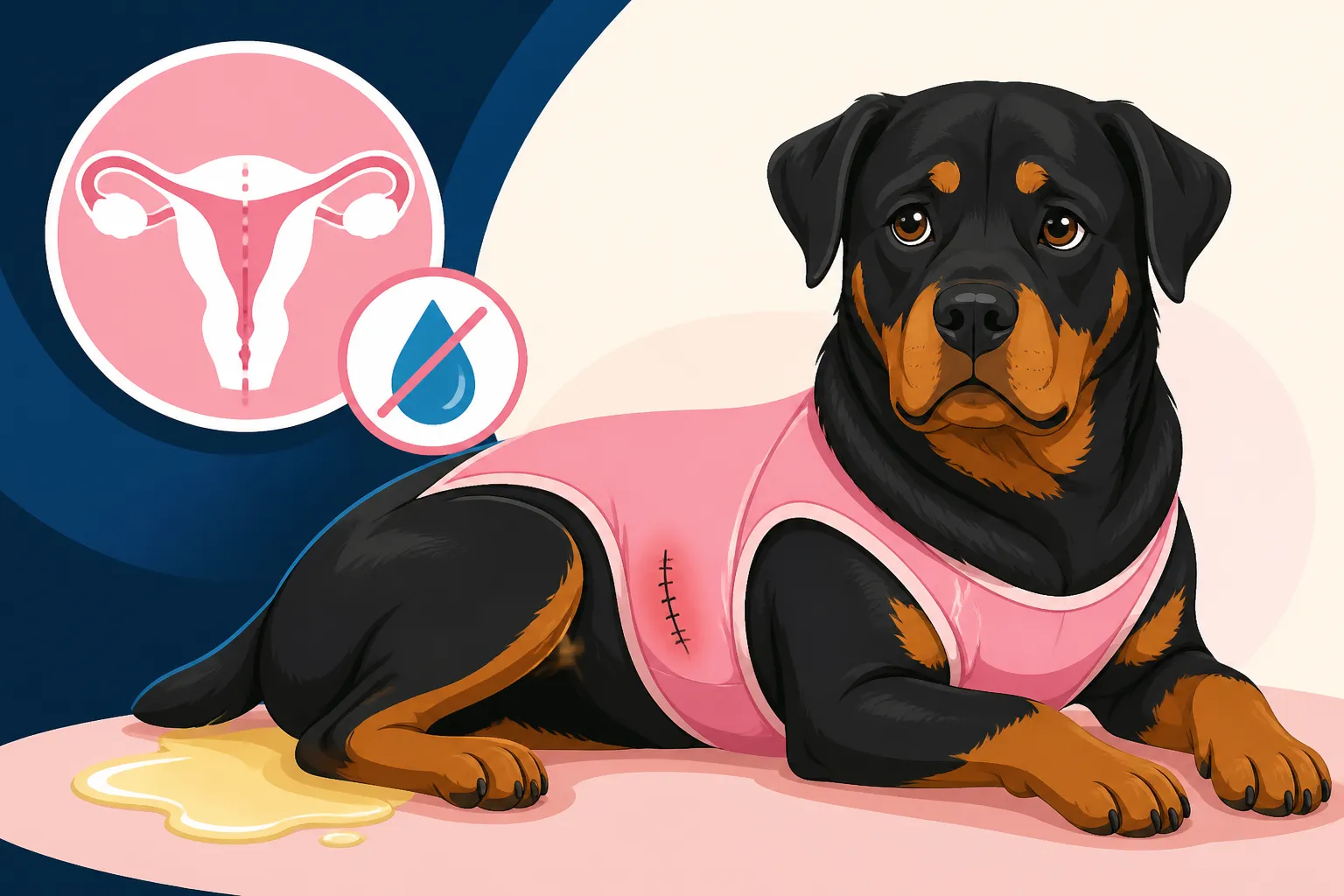
Urinary incontinence in spayed female dogs, often referred to as Spay Incontinence or Urethral Sphincter Mechanism Incompetence (USMI), is a condition where a dog involuntarily leaks urine. This isn't about lack of house-training or defiance; it's a physiological issue where the bladder's ability to hold urine is compromised, usually during periods of relaxation or sleep. For us Rottweiler owners, whose dogs are often calm and cuddly housemates, finding these wet spots can be particularly perplexing.
What Causes Spay Incontinence?
The primary culprit behind post-spay incontinence is often the sudden drop in estrogen levels after the ovaries are removed during spaying. Estrogen plays a crucial role in maintaining the strength and tone of the urethral sphincter – the muscular ring that keeps urine inside the bladder until your dog is ready to go. Without adequate estrogen, this sphincter can weaken, leading to urine leakage. Think of it like a leaky faucet that just can't quite turn all the way off anymore.
While estrogen deficiency is the most common cause, it's worth noting that other factors can contribute. The sheer size and weight of a Rottweiler can put more pressure on the bladder and urethra over time, potentially exacerbating any underlying weakness. Sometimes, the position of the bladder or parts of the urethra can also be a factor, although this is less common than the hormonal influence. It's a complex interplay, and for our big, powerful girls, that extra body mass can certainly play a role in how noticeable and frequent the leaks become.
When Does It Typically Occur?
One of the most frustrating aspects for owners is that spay incontinence doesn't usually happen immediately after surgery. Instead, it often manifests months, or even years, down the line. We're talking about a window anywhere from a few months to five or more years post-spay. This delay can make it harder to connect the dots back to the spay procedure, leading many owners to initially suspect a urinary tract infection or simply an "accident."
While it can affect any spayed female, larger breeds, and particularly Rottweilers, tend to be more predisposed. This might be due to a combination of their body structure and weight, as well as potential genetic influences on hormone receptors. The average age of onset often falls when a Rottweiler is approaching middle age or becoming a senior, around five to seven years old, but it can absolutely appear earlier. If you're considering Senior Rottweiler Care After the Age of Seven, it's a topic that will likely come up with your vet, if it hasn't already.
Diagnosing the Drips: Ruling Out Other Concerns
When you first notice your Rottweiler leaking urine, your mind probably jumps to the worst-case scenarios, or perhaps you just wonder if she’s suddenly forgotten her house manners. The most important first step is to visit your veterinarian to get a clear diagnosis and rule out other, potentially more serious, health issues. This isn't just about identifying incontinence; it's about ensuring her overall health.
Spotting the Subtle Leaks
Sometimes, the signs are obvious: a large puddle on the kitchen floor overnight, despite being let out before bed. Other times, they can be much more subtle. You might notice dampness on her bedding that wasn’t there before, or a constant wetness on her hindquarters that leads to skin irritation. Your Rottweiler might also lick herself excessively around her vulva, trying to keep clean. During deeper sleep, the muscle tone relaxes even further, making leakage more likely. This is why many owners discover the issue after their dog wakes up from a nap or a long night's sleep. Keep an eye out for these clues; they are critical pieces of information for your vet.
It’s easy to dismiss a small wet spot as a one-off, especially if your dog is usually perfectly house-trained. But if it happens more than once, it's definitely worth investigating. Remember, this isn't a behavioral issue; it's a medical one. If you notice your dog drinking significantly more water than usual, that’s another red flag, as increased water intake can sometimes lead to more frequent urination and make leaks harder to control, though it might also point to a different underlying condition.
Ruling Out Other Issues
Before confirming post-spay incontinence, your vet will perform a thorough examination and likely recommend some diagnostic tests to rule out other common causes of urinary leakage. The primary test will be a urinalysis, which checks for urinary tract infections (UTIs), crystals, or other abnormalities. A bacterial infection is incredibly common and often mimics incontinence, so it's always the first thing to check.
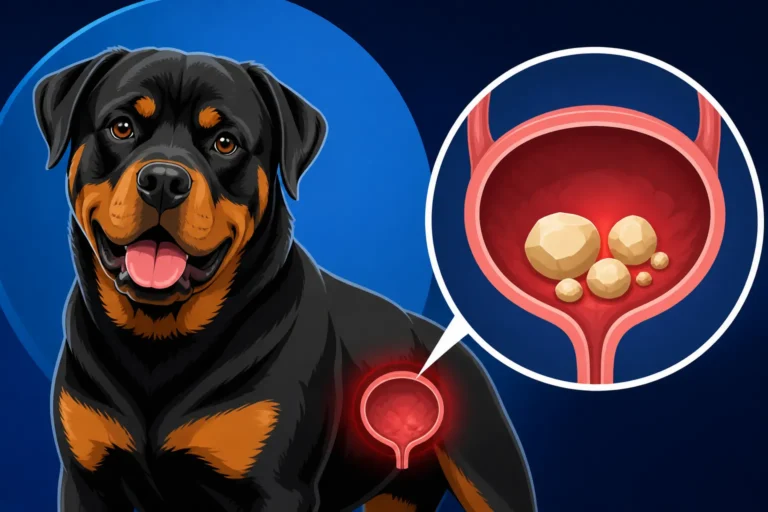
Your vet might also suggest blood work to assess kidney function, as kidney disease can lead to increased thirst and urination. Kidney Values Worth Watching in a Rottweiler can give insights into her overall renal health. X-rays or ultrasound may be used to check for bladder stones or anatomical abnormalities that could be causing the leakage. Bladder Stones in a Rottweiler are a painful condition that also causes frequent, sometimes uncontrolled, urination. Once these other possibilities are definitively ruled out, your vet can confidently diagnose hormonal urinary incontinence. This systematic approach ensures your Rottweiler gets the correct treatment from the start.
Managing the Leaks: Treatment Pathways
Once your vet has confirmed that your Rottweiler is suffering from post-spay incontinence, you'll be relieved to know that there are several effective treatment options available. The goal is to strengthen that urethral sphincter and give your girl back her bladder control, significantly improving her quality of life and yours.
Medical Management with Medications
The most common and often highly effective treatment involves medication designed to improve urethral sphincter tone. There are two main classes of drugs typically used:
-
Phenylpropanolamine (PPA): This medication is often the first line of defense. PPA is a sympathomimetic drug that works by stimulating the alpha-adrenergic receptors in the smooth muscle of the urethra, leading to increased tone and better closure of the sphincter. It's usually given orally, often two or three times a day. Many Rottweilers respond very well to PPA, with a significant reduction or complete cessation of leakage. Side effects are generally mild but can include restlessness, irritability, or elevated blood pressure in some dogs. Your vet will monitor her response and adjust the dosage as needed.
-
Diethylstilbestrol (DES): This is a synthetic estrogen compound. It directly replaces the estrogen that's missing after spaying, helping to restore the strength of the urethral sphincter. DES is typically given for a short loading period, then tapered to a very low maintenance dose, often just once or twice a week. Because it’s an estrogen, it’s highly effective, but it does carry a very rare risk of bone marrow suppression, which is why close monitoring by your vet is crucial, especially during the initial treatment phase. DES is often reserved for cases where PPA alone isn't sufficient or if a dog experiences unacceptable side effects from PPA.
Sometimes, vets might try a combination of both PPA and DES if one alone isn't providing full control. It often takes a little trial and error to find the right medication and dosage that works best for your individual Rottweiler.
Here's a quick overview of common medications:
| Medication | Type | Mechanism of Action | Common Administration | Potential Side Effects |
|---|---|---|---|---|
| Phenylpropanolamine (PPA) | Sympathomimetic | Increases urethral sphincter tone | Oral (2-3 times daily) | Restlessness, irritability, hypertension, loss of appetite |
| Diethylstilbestrol (DES) | Synthetic Estrogen | Replaces estrogen, improves sphincter muscle strength | Oral (loading then weekly) | Rare bone marrow suppression, swollen vulva, hair loss |
| Incurin (Estriol) | Natural Estrogen | Replaces estrogen, improves sphincter muscle strength | Oral (daily, then maintenance) | Similar to DES, generally well-tolerated |
Lifestyle Adjustments and Supportive Care
While medication is key, there are also practical steps you can take at home to help manage incontinence and keep your Rottweiler comfortable.
Firstly, ensure frequent potty breaks. If your Rottweiler is prone to leaking when resting, especially overnight, take her out right before bed and first thing in the morning. An extra potty break in the middle of the night might even be necessary for some dogs. Having easy access to the yard throughout the day can also reduce pressure on her bladder.
Consider investing in washable, absorbent bedding for her crate or sleeping areas. There are fantastic waterproof dog beds and covers available that can save your furniture and make clean-up a breeze. Doggy diapers or belly bands can be a lifesaver, especially indoors or when visiting friends, providing peace of mind and protecting your home. Just make sure to change them frequently to prevent skin irritation.
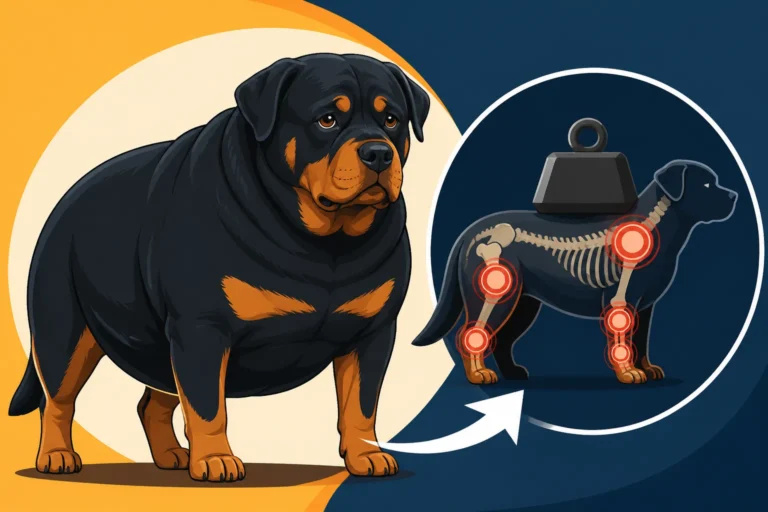
Maintaining a healthy weight is also incredibly important. Rottweiler Obesity and the Load It Adds can significantly worsen incontinence by putting additional strain on the bladder and pelvic floor muscles. Work with your vet to ensure your Rottweiler stays at an ideal body condition. Sometimes, diet changes or supplements, though not a cure for hormonal incontinence, can support overall urinary tract health, but always discuss these with your vet first.
Considering Alternative and Surgical Options
For the vast majority of Rottweilers, medical management with PPA or DES is highly effective. However, in a small percentage of cases where medication isn't enough or causes severe side effects, alternative or surgical options might be considered.
One less common medical approach is the use of injectable bulking agents, such as collagen, into the tissues surrounding the urethra. This aims to physically increase the resistance of the urethra to urine flow. This procedure requires general anesthesia and is typically performed by a veterinary specialist. Its effectiveness can vary, and repeat injections might be necessary over time.
Surgical intervention, while rare for primary spay incontinence, involves procedures like colposuspension or urethropexy, which aim to reposition the bladder or urethra to improve sphincter function. These are complex surgeries with varying success rates and are usually considered only as a last resort when all other medical and less invasive treatments have failed. The decision to pursue surgery involves significant consideration of the risks, recovery, and potential benefits, especially given the Anesthesia Risk for a Dog a Rottweiler's Size. Your specialist will discuss all pros and cons in detail if this becomes a consideration for your girl.
Living Comfortably with an Incontinent Rottweiler
Finding out your Rottweiler has incontinence can be a bit disheartening, but with proper management, it absolutely doesn't have to diminish her quality of life or your bond. Many dogs live full, happy lives with this condition, and you can too. It’s all about creating a supportive environment and staying on top of her care.
Managing the Home Environment
Dealing with urine leaks can be messy and, let's be honest, sometimes a bit smelly. Investing in waterproof covers for furniture, dog beds, and car seats is a game-changer. There are excellent, durable options specifically designed for large dogs that can withstand frequent washing. For flooring, enzymatic cleaners are your best friend. They break down the urine at a molecular level, eliminating odors and stains rather than just masking them, which discourages repeat accidents in the same spot. Brands like Rocco & Roxie or Nature's Miracle are often recommended.
Regular bathing for your Rottweiler, especially around her hindquarters, will also be important to prevent urine scalding and skin infections. Use a mild dog-specific shampoo and ensure she’s thoroughly dry afterward. Some owners find that having specific "incontinence zones" in the house, perhaps areas with easily washable rugs or tile floors, can simplify management. Remember, your Rottweiler isn't doing this on purpose, so patience and understanding are paramount in creating a calm, clean home for her.
The Importance of Ongoing Vet Care and Monitoring
Managing incontinence is an ongoing process, not a one-time fix. Regular check-ups with your veterinarian are essential. They will monitor the effectiveness of her medication, check for any side effects, and adjust dosages as needed. It's not uncommon for medication needs to change over time. What works perfectly for a year might need tweaking later on.
Your vet will also want to continue performing regular urinalyses to catch any secondary urinary tract infections early, as incontinent dogs can be more prone to them. These follow-up visits are also a great time to discuss any new concerns, such as changes in her drinking habits, appetite, or overall demeanor. Pet insurance, like a policy from a provider such as Healthy Paws, can be incredibly helpful in offsetting the costs of these ongoing medications and diagnostic tests, ensuring you can always provide the best care without financial stress. Knowing what your policy covers and more importantly, What a Rottweiler Policy Will Not Cover, can help manage expectations.
Planning for the Future and Pet Insurance
It's natural to worry about the long-term implications of a chronic condition like incontinence. The good news is that with consistent treatment, many Rottweilers maintain excellent control for years. However, chronic conditions do mean ongoing costs for medication and vet visits. This is where Rottweiler Pet Insurance and the $204 Average can really make a difference. Plans from companies like Healthy Paws can reimburse a significant percentage of eligible vet bills, turning a potentially large annual expense into a more manageable one.
When considering pet insurance, it’s important to enroll your Rottweiler before any symptoms of incontinence appear, as pre-existing conditions are typically not covered. If your dog already has a diagnosis, current plans won't cover it, but they can still provide coverage for other unexpected illnesses or accidents. Proactive planning helps ensure you’re financially prepared to give your Rottweiler the best possible care throughout her life, addressing all her needs, not just incontinence.
Disclaimer
This article is intended for informational purposes only and does not constitute medical advice. Always consult with a qualified veterinarian for any health concerns or before making any decisions about your Rottweiler's care or treatment.