Rottweiler Swallowing Trouble and Aspiration Risk
It's incredibly distressing to see your strong, vital Rottweiler struggle with something as fundamental as eating or drinking. When your big, powerful companion starts coughing or gagging after a meal, it’s not just alarming; it can signal a serious underlying issue that could lead to aspiration pneumonia, a dangerous condition where food or liquid enters the lungs. This guide will help you understand why Rottweilers can develop swallowing difficulties, recognize the critical signs, and know what steps to take to protect your beloved dog.
Understanding Swallowing Trouble in Rottweilers
Swallowing seems like a simple, automatic process, but it’s actually a complex coordinated effort involving many muscles and nerves in the mouth, throat, and esophagus. When any part of this system falters, your Rottweiler can experience dysphagia, or difficulty swallowing, which can quickly turn into a life-threatening aspiration risk.
Anatomical Considerations and Common Causes
Rottweilers, with their robust build and deep chests, might seem impervious to such issues, but they are not. While the fundamental anatomy is similar across dog breeds, certain conditions can manifest more acutely or have a higher prevalence in larger breeds.
One of the most concerning causes of swallowing trouble is megaesophagus, a condition where the esophagus (the tube that carries food from the mouth to the stomach) loses its muscle tone and dilates, becoming like a flaccid sack. Instead of actively pushing food downwards, it simply sits there. This can be idiopathic (meaning no known cause), or secondary to other diseases like myasthenia gravis (an autoimmune neuromuscular disease), Addison’s disease, or even certain toxins. A puppy might be born with a congenital form, sometimes due to a persistent vascular ring anomaly, where a blood vessel constricts the esophagus. In these cases, food can accumulate and easily be regurgitated or, worse, aspirated into the lungs.
Another significant issue, especially for an older Rottweiler, is laryngeal paralysis. The larynx, or voice box, contains folds that are supposed to open wide when your dog breathes and close tightly when they swallow, directing food and water into the esophagus. When these nerves and muscles weaken, the folds don't open or close properly. This results in both noisy breathing and an open pathway for food and water to slip into the windpipe, leading directly to aspiration. While it can occur suddenly, it often has a gradual onset, and owners might notice subtle changes long before a crisis, such as a change in their dog's bark. You might find yourself thinking, "Why has A Rottweiler Puppy Whose Bark Has Changed or my adult dog's bark become so raspy?" This could be an early indicator.
Beyond these, other structural problems like tumors in the throat or esophagus, or strictures (narrowing of the esophagus, often from previous inflammation or injury) can physically obstruct the passage of food. Even a foreign body lodged in the throat can cause acute and severe swallowing distress.
Breed-Specific Predispositions and Risk Factors
For Rottweilers, one genetic condition stands out as a critical risk factor for swallowing difficulties: Juvenile Laryngeal Paralysis & Polyneuropathy (JLPP). This devastating inherited neurological disease primarily affects Rottweilers and is caused by a recessive gene. Dogs affected by JLPP suffer from progressive nerve degeneration, impacting motor functions throughout their body, including the nerves that control the larynx and the ability to swallow.
Understanding What JLPP Actually Does to a Rottweiler is vital for any Rottweiler owner. It's not just about a wobbly gait; the laryngeal paralysis component means the airway cannot close effectively during swallowing. This significantly elevates the risk of aspiration pneumonia. The signs often begin in puppies between 3 and 18 months of age, making it heartbreakingly evident how early this can impact them. Recognizing Early JLPP Signs in a Rottweiler Puppy can literally be a matter of life or death, allowing for supportive care and management.
Beyond specific diseases, general factors can also increase a Rottweiler's risk:
- Age: As Rottweilers enter their senior years, the risk of conditions like laryngeal paralysis increases significantly. Just like humans, older dogs can experience muscle weakness and neurological decline. This is why Senior Rottweiler Care After the Age of Seven often includes a heightened awareness of subtle changes in eating and breathing habits.
- Rapid Eating or Gulping: Some Rottweilers are enthusiastic eaters, practically inhaling their meals. While not a direct cause of swallowing disorders, rapid eating can exacerbate existing subtle swallowing difficulties or increase the chance of choking on food, which then can lead to aspiration if material enters the airway.
- Obesity: While not a direct cause, excess weight can worsen respiratory function and make any breathing or swallowing difficulty more challenging for the dog to manage.
The Dangers of Aspiration Pneumonia in Rottweilers
When swallowing goes wrong, the most feared consequence is aspiration pneumonia. It’s a terrifying experience for both you and your Rottweiler, and it demands immediate, decisive action.
How Aspiration Occurs and Its Immediate Impact
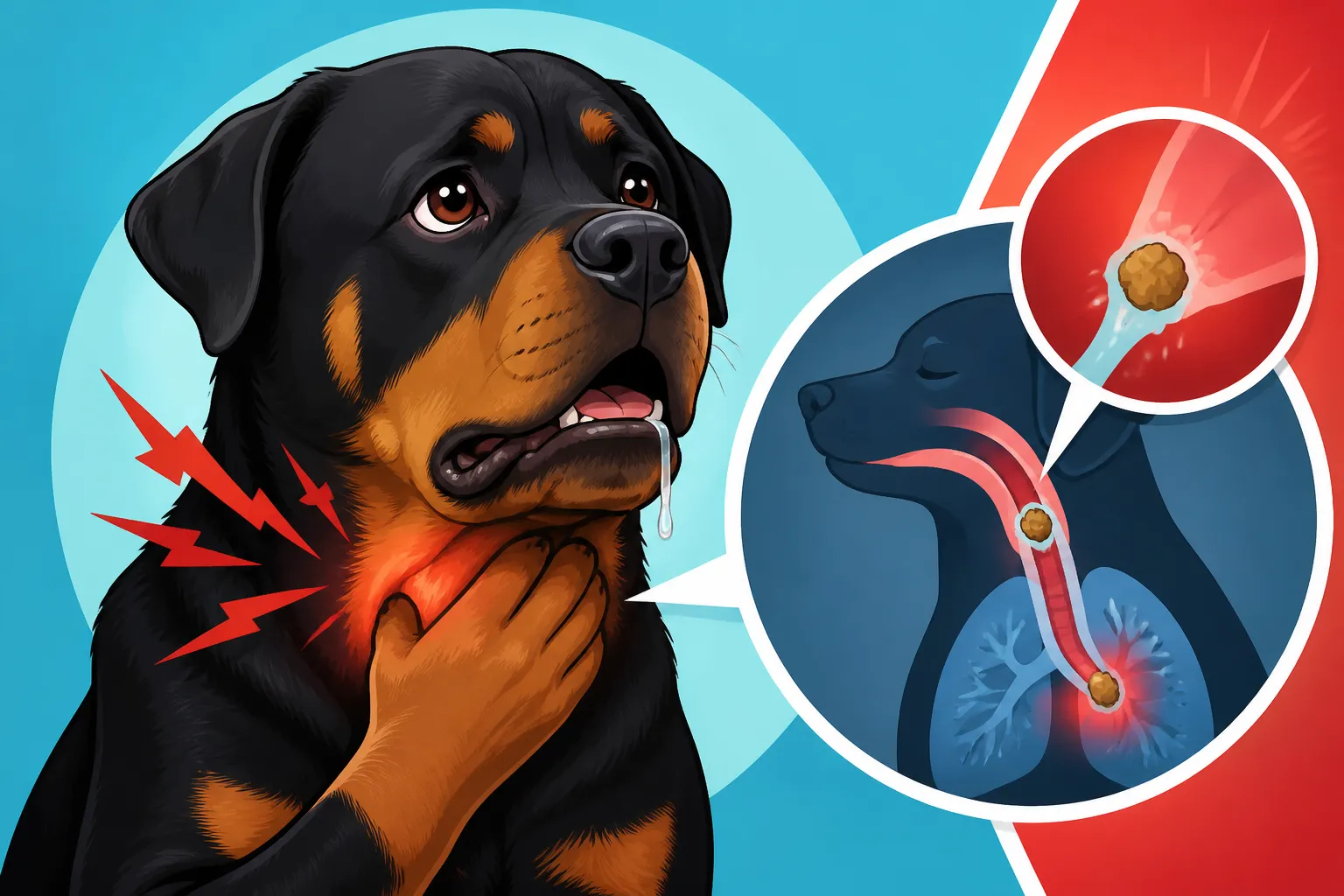
Aspiration is precisely what it sounds like: food, water, saliva, or even stomach contents (if regurgitated) accidentally gets "aspirated" or inhaled into the lungs instead of correctly passing down the esophagus to the stomach. Imagine trying to swallow water and having it "go down the wrong pipe" – it’s that sensation, amplified, and with potentially severe consequences.
When this happens, the immediate reaction from your Rottweiler might be intense coughing, gagging, retching, or gasping for air. Their body is instinctively trying to expel the foreign material. They might become distressed, panicky, or start showing signs of difficulty breathing, such as rapid, shallow breaths or an extended neck. The presence of foreign material irritates the sensitive lung tissue, and it's a direct pathway for bacteria, which are naturally present in the mouth and food, to enter the sterile environment of the lungs.
The Severity and Long-Term Consequences
Aspiration pneumonia is a serious, often life-threatening condition. Once bacteria colonize the lung tissue, a full-blown infection can quickly take hold. Your Rottweiler might develop:
- Fever: Their body temperature will rise as it fights the infection.
- Lethargy and Weakness: They’ll be listless, uninterested in play, and generally unwell.
- Loss of Appetite: They may refuse food, even their favorites, which is particularly concerning for a powerful breed that typically loves to eat.
- Persistent Cough: A wet, productive cough, sometimes bringing up phlegm.
- Rapid or Labored Breathing: Their chest might heave, and you might hear crackling or wheezing sounds as they breathe.
- Bluish Gums (Cyanosis): In severe cases, poor oxygen exchange in the lungs can lead to a lack of oxygen in the blood, causing gums to turn blue or purple. This is an absolute emergency.
The prognosis for aspiration pneumonia can vary from fair to very guarded, depending on the amount of material aspirated, the type of material, and how quickly treatment is initiated. It often requires hospitalization, intravenous antibiotics, oxygen therapy, and sometimes even nebulization or coupage to help clear the lungs. Repeat episodes of aspiration can lead to chronic lung damage, scarring, and a diminished quality of life. The lung tissue becomes more susceptible to future infections, creating a vicious cycle that is incredibly hard to break.
Recognizing the Signs and Seeking Help
The key to managing swallowing issues and preventing severe aspiration pneumonia in your Rottweiler is vigilant observation and quick action. You are your Rottweiler's best advocate, and recognizing subtle changes can make all the difference.
Key Symptoms to Watch For
It's not always obvious that your Rottweiler is having trouble swallowing. Sometimes the signs are subtle and easily missed, especially if they’re still managing to get some food down. Here’s what to keep a close eye on:
- Difficulty Swallowing (Dysphagia): This is the most direct sign. Your Rottweiler might chew their food excessively, make repeated attempts to swallow, stretch their neck out while eating, or drop food from their mouth. They might act hesitant to approach their food bowl or show discomfort during meals. Excessive drooling can also be a sign, as they struggle to manage saliva.
- Regurgitation: This is distinct from vomiting. Vomiting is an active process involving abdominal contractions, often preceded by heaving. Regurgitation, however, is passive. It's an effortless expulsion of undigested food, often soon after eating or drinking. The expelled material typically looks like the food your dog just ate, often in a tubular or conical shape if it came from the esophagus. If your Rottweiler frequently regurgitates, especially after meals, they are at high risk of aspirating that material.
- Coughing or Gagging During/After Eating or Drinking: Any coughing or gagging that occurs specifically around mealtime is a huge red flag. It suggests that food or water is entering the windpipe.
- Nasal Discharge of Food or Water: If food particles or water come out of your Rottweiler's nose after they eat or drink, it means the swallowing mechanism is severely compromised, and material is traveling up into the nasal passages instead of down the esophagus.
- Changes in Voice or Bark: As mentioned earlier, a hoarse, raspy, or completely lost bark can be a sign of laryngeal dysfunction. Since the larynx is crucial for closing off the airway during swallowing, this change should always warrant investigation.
- Signs of Pneumonia: If aspiration has already occurred, you might notice secondary signs of infection: lethargy, reduced appetite, fever, rapid breathing, an increased effort to breathe, or a wet cough.
When to Call the Vet and What to Expect
If you observe any of these symptoms in your Rottweiler, especially coughing or gagging during meals, or signs of respiratory distress, do not delay. This is an emergency. Waiting can allow aspiration pneumonia to become severe or even fatal. Your first call should always be to your veterinarian or an emergency animal clinic. Remember, The First Call When a Rottweiler Swallows Something can be the most critical step in saving their life.
When you get to the vet, they will perform a thorough physical exam, paying close attention to your Rottweiler's breathing and lung sounds. They'll likely also perform:
- Neurological Exam: To check for nerve deficits that might indicate conditions like JLPP or myasthenia gravis.
- Chest X-rays: These are crucial for diagnosing aspiration pneumonia, as they can show characteristic patterns of inflammation and fluid in the lungs. They can also reveal a dilated esophagus (megaesophagus).
- Blood Tests: To check for underlying systemic diseases, infection markers, and overall organ function.
- Barium Swallow Study: Your Rottweiler will ingest a liquid containing barium, which shows up on X-rays. This allows the vet to observe the swallowing process in real-time and identify issues like megaesophagus, strictures, or foreign bodies.
- Endoscopy or Bronchoscopy: In some cases, a small camera might be used to visualize the esophagus or airways directly, looking for masses, foreign bodies, or laryngeal paralysis.
- JLPP DNA Test: If your Rottweiler is a puppy showing signs consistent with JLPP, a DNA test can confirm the diagnosis.
Be prepared to provide your vet with a detailed history, including when you first noticed symptoms, what your Rottweiler eats, and any other relevant health information. Having pet insurance like Healthy Paws can be incredibly beneficial here, as diagnostic workups and emergency treatments for these conditions can quickly become expensive.
Management and Prevention Strategies
Dealing with a Rottweiler that has swallowing difficulties or has suffered aspiration pneumonia requires a multi-faceted approach, often involving dietary changes, medical management, and diligent owner care. The goal is always to minimize aspiration risk and maximize your dog's quality of life.
Dietary Adjustments and Feeding Techniques
One of the most immediate and impactful changes you can make is to how and what your Rottweiler eats:
- Elevated Food Bowls: For dogs with megaesophagus or laryngeal paralysis, gravity is your friend. Feeding them from an elevated bowl can help food move down the esophagus more easily. Some severe cases might require a "Bailey Chair," which holds the dog in an upright, sitting position during and after meals, ensuring gravity works maximally.
- Food Consistency: This is critical. Dry kibble is often the hardest to manage. Consider pureeing or blending their food into a gruel or slurry, or forming it into small, soft meatballs that are easier to swallow. Experiment to find the consistency that your individual Rottweiler handles best. If your dog is struggling, avoid thin liquids like water unless specifically advised by your vet; thickened liquids or ice chips might be safer.
- Small, Frequent Meals: Instead of one or two large meals, break your Rottweiler's daily ration into three to five smaller meals. This reduces the volume of food in the esophagus at any one time, making it less likely to be regurgitated or aspirated. When you're considering Feeding an Adult Rottweiler at a Hundred Twenty Pounds, remember that quantity and frequency can be adjusted based on their health needs.
- Rest Before and After Meals: Avoid vigorous exercise or excitement immediately before or after eating. Give your Rottweiler a calm, quiet environment for meals and keep them upright and calm for at least 20-30 minutes afterward to allow food to settle.
- Avoid Choking Hazards: Be extra cautious about treats or toys that could easily become lodged in your Rottweiler's throat. Hard bones, rawhides, or small, easily swallowed toys are a definite no-go. For a comprehensive list, review What a Rottweiler Should Never Be Fed.
Medical and Surgical Interventions
Addressing the underlying cause of the swallowing trouble is paramount.
- Treatment for Underlying Diseases: If megaesophagus is secondary to another condition like myasthenia gravis or Addison’s disease, treating that primary disease might resolve or significantly improve the swallowing issues.
- Medications for Aspiration Pneumonia: If aspiration pneumonia develops, your vet will prescribe a course of antibiotics, often broad-spectrum initially, to combat the bacterial infection. Bronchodilators might be used to help open airways, and supportive care like oxygen therapy will be given if needed.
- Surgery:
- Laryngeal Paralysis: A common surgical procedure is a "laryngeal tie-back" (unilateral arytenoid lateralization), where one side of the larynx is permanently sutured open. This improves breathing but can ironically increase aspiration risk if the closure mechanism is further compromised. It's a balance between breathing and swallowing, and careful post-operative management is essential.
- Strictures or Tumors: Surgical intervention may be necessary to remove tumors or dilate esophageal strictures.
- Foreign Bodies: Endoscopic retrieval or surgery may be required to remove lodged foreign objects.
These surgical procedures, especially for a large dog like a Rottweiler, are complex and expensive. They often involve significant Anesthesia Risk for a Dog a Rottweiler's Size and require dedicated post-operative care. This is where the financial safety net of pet insurance like Healthy Paws can truly be invaluable, allowing you to make medical decisions based on what’s best for your Rottweiler, not just your wallet.
Ongoing Monitoring and Owner Vigilance
Even after successful treatment or management strategies are in place, ongoing monitoring is essential:
- Regular Vet Check-ups: Maintain a schedule of regular veterinary visits, especially for senior Rottweilers or those with chronic conditions. Your vet can monitor their overall health, lung sounds, and discuss any changes you've observed.
- Observe Eating and Drinking Habits: Continue to pay close attention during meals. Are they still coughing? Drooling? Are they finishing their food without struggle? Any regression should prompt a call to your vet.
- Maintain a Healthy Weight: Keep your Rottweiler at a lean, healthy weight. Obesity adds strain to the respiratory system and can complicate recovery from any illness, including pneumonia.
- Pet Insurance: Having robust pet insurance coverage from providers like Healthy Paws is not just for emergencies; it provides ongoing peace of mind for managing chronic conditions, unexpected flare-ups, and the regular specialist visits that might be necessary. It ensures you can always provide the best possible care for your Rottweiler without the added stress of crushing veterinary bills.
| Feeding Strategy | Best For | How It Helps | Considerations |
|---|---|---|---|
| Elevated Bowls | Megaesophagus, Laryngeal Paralysis | Uses gravity to assist food transit. | Ensure comfortable height; may need a Bailey Chair for severe cases. |
| Pureed/Slurry Food | Severe Dysphagia, Aspiration Risk | Easier to swallow, less chance of choking on pieces. | Monitor hydration; may require specific blenders/food processors. |
| Meatballs (Soft) | Moderate Dysphagia, Reluctant Eaters | Encourages swallowing as a single bolus; palatable. | Must be small enough to swallow whole, soft enough to break down. |
| Small, Frequent Meals | All Swallowing Issues | Reduces volume of food in esophagus at one time, less regurgitation risk. | Requires more owner time; ensure total daily calories are met. |
| Rest Period | All Swallowing Issues | Allows food to clear esophagus before activity/lying down. | Keep calm for 20-30 minutes post-meal; avoid excitement. |
| Thickened Liquids | Water Aspiration Risk | Reduces likelihood of liquid entering trachea. | Specific thickening agents available from vets; avoid overly thick/choking hazards. |
Disclaimer
Please remember that this article provides general information and guidance. It is not a substitute for professional veterinary advice. If your Rottweiler is experiencing swallowing difficulties or showing signs of aspiration pneumonia, contact your veterinarian immediately for an accurate diagnosis and personalized treatment plan.