Exercise Limits for a Rottweiler With Heart Disease
It can be heartbreaking to watch your powerful, energetic Rottweiler, a breed known for its robust build and love for activity, begin to slow down due to a heart condition. Knowing how much exercise is safe for a Rottweiler with heart disease, without pushing them too far or letting them become lethargic, is a constant tightrope walk that leaves many owners feeling anxious and uncertain. This guide is here to walk you through understanding your Rottweiler's unique needs, setting safe boundaries, and ensuring they can still enjoy their lives to the fullest despite a cardiac diagnosis.
Understanding Heart Disease in Rottweilers and Its Impact
When you hear that your beloved Rottweiler has heart disease, it feels like a punch to the gut. These magnificent dogs are prone to certain cardiac conditions, and understanding what those are and how they affect your dog’s daily life, especially their exercise capacity, is the first step toward managing their health effectively. It's a journey no one expects, but one you can navigate with knowledge and careful attention.
Common Heart Conditions Affecting Rottweilers
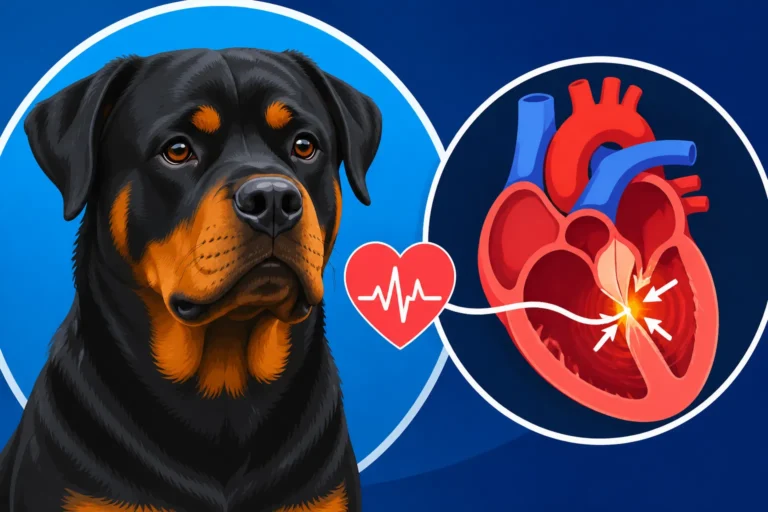
Rottweilers are predisposed to a couple of significant heart conditions that can dramatically alter their quality of life if not managed. One of the most common and serious is Subaortic Stenosis (SAS). This is a congenital condition, meaning they're born with it, where a narrowing occurs just below the aortic valve. This forces the heart to work much harder to pump blood to the body, straining the muscle over time. You might hear a vet detect a heart murmur in a Rottweiler puppy, which can be the first sign of SAS, prompting further investigation.
Another serious concern for Rottweilers is Dilated Cardiomyopathy (DCM). Unlike SAS, DCM is typically acquired, often appearing in middle-aged or senior dogs, though genetic components are also at play. With DCM, the heart muscle becomes thin and weak, and the chambers enlarge, making it inefficient at pumping blood. This leads to a build-up of fluid, often in the lungs, and a general decline in the heart's ability to function. Both conditions can significantly limit a dog's ability to exert themselves without risking serious complications.
How Heart Disease Affects Exercise Capacity
Imagine trying to run a marathon with a weak or obstructed pump circulating blood through your system; it's simply not possible, and pushing it would be dangerous. That's essentially what happens with a Rottweiler suffering from heart disease. Their heart can't supply enough oxygenated blood to their muscles, especially during physical activity. In cases of SAS, the heart struggles against the obstruction, and overexertion can lead to arrhythmias or even sudden cardiac death. For dogs with DCM, the weakened muscle can't keep up with increased demand, leading to fatigue, shortness of breath, and potential collapse.
This reduced capacity means that the normal, vigorous play sessions or long hikes that a healthy Rottweiler thrives on become risky, or even impossible. Owners often notice their dog tires more easily, lags behind on walks, or starts coughing during or after mild exercise. It's a difficult adjustment, not just for the dog, but for the owner who has to redefine what "normal" activity looks like. The goal becomes finding that delicate balance between enough activity to maintain muscle tone and mental well-being, and not so much that it causes distress or danger.
Assessing Your Rottweiler's Exercise Tolerance
Once you have a diagnosis, the next crucial step is to understand what your individual Rottweiler can handle. Heart disease isn't a one-size-fits-all condition; its severity varies greatly from dog to dog, and so does the appropriate exercise regimen. This isn't something you can guess at; it requires close collaboration with veterinary professionals and careful observation of your dog.
The Role of Your Veterinarian and Cardiologist
Your primary veterinarian is your first point of contact, but for heart disease, a board-certified veterinary cardiologist becomes an invaluable partner. They specialize in diagnosing and managing heart conditions, using advanced tools like echocardiograms to assess heart structure and function. An echocardiogram, often recommended around two years old for breeds like Rottweilers, provides a detailed look at the heart's chambers, valves, and blood flow, giving a clear picture of the disease's severity. This is vital for tailoring an exercise plan.
The cardiologist will assign a specific stage to your Rottweiler's heart disease (e.g., ACVIM stages A, B1, B2, C, D for conditions like DCM). This staging is critical because it directly influences recommended activity levels and medication protocols. They will provide specific guidelines, which might range from "normal activity as tolerated" for early stages to "strictly confined to short leash walks" for more advanced cases. It's important to ask direct questions: "How much walking is too much?" "Can they still play fetch gently?" "What signs should make me stop an activity immediately?" They might even recommend repeat evaluations, like an annual echocardiogram, to monitor progression and adjust exercise limits as needed. When you consider the specialist care and ongoing medication, having pet insurance from a provider like Healthy Paws can truly help manage the financial strain, allowing you to focus on your Rottweiler's health.
Observing Your Rottweiler's Body Language
Even with expert guidance, you are your Rottweiler's most important observer. They can't tell you they're feeling winded or that their chest hurts, so you need to become fluent in their subtle cues. Before, during, and after any activity, pay close attention to changes in their breathing, energy levels, and overall demeanor.
Signs your Rottweiler might be overexerting themselves include:
- Increased respiratory rate or effort: More panting than usual for the level of activity, or rapid, shallow breathing even at rest.
- Persistent coughing or gagging: Especially if it’s a wet, productive cough, which can indicate fluid buildup in the lungs (a sign of congestive heart failure).
- Fatigue or reluctance to move: Lying down during a walk, slowing significantly, or not wanting to get up for their usual activities.
- Weakness or stumbling: Losing coordination or appearing unsteady on their feet.
- Blue or pale gums: A critical sign of oxygen deprivation, requiring immediate veterinary attention.
- Collapse or fainting: A sudden episode where your Rottweiler drops, which is a severe emergency. A Rottweiler that collapses suddenly during play needs urgent medical evaluation.
Keep a mental log or even a physical journal of your dog's activity levels and their corresponding reactions. If a certain duration or intensity of walk consistently leaves them exhausted or coughing, it's a clear signal to scale back. Conversely, if they handle a particular activity well and seem eager for more, you might have found their sweet spot. This continuous assessment is vital because heart disease can progress, and what was safe last month might be too much today.
Safe Exercise Strategies for Heart-Compromised Rottweilers
Once you have a clear understanding of your Rottweiler's condition and individual tolerance, the next step is to implement a safe and effective exercise plan. This isn't about eliminating activity entirely, but rather about thoughtful modification to support their heart health and overall well-being.
Tailoring Activity Levels to Severity
The key to safe exercise is customization based on your Rottweiler's specific diagnosis and the stage of their heart disease. For Rottweilers in very early stages (e.g., B1 SAS), your cardiologist might still advise relatively normal activity, carefully monitored. This could mean continuing with their usual walks but perhaps avoiding intense sprints or prolonged high-energy play. The emphasis here is on "as tolerated," meaning you pay close attention to any signs of distress and scale back if needed.
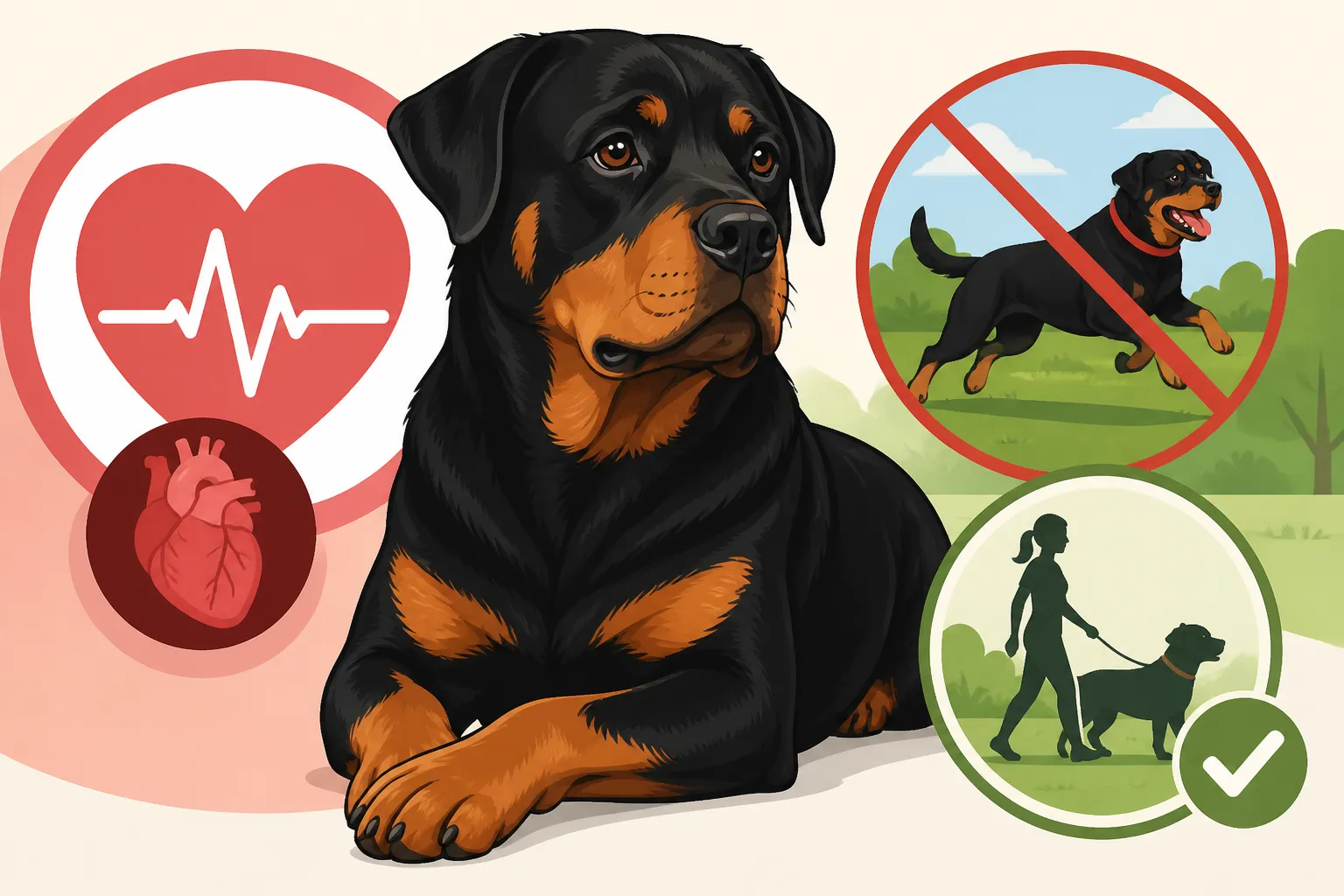
As the disease progresses, or for conditions like more advanced DCM, activity levels become more restricted. Instead of a mile-long jog, you might be looking at two or three short, leisurely leash walks throughout the day. Think of it as controlled movement rather than strenuous exercise. For instance, a quick 10-15 minute stroll around the block where they can sniff and explore might be perfect, while a trip to the dog park with uncontrolled running would be out of the question. Avoid situations that cause extreme excitement or overexertion. This means no vigorous games of fetch that send them careening across the yard, and certainly no activities that involve jumping or rapid changes in direction, which can put immense stress on the heart.
| Heart Disease Stage | Recommended Exercise Level | Important Considerations |
|---|---|---|
| Stage A | Normal activity | At-risk, but no structural disease. Maintain healthy weight, good diet. |
| Stage B1 | Mild to moderate activity | Structural disease present, no symptoms. Avoid strenuous bursts. Monitor closely. |
| Stage B2 | Mild activity, restricted | Structural disease present, significant enlargement, no symptoms. Short, frequent leash walks only. |
| Stage C | Very restricted activity | Past or current heart failure symptoms. Very short, slow leash walks, primarily for potty breaks. Avoid any exertion. |
| Stage D | Minimal activity | End-stage heart failure. Minimal movement, only for essential needs. Focus on comfort. |
This table provides general guidelines. Always follow your veterinary cardiologist's specific recommendations for your individual Rottweiler.
Monitoring During and After Exercise
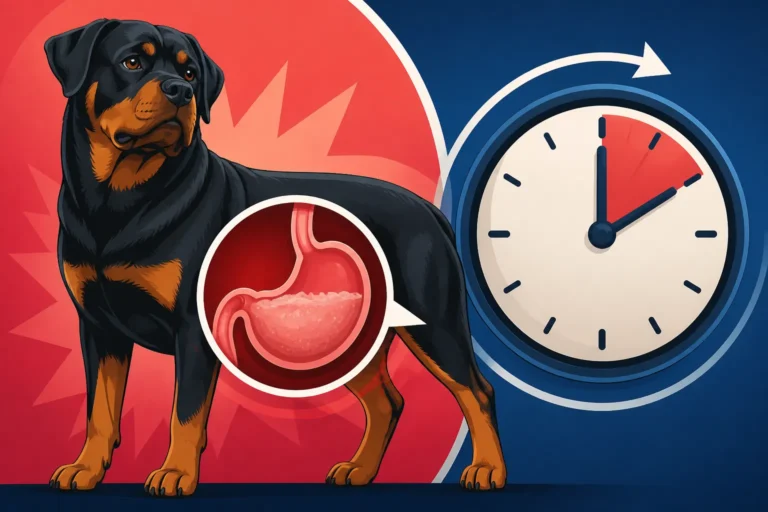
Even with a tailored plan, constant vigilance is paramount. Before you even head out, ensure your Rottweiler is hydrated and hasn't just eaten a large meal, especially if they are at risk for bloat. During the activity, watch for those early warning signs of overexertion: increased panting, lagging behind, or a change in gum color. If you notice any of these, stop immediately. It's always better to end an activity early than to push your dog too far.
After the walk or gentle play, observe their recovery. Do they settle down quickly, or are they still breathing heavily an hour later? Are they coughing? Do they seem unusually tired or weak? These post-activity signs are just as important as those during the event. Maintaining a healthy weight for your Rottweiler is also crucial, as obesity and the load it adds can significantly worsen heart disease, making even mild exercise more taxing. Your vet or cardiologist can help you fine-tune their diet and exercise to keep them at an ideal body condition. Remember, every day might be different; what they could handle yesterday, they might not manage today. Trust your instincts and your dog's signals.
Creative Ways to Provide Mental and Physical Stimulation
When physical exercise is limited, it’s easy for a large, intelligent breed like a Rottweiler to become bored and restless. This can lead to anxiety or destructive behaviors, which is the last thing you want when trying to keep them calm and comfortable. This is where mental stimulation becomes your best friend. Interactive puzzle toys, like those from KONG or Nina Ottosson, can keep their minds engaged and active without taxing their heart. Scent work, where you hide treats around the house or yard for them to find, is another fantastic low-impact activity that taps into their natural instincts.
Even gentle, indoor games can be beneficial. A slow game of "find the treat" under a blanket or a short session of practicing known commands for a tasty reward can provide mental enrichment and a tiny bit of physical movement. Remember to keep sessions short and sweet, ending before they show any signs of fatigue. For many owners, it can be a significant shift to move away from vigorous play, but these alternatives are vital for maintaining your Rottweiler's quality of life and preventing boredom from setting in.
Living with a Heart Condition: Long-Term Management and Care
A heart disease diagnosis for your Rottweiler means embracing a new normal. It’s not just about managing exercise; it’s about a holistic approach to their care, from medications to daily routines, all aimed at maximizing their comfort and lifespan.
Long-Term Management and Lifestyle Adjustments
Managing heart disease in a Rottweiler is often a lifelong commitment that involves consistent medication, dietary changes, and regular veterinary check-ups. Your cardiologist will likely prescribe medications to help the heart function more efficiently, manage fluid retention, or control arrhythmias. Consistency is absolutely key here – sticking to the exact dosage and schedule is crucial for the medication to be effective. If your Rottweiler is in heart failure, these medications become even more critical. Getting these prescriptions filled monthly can be costly, and this is where pet insurance, such as a plan from Healthy Paws, can significantly ease the financial burden.
Beyond medication, lifestyle adjustments are paramount. This includes a strict diet, often a low-sodium prescription food, to help manage fluid balance. Monitoring their weight is also vital; keeping them lean reduces the load on their heart. Creating a calm, predictable environment can also help, as stress and excitement can elevate heart rate and blood pressure, putting extra strain on an already compromised heart. For a senior Rottweiler, adapting their environment further with orthopedic beds and ramps to avoid stairs can make a huge difference in their comfort and prevent unnecessary exertion.
Recognizing Emergency Signs and When to Act
Even with the best management plan, a Rottweiler with heart disease can experience acute episodes or a worsening of their condition. It’s critical to know when something is truly an emergency that requires immediate veterinary attention. The first sign of heart muscle failure in a Rottweiler often involves increased respiratory effort.
Seek emergency veterinary care immediately if you observe:
- Difficulty breathing: This might look like labored breathing, excessive panting even at rest, extending their neck to breathe, or air hunger. Their abdomen might heave with each breath.
- Persistent, severe coughing or gagging: Especially if it's new, worsening, or associated with pink, frothy discharge, which indicates fluid in the lungs.
- Weakness, stumbling, or collapse: A sudden inability to stand or move, or disorientation.
- Pale or blue-tinged gums: This is a sign of severe lack of oxygen.
- Sudden lethargy or unresponsiveness: A significant drop in energy or awareness.
These signs indicate a crisis, often congestive heart failure, and every minute counts. Don't wait to see if it improves; contact your emergency veterinarian or drive to the nearest animal emergency hospital immediately. Being prepared for these emergencies, both emotionally and financially, can make a huge difference in the outcome for your beloved Rottweiler.
Disclaimer
The information provided in this guide is for general informational purposes only and does not constitute veterinary advice. Always consult with a qualified veterinarian or veterinary cardiologist for any health concerns or before making any decisions related to your Rottweiler's care, especially concerning heart disease and exercise. Individual circumstances can vary greatly.