Rottweiler Bloat Risk Rising With Age
Watching your beloved Rottweiler grow older is a bittersweet journey. You cherish every grey hair and slow, deliberate movement, but you also become acutely aware of the unique health challenges that can come with age. One of the most terrifying, and unfortunately, more common, threats to an aging Rottweiler is bloat, or Gastric Dilatation-Volvulus (GDV). This guide is here to shed light on why the risk of bloat tends to climb as your Rottie enters their senior years and what you can do to protect them.
Understanding Bloat in Older Rottweilers
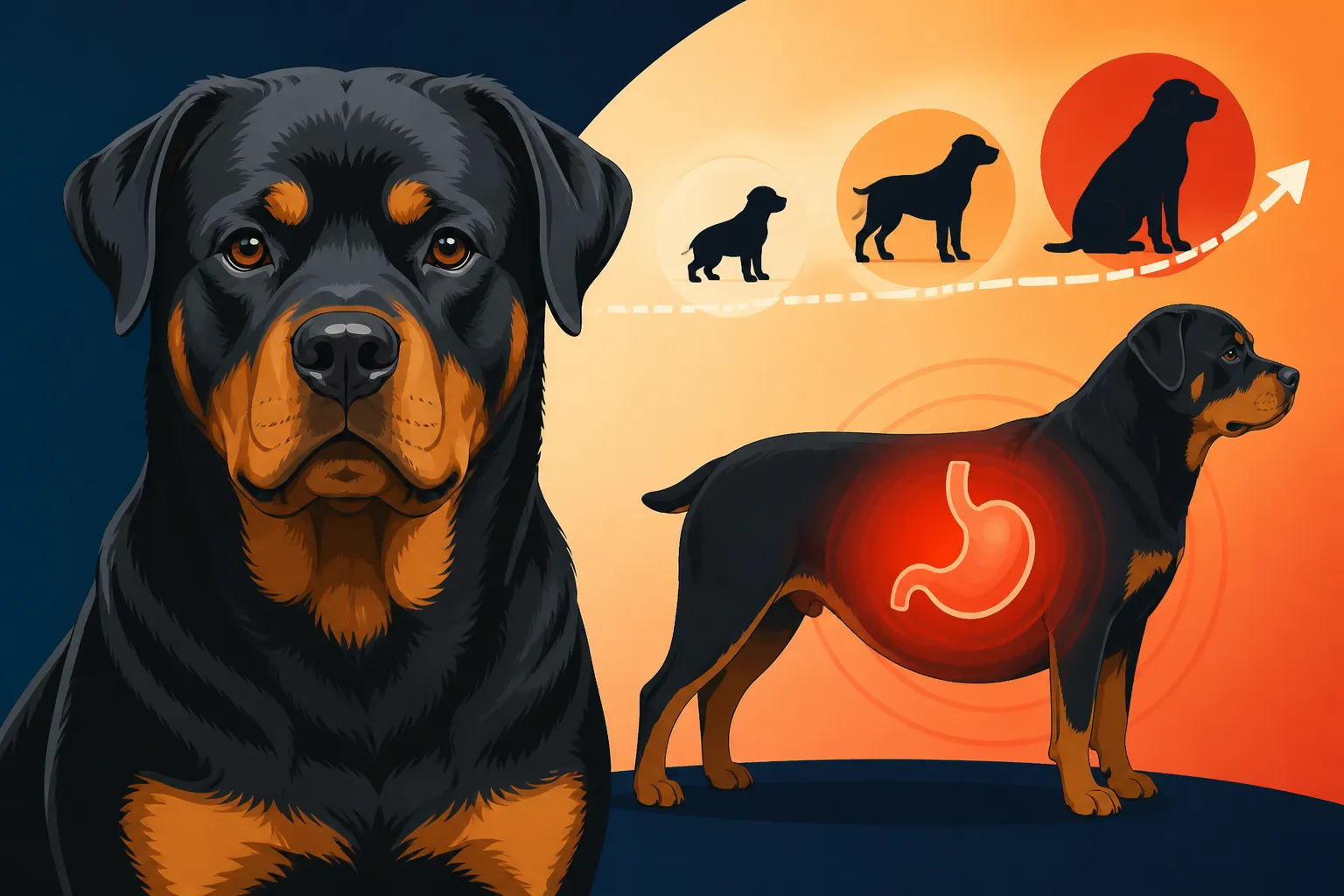
Bloat is a condition where a dog's stomach fills with gas, food, or fluid (dilatation) and then twists on its axis (volvulus). This twisting cuts off blood supply to the stomach and other organs, leading to a rapid, life-threatening emergency. While it can strike any deep-chested breed at any age, the risk undeniably increases as Rottweilers age. It's a cruel reality that the very dogs who have been our stoic, loyal companions for years suddenly become more vulnerable to this devastating condition.
Why Bloat Becomes a Greater Concern with Age
As Rottweilers mature and pass their prime, their bodies undergo subtle yet significant changes that can elevate the risk of bloat. One key factor is the natural weakening and increased laxity of the ligaments that hold the stomach in place within the abdominal cavity. Imagine those ligaments like the guy-wires on a tent; over time, with years of eating, digestion, and movement, they can stretch or become less taut. This gives the stomach more freedom to move, making it more prone to twisting if it becomes distended with gas or food.
Additionally, older dogs often experience changes in gut motility—how efficiently their digestive system moves food and gas through the intestines. A slower digestive process can lead to increased gas production and accumulation in the stomach. If this gas builds up and the ligaments are looser, the stage is set for a potential twist. It's not just about the stomach getting distended; it's about the combination of distension and the physical ability for that distended organ to rotate. These physiological shifts are a normal part of aging, but they underscore the need for heightened vigilance in our senior Rottweilers.
Recognizing the Subtle Signs in a Senior Rottweiler
Recognizing the signs of bloat in any Rottweiler is critical, but in a senior dog, these indicators can be even more subtle or easily mistaken for other age-related discomforts. A younger dog might be frantic, pacing relentlessly, and clearly distressed. An older Rottweiler, however, might just appear unusually quiet, withdrawn, or unwilling to move. They might not exhibit the dramatic signs like violent retching without producing anything, which is a classic bloat symptom. Instead, you might notice only a mild restlessness, a distant look in their eyes, or an unusual reluctance to lie down comfortably.
Keep an eye out for any signs of discomfort around their abdomen. They might stretch frequently, look at their flank, or refuse treats they normally adore. Drooling, especially if excessive, can be a more pronounced symptom, as can a distended abdomen. However, in larger, heavy-boned breeds like Rottweilers, abdominal distension might not be visibly obvious until the condition is quite advanced. This is why paying close attention to behavioral changes, no matter how small, is paramount. If you notice your dog making repeated, unproductive attempts to vomit, or experiencing excessive salivation, you need to act immediately, as these are strong indicators of bloat. Knowing the early warning signs of bloat in a Rottweiler can literally be the difference between life and death.
Factors Contributing to Bloat Risk in Aging Rottweilers
Beyond the physiological changes that come with age, several environmental and lifestyle factors can play a significant role in increasing a senior Rottweiler's susceptibility to bloat. These aren't necessarily new factors, but their impact can be magnified as a dog ages and their body becomes less resilient.
Dietary Considerations and Eating Habits
How and what your senior Rottweiler eats can directly influence their bloat risk. Rapid eating, for instance, causes a dog to gulp down air along with their food, leading to gas accumulation. This habit, if it developed earlier in life, can become more dangerous as the stomach ligaments weaken. Large, single meals are also a concern. When a significant volume of food and liquid is consumed, the stomach becomes very full and heavy, increasing the chance of it shifting and twisting. This is especially true for older dogs whose digestive systems might already be slowing down.
The type of food itself can also be a factor, though research on specific ingredients is ongoing and often contradictory. Some studies have suggested that diets containing certain ingredients like soy or those with higher fat content listed among the first four ingredients might be associated with higher risk. However, the most consistent advice centers around the manner of feeding rather than solely the food composition. Even the long-debated topic of raised feeding bowls comes into play. While many believe raised bowls aid digestion, some studies suggest they might actually increase bloat risk by encouraging faster eating and greater air ingestion, particularly in large breeds. If your senior Rottweiler struggles with arthritis or neck pain, a raised bowl might seem like a good idea for comfort, but it's essential to weigh that against the potential bloat risk and consult with your veterinarian. This is why it's so important to examine your current feeding rules that lower Rottweiler bloat risk and consider adjustments as your dog ages.
Lifestyle and Health Changes in Senior Years
The general slowing down that accompanies a Rottweiler's senior years can also contribute to bloat risk. Reduced activity levels mean less overall movement that might help gas pass through the digestive system naturally. A senior Rottweiler may not be as eager for walks or vigorous play, and while this is normal, it can mean a more sedentary lifestyle that affects gut health. Furthermore, underlying health conditions common in older dogs—such as arthritis, cognitive dysfunction, or even chronic pain—can lead to increased stress and anxiety. Stress is a known trigger for digestive issues, including bloat, in some dogs. A dog experiencing discomfort or anxiety might eat more quickly, gulp air, or have a more reactive digestive system.
Changes in routine, like a new family member, moving house, or even different daily feeding times, can also cause stress in an older dog less adaptable to change. This stress can impact their eating behavior and digestion. It's crucial to consider the holistic picture of your senior Rottweiler's health and environment. Everything from the frequency of their vet visits to the quietness of their eating area can play a role. Making sure your senior Rottweiler's needs are met, both physically and emotionally, can indirectly help in managing bloat risk. Regular check-ups are key to catching and managing these underlying conditions, ensuring a better quality of life and potentially reducing various health risks, including bloat.
Proactive Measures to Mitigate Bloat Risk for Senior Rottweilers
Taking a proactive stance is the most powerful tool you have against bloat in your aging Rottweiler. While you can't eliminate the risk entirely, you can significantly reduce the odds by implementing thoughtful changes in their care and daily routine.
Adjusting Feeding Routines and Diet
One of the most impactful changes you can make is to how and when your senior Rottweiler eats. Instead of one or two large meals a day, consider splitting a Rottweiler's ration into three small meals spread throughout the day. This reduces the sheer volume of food and gas in the stomach at any one time, making it less likely to distend excessively. Slow feeder bowls or puzzle feeders are excellent tools for fast eaters, forcing them to take their time and reducing air intake. You can also place a large, heavy object (like a bowling ball that they can't swallow) in their bowl to make them eat around it.
It's also crucial to control their activity levels around meal times. Avoid vigorous exercise, excitement, or even rough play for at least an hour before and two hours after meals. This "rest before and after a Rottweiler meal" rule is paramount. Think of a heavy stomach twisting during activity; limiting that activity minimizes the chance. While the specific brand of food is less important than how it's fed, ensuring a consistent, high-quality diet appropriate for large breed seniors is always a good practice. Sudden changes in diet can sometimes upset an older dog's stomach, leading to gas or digestive upset, so any changes should be made gradually over several days.
Considering Preventive Gastropexy
For many Rottweiler owners, especially those with an aging dog, preventive gastropexy is a serious consideration. Gastropexy is a surgical procedure where the stomach is permanently tacked or sutured to the abdominal wall. This prevents the stomach from twisting, even if it dilates with gas. While it doesn't prevent the stomach from filling with gas (dilatation), it does prevent the deadly twist (volvulus) that turns bloat into an immediate life-or-death emergency.
The decision to pursue preventive gastropexy is a personal one, but it can offer immense peace of mind. It's often recommended to consider gastropexy done during a Rottweiler spay or neuter when dogs are younger, but it is absolutely still a viable and highly recommended option for senior Rottweilers. If your older Rottie is already undergoing another abdominal surgery, such as for a tumor removal or a bladder issue, adding a gastropexy at the same time can be a very sensible choice, as they are already under anesthesia. Talk to your vet about whether preventive gastropexy is worth it for your senior dog, weighing their overall health and any other existing conditions. The cost of this preventive surgery is significantly less, both financially and emotionally, than the emergency surgery required when bloat has already occurred, which often involves an overnight stay and intense critical care. Many pet insurance plans, like those offered by Healthy Paws, may cover a portion of these costs, making preventive care more accessible.
Regular Vet Check-ups and Emergency Preparedness
Regular veterinary check-ups are crucial for senior Rottweilers. These visits allow your vet to monitor overall health, catch any subtle age-related issues early, and discuss proactive measures like bloat prevention. During these appointments, you can discuss your Rottweiler's specific risk factors, dietary needs, and any changes in behavior. Your vet can assess their body condition, listen to their heart and lungs, and perform blood work to ensure there are no underlying conditions that could exacerbate bloat risk.
Beyond routine care, being prepared for an emergency is non-negotiable. Know the emergency signs that send a Rottweiler in to the vet immediately. Have your emergency vet's number programmed into your phone, and know their exact location and hours. Discuss their emergency protocols with them before an emergency strikes. Time is critical with bloat; every minute counts. Having a clear plan can significantly improve the outcome. If you suspect bloat, do not wait to see if symptoms improve. Get your Rottweiler to an emergency veterinary clinic immediately. Having pet insurance, such as a plan from Healthy Paws, can also provide a crucial safety net for these unexpected and often very expensive emergency vet bills. Understanding Rottweiler end-of-life planning at nine and being prepared for emergencies like bloat allows you to focus on providing comfort and care, knowing you've done everything you can.
| Bloat Risk Factors & Actions for Senior Rottweilers | Consideration for Older Dogs | Recommended Action |
|---|---|---|
| Ligament Laxity | Natural weakening of stomach ligaments with age. | Consider preventive gastropexy. |
| Rapid Eating | Gulping air during meals. | Use slow feeder bowls, split meals. |
| Large Meals | Stomach distension from too much food at once. | Feed 2-3 smaller meals daily. |
| Post-Meal Activity | Movement can cause stomach to twist. | Enforce rest period 1-2 hours after eating. |
| Underlying Stress/Anxiety | Age-related discomfort or routine changes. | Maintain consistent routine, manage pain. |
| Reduced Gut Motility | Slower digestion, gas buildup. | Monitor stool, ensure adequate hydration. |
| Hydration After Meals | Excessive water intake after eating. | Offer water before meals, small amounts after. |
| Overall Health | Other health conditions can increase vulnerability. | Regular senior vet check-ups. |
Being a responsible Rottweiler owner means being aware of the unique health challenges your dog may face, especially as they age. While the thought of bloat is terrifying, knowledge is your best defense. By understanding why the risk increases with age, recognizing the signs, and implementing proactive strategies, you can significantly improve your senior Rottweiler's chances of living a long, happy, and bloat-free life.
Disclaimer
The information provided in this article is for educational purposes only and is not a substitute for professional veterinary advice. Always consult with a qualified veterinarian for any health concerns or before making any decisions about your Rottweiler's health or treatment.