Rottweiler Elbow Dysplasia and Front Leg Lameness
It's an awful feeling when you notice your strong, usually stoic Rottweiler showing even a hint of lameness, especially in those powerful front legs. You immediately worry about what it could be, knowing their size and propensity for joint issues. This guide will walk you through everything you need to know about elbow dysplasia, a common and often painful condition affecting Rottweilers, explaining its causes, how to spot the signs, and what steps you can take for diagnosis and management to ensure your beloved companion lives as comfortably as possible.
Understanding Rottweiler Elbow Dysplasia
Elbow dysplasia is a general term for several developmental abnormalities that can occur in the elbow joint of growing dogs, particularly large and rapidly growing breeds like our magnificent Rottweilers. It's not a single disease, but rather a collection of inherited conditions that lead to abnormal development of the elbow joint, causing pain, lameness, and ultimately, debilitating osteoarthritis. Imagine the complex machinery of a perfectly engineered joint; in dysplasia, some pieces just don't fit or develop correctly, leading to friction and damage over time.
What Exactly is Elbow Dysplasia
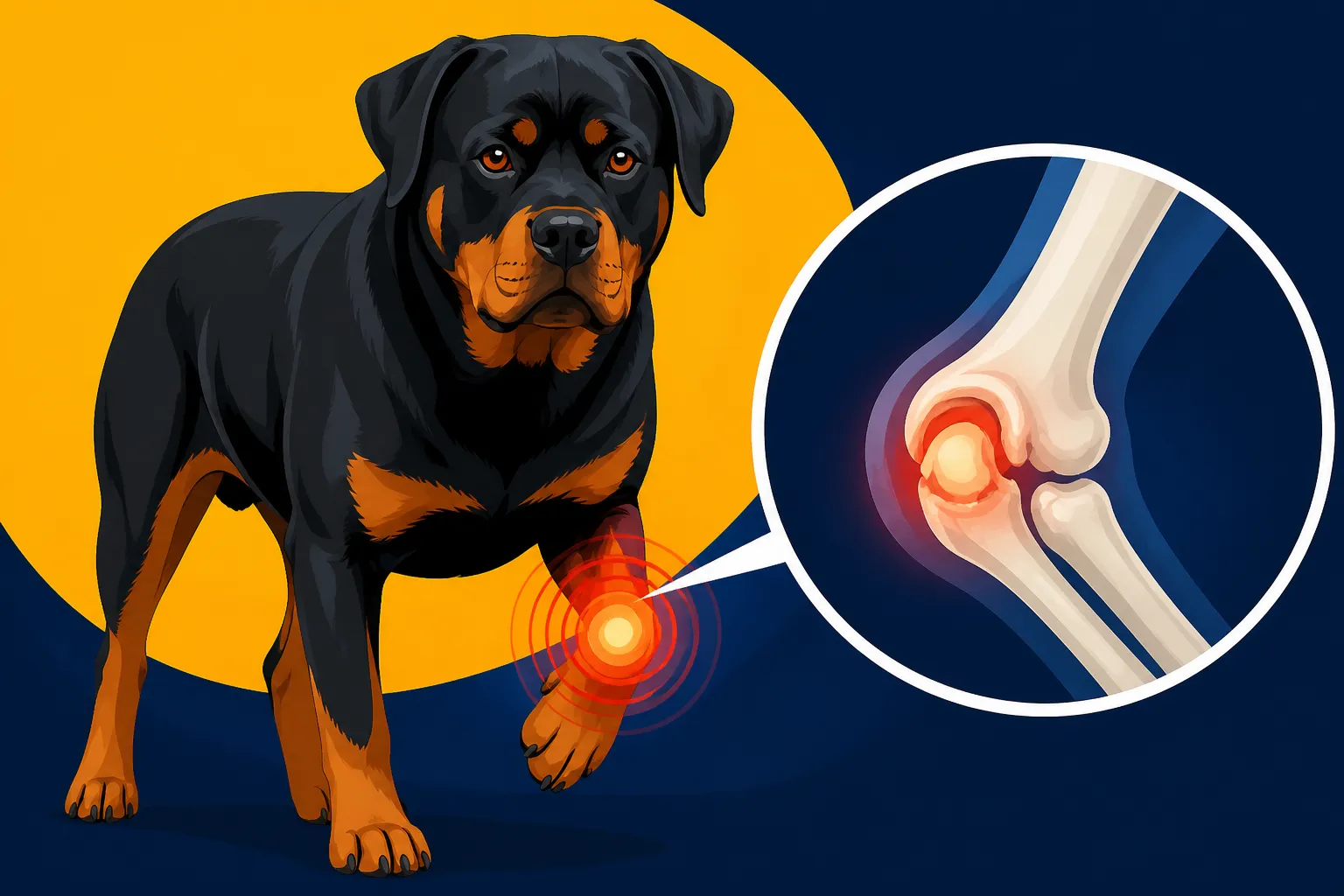
At its core, elbow dysplasia is a genetic condition, meaning it’s passed down from parents to offspring, but environmental factors like rapid growth, excessive exercise, and poor nutrition during puppyhood can certainly exacerbate its severity. The elbow joint itself is a marvel of biomechanics, formed by three bones: the humerus (upper arm bone), the radius, and the ulna (forearm bones). For a healthy joint, these three bones must fit together perfectly, allowing smooth rotation and flexion without any grinding or instability. In a dog with elbow dysplasia, one or more of these bones, or the cartilage protecting them, develops abnormally. This poor fit causes increased pressure and abnormal wear and tear within the joint, leading to inflammation, cartilage damage, and eventually the formation of bone spurs and irreversible degenerative joint disease – arthritis. It's a progressive condition, meaning it usually gets worse over time if not managed.
The Different Forms of Elbow Dysplasia
Elbow dysplasia isn't a singular issue; it encompasses several distinct abnormalities that can occur individually or in combination. Understanding these different forms helps in grasping the complexity of the condition and why diagnosis can sometimes be tricky.
One of the most common forms is Fragmented Medial Coronoid Process (FMCP). The coronoid process is a small bony projection on the ulna bone, which sits within the elbow joint. With FMCP, a piece of this process breaks off or fragments, irritating the joint lining and cartilage. This fragment acts like a pebble in your shoe, causing pain and inflammation every time the dog moves its elbow. Over time, the constant irritation leads to severe arthritic changes.
Another form is Ununited Anconeal Process (UAP). The anconeal process is another bony projection, crucial for stabilizing the elbow joint. In some Rottweilers, this process fails to fuse properly with the ulna during growth, remaining separate. This instability causes significant pain and predisposes the joint to rapid degeneration. This particular form can often present with more severe lameness from a younger age.
Osteochondritis Dissecans (OCD) is yet another component, though less frequent in the elbow than in other joints. This occurs when the cartilage that lines the ends of the bones in the joint doesn't properly turn into bone, leading to a thickened flap of cartilage that can detach and float freely within the joint. This flap causes inflammation and pain, much like the fragmented coronoid process. When this detachment happens, it's particularly painful and creates a direct pathway to rapid arthritis development.
Finally, Elbow Incongruity refers to an improper fit between the three bones of the elbow joint. This could be due to one bone being shorter or longer than it should be, or the joint surfaces not aligning correctly. Even a millimeter of misalignment can cause abnormal weight distribution and increased pressure on specific areas of the cartilage, accelerating the degenerative process. All these conditions ultimately lead to the painful, chronic state of arthritis that we see in affected adult Rottweilers.
Recognizing Front Leg Lameness in Your Rottweiler
Spotting elbow dysplasia can be challenging because Rottweilers, being stoic dogs, often mask pain, especially in the early stages. The lameness can be subtle at first, easily dismissed as a minor strain from rough play. However, understanding what to look for can make all the difference in getting an early diagnosis and improving your dog's long-term prognosis. Many owners describe a deep sense of frustration, knowing something isn't quite right but struggling to pinpoint it.
Early Signs and Subtle Changes
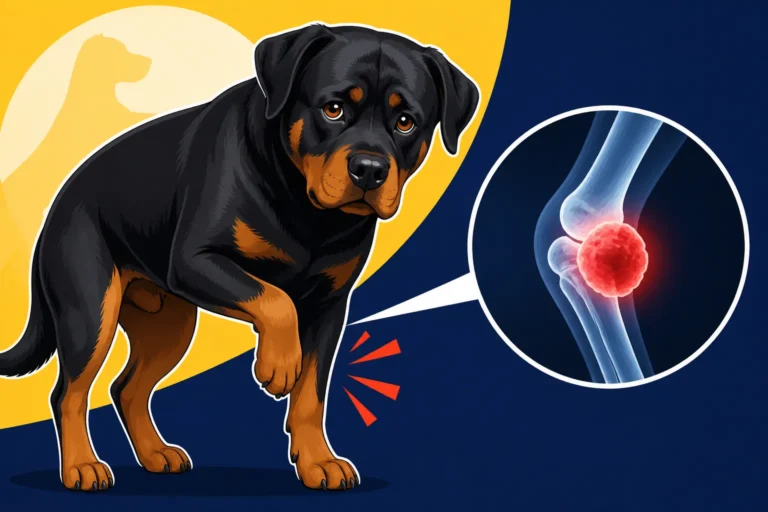
The first signs of elbow dysplasia typically manifest as a subtle lameness in one or both front legs, often appearing between 4 to 12 months of age, though it can sometimes show up earlier or later. You might notice your Rottweiler seems a bit stiff after getting up from a nap, especially in the morning. They might be reluctant to engage in activities they once loved, like chasing a ball or going for a long walk. Perhaps they're not jumping into the car with the same enthusiasm, or they might even hesitate before going up or down stairs.
A classic, though not always present, sign is what's called a "bunny hop" gait, where they try to reduce pressure on their front legs by moving both hind legs together. You might also observe them favoring a limb by shifting their weight to the healthier leg, even subtly, when standing. Their posture might look slightly off-kilter. When walking, the affected leg might swing out to the side in an arc, or they might take shorter strides with it. Pay close attention during and after exercise; a dog with early elbow pain might initially seem fine, but the lameness becomes more pronounced after a vigorous play session or a lengthy walk. If you try to feel their elbows, you might notice warmth, swelling, or even a clicking sound, though these are more advanced signs. Don't dismiss these early, fleeting signs; they are your Rottweiler's way of telling you something is amiss.
How Lameness Progresses Over Time
If left unaddressed, the initial subtle lameness will almost certainly progress. The intermittent stiffness after rest will become more consistent, and your Rottweiler might start showing clear, undeniable limping during routine activities. The once-brief periods of discomfort will lengthen, evolving into chronic pain. You'll observe significant changes in their behavior: perhaps they become irritable when touched around the shoulders or elbows, or they might spend more time resting and less time playing. They may become less interested in going outside or interacting with other dogs or family members.
As the condition worsens, the cartilage in the joint continues to degrade, and painful bone spurs (osteophytes) begin to form. This leads to reduced range of motion in the elbow, making it difficult for your Rottweiler to fully extend or flex its leg. You might even notice a visible change in their muscle mass, with the muscles in the affected limb starting to atrophy due to disuse, making the leg appear thinner. Conversely, the muscles in the unaffected leg, which is now bearing more weight, might become overdeveloped. This imbalance further strains the body and can lead to secondary issues in other joints or the spine. It's a vicious cycle where pain leads to disuse, which leads to muscle loss, which then exacerbates the joint instability and pain. This is why early detection and intervention are so crucial to breaking that cycle and preserving your dog's quality of life.
Diagnosis and Treatment Options
When you notice those worrying signs of front leg lameness in your Rottweiler, getting a prompt and accurate diagnosis is the first crucial step. The good news is that veterinary medicine has advanced significantly, offering various tools to understand the extent of the problem and a range of treatment options to help your dog. It can feel overwhelming, but your vet is your best partner in this journey.
The Diagnostic Process
The diagnostic process usually begins with a thorough physical examination by your veterinarian. They will meticulously palpate your Rottweiler's front legs, feeling for swelling, pain, warmth, and assessing the range of motion in the elbow joints. They'll also observe your dog's gait and posture. This initial exam provides valuable clues but cannot definitively diagnose elbow dysplasia.
The gold standard for diagnosis typically involves imaging. X-rays are the most common first step. Your vet will take specific views of the elbow joints, often with your dog sedated to ensure proper positioning and minimize discomfort. While X-rays can reveal changes associated with elbow dysplasia, such as bone spurs or abnormal joint spaces, some subtle forms of the disease, particularly early-stage cartilage lesions, might not be visible. This is a key reason why a clear initial X-ray doesn't always rule out the condition. To gain a more detailed understanding, especially for surgical planning, your vet might recommend advanced imaging techniques. A CT (Computed Tomography) scan provides a much more detailed 3D image of the bones and joint surfaces, making it excellent for identifying fragmented coronoid processes or UAP that might be missed on standard X-rays. For the most precise diagnosis, particularly of soft tissue and cartilage damage, arthroscopy can be performed. This minimally invasive surgical procedure involves inserting a tiny camera into the joint, allowing the veterinary surgeon to directly visualize the joint structures, remove fragments, and assess cartilage health. Each step builds a clearer picture, helping your vet tailor the most effective treatment plan.
Conservative Management Strategies
For many Rottweilers, especially those with milder forms of elbow dysplasia or those not suitable for surgery, conservative (non-surgical) management is the primary approach. The goal is to control pain, reduce inflammation, and slow the progression of arthritis. This requires a multi-faceted strategy and a commitment from you as the owner.
One of the most critical aspects is weight control. Excess weight puts tremendous strain on already compromised joints, accelerating degeneration and increasing pain. Working with your vet to maintain your Rottweiler at a lean, healthy weight is paramount. Even a few extra pounds can make a significant difference to their comfort and mobility. Alongside weight management, medication plays a vital role. Non-Steroidal Anti-Inflammatory Drugs (NSAIDs) are commonly prescribed to reduce pain and inflammation. These can offer significant relief, but they need to be used under veterinary guidance due to potential side effects.
Joint supplements containing ingredients like glucosamine, chondroitin, MSM, and Omega-3 fatty acids are also frequently recommended. While they don't cure the condition, they can help support cartilage health, reduce inflammation, and improve joint lubrication, potentially slowing down the arthritic process. Starting Joint Supplements Started Early in a Rottweiler can be beneficial even before clinical signs are severe. Furthermore, physical therapy is incredibly valuable. This might involve controlled exercise, therapeutic exercises to build muscle strength around the joint, hydrotherapy (swimming or underwater treadmill), and massage. A certified canine rehabilitation therapist can develop a personalized program to improve range of motion, strengthen supporting muscles, and reduce pain. These conservative strategies are not a quick fix, but a long-term commitment to managing the condition and improving your dog's comfort. Many pet insurance providers, such as Healthy Paws, offer coverage for these ongoing treatments, which can significantly ease the financial burden over your dog's Rottweiler Lifespan and the Eight to Ten Year Average.
Surgical Interventions and Recovery
When conservative management isn't enough, or if the specific form of elbow dysplasia warrants it, surgical intervention might be recommended. The type of surgery depends entirely on the underlying abnormality.
For conditions like Fragmented Medial Coronoid Process (FMCP) or Osteochondritis Dissecans (OCD), arthroscopic surgery is often performed. As mentioned, a small camera is inserted, allowing the surgeon to visualize the joint and remove the offending cartilage or bone fragments. This minimally invasive approach results in less pain and a quicker recovery than traditional open surgery. In cases of Ununited Anconeal Process (UAP), the ununited fragment might be removed, or in some instances, fixed back into place with screws. The decision to remove or fix depends on the size of the fragment and the chronicity of the condition.
More complex cases, or those with severe elbow incongruity, might require procedures like an osteotomy, where bones are cut and repositioned to improve joint alignment. In very severe, end-stage elbow dysplasia with debilitating arthritis, a total elbow replacement might be considered. This is a highly specialized procedure, less common than hip replacements, but it can offer a new lease on life for dogs suffering from extreme pain.
Recovery from elbow surgery is a dedicated process, often involving weeks of strict rest, followed by a gradual return to activity guided by physical therapy. This can be challenging, especially with a large, active breed like a Rottweiler. It's vital to follow your vet's instructions precisely to ensure the best possible outcome and prevent re-injury. Your vet will provide detailed post-operative care instructions, often including pain medication, cold therapy, and a strict leash-only exercise regimen for a period. Investing in physical therapy post-surgery is crucial for rebuilding muscle strength and regaining full range of motion. It's also worth noting that while surgery can alleviate pain and improve function, it doesn't "cure" the underlying genetic predisposition, and some degree of arthritis will always develop over time. Many pet insurance policies, including those from providers like Healthy Paws, can help cover the substantial costs associated with these specialized surgeries and the subsequent rehabilitation.
Living with a Rottweiler Affected by Elbow Dysplasia
Bringing a Rottweiler with elbow dysplasia into your life means committing to long-term care and proactive management. It's a marathon, not a sprint, but with dedication, you can ensure your beloved companion maintains a good quality of life despite their condition. You'll become an expert in subtle limps and pain indicators, a true advocate for their comfort.
Long-Term Care and Quality of Life
The long-term care for a Rottweiler with elbow dysplasia revolves around continuous management of pain and inflammation, supporting joint health, and making necessary lifestyle adjustments. Regular veterinary check-ups are essential to monitor the progression of the arthritis and adjust medication or treatment protocols as needed. Your vet might recommend periodic X-rays to assess the joint changes over time.
Beyond medication and supplements, there are many practical steps you can take at home. Providing orthopedic beds can offer better support and comfort, especially for their large, heavy frames. Using ramps for cars or elevated furniture can help reduce the strain on their elbows from jumping, as even a seemingly small jump can exert tremendous force on their joints. You should discourage activities that involve repetitive high-impact movements, such as jumping for frisbees or long-distance running on hard surfaces. Instead, focus on low-impact exercises like swimming or controlled leash walks.
Regular, gentle exercise is important to maintain muscle mass and joint flexibility, but always avoid over-exertion. Hydrotherapy, where available, can be incredibly beneficial. It allows for full range of motion without the impact of gravity. Maintaining a lean body weight, as discussed earlier, is paramount throughout their lives. This truly multiplies the load on its hips and elbows, even if they aren't showing signs. These proactive measures, combined with diligent observation for any changes in lameness or behavior, are key to ensuring your Rottweiler can enjoy their life to the fullest. Insurance coverage from providers like Healthy Paws often covers the lifelong costs associated with chronic conditions like elbow dysplasia, which can be a huge relief.
Prevention Strategies for Future Generations
While living with elbow dysplasia is manageable, prevention is always the best strategy. For Rottweilers, given the strong genetic component of this condition, responsible breeding practices are absolutely critical. As prospective puppy owners, your role in supporting ethical breeding is immense.
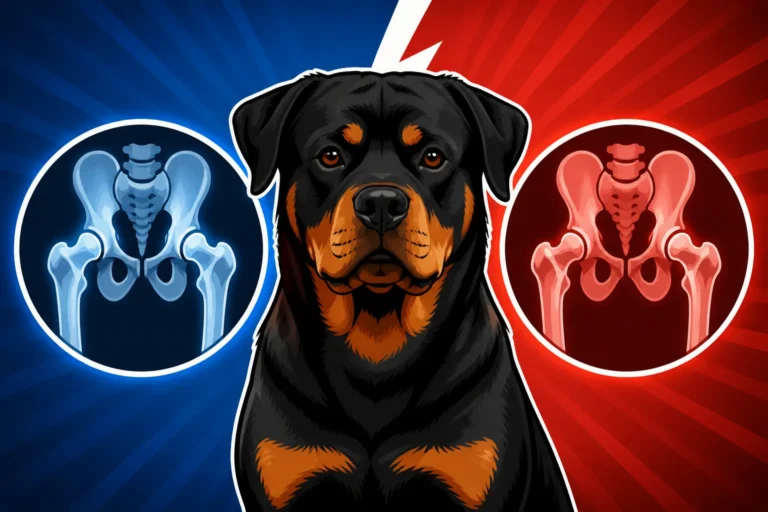
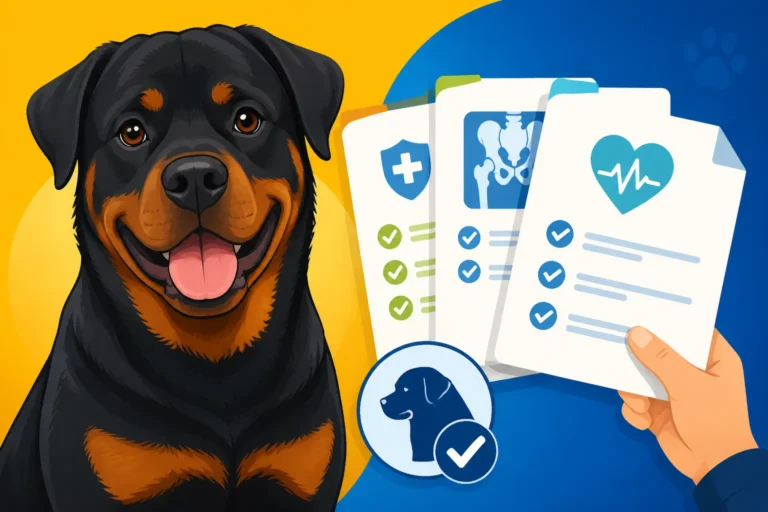
Firstly, always choose a breeder who performs comprehensive health screenings on both parent dogs. This includes official certifications for elbows, hips, and eyes. The Orthopedic Foundation for Animals (OFA) and PennHIP are two well-respected organizations that provide such clearances. For elbows, the OFA evaluates X-rays and assigns grades (Normal, Grade I, II, or III Dysplasia). Reputable breeders will only breed dogs with "Normal" elbow grades. Always ask to see the official paperwork for both parents, including their OFA numbers. A breeder who proudly displays "The Five Clearances a Rottweiler Breeder Must Have" is showing a commitment to the health of their lines.
Beyond elbow clearances, good breeders will also be mindful of Rottweiler Growth Plates and Why They Close So Late and provide guidance on appropriate puppy care. They understand that proper nutrition during puppyhood, specifically using a large-breed puppy formula that controls growth rate and calcium intake, is vital. You see, Why a Rottweiler Puppy Needs Large Breed Formula is critical because it helps prevent them from growing too quickly, which can exacerbate the genetic predisposition to joint issues. Over-nutrition and excessive calcium supplementation can actually contribute to developmental orthopedic diseases. Controlled exercise is also crucial during puppyhood. A growing Rottweiler puppy should not be taken on long jogs, allowed to jump excessively, or engage in strenuous activities that put undue stress on their developing joints. Remember the "five-minute rule" per month of age for walks. By selecting a puppy from health-tested parents and following responsible rearing practices, you significantly reduce the risk of your Rottweiler developing debilitating elbow dysplasia, giving them the best possible start to a healthy and active life.
| Elbow Dysplasia Grade (OFA) | Description | Breeding Recommendation | Clinical Signs |
|---|---|---|---|
| Normal | No evidence of elbow dysplasia. | Recommended for breeding. | No lameness attributable to elbow disease. |
| Grade I (Mild) | Minimal bone change, possible small osteophytes. | Not recommended for breeding. | May or may not show subtle lameness. |
| Grade II (Moderate) | Moderate bone changes, clear osteophytes. | Not recommended for breeding. | Intermittent to consistent lameness, stiffness. |
| Grade III (Severe) | Extensive bone changes, significant osteophytes, joint deformation. | Not recommended for breeding. | Obvious and persistent lameness, significant pain. |
Disclaimer
Please remember that the information provided in this article is intended for educational purposes only and should not be considered a substitute for professional veterinary advice. If you suspect your Rottweiler is experiencing lameness or any health issue, consult with your veterinarian immediately for an accurate diagnosis and personalized treatment plan.