Lymphoma in a Rottweiler and Its First Signs
It’s a crushing feeling when you notice something isn't quite right with your beloved Rottweiler. A sudden lump, a subtle change in energy, or just that nagging feeling that something is off. When it comes to a serious diagnosis like cancer, especially lymphoma, the unknown can be terrifying. This guide is here to walk you through understanding lymphoma in Rottweilers, how to spot those critical first signs, and what steps you can take to protect your furry family member.
Understanding Lymphoma in Rottweilers
Lymphoma is a cancer of the lymphocytes, which are a type of white blood cell crucial to the immune system. These cells are found throughout the body, including in the lymph nodes, spleen, liver, bone marrow, and gastrointestinal tract. Because lymphocytes are so widespread, lymphoma can appear almost anywhere in a Rottweiler's body, making it a particularly sneaky and aggressive disease. It's one of the most common cancers seen in dogs, and unfortunately, Rottweilers are among the breeds that can be predisposed to it, just like Golden Retrievers or Boxers.
Understanding Lymph Nodes and Their Role
To truly grasp lymphoma, it helps to understand what lymph nodes are and why they matter. Imagine your Rottweiler’s body has a network, much like roads and highways, that carries a fluid called lymph. This lymphatic system is a vital part of their immune defense, acting like a surveillance system, filtering out harmful substances and fighting infections. Along these "roads" are small, bean-shaped structures called lymph nodes. These nodes are essentially filtration stations, packed with lymphocytes, that swell up when they're fighting off an infection or, critically, when they're affected by cancer.
When lymphoma develops, these lymphocytes begin to grow uncontrollably within the lymph nodes or other lymphatic tissues. This unregulated growth leads to the enlargement of the nodes, which can sometimes be felt as firm, painless lumps under your Rottweiler’s skin. Because these nodes are so integral to the immune system, their dysfunction can quickly affect the entire body, leading to a cascade of other symptoms that are often vague but persistent. Knowing where these key nodes are located on your Rottweiler is crucial for early detection.
The Different Forms of Lymphoma
Lymphoma isn't just one disease; it's a diverse group of cancers, and they can manifest in several different ways in a Rottweiler. The most common form, accounting for about 80-85% of cases, is multicentric lymphoma, where the cancer primarily affects the peripheral lymph nodes. This is often the easiest to spot because you can physically feel the swollen glands. However, other forms exist that are much harder to detect without a vet's intervention.
Another common type is alimentary lymphoma, which affects the gastrointestinal tract, leading to symptoms like vomiting, diarrhea, and weight loss. This form can be tricky because these signs can mimic many other digestive issues, delaying diagnosis. Then there's mediastinal lymphoma, which targets the lymph nodes within the chest, potentially causing breathing difficulties or fluid accumulation. Less common but still serious are extranodal lymphomas, which can affect specific organs like the skin (cutaneous lymphoma), eyes, central nervous system, or even the bone marrow, each presenting with unique and sometimes confusing symptoms. Understanding these variations helps underscore why vigilance and a thorough veterinary examination are always necessary, regardless of where or how you first suspect something is amiss.
Recognizing the Early Signs of Lymphoma
The challenge with lymphoma, like many cancers, is that its early signs can be subtle and easily mistaken for other, less serious conditions. As devoted Rottweiler owners, we spend so much time with our dogs that we become attuned to their normal behavior, but even then, these changes can creep up slowly. It’s not always a dramatic event, but a gradual shift that might make you pause and think, "Is this new?" Being aware of these indicators is your first line of defense. Remember, Rottweilers are stoic by nature, so they may not show outward signs of discomfort until a disease has progressed significantly.
Swollen Lymph Nodes You Can Feel
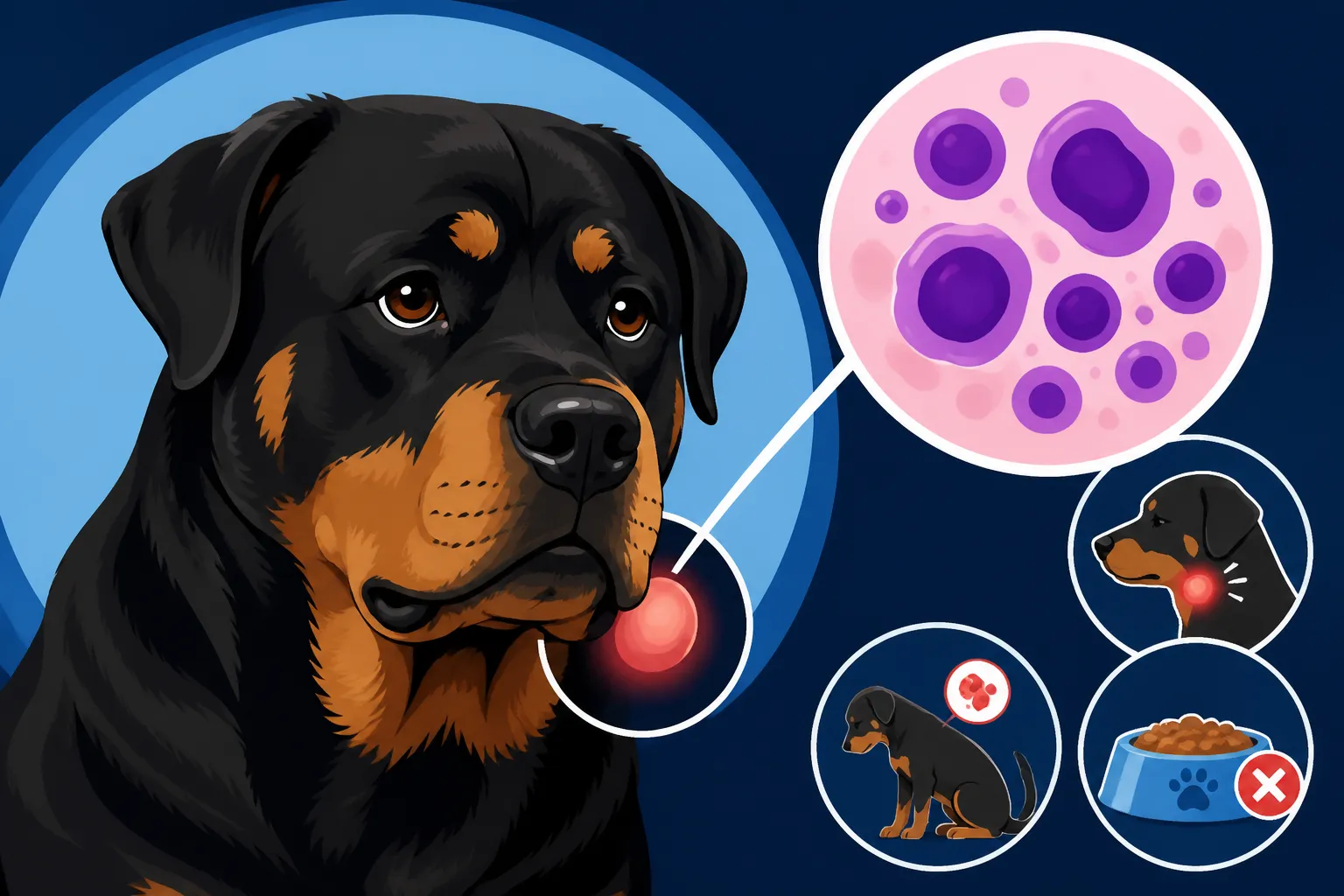
For multicentric lymphoma, the most common and often the very first sign you might notice is enlarged lymph nodes. These aren't just any lumps; they're specific glands located in predictable places on your Rottweiler's body. The easiest ones to feel are the mandibular lymph nodes, located under the jaw on either side of the neck. You should be able to feel small, pea-sized, movable nodes in a healthy dog. If they feel like large grapes or even walnuts, that's a red flag.
Other palpable nodes include the prescapular lymph nodes, located just in front of the shoulders, and the popliteal lymph nodes, behind the knees on their hind legs. A quick, gentle check during your daily petting routine can help you establish what's normal for your dog. A healthy lymph node should feel soft, small, and unnoticeable. A cancerous lymph node, on the other hand, is typically firm, significantly enlarged, and usually not painful to the touch unless there's an infection. Regular checks can truly make a difference, helping you catch a problem like this early. This kind of hands-on monitoring is a practical way to keep tabs on your Rottweiler's health, complementing their regular vet visits.
Here's a quick guide to checking your Rottweiler's lymph nodes:
| Lymph Node Location | How to Check | Normal Feel | Concerning Feel |
|---|---|---|---|
| Mandibular | Gently cup your Rottweiler's jaw under their chin, feeling along the sides of their throat just behind the jawbone. | Small, pea-sized, movable | Enlarged (grape to walnut size), firm, non-painful |
| Prescapular | Place your hands on either side of their chest, just in front of their shoulders. Roll your fingers gently over the muscle. | Not easily palpable, or very small | Firm, distinct, enlarged |
| Popliteal | With your Rottweiler standing, feel behind their knees (the "hock" joint) on their hind legs. | Not easily palpable, or very small | Firm, distinct, enlarged |
| Axillary | In the armpit area, where the front leg meets the body. | Not easily palpable, or very small | Enlarged, firm |
| Inguinal | In the groin area, between the hind leg and the belly. | Not easily palpable, or very small | Enlarged, firm |
Note: If you feel any enlarged nodes, always consult your veterinarian immediately. While infections can cause swelling, only a vet can determine if it's lymphoma.
Subtler Systemic Symptoms to Watch For
Beyond the obvious lumps, lymphoma can present with more generalized, systemic symptoms that are less specific but equally important. These are the kinds of signs that can make you think, "My dog just isn't himself." One of the most common is a noticeable loss of appetite or a reluctance to eat, even their favorite treats. While a Rottweiler might occasionally skip a meal, a persistent disinterest in food is always cause for concern. This can quickly lead to unexplained weight loss, even if they seem to be eating a little. You might feel their ribs more prominently or notice a general gauntness that wasn't there before.
Another significant red flag is a decrease in their usual energy levels, often described as lethargy or excessive tiredness. Your Rottweiler, who normally loves to play or go for a brisk walk, might be less enthusiastic, sleeping more, or generally moving slower. This isn't just "getting older" fatigue; it's a distinct change from their typical activity. These subtle shifts can be easy to dismiss, especially if they come and go, but when combined with other signs, they paint a clearer picture that something serious might be happening. Keeping a keen eye on these day-to-day behaviors can provide vital clues to your vet.
Changes in Appetite and Energy Levels
Let's dive a bit deeper into those changes in appetite and energy, because they are often the first, albeit vague, indicators that something internal is amiss. When a Rottweiler, known for their robust appetite, suddenly turns their nose up at dinner or only picks at it, it’s not just pickiness; it's a signal. This isn't about an occasional upset stomach, but a sustained pattern of reduced intake. They might even refuse treats they usually adore, which for a food-motivated breed like a Rottweiler, is a very strong indicator. This lack of interest in food can stem from general malaise, nausea if the gastrointestinal tract is affected, or even just the systemic effects of the cancer making them feel unwell.
Coupled with appetite changes, a noticeable drop in energy is incredibly telling. Your once eager-to-please Rottweiler might be slower to greet you, less interested in walks, or simply content to lie around for most of the day. This isn’t the relaxed demeanor of a content dog, but a deep-seated fatigue. If your senior Rottweiler is experiencing this, it might be easy to attribute it to aging, but it's essential not to overlook it. Even if your dog seems to rally for short bursts of activity, the overall trend of reduced energy levels and increased sleeping should raise concern. These symptoms, while non-specific on their own, become much more significant when considered alongside other potential signs of illness, or if they persist over several days.
Why Early Detection Matters
Catching lymphoma early in your Rottweiler is not just about getting ahead of the disease; it's about giving them the best possible chance at a longer, higher quality of life. The landscape of veterinary oncology has advanced significantly, and while lymphoma is a serious diagnosis, it's often treatable, especially when identified before it has widely spread or severely impacted your dog's vital organs. The difference between detecting a single swollen lymph node versus waiting until your dog is gravely ill with multiple systemic symptoms can be profound in terms of prognosis and the effectiveness of available treatments.
Many dedicated Rottweiler owners are also proactive about planning for unexpected health challenges, often utilizing resources like pet insurance. Providers like Healthy Paws can be incredibly helpful here, as they often cover accidents and illnesses, including cancer treatments, allowing owners to focus on care rather than crushing financial burdens. Having a plan in place, whether it’s a savings account or a robust insurance policy, can empower you to pursue the best possible care without hesitation when time is of the essence.
Treatment Options and Their Effectiveness
Once lymphoma is diagnosed, your veterinarian, possibly in consultation with a veterinary oncologist, will discuss the various treatment options available. The cornerstone of lymphoma treatment in dogs is typically chemotherapy. Unlike human chemotherapy, which often aims for a complete cure and can come with severe side effects, canine chemotherapy often focuses on achieving remission and providing a good quality of life with minimal side effects. The goal is to extend life while ensuring your Rottweiler still feels good and enjoys their daily activities.
There are different chemotherapy protocols, often involving a combination of drugs, which can vary in intensity and duration. Some protocols might be weekly injections, while others involve oral medications you administer at home. The effectiveness can vary depending on the type of lymphoma, its stage, and your individual Rottweiler's response. While a complete cure is rare, remission times can range from several months to over a year, significantly extending their life. Other treatments, such as radiation therapy for localized forms of lymphoma, or even newer immunotherapies, might also be considered depending on the specific case. Discussing Chemotherapy Protocols Used on Rottweilers in detail with your vet will help you understand what might be best for your beloved companion.
Maintaining Quality of Life Through Treatment
A critical aspect of any cancer treatment for your Rottweiler is maintaining their quality of life. The aim isn't just to extend their lifespan, but to ensure those extra months or even years are filled with comfort, happiness, and enjoyment. This means closely monitoring for side effects from chemotherapy, which are generally milder in dogs than in humans, but can include temporary nausea, decreased appetite, or lethargy. Your vet will work with you to manage any side effects promptly, often with anti-nausea medications or appetite stimulants, ensuring your dog continues to eat and feel well.
Beyond medical management, supportive care at home is paramount. This includes providing a comfortable environment, ensuring they have access to fresh water, encouraging gentle exercise as tolerated, and continuing to engage them in their favorite activities. Many dogs undergoing chemotherapy continue to live very normal, happy lives during treatment. This focus on comfort and well-being is why palliative care is often integrated into the treatment plan, especially for advanced stages. Knowing that you're prioritizing their comfort and joy, even amidst a serious illness, can make a huge difference for both you and your Rottweiler.
Next Steps After Noticing Symptoms
Finding an unfamiliar lump or noticing a persistent change in your Rottweiler's behavior can send a wave of panic through any devoted owner. It’s natural to feel worried, even overwhelmed. However, the most important thing you can do at this stage is to act promptly and rationally. Don’t fall into the trap of waiting and hoping it will go away. When it comes to something as serious as lymphoma, time is a critical factor, and early intervention can genuinely alter the course of the disease and improve outcomes for your dog.
It’s crucial to remember that while the internet can provide information, it can never replace the expertise of a veterinarian. Your vet is your best resource for accurate diagnosis and a tailored treatment plan. If you’ve been doing your regular checks and found something concerning, or if your Rottweiler has shown a pattern of subtle changes, don't delay in making that appointment.
The Importance of a Prompt Vet Visit
As soon as you suspect something might be wrong, booking an appointment with your veterinarian should be your top priority. Even if you're unsure if a lump is significant or if the lethargy is just a passing phase, it’s always better to get it checked out. A vet can quickly assess your Rottweiler, feel the lymph nodes, listen to their chest, and perform an initial physical examination. They have the training and experience to differentiate between benign issues and potentially serious conditions. Delaying a visit can allow a fast-moving cancer like lymphoma to progress further, potentially making treatment more challenging and impacting prognosis.
Many pet insurance plans, like those offered by Healthy Paws, emphasize the importance of early diagnosis by covering diagnostic tests. These costs can add up quickly, especially when dealing with complex conditions. Having insurance means you can pursue necessary diagnostics without worrying about the immediate financial strain, ensuring your Rottweiler gets the care they need as soon as possible. Remember, your vet isn't just there for vaccinations; they're your partner in maintaining your Rottweiler's overall health and addressing concerns like these head-on. If you're wondering about Vet Visit Frequency for a Senior Rottweiler, this kind of vigilance extends to all ages when a concern arises.
Diagnostic Tools Your Vet Will Use
When you bring your Rottweiler in with concerns about potential lymphoma, your vet will employ a range of diagnostic tools to get a clear picture of what’s happening. The first step will typically be a thorough physical exam, focusing on palpating all peripheral lymph nodes, and assessing overall body condition. If enlarged nodes are found, the most common and definitive first diagnostic test is a fine needle aspirate (FNA). This involves using a small needle to collect cells directly from the enlarged lymph node, which are then examined under a microscope by a pathologist. An FNA is minimally invasive and can often provide a diagnosis of lymphoma quite quickly.
Beyond an FNA, your vet may recommend further tests to stage the disease, meaning to determine how widespread it is. This often includes blood work (complete blood count and chemistry panel) to assess overall health and organ function, and urinalysis. Chest X-rays and abdominal ultrasound are crucial to check for internal lymph node involvement (e.g., mediastinal or mesenteric lymph nodes), and to evaluate the liver, spleen, and other organs for signs of spread. In some cases, a bone marrow aspirate might be performed. These diagnostics are vital to confirm the diagnosis, determine the extent of the disease, and guide the most effective treatment plan, ensuring your Rottweiler receives targeted care. It's often during these critical diagnostic phases that owners truly appreciate the value of comprehensive pet insurance, like a plan from Healthy Paws, which helps cover these essential, but often costly, procedures.
Coping with the News and Planning Ahead
Receiving a diagnosis of lymphoma for your Rottweiler is undoubtedly heartbreaking news. It’s okay to feel a flood of emotions—shock, sadness, anger, fear. Give yourself space to process these feelings. Once you've had a moment, remember that you are not alone in this journey. Your veterinary team, including any specialists, will be there to guide you through every step. They will explain the prognosis, discuss all available treatment options, and help you understand the potential outcomes and expected quality of life for your dog. This is where understanding topics like Rottweiler Osteosarcoma Survival Times can help put things in perspective regarding different cancers, but remember each case is unique.
Planning ahead involves several key considerations. Financially, treatment for lymphoma can be expensive, involving multiple rounds of chemotherapy, diagnostic follow-ups, and supportive care. This is precisely why early consideration of pet insurance, even for a healthy Rottweiler puppy, is so critical; if you have a policy, ensure you understand your Rottweiler Cancer Coverage and the Annual Limit. Beyond finances, consider how treatment will integrate into your daily life. Will you be able to manage medications at home? How often will vet visits be required? Most importantly, keep your Rottweiler’s comfort and happiness at the forefront of every decision. This often involves discussions about Palliative Care for a Rottweiler With Cancer to ensure their remaining time is as joyful and comfortable as possible, even if a full cure isn't attainable. Having all the health records documented, as discussed in The Health Records Worth Keeping on a Rottweiler, will also be invaluable during this time.
Disclaimer
The information provided in this article is for general informational purposes only and is not a substitute for professional veterinary advice. Always consult with a qualified veterinarian for any health concerns or before making any decisions related to your Rottweiler's health and treatment.