Pain Control for a Rottweiler With Bone Cancer
Discovering that your beloved Rottweiler has bone cancer, particularly osteosarcoma, is a gut-wrenching experience. One of the most immediate and profound concerns for any owner is ensuring their companion remains comfortable and free from suffering. Managing the intense pain associated with this aggressive disease is paramount, and it often feels like an overwhelming task. This comprehensive guide will walk you through the various strategies and options available for effective pain control, helping you provide the best possible quality of life for your Rottweiler.
Understanding the Unique Challenge of Rottweiler Bone Cancer Pain
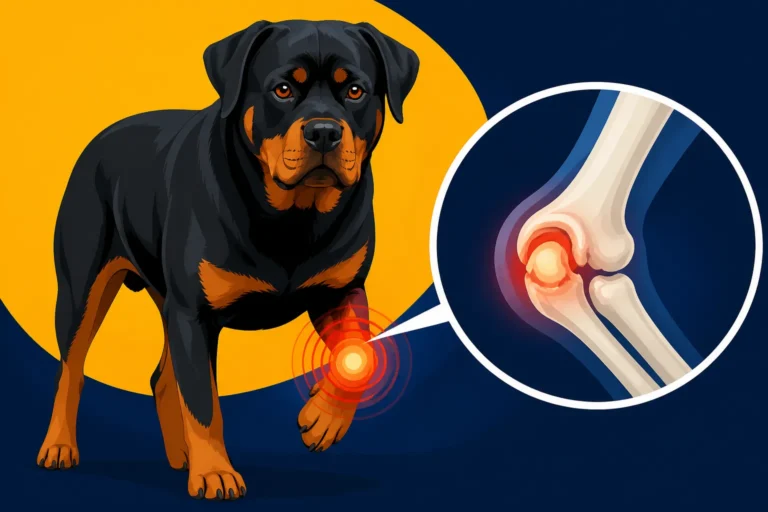
When your Rottweiler receives a diagnosis of osteosarcoma, the pain component is often what first alerted you to a problem. It's a cruel disease that typically strikes the long bones, like those in the leg, causing significant discomfort that can rapidly escalate. The nature of this pain is particularly challenging because it's not just inflammation; it's a deep, destructive process within the bone itself.
The Nature of Bone Cancer Pain in Large Breeds
Rottweilers are strong, stoic dogs, which can sometimes make recognizing their pain harder than with other breeds. However, the pain from osteosarcoma is often described as excruciating. It's an aggressive cancer that literally eats away at the bone structure, leading to microfractures and severe instability. Imagine a constant, throbbing ache that gets worse with any weight-bearing or movement. For a large, heavy breed like a Rottweiler, every step puts immense pressure on already compromised bone. This isn't just a minor limp; it can quickly become debilitating. The pain originates from the destruction of bone tissue, the compression of nerves, and the rapid growth of tumor cells, which can stretch the periosteum (the outer membrane of the bone) that is rich in pain receptors. This constant, deep bone pain is why a multi-modal approach to pain management is not just recommended, but absolutely essential. It's a pain that won't simply "go away" or improve on its own; it will only worsen as the disease progresses. Owners often report seeing The First Limp That Turns Out to Be Bone Cancer as the initial sign, and it's critical to understand that this limp is already indicative of significant pain.
Recognizing Subtle Signs of Discomfort
Because Rottweilers are so tough, they can be masters at masking their pain, especially in the early stages. What might seem like a minor behavioral shift can actually be a significant indicator of discomfort. You might notice your dog is reluctant to jump into the car, hesitant to go up or down stairs, or slower to get up after resting. They might start avoiding certain activities they once loved, like long walks or playing fetch. Observe their posture: are they shifting weight off a particular leg? Is there any muscle wastage around the affected limb from disuse? Sometimes, the first overt sign might be crying out when touched in a specific area, or even aggression, which is a desperate attempt to protect themselves from further pain. Subtle shivering, excessive licking of a painful area, panting when at rest, or a dullness in their eyes can all be signs. Don't dismiss these changes; they are crucial clues. Early recognition of Osteosarcoma Signs in a Rottweiler Leg can lead to faster intervention and a better chance at pain control, improving your dog's quality of life even as they face this devastating diagnosis.
Veterinary Medications for Managing Osteosarcoma Pain
Once osteosarcoma is diagnosed, your veterinarian, often in consultation with a veterinary oncologist, will create a comprehensive pain management plan. This plan almost always involves a combination of different medications working synergistically to attack pain from multiple angles. It's rarely a "one pill solves all" situation, given the intensity of bone cancer pain. Having pet insurance, like a comprehensive plan from Healthy Paws, can really help you pursue these various treatment options without the added financial stress.
Non-Steroidal Anti-Inflammatory Drugs NSAIDs
NSAIDs are typically the first line of defense against the inflammation and pain associated with bone cancer. Drugs like carprofen (Rimadyl), firocoxib (Previcox), deracoxib (Deramaxx), and meloxicam (Metacam) work by inhibiting enzymes that produce inflammatory chemicals in the body. While they don't directly target the cancer, they are incredibly effective at reducing the inflammation around the tumor site, which contributes significantly to pain. It's important to remember that these aren't just pain relievers; they reduce swelling, which also helps improve mobility.
However, NSAIDs come with potential side effects, especially in larger breeds or with long-term use. Gastric upset (vomiting, diarrhea, appetite loss) and kidney or liver issues are concerns. Your vet will likely recommend regular blood work to monitor liver and kidney function, especially if your Rottweiler is on NSAIDs for an extended period. It’s crucial to never give your dog human NSAIDs like ibuprofen or naproxen, as they can be toxic. Always stick to veterinary-prescribed medications and dosages. When discussing Palliative Care for a Rottweiler With Cancer, NSAIDs form a cornerstone of comfort management.
Opioids and Adjunctive Pain Relievers
For more severe or breakthrough pain, opioids are often prescribed. These are stronger pain medications that work on different pain pathways in the brain. Tramadol is a commonly prescribed oral opioid, though its effectiveness in dogs is sometimes debated and varies between individuals. Buprenorphine, often given orally or as an injectable, can provide more robust pain relief. For very severe pain, particularly in a veterinary hospital setting, drugs like fentanyl (often administered via a transdermal patch for continuous release) or hydromorphone might be used. These drugs can cause sedation and constipation, so careful monitoring is necessary.
Beyond traditional NSAIDs and opioids, several adjunctive medications can significantly enhance pain control:
- Gabapentin: This medication is often used to target neuropathic (nerve) pain, which can be a component of bone cancer pain. It can also help with anxiety and has a mild sedative effect, which can be beneficial for restless dogs struggling with discomfort. It’s generally well-tolerated, though drowsiness can occur.
- Amantadine: This is another excellent addition, especially for chronic pain. It works by blocking certain pain receptors in the spinal cord, preventing the "wind-up" phenomenon where chronic pain sensitizes the nervous system, making it even more reactive to painful stimuli. It's not a standalone pain reliever but works very well in combination with NSAIDs and opioids.
- Corticosteroids (e.g., Prednisone): While typically avoided with NSAIDs due to increased risk of gastric ulcers, corticosteroids can be powerful anti-inflammatories and pain relievers. They may be used in specific situations, carefully weighed against their side effects, or as a last resort in advanced cases.
- Trazodone: Sometimes prescribed to help with anxiety and restlessness that can accompany chronic pain, helping your Rottweiler get much-needed rest.
Combining these medications in a "multi-modal" approach allows veterinarians to target different pain pathways, often at lower doses of each individual drug, thereby reducing side effects while maximizing relief. This layered approach is often the most effective for a Rottweiler experiencing bone cancer pain.
Newer Therapies and Targeted Pain Management
Veterinary medicine is constantly evolving, and new pain management options are emerging that offer hope for Rottweilers with osteosarcoma. These advanced therapies aim for more targeted relief or work through novel mechanisms.
- Palliative Radiation Therapy: This is a game-changer for many dogs with painful osteosarcoma that are not candidates for amputation or whose owners choose not to pursue it. A short course of radiation (often 1-4 treatments) can significantly reduce the pain at the tumor site by killing some of the cancer cells and reducing inflammation. While it doesn't cure the cancer, it can provide weeks to months of excellent pain relief, drastically improving quality of life. The cost can be substantial, but services like Healthy Paws often cover this vital treatment, making it accessible to more families.
- Bisphosphonates (e.g., Pamidronate, Zoledronate): These drugs work by inhibiting bone destruction, which is a major source of pain in osteosarcoma. They can help strengthen the remaining bone and reduce bone pain. They are typically administered intravenously in a veterinary setting.
- Nerve Blocks: In some cases, localized nerve blocks may be considered to temporarily numb the area around the tumor, offering acute pain relief. This is usually done in a clinical setting and might be part of pre-surgical or palliative care.
- Oncolytic Virotherapy: Though still largely experimental, some promising research explores using modified viruses to selectively infect and destroy cancer cells while sparing healthy tissue. While not directly a pain therapy, successful tumor reduction can lead to pain relief.
- Immunotherapy: New biological treatments that harness the dog's own immune system to fight cancer or its effects are also being explored. For instance, specific antibodies could target pain receptors or cancer-related inflammatory markers. These are exciting avenues, though often in clinical trials or limited availability.
These advanced options, particularly palliative radiation, can offer significant relief where conventional medications fall short, allowing your Rottweiler more comfortable Rottweiler Osteosarcoma Survival Times and extending their good days.
Here's a quick overview of common pain medications and their roles:
| Medication Type | Examples | Primary Action | Common Side Effects | Notes |
|---|---|---|---|---|
| NSAIDs | Carprofen, Firocoxib, Meloxicam | Reduces inflammation and mild-to-moderate pain | GI upset, liver/kidney issues | First-line, require monitoring. Never use human NSAIDs. |
| Opioids | Tramadol, Buprenorphine, Gabapentin | Moderate-to-severe pain relief, neuropathic pain | Sedation, constipation, dizziness | Often used with NSAIDs, gabapentin targets nerve pain. |
| NMDA Receptor Antagonists | Amantadine | Prevents chronic pain "wind-up" | Mild GI upset, agitation | Used as an add-on for chronic pain. |
| Bisphosphonates | Pamidronate | Inhibits bone destruction, reduces bone pain | Kidney toxicity (rare), fever, flu-like symptoms | IV administration, strengthens bone, provides relief. |
| Corticosteroids | Prednisone | Strong anti-inflammatory, pain relief | Increased thirst/urination, appetite, panting, GI ulcers (with NSAIDs) | Potent but used carefully due to side effects and NSAID interaction. |
Complementary Therapies and Environmental Modifications
Beyond pharmaceuticals, a holistic approach that includes complementary therapies and adjustments to your Rottweiler's environment can make a profound difference in their comfort and well-being. These strategies don't replace medication but enhance its effectiveness and provide additional support.
Physical Therapy, Mobility Aids, and Holistic Approaches
For a large breed like a Rottweiler, maintaining mobility is crucial for both physical and mental health. When bone cancer impacts a limb, even if amputation isn't chosen, physical therapy can help preserve muscle mass, improve range of motion in other joints, and teach your dog how to compensate for the weaker limb. This might include gentle range-of-motion exercises, passive stretches, or hydrotherapy (swimming or underwater treadmill), which reduces weight-bearing stress.
Mobility aids can be indispensable. A good support harness can help you lift and assist your Rottweiler, especially with stairs or getting into and out of the car. Wheelchairs, or "carts," are an excellent option for dogs who have had an amputation or whose limb is too painful to bear weight. Initially, it might seem daunting to consider Whether a Three-Legged Rottweiler Copes at That Size, but with the right aids and rehabilitation, many thrive. Orthopedic beds provide better support for aching joints, while ramps can eliminate the need for jumping, preventing further stress on vulnerable bones and joints. Ensuring your home has non-slip rugs on hard floors also helps prevent slips and falls that could exacerbate pain.
Holistic approaches can also play a role. Acupuncture, performed by a certified veterinary acupuncturist, has been shown to provide pain relief for some dogs, especially for chronic conditions. Massage therapy can relax muscles that become tense from compensating for a painful limb. Discussing these options with your vet is important to ensure they complement the primary medical treatment plan and don't interfere with any medications.
Nutritional Support and Supplements
Nutrition plays a vital, though often underestimated, role in supporting a Rottweiler undergoing cancer treatment and managing pain. A high-quality, easily digestible diet can help maintain body condition, which is crucial as muscle wasting can occur due to pain and disease. Some veterinary oncologists recommend diets lower in carbohydrates and higher in fat and protein, as cancer cells often thrive on carbohydrates.
Specific supplements can also support comfort and overall health:
- Omega-3 Fatty Acids: EPA and DHA, found in fish oil, have natural anti-inflammatory properties and can help reduce pain and improve joint health. They are often recommended for Managing Arthritis in an Older Rottweiler and are equally beneficial here.
- Glucosamine and Chondroitin: While primarily for joint health, these can offer some supportive benefits for the surrounding joints that might be taking on extra strain.
- CBD Oil: Anecdotal evidence suggests CBD can help manage pain, inflammation, and anxiety in dogs. However, research is still ongoing, and quality control can vary wildly between products. If considering CBD, always discuss it with your veterinarian to ensure it's a safe and appropriate option, and source it from a reputable brand with third-party testing.
- Antioxidants: Supplements containing antioxidants might help support the immune system and combat cellular damage, though their direct impact on pain is less clear.
Always introduce new supplements gradually and under veterinary guidance, especially for a dog with cancer, to avoid any adverse interactions or digestive upset.
Creating a Comfortable Home Environment
Your Rottweiler's home environment should be a sanctuary of comfort and safety. Think about every aspect of their daily routine and identify areas where pain might be exacerbated.
- Easy Access: Ensure food and water bowls are easily accessible without strain. Raised bowls can be helpful if bending down is painful.
- Comfortable Resting Spots: Provide several orthopedic beds throughout the house, away from drafts or high-traffic areas where they might be disturbed. A thick, supportive bed is paramount for large, heavy dogs like Rottweilers.
- Non-Slip Surfaces: As mentioned, rugs or runners on slippery floors can prevent painful falls, especially for a dog with compromised mobility.
- Temperature Control: Keep your home at a comfortable, consistent temperature. Extreme heat or cold can worsen joint pain.
- Mental Enrichment: Even if physical activity is limited, mental stimulation is vital. Puzzle toys, gentle training sessions, or simply sitting and interacting with you can keep their minds active and distract them from discomfort.
- Calm and Quiet: Provide a calm, quiet space where your Rottweiler can retreat if they feel overwhelmed or are struggling with pain. Minimize loud noises and sudden movements.
Making these thoughtful adjustments can significantly reduce daily stressors and physical demands, allowing your Rottweiler to rest more comfortably and enjoy their time with you. Remember, Senior Rottweiler Mobility Decline is a natural part of aging, but with cancer, it's accelerated, making these environmental considerations even more critical.
Navigating Quality of Life and End-of-Life Decisions
One of the hardest aspects of caring for a Rottweiler with bone cancer is the constant evaluation of their quality of life. Even with the best pain management strategies, there will come a point where the disease progresses beyond what medication can effectively control. This is a deeply personal and often agonizing journey.
Assessing Your Rottweiler's Comfort Levels
Regularly assessing your Rottweiler's comfort is paramount. It's not about eradicating every single flicker of pain – that might be an unrealistic goal with advanced cancer – but about ensuring they have more good days than bad, and that their baseline comfort is acceptable. Keep a journal of their daily activities, appetite, mobility, and responsiveness. Look for:
- Appetite and Hydration: Are they still eating and drinking well? A sustained loss of appetite or refusal to drink is a significant concern.
- Interaction: Are they still interested in interacting with the family? Do they greet you, lean into you, or seek affection? Rottweilers are known for their deep bonds; a withdrawal can be a sign of profound discomfort.
- Mobility: Can they still get up and move around independently, even if slowly? Are they still able to relieve themselves without extreme difficulty?
- Joyful Moments: Are there still moments of joy – a wagging tail at the sight of a favorite toy, a comfortable snooze in a sunbeam, or a gentle sniff during a slow walk? These are precious indicators of retained quality of life.
- Pain-Free Rest: Can they rest peacefully without panting, shifting, or constantly licking the painful area?
It's easy to get caught up in the hope of just one more good day, but it's important to be realistic. Regularly discuss your observations with your vet. They can help you objectively assess their condition and adjust pain protocols as needed. This ongoing assessment is a critical part of Palliative Care for a Rottweiler With Cancer.
When Pain Management Becomes Insufficient
There comes a heartbreaking point when even the most aggressive multi-modal pain management protocols are no longer sufficient to keep your Rottweiler truly comfortable. The cancer may have metastasized, grown larger locally, or the cumulative effect of bone destruction may be too overwhelming. This is where you, as their dedicated owner, face the most difficult decision of all: knowing when it's time to say goodbye.
Signs that pain management might be insufficient include:
- Constant restlessness or inability to find a comfortable position.
- Increased vocalization (whining, crying) due to pain.
- Refusal to eat or drink for extended periods.
- Complete loss of interest in surroundings or interaction.
- Inability to move without extreme pain or collapsing.
- Persistent panting or rapid breathing at rest, indicating stress or pain.
- Aggression or fearfulness in a normally stable dog, often driven by intense discomfort.
This decision is often guided by a veterinarian who has witnessed the progression of the disease and understands the limitations of treatment. It's about preventing suffering, not prolonging life at any cost. Talking about Making End-of-Life Decisions for a Rottweiler is incredibly hard, but it's the final act of love and kindness you can offer. Consider resources like the "Quality of Life Scale" (often called the HHHHHMM scale for Hurt, Hunger, Hydration, Hygiene, Happiness, Mobility, "More good days than bad") to help make an objective assessment. Ultimately, choosing Home Euthanasia for a Dog a Rottweiler's Size can provide a peaceful, dignified farewell in the comfort and familiarity of your own home, surrounded by loved ones. It’s the ultimate act of taking away their pain when we no longer can.
Disclaimer
The information provided in this article is for general informational purposes only and does not constitute veterinary medical advice. Always consult with a qualified veterinarian for any health concerns or before making any decisions related to your pet's health and treatment.