Chemotherapy Protocols Used on Rottweilers
When you get that devastating cancer diagnosis for your beloved Rottweiler, it feels like the world stops turning. The immediate shock, the fear, and the overwhelming feeling of helplessness are real and utterly crushing. One of the first paths many of us explore with our vets is chemotherapy, and it’s a journey filled with complex questions about protocols, side effects, and what it truly means for our big, brave dogs. This guide is here to walk you through the various chemotherapy protocols commonly used for Rottweilers, helping you understand the options and feel a little more in control during an incredibly difficult time.
Understanding Cancer Treatment for Your Rottweiler
Hearing "cancer" from your veterinarian is a moment that no Rottweiler parent ever wants to experience. These strong, resilient dogs, for all their robust nature, are unfortunately susceptible to certain types of cancer. It’s important to remember that a cancer diagnosis isn't an immediate death sentence; advancements in veterinary oncology have opened up many treatment avenues, including various forms of chemotherapy.
The Reality of a Cancer Diagnosis
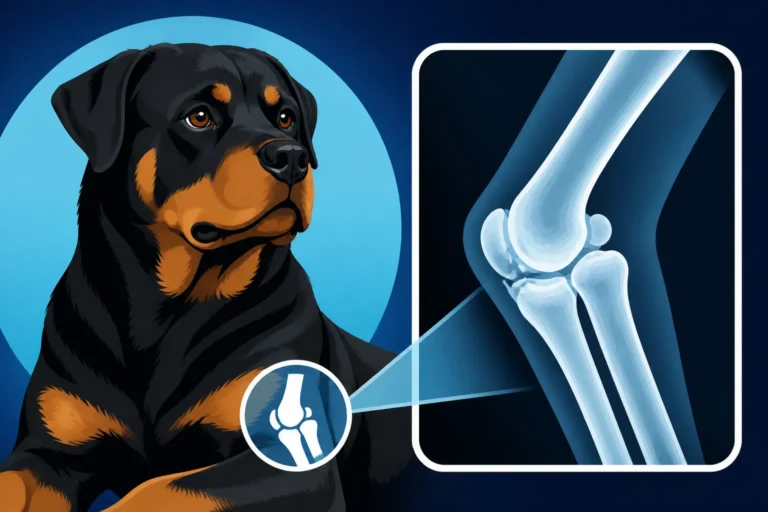
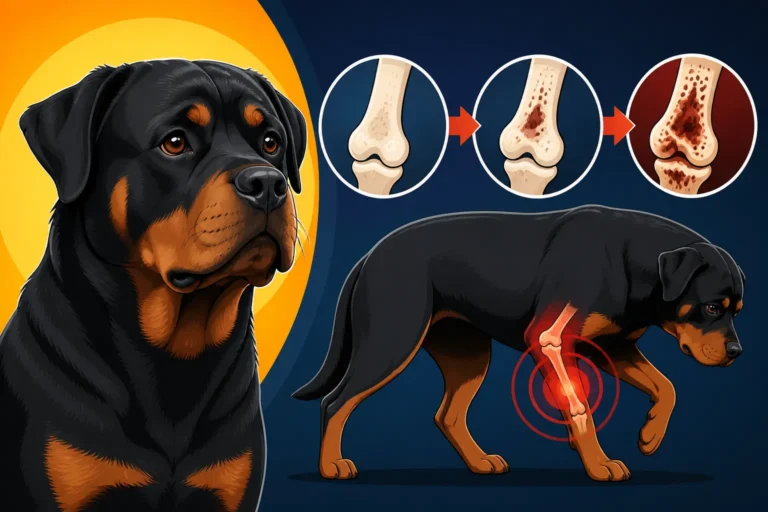
Before we dive into the specifics of chemotherapy, let's acknowledge the emotional toll a cancer diagnosis takes. You're not just dealing with a medical condition; you're dealing with the potential loss of a family member, and the financial and emotional weight can be immense. Rottweilers, with their average lifespan often sitting around the eight to ten-year mark, tend to develop certain cancers as they age. Conditions like osteosarcoma, the cancer that takes most Rottweilers, are particularly prevalent in our breed. Other common culprits include lymphoma, hemangiosarcoma, and mast cell tumors. Each type of cancer can behave differently, necessitating a tailored approach to treatment. Your vet will likely perform a battery of tests, including blood work, X-rays, and biopsies, to properly stage the cancer and determine the best course of action. This initial phase can feel agonizingly slow, but it's crucial for getting an accurate picture of what you're up against.
Goals of Chemotherapy in Rottweilers
The primary goal of chemotherapy in dogs, including our Rottweilers, is often to improve their quality of life and extend their lifespan for as long as possible, rather than a complete "cure" in the human sense, though sometimes that's a hopeful outcome. Depending on the type and stage of cancer, chemotherapy might be used in several ways:
- Adjuvant Therapy: This is when chemotherapy is used after another treatment, like surgery to remove a tumor. For instance, after an amputation for bone cancer, adjuvant chemotherapy aims to kill any microscopic cancer cells that might have already spread, slowing down or preventing recurrence.
- Neoadjuvant Therapy: Less common, this involves chemotherapy before surgery or radiation to shrink a large tumor, making it easier to remove or treat with other methods.
- Palliative Therapy: In advanced cases where a cure isn't possible, chemotherapy can be used to manage symptoms, reduce pain, and slow the progression of the disease, thereby improving your Rottweiler's comfort and quality of life. Thinking about palliative care for a Rottweiler with cancer can be heartbreaking, but it's a compassionate choice.
- Sole Treatment: For certain cancers, particularly systemic ones like lymphoma, chemotherapy might be the primary and only treatment modality.
It’s a delicate balance, always aiming to minimize side effects while maximizing the impact against the cancer. Your veterinary oncologist will guide you through these goals, making sure you understand what to expect.
Common Chemotherapy Protocols for Rottweiler Cancers
Once a diagnosis is confirmed and staged, your veterinary oncologist will recommend a specific chemotherapy protocol. These aren't one-size-fits-all solutions; they are carefully chosen based on the cancer type, its aggressiveness, your Rottweiler's overall health, and often, your family's preferences and resources. The good news is that vets have a range of effective drugs at their disposal.
Single Agent Protocols
Sometimes, a single chemotherapy drug is sufficient, or it might be chosen due to a Rottweiler's underlying health issues that make multi-drug protocols too risky.
- Doxorubicin: This is a powerful, broad-spectrum chemotherapy drug that's often used for a variety of cancers, including osteosarcoma, lymphoma, and hemangiosarcoma in Rottweilers. It's typically given intravenously (IV) every two to three weeks for a set number of treatments. While effective, doxorubicin does come with potential side effects, including heart toxicity (which is a concern in breeds prone to heart issues like Rottweiler Heart Disease and Subaortic Stenosis), gastrointestinal upset, and bone marrow suppression. Close monitoring with blood work is essential throughout the treatment course. Many owners find that pet insurance, like plans from Healthy Paws, can be invaluable for covering the costs associated with these potent medications and the frequent monitoring they require.
- Cisplatin/Carboplatin: These platinum-based drugs are frequently used for solid tumors, particularly osteosarcoma. Carboplatin is generally preferred for dogs because it has fewer kidney-related side effects than cisplatin and doesn't require the same intensive diuresis. It’s given intravenously every three to four weeks. For a Rottweiler battling osteosarcoma, the cancer that takes most Rottweilers, carboplatin is a common adjuvant therapy after amputation, aiming to delay or prevent metastatic spread.
Multi-Agent Protocols
For many cancers, particularly lymphoma, a combination of several chemotherapy drugs administered on a schedule is the most effective approach. These protocols are often more aggressive but can yield better remission rates and longer survival times.
- CHOP Protocol (Lymphoma): This is perhaps the most well-known multi-agent protocol for canine lymphoma, and it’s very effective in Rottweilers. CHOP stands for Cyclophosphamide, Hydroxydaunorubicin (Doxorubicin), Oncovin (Vincristine), and Prednisone. This protocol typically involves weekly treatments over several months, with different drugs administered on different days. For example, your Rottweiler might receive vincristine one week, doxorubicin the next, cyclophosphamide the next, and then a week of rest, all while on daily prednisone. This rotation helps minimize the side effects of any one drug while hitting the cancer with multiple mechanisms of action.
- Cyclophosphamide: An oral or injectable alkylating agent used to treat various cancers, including lymphoma.
- Doxorubicin: (As mentioned above) A strong anti-tumor antibiotic.
- Vincristine: An anti-mitotic agent that disrupts cell division, often used in combination for lymphoma.
- Prednisone: A corticosteroid that helps reduce inflammation, has direct anti-cancer effects on lymphoma cells, and can improve appetite and energy.
Many Rottweilers undergoing a CHOP protocol for lymphoma in a Rottweiler and its first signs tolerate it remarkably well, often maintaining a good quality of life during treatment. The goal is often to induce remission, which can last many months or even a year or two.
- AC Protocol (Hemangiosarcoma): For highly aggressive cancers like hemangiosarcoma, which can cause sudden Rottweiler collapse, a protocol of Doxorubicin and Cyclophosphamide (AC) is sometimes used after surgical removal of the primary tumor. This combination aims to tackle any remaining microscopic disease. Given the aggressive nature of this cancer, even with chemotherapy, survival times can be quite short, but it can buy precious time.
Metronomic Chemotherapy
Metronomic chemotherapy is a different approach, involving low, daily doses of chemotherapy drugs, often oral. The idea isn't to kill cancer cells directly with high doses, but rather to target the tumor's blood supply (anti-angiogenic effects) and stimulate the immune system, making the tumor more vulnerable.
- Common Drugs: Cyclophosphamide and Chlorambucil are frequently used in metronomic protocols.
- Advantages: This approach often has fewer and milder side effects compared to traditional high-dose protocols, making it a good option for older Rottweilers, those with co-morbidities, or when quality of life is the absolute priority. It can be particularly useful for managing certain Rottweiler cancers beyond the bone or for maintaining remission. It also tends to be less expensive and less taxing on the dog and owner, as frequent vet visits for IV infusions might not be necessary.
- Disadvantages: It might not be as aggressive at shrinking large tumors as conventional protocols.
Here's a simplified table comparing some common chemotherapy drugs for Rottweilers:
| Drug Name | Common Uses in Rottweilers | Administration | Typical Frequency | Key Potential Side Effects |
|---|---|---|---|---|
| Doxorubicin | Osteosarcoma, Lymphoma, Hemangiosarcoma | Intravenous (IV) | Every 2-3 weeks | Cardiotoxicity, GI upset, Bone marrow suppression |
| Carboplatin | Osteosarcoma, other solid tumors | Intravenous (IV) | Every 3-4 weeks | Bone marrow suppression, GI upset |
| Cyclophosphamide | Lymphoma, various carcinomas, metronomic | Oral or IV | Varies (daily, weekly, monthly) | GI upset, Bone marrow suppression, Sterile hemorrhagic cystitis |
| Vincristine | Lymphoma (part of CHOP), Mast Cell Tumors | Intravenous (IV) | Weekly | Peripheral neuropathy, GI upset, Bone marrow suppression (less severe) |
| Prednisone | Lymphoma, Mast Cell Tumors, palliative | Oral (daily) | Daily | Increased thirst/urination, appetite, panting, steroid-induced diabetes |
| Lomustine (CCNU) | Lymphoma (rescue), Brain tumors, Histiocytic Sarcoma | Oral | Every 3-4 weeks | Severe bone marrow suppression, Liver toxicity, GI upset |
It's crucial to understand that chemotherapy is often just one part of a comprehensive cancer treatment plan. It may be combined with surgery (like the removal of mast cell tumors on a Rottweiler's skin), radiation therapy, or other supportive care measures. Your veterinary oncologist will explain the rationale behind their chosen protocol and discuss what Rottweiler osteosarcoma survival times or lymphoma remission rates might look like.
Preparing Your Rottweiler for Chemotherapy and Managing Side Effects
Starting chemotherapy is a big step, and it's natural to feel anxious about how your Rottweiler will tolerate it. Unlike humans, dogs generally experience fewer and less severe side effects because the goal is often more focused on quality of life, using lower, less toxic doses. However, side effects can still occur, and being prepared is key to managing them effectively.
Before Treatment Begins
Before your Rottweiler starts a chemotherapy protocol, your veterinary oncologist will conduct a thorough physical exam and blood work. This isn't just a formality; it's essential to establish a baseline of health. They'll check organ function, especially liver and kidney values, and assess red and white blood cell counts. These tests help determine if your dog is healthy enough to start treatment and guide dosage adjustments if needed. For example, if your Rottweiler's white blood cell count is too low, treatment might be delayed for a week or the dose reduced to prevent serious infection.
It's also a great time to discuss logistics. How often will you need to bring your dog in? Will medications be oral or intravenous? What's the projected cost, and how will your pet insurance (if you have a provider like Healthy Paws) factor in? Understanding these practicalities upfront can reduce stress later. You might also want to prepare a "chemo kit" at home with any anti-nausea medications, special foods, or comfort items your vet recommends.
Common Side Effects and How to Manage Them
While most Rottweilers tolerate chemotherapy well, side effects are possible. The good news is that they are usually mild and manageable, often resolving with supportive care.
- Gastrointestinal Upset: This is one of the most common side effects. Your Rottweiler might experience nausea, vomiting, diarrhea, or a decreased appetite.
- Management: Your vet will likely prescribe anti-nausea medications (e.g., maropitant citrate, ondansetron) to give before or during treatment, and possibly for a few days afterward. Offering bland, easily digestible foods like boiled chicken and rice can help entice a picky eater. Small, frequent meals might be better tolerated than one large meal. If your Rottweiler refuses to eat for more than a day or two, or if vomiting/diarrhea is severe and persistent, it's crucial to contact your vet immediately. Dehydration is a real concern, especially for a large dog like a Rottweiler.
- Bone Marrow Suppression: Chemotherapy drugs can affect the rapidly dividing cells in the bone marrow, leading to a drop in white blood cells (neutropenia), red blood cells (anemia), or platelets (thrombocytopenia).
- Management: This is why regular blood counts (often called a Complete Blood Count or CBC) are vital before each chemotherapy dose. If the white blood cell count is too low, treatment might be delayed, or your vet might prescribe antibiotics to prevent opportunistic infections. If your Rottweiler develops a fever, becomes lethargic, or starts bruising easily, these are emergency signs and require immediate veterinary attention. These are the kinds of unexpected costs where having a good pet insurance plan, such as Healthy Paws, can really make a difference.
- Lethargy: It's common for dogs to be a bit more tired than usual for a day or two after chemotherapy.
- Management: Provide a comfortable, quiet place for your Rottweiler to rest. Keep exercise gentle and short during this period. Remember, this is a temporary phase for most dogs.
- Hair Loss (Rare): While humans often lose their hair with chemo, it's much less common in dogs. However, some breeds, especially those with continuously growing coats (like Poodles), might experience some thinning or texture changes. Rottweilers, with their short, double coats, usually don't have significant hair loss, though you might notice some shedding.
- Sterile Hemorrhagic Cystitis (Cyclophosphamide specific): This is an inflammation of the bladder that can occur with cyclophosphamide.
- Management: To prevent this, your vet will often recommend giving cyclophosphamide in the morning and encouraging plenty of water intake, along with frequent urination. Sometimes a medication called furosemide is given with it to help flush the bladder. If you notice blood in your Rottweiler's urine or straining to urinate, contact your vet right away.
At-Home Care and Monitoring
Your role in your Rottweiler's chemotherapy journey is incredibly important. You are their eyes and ears at home.
- Medication Administration: If oral chemotherapy or supportive medications are prescribed, follow the instructions precisely. Never adjust doses without consulting your vet. Wear gloves if instructed, especially when handling certain oral chemo drugs, to protect yourself.
- Hygiene: For a few days after chemotherapy, trace amounts of the drugs can be present in your Rottweiler's urine and feces. It’s a good idea to wear gloves when cleaning up accidents or handling waste, and dispose of it responsibly (e.g., double-bagged).
- Observation: Keep a detailed log of your Rottweiler's appetite, energy levels, any vomiting or diarrhea, and overall demeanor. This information is invaluable to your vet. Don't hesitate to call if you have any concerns, no matter how small they seem. Early intervention can prevent minor issues from becoming major problems.
- Comfort: Ensure your Rottweiler has a comfortable, quiet place to rest. Offer their favorite toys, soft bedding, and plenty of fresh water. Gentle walks and cuddles can do wonders for their morale. Remember, a Rottweiler's mood and comfort are paramount during this challenging time.
While it sounds like a lot to manage, most Rottweiler parents find a rhythm. The veterinary team will be a crucial support system, offering advice, empathy, and practical solutions every step of the way. When facing the potential for Rottweiler Cancers Beyond the Bone or the daunting prospect of The First Limp That Turns Out to Be Bone Cancer, effective communication with your vet and a proactive approach to home care can make a significant difference in your dog's journey.
Making Informed Decisions About Your Rottweiler's Chemotherapy
Deciding on chemotherapy for your Rottweiler is a deeply personal and often agonizing choice. It involves weighing the potential benefits against the risks, considering your dog's quality of life, and evaluating the emotional and financial impact on your family. There are no right or wrong answers, only the best choices for you and your beloved companion.
Questions to Ask Your Veterinary Oncologist
When discussing chemotherapy, come prepared with questions. Don't be afraid to ask for clarification on anything you don't understand. This is a complex topic, and a good oncologist will take the time to explain everything thoroughly.
- What is the specific cancer type and stage? Understanding the exact diagnosis is fundamental. Ask about the prognosis associated with this type and stage, both with and without chemotherapy.
- What is the recommended protocol, and why? Ask about the specific drugs, their administration, frequency, and duration. How was this protocol chosen over others?
- What are the expected outcomes? Be realistic. Will this protocol aim for remission, cure, or palliative care? What are the typical Rottweiler Osteosarcoma Survival Times for this specific protocol, or remission rates for lymphoma?
- What are the most common and severe side effects? How will these be managed? When should I call you immediately?
- What is the total estimated cost of treatment? This includes the drugs, administration fees, blood tests, and any supportive medications. This is where having pet insurance, such as Healthy Paws, can be a lifesaver, as these costs can quickly add up. Understanding your coverage and potential out-of-pocket expenses is crucial.
- What is the impact on my Rottweiler's quality of life during treatment? Will they still be able to enjoy walks, play, and interact with the family?
- What are the alternatives to chemotherapy? Are there other treatments like radiation or surgery, or even just palliative care, that we should consider? Exploring palliative care for a Rottweiler with cancer is a valid and often compassionate option.
- What is the plan if the cancer doesn't respond to treatment? Having a contingency plan can provide a sense of control during an uncertain time.
- Are there any dietary changes or supplements I should consider? Always discuss these with your oncologist, as some supplements can interfere with chemotherapy drugs.
Quality of Life Considerations
Your Rottweiler's quality of life should always be at the forefront of your decision-making. While we want to extend their lives, we don't want to do so at the expense of their happiness and comfort.
- Assessing Your Dog's Experience: Will the treatment cause more suffering than the disease itself? Most dogs on chemo still have good days, but it's important to be honest about the bad ones. Consider their personality: some Rottweilers are incredibly stoic, while others might become more anxious or depressed if they feel unwell often.
- The "Good Days" Calendar: A helpful technique is to keep a calendar and mark "good days" and "bad days." If the bad days start to outweigh the good, it might be time to re-evaluate the treatment plan or discuss options for comfort-focused care.
- Family Impact: Consider the impact on your family's daily life, schedule, and emotional well-being. This is a marathon, not a sprint, and everyone needs to be on board and supported.
When to Say Enough
This is perhaps the hardest decision any pet owner faces. Knowing when to stop aggressive treatment and transition to comfort care is a profound act of love. It’s okay to decide that chemotherapy is no longer serving your Rottweiler's best interests or that the burden of treatment outweighs the benefits. Your veterinary oncologist will support you in these difficult conversations, helping you evaluate your dog's overall health and happiness. Regular cancer screening for a Rottweiler past six can sometimes catch issues earlier, but even with that, difficult decisions still arise. Remember, ending treatment is not giving up; it's prioritizing their comfort and peace.
Navigating chemotherapy for your Rottweiler is a journey filled with ups and downs. By understanding the protocols, preparing for side effects, and openly communicating with your veterinary team, you can make the most informed decisions, ensuring your cherished companion receives the best possible care, always with their comfort and quality of life as the guiding stars.
Disclaimer
The information provided in this article is for general educational purposes only and is not a substitute for professional veterinary advice. Always consult with a qualified veterinary oncologist or veterinarian regarding any medical concerns or treatment decisions for your Rottweiler.