Whether a Three-Legged Rottweiler Copes at That Size
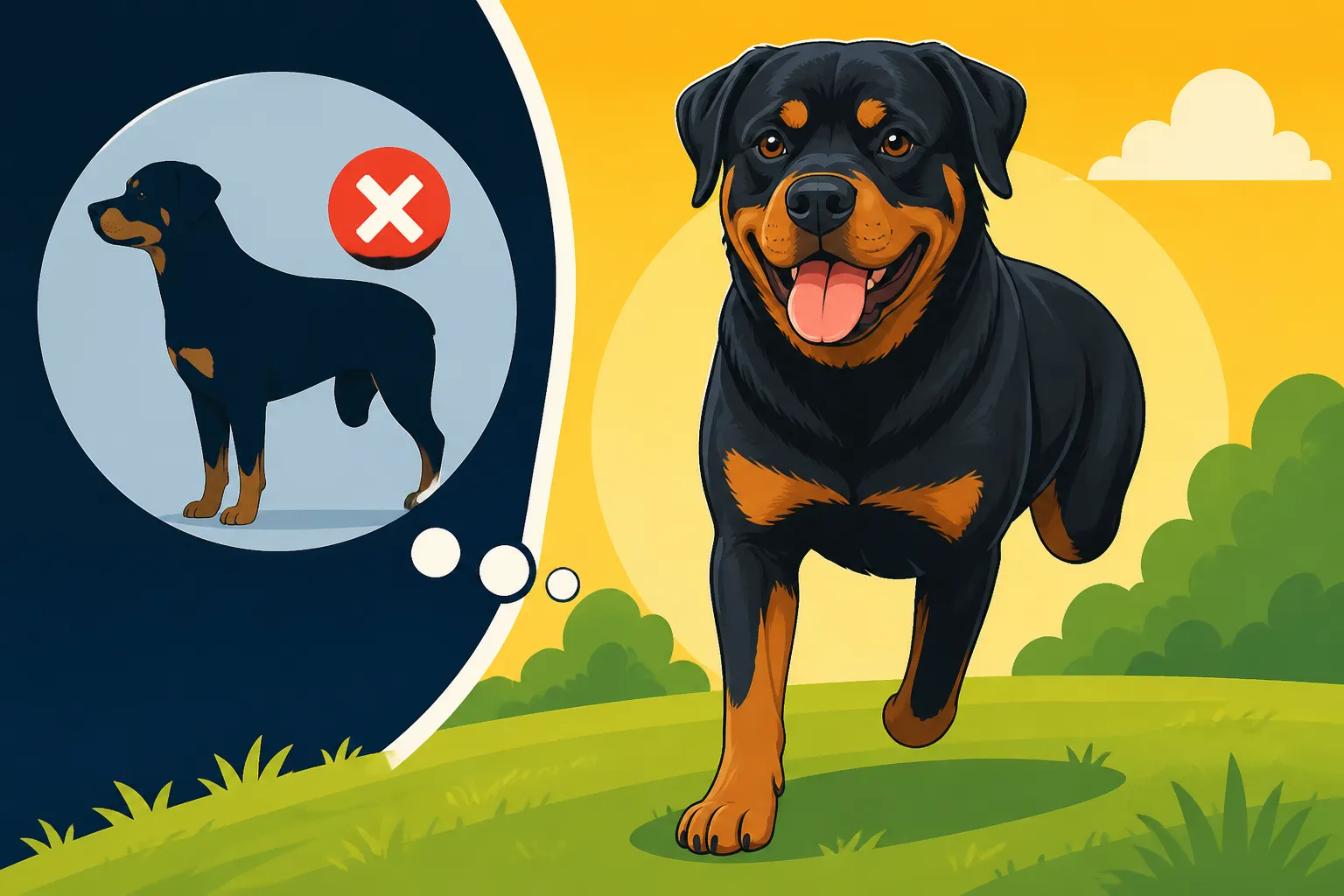
Watching your beloved Rottweiler struggle with a significant injury or illness that might necessitate amputation is one of the most heartbreaking experiences any dog owner can face. The sheer size and power of these magnificent dogs naturally lead to a very real and valid concern: can a hundred-pound Rottweiler truly cope with the loss of a limb? This guide aims to offer an honest, in-depth look at what life is like for a three-legged Rottweiler, providing reassurance, practical advice, and a clear understanding of the challenges and triumphs involved.
Understanding the Challenges of a Three-Legged Rottweiler
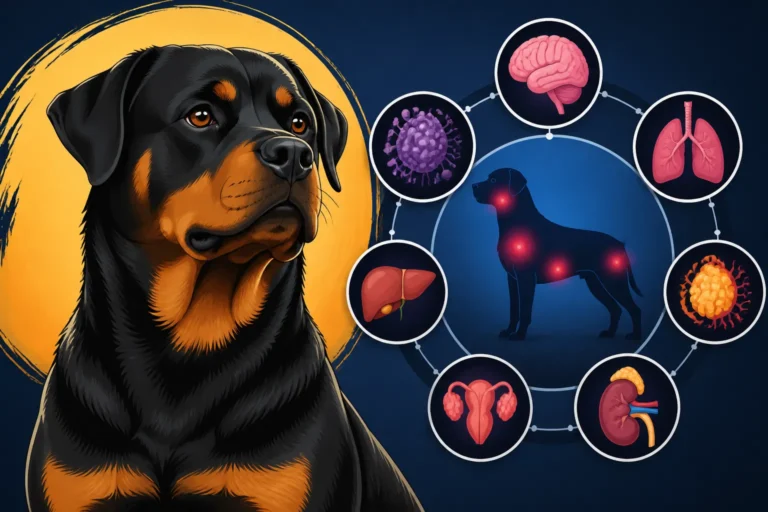
When a Rottweiler loses a limb, whether due to an accident, infection, or, sadly, a diagnosis like Osteosarcoma, the Cancer That Takes Most Rottweilers, it's not just a cosmetic change. Their entire biomechanics shift dramatically, and their large frame amplifies every single challenge that comes with becoming a "tripod" dog. It's a huge adjustment, not just for them, but for you as their human companion.
The Immediate Physical Burden
Imagine trying to navigate your daily life on three limbs – it’s an immense strain. For a Rottweiler, whose average weight can range from 80 to 135 pounds, this burden is considerably magnified. The remaining three limbs, especially the one directly opposing the amputated limb, suddenly have to bear a disproportionate amount of the dog's weight. This isn't just about walking; it affects every single movement, from standing up and lying down to turning around.
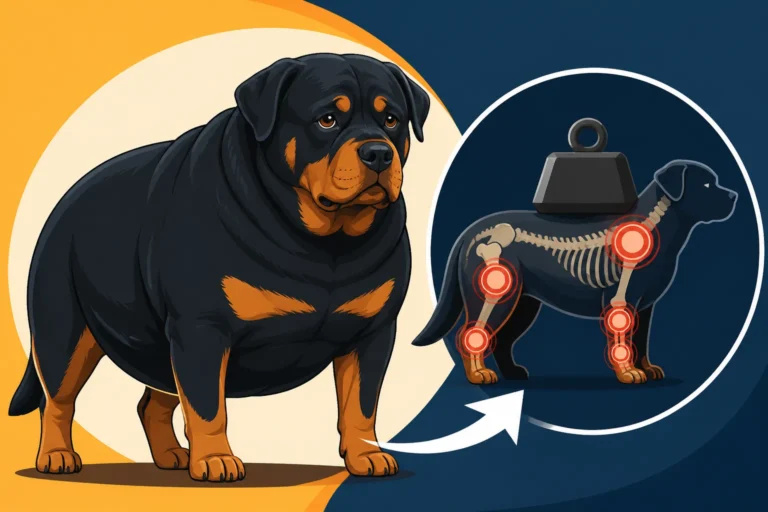
The muscles in the remaining legs, back, and shoulders must work overtime to compensate for the missing support. This leads to increased muscle development in these areas, but also to significantly increased wear and tear on the joints. Without the even distribution of weight, certain joints, particularly the elbow and shoulder on the intact front leg, or the hip and stifle (knee) on the intact hind leg, are subjected to much higher forces than they were ever designed to handle. This accelerated stress can, unfortunately, predispose them to developing or worsening conditions like arthritis much earlier than a four-legged Rottweiler, making proactive management critical.
Impact on Mobility and Balance
A Rottweiler’s natural gait is powerful and purposeful, but on three legs, this changes considerably. Their center of gravity shifts, making balance a constant, conscious effort. Simple actions like navigating stairs can become incredibly difficult, if not impossible, without assistance. They might struggle with slippery floors, uneven terrain like gravel or grass, or inclines and declines. Jumping, once an effortless feat for a Rottweiler, usually becomes a thing of the past. Getting into and out of a car, or even onto a favorite couch, will likely require help or a ramp.
The impact on their overall mobility isn't just about speed; it's about stability and confidence. They may be more prone to slips and falls, especially in the initial recovery period and as they age. This can be particularly concerning for a heavy breed like a Rottweiler, where a fall can lead to further injuries. Understanding these limitations is the first step toward creating an environment that supports their new way of moving, ensuring they can still enjoy a rich and fulfilling life without unnecessary risk.
Psychological Adjustment for Your Rottweiler
Beyond the physical, there's a significant psychological component to amputation. Dogs are incredibly resilient, but the loss of a limb can still be a source of stress and confusion. Some Rottweilers may experience phantom limb pain, where they feel sensations or discomfort in the missing limb, which can be distressing and requires careful veterinary management. Others might initially seem withdrawn or anxious as they try to relearn how to move and interact with their world.
It's common for owners to worry about their Rottweiler's happiness or their "dignity" after such a major change. However, dogs generally adapt remarkably well, often much faster than humans might expect. Their focus is on the present, and if they are pain-free and supported, they will find joy in their remaining abilities. Your Rottweiler's inherent stoicism and loyalty can actually be a huge asset here. What's crucial is providing consistent emotional support, patience, and positive reinforcement to help them build confidence in their new body. Their bond with you will be their strongest anchor during this adjustment period.
Factors Determining a Tripod Rottweiler's Success
While the size of a Rottweiler might seem like an insurmountable barrier to life on three legs, it's actually just one piece of a larger puzzle. Many factors contribute to how well a Rottweiler adapts to being a tripod. It's not a universal experience; each dog's journey is unique, influenced by their individual circumstances and the care they receive.
Age and General Health at Amputation
The age of your Rottweiler when the amputation occurs plays a huge role in their recovery and long-term prognosis. A younger, more robust Rottweiler, perhaps one who is still developing and whose Rottweiler Growth Plates and Why They Close So Late haven't fully fused, typically has an easier time adapting. Their bodies are more flexible, their muscles are stronger, and their capacity for compensatory movement is higher. They often bounce back with impressive speed, learning to navigate on three legs with surprising agility.
Conversely, an older Rottweiler, especially one with pre-existing conditions, faces a tougher road. If your senior Rottweiler already suffers from conditions like Rottweiler Hip Dysplasia and the OFA Grade issues, severe arthritis (a common concern in a heavy breed, as discussed in Managing Arthritis in an Older Rottweiler), or even a heart condition like Rottweiler Heart Disease and Subaortic Stenosis, the added strain of a missing limb can exacerbate these problems significantly. The remaining joints are already stressed, and their recovery might be slower and require more intensive physical therapy. It's vital to have a thorough veterinary assessment of their overall health before making such a profound decision, considering their entire lifespan and potential quality of life.
Which Leg Was Amputated
The specific limb that is amputated makes a considerable difference in a Rottweiler's ability to cope. Generally, dogs tend to carry more weight on their front limbs (around 60% of their body weight), making a front leg amputation potentially more challenging.
A Rottweiler missing a front leg must rely heavily on its remaining front leg and its powerful hindquarters for propulsion and balance. This puts immense pressure on the shoulder and elbow of the single remaining front leg. Owners often report that front-limb tripods take longer to adjust, particularly with initial balance and navigating turns. However, with time and dedicated support, they can still lead full lives.
A hind leg amputation, while still a significant challenge, is often considered slightly easier for a dog to adapt to. The hindquarters are primarily responsible for propulsion, and the two front legs can still bear the majority of the weight for stability. A Rottweiler missing a hind leg often regains mobility more quickly and may even be able to run and play with surprising ease once they've built up the necessary compensatory strength in their remaining hind leg and core. The critical consideration for hind-leg tripods is often the strain on the remaining hip and stifle.
Here's a quick comparison of the common challenges:
| Factor | Front Leg Amputation | Hind Leg Amputation |
|---|---|---|
| Weight Bearing | Significantly increased load on remaining front leg | Increased load on remaining hind leg and lower back |
| Balance | More challenging initially, especially turning | Generally easier to re-establish |
| Propulsion | Hind legs take over more | Front legs maintain primary role in weight distribution |
| Stairs/Jumps | Often more difficult, requires more core strength | Possible with good muscle development, but still tricky |
| Recovery Time | Can be longer for full adaptation | Often quicker initial adaptation |
Owner Commitment and Support
Perhaps the single most critical factor in a three-legged Rottweiler's success is the unwavering commitment and support of their owner. This isn't a journey for the faint of heart, but it is incredibly rewarding. Providing a safe, accessible home environment, adhering to a strict rehabilitation schedule, and being vigilant about their health are paramount. This involves consistent pain management, regular physical therapy, controlled exercise routines to prevent A Growing Rottweiler's Joints and Overexercise, and meticulous attention to their diet to prevent conditions like Rottweiler Obesity and the Load It Adds.
Financial commitment is also a reality. Amputation itself, and the subsequent ongoing care, can be costly. This is where pet insurance, like a comprehensive plan from Healthy Paws, can be an absolute lifesaver. Knowing you have support for future vet bills allows you to focus on your Rottweiler's well-being rather than worrying about the unexpected costs of specialized care, pain medication, or even assistive devices. Your dedication to their care, your patience, and your positive attitude will empower your Rottweiler to not just cope, but to truly thrive.
Practical Strategies for Supporting Your Tripod Rottweiler
Once your Rottweiler has undergone amputation and begun the initial Amputation Recovery Week by Week for a Rottweiler, the focus shifts to long-term support. It's about optimizing their environment and routine to minimize strain and maximize their comfort and enjoyment of life. This requires a holistic approach, touching on everything from their diet to their daily activities.
Managing Weight and Nutrition
For a three-legged Rottweiler, maintaining an ideal body weight isn't just a recommendation; it's absolutely crucial for their long-term joint health and mobility. Every extra pound your Rottweiler carries puts exponential stress on their remaining joints, significantly increasing the risk of early-onset arthritis, pain, and further mobility issues. Think of it this way: a single pound on a four-legged dog can feel like several pounds on a tripod dog.
Work closely with your veterinarian or a canine nutritionist to develop a precise feeding plan. This often means carefully portioning a high-quality, large-breed adult dog food. You might need to adjust their caloric intake downwards, as their overall activity level may decrease. Consider foods that are rich in joint-supporting nutrients like glucosamine, chondroitin, and omega-3 fatty acids, or add supplements under veterinary guidance. Regularly monitor their body condition by feeling for their ribs and checking for a visible waistline. Keeping your Rottweiler lean is one of the most impactful things you can do to ensure their comfort and extend their happy, active life on three legs.
Exercise and Rehabilitation Tailored for Three Legs
Gone are the days of unrestricted roughhousing or long, strenuous jogs. A tripod Rottweiler requires a carefully structured exercise routine that builds strength, maintains muscle mass, and promotes flexibility without overstressing their joints. This is where physical therapy truly shines. A certified canine rehabilitation therapist can develop a personalized program that might include:
- Hydrotherapy: Swimming or underwater treadmill sessions provide excellent low-impact exercise, building muscle strength without putting undue strain on joints.
- Therapeutic Exercises: Specific exercises focusing on core strength, balance, and proprioception (awareness of body position) can significantly improve their stability.
- Massage and Stretching: These techniques can help alleviate muscle soreness and maintain flexibility.
For daily walks, aim for shorter, more frequent outings on soft, even surfaces. Avoid slippery floors, stairs, and steep inclines/declines. Using a mobility harness or sling can provide extra support, especially during the initial recovery or for helping them up and down stairs. Consider investing in a good set of booties for traction on various surfaces. Remember, the goal is consistent, gentle activity, not intense bursts. This mindful approach to exercise can delay Senior Rottweiler Mobility Decline and keep them active for years.
Environmental Modifications at Home
Making your home tripod-friendly is paramount to preventing falls, reducing strain, and boosting your Rottweiler's confidence. Start by assessing your living space from their perspective.
- Flooring: Cover slippery hard floors (tile, wood) with non-slip rugs or carpet runners, particularly in high-traffic areas and paths to food/water bowls. This provides essential traction.
- Stairs: If your home has stairs, consider blocking access or installing a sturdy ramp. For unavoidable stairs, a sling or harness can help you assist them safely.
- Furniture Access: Use ramps or pet stairs for accessing elevated areas like couches or beds, if your Rottweiler still wishes to do so and if it's safe for them.
- Bedding: Provide orthopedic beds that offer ample support and cushioning for their joints. Elevated beds might make getting up and down easier for some dogs.
- Food and Water: Raised food and water bowls can make eating and drinking more comfortable, reducing neck and back strain.
- Outdoor Access: Ensure easy access to the yard. A ramp can be invaluable if there are steps. Keep the yard clear of obstacles and maintain even ground.
Even small changes can make a huge difference in your Rottweiler's quality of life. Thinking ahead about how they will navigate their world will minimize frustration for both of you.
Long-Term Outlook and Quality of Life
The decision to amputate a limb is never taken lightly, especially for a large dog. However, with the right care and commitment, a three-legged Rottweiler can absolutely lead a full, happy, and surprisingly active life. The key is understanding that their needs will evolve, and proactive management is essential for their long-term well-being.
Monitoring for Secondary Issues
While your Rottweiler adapts remarkably, the compensatory strain on their remaining limbs and spine can lead to secondary health issues over time. The most common concern is the development or worsening of arthritis in the remaining joints, particularly the elbow, shoulder, hip, and spine. You might notice signs like stiffness, limping after rest, reluctance to play, or difficulty getting up.
Beyond arthritis, monitor for muscle atrophy in the missing limb's stump and compensatory muscle hypertrophy (over-development) in other areas, which can also lead to imbalances and pain. Skin issues on the stump, such as calluses or irritation from contact with the ground, also need regular attention. Regular vet check-ups are vital for early detection and intervention. Remember to discuss pain control options with your vet, including NSAIDs, joint supplements, or even newer treatments like Librela or Solensia, to keep your Rottweiler comfortable as they age. This is another area where having pet insurance, such as Healthy Paws, can greatly assist in covering ongoing treatment costs.
The Importance of Regular Vet Check-ups
Your veterinarian will become an even more critical partner in your Rottweiler's care. Regular check-ups, often more frequent than for a four-legged dog, are essential. These appointments allow your vet to:
- Assess Mobility: Observe their gait, check for lameness, and evaluate their muscle condition.
- Monitor Joint Health: Feel for signs of arthritis, swelling, or pain in the remaining joints. X-rays may be recommended periodically.
- Manage Pain: Adjust pain medication as needed to ensure your Rottweiler remains comfortable.
- Review Overall Health: Keep an eye on their weight, heart health, and any other potential health concerns, especially those related to their Rottweiler Lifespan and the Eight to Ten Year Average.
- Discuss Assistive Devices: Recommend wheelchairs, slings, or braces if their mobility declines further.
Don't hesitate to schedule an appointment if you notice any changes in their behavior, mobility, or comfort level. Being proactive is the best way to manage potential issues before they become severe.
Assessing Your Rottweiler's Happiness
Ultimately, the goal is to ensure your three-legged Rottweiler has an excellent quality of life. This is something only you, as their dedicated owner, can truly assess. Look for signs of happiness and engagement:
- Do they still greet you with enthusiasm?
- Do they enjoy their meals?
- Do they still engage in gentle play or short walks?
- Are they comfortable lying down and getting up?
- Do they show interest in their surroundings?
A Rottweiler who is generally pain-free, well-supported, and still finds joy in daily interactions is a happy Rottweiler, regardless of the number of legs they have. Many tripod Rottweilers don't just "cope" – they thrive, demonstrating an incredible spirit and resilience that inspires everyone around them. Providing this loving, supportive environment is the most profound gift you can give them.
Disclaimer
This article is intended for informational purposes only and does not constitute veterinary advice. Always consult with a qualified veterinarian for any health concerns or before making any decisions about your Rottweiler's medical care. Individual outcomes for tripod dogs can vary, and personalized professional guidance is essential.