Amputation Recovery Week by Week for a Rottweiler
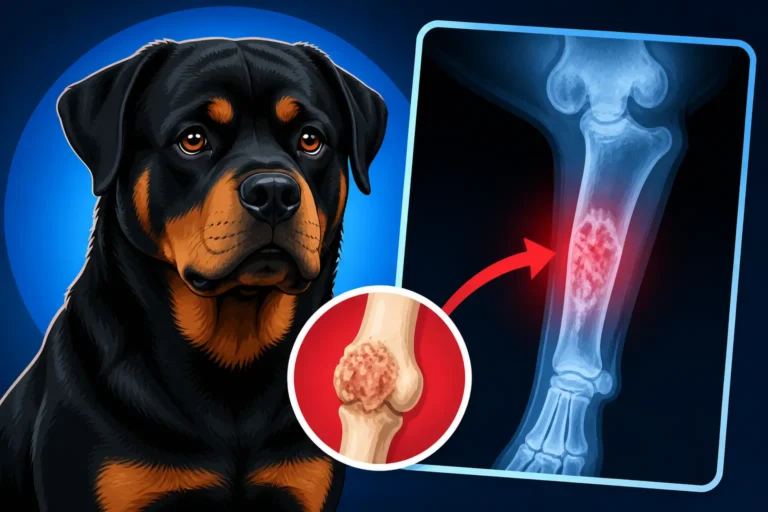
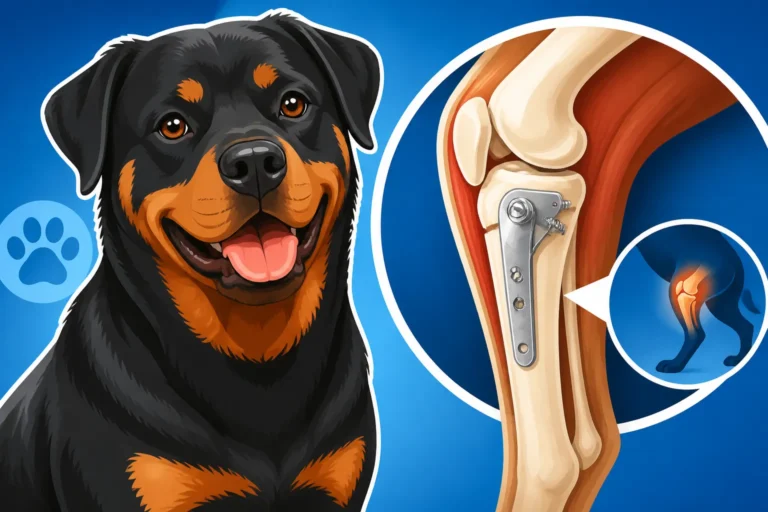
Receiving the news that your beloved Rottweiler needs an amputation can be utterly devastating, a gut punch that leaves you reeling with worry about their future and quality of life. The thought of your big, powerful dog navigating the world on three legs feels overwhelming, and it’s completely normal to feel a mix of fear, sadness, and determination to do what’s best for them. This guide is here to walk you through the day-by-day and week-by-week realities of amputation recovery, offering practical advice and emotional support as you help your Rottie adapt and thrive.
The Immediate Aftermath and First Days Home
Bringing your Rottweiler home after an amputation surgery is a critical time, filled with a delicate balance of managing pain, preventing complications, and gently introducing them to their new normal. It's a period that requires immense patience and vigilance, but your dog's resilience will surprise you.
Managing Pain and Discomfort
The first few days are all about pain control. Your vet will send your Rottweiler home with a cocktail of medications designed to keep them comfortable, which often includes strong pain relievers like opioids and anti-inflammatory drugs. It's vital to administer these exactly as prescribed, without missing doses, even if your dog seems to be doing okay. Large breed dogs like Rottweilers can be stoic, masking their pain until it's severe, so don't assume a lack of whining means they're fine. Look for more subtle signs of discomfort: restlessness, reluctance to move, heavy panting, loss of appetite, or even subtle changes in facial expression or posture.
If you suspect your Rottie is still in pain, don't hesitate to call your veterinarian. They can adjust dosages or add other medications. Sometimes, a muscle relaxant can be helpful, especially if they're tensing their remaining muscles excessively. Remember, an uncontrolled pain response can hinder healing and psychological recovery. Many owners find it reassuring to have a robust pet insurance plan like Healthy Paws to help manage these often considerable medication and post-op care costs, especially if the amputation was due to something like bone cancer.
Creating a Safe and Accessible Recovery Space
Before your Rottweiler even steps paw back into your home, you need to set up a dedicated recovery zone. Think about where they spend most of their time and ensure it’s on the ground floor to eliminate stairs, which are an absolute no-go in the initial weeks. Lay down non-slip rugs or yoga mats on any slick surfaces like hardwood or tile. A large, orthopedic dog bed will be a godsend, offering cushioned support for their healing body.
Keep their water and food bowls easily accessible, perhaps slightly elevated if that makes eating more comfortable for them without putting strain on their neck or remaining front limb. Your goal is to minimize any need for awkward movements or potential slips. Imagine trying to balance on three legs while trying to eat from a bowl on the floor – it's much harder than it looks, especially when you're a hundred pounds and dealing with fresh surgery.
Initial Mobility Challenges and Support
Immediately after surgery, your Rottweiler will be wobbly. They've just undergone a profound physical change, and their brain needs to recalibrate how to move. For a hind limb amputation, they'll lean heavily on their front legs, and for a front limb, they'll rely on their hind legs and core. You'll need to be their primary support system. A soft sling or a sturdy towel placed under their belly or chest can provide crucial assistance for short trips outside to relieve themselves.
When they first try to stand or walk, they might collapse or struggle with balance. Stay calm and offer steady, consistent support. Keep these initial outings very short and focused on bathroom breaks only. Avoid any roughhousing or off-leash activity. Patience is key; it's a marathon, not a sprint. This early support is crucial to prevent further injury and build confidence. Many owners are surprised by Whether a Three-Legged Rottweiler Copes at That Size and the incredible determination their large dogs show, but it takes time and help.
Weeks One to Four: Building Strength and Adapting
As the initial pain subsides, the focus shifts to wound healing and gradually increasing activity. This phase is about careful progression, ensuring no setbacks occur while your Rottweiler strengthens their new gait.
Wound Care and Incision Monitoring
Your vet will give you specific instructions for caring for the incision, but generally, it involves keeping it clean and dry. Your Rottweiler will almost certainly need to wear an Elizabethan collar (the "cone of shame") to prevent them from licking or chewing at the stitches. Even the most well-behaved dog can succumb to the urge to investigate an itchy or irritating incision, and a licked or chewed wound can quickly become infected, leading to costly complications and delayed healing. This is where pet insurance like Healthy Paws can truly provide peace of mind.
Inspect the incision daily for any signs of infection: excessive redness, swelling, warmth, or discharge (a small amount of clear or yellowish discharge might be normal, but anything pus-like or foul-smelling is a red flag). Also, watch for any missing stitches. If you notice anything concerning, contact your vet immediately. The goal is for the incision to heal cleanly, allowing the skin to close up without issue.
Gradual Introduction to Movement and Exercise
Once your vet gives the go-ahead, you can start gradually increasing your Rottweiler's activity. This means short, controlled leash walks on flat, even surfaces. Think five to ten minutes, a couple of times a day. The key is to avoid anything that could strain the incision or cause them to lose balance. No jumping, no running, no stairs, and definitely no off-leash play with other dogs.
The aim here isn't intense exercise, but rather to encourage gentle muscle use and improve balance. Your Rottie will start to figure out their new center of gravity. You might notice them "bunny hopping" or having a slightly awkward gait at first. This is normal. Focusing on Physical Therapy After Rottweiler Joint Surgery techniques, even simple ones like slow walking, can significantly aid in building stability and preventing compensatory injuries down the road. It’s also important to consider how Rottweiler Growth Plates and Why They Close So Late means you need to be cautious about heavy impact even on sound limbs if they're still quite young.
Nutritional Support for Healing
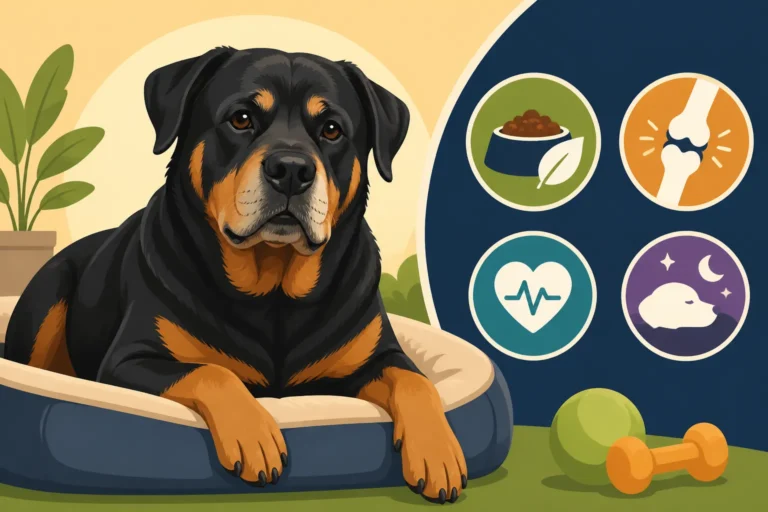
Proper nutrition plays a huge role in healing. Your Rottweiler's body is working hard to repair tissues and adapt to its new structure. Ensure they are on a high-quality, balanced diet. Your vet might recommend a specific food or supplements to aid healing. While their activity level is reduced, their overall calorie needs might slightly decrease to prevent unwanted weight gain, which would put extra strain on their remaining limbs.
Keep a close eye on their appetite and water intake. Dehydration can hinder healing, and a poor appetite needs to be addressed quickly. Some dogs might be a bit finicky due to stress or medication side effects. Tempting them with small, frequent meals of easily digestible food might help. Discuss any dietary concerns with your vet to ensure your Rottweiler is getting all the nutrients they need to recover robustly.
Weeks Five to Eight: Full Adaptation and Long-Term Adjustments
By this stage, your Rottweiler's incision should be well-healed, and they should be much more mobile. This period focuses on strengthening, refining their movement, and looking ahead to long-term health.
Advanced Mobility and Balance Exercises
With your vet's approval, you can begin to introduce more challenging exercises. This doesn't mean letting them run wild in the dog park yet, but rather structured activities to build strength and coordination. Controlled walks on varied terrain, like gentle grassy slopes, can help strengthen their core and remaining leg muscles. Short sessions of weaving between cones or walking over low obstacles can improve proprioception and balance. Hydrotherapy or swimming can be an excellent low-impact way to build muscle without stressing joints. A certified canine rehabilitation therapist can be invaluable in designing a tailored exercise program, ensuring you're not pushing your Rottie too hard, too fast.
Monitoring for Compensatory Issues
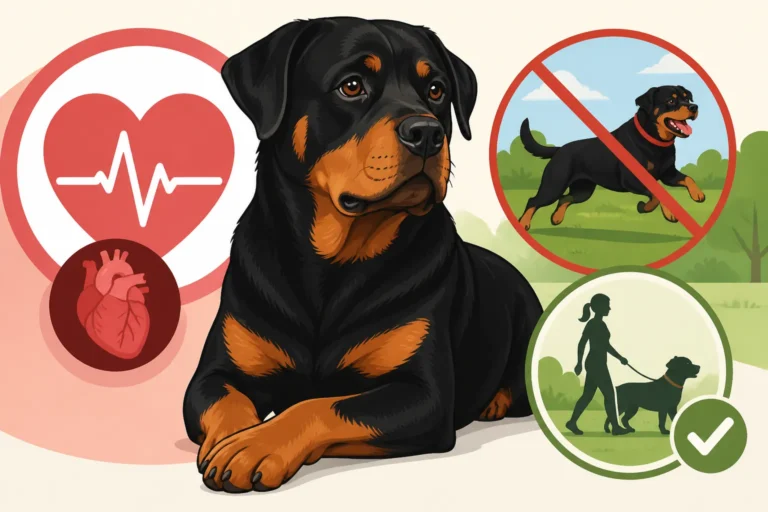
One of the biggest concerns for a three-legged Rottweiler is the long-term strain on their remaining limbs and spine. A 100-pound dog is already carrying a significant load, and now that load is unevenly distributed. This can lead to issues like arthritis, ligament tears (such as Cruciate Tears in a Heavy Rottweiler), and spinal problems in the years to come. It’s crucial to monitor for new limping, stiffness, or changes in gait.
Starting a joint supplement regimen early can be very beneficial. Ingredients like glucosamine, chondroitin, and omega-3 fatty acids can support joint health and potentially delay the onset of arthritis. Your vet may also recommend regular check-ups to assess their orthopedic health. Remember, How Rottweiler Weight Multiplies the Load on Its Hips applies even more acutely to a tripod, making weight management absolutely paramount.
Emotional and Behavioral Changes
Amputation isn't just a physical journey; it's an emotional one for both your dog and you. Your Rottweiler might go through a period of adjustment, sometimes exhibiting fear, anxiety, or even frustration. They might be more clingy or, conversely, more withdrawn. Offer plenty of positive reinforcement, praise, and gentle reassurance. Keep routines consistent to provide a sense of security.
For you, seeing your once four-legged companion adapt can bring a mix of pride and lingering sadness. It’s okay to grieve the loss of what was, but try to focus on the incredible resilience of your dog. Many owners find comfort in online support groups for tripod dog owners, where they can share experiences and advice. Your dog picks up on your emotions, so projecting confidence and optimism will help them adjust too.
Beyond Eight Weeks: Living a Full Life on Three Legs
Once your Rottweiler has fully healed and adapted, they can, and often do, lead incredibly full and happy lives. The focus shifts to ongoing maintenance and ensuring their long-term well-being.
Ongoing Care and Preventative Measures
Life with a tripod Rottweiler requires a few ongoing considerations. Regular veterinary check-ups are essential, perhaps even more so than for a four-legged dog, to monitor their joints, spine, and overall health. Maintaining an ideal body weight is absolutely critical to minimize stress on their remaining limbs; even a few extra pounds can have a significant impact. Discussing Rottweiler Obesity and the Load It Adds with your vet and carefully managing their diet is key.
Continue with joint supplements and consider regular physical therapy sessions if recommended, especially as they age. Pay close attention to their paw pads on their remaining legs, as they will bear more weight and may be prone to extra wear and tear. Protective paw boots can be useful for rough terrain or extreme weather.
Lifestyle Modifications and Equipment
While most tripod Rottweilers do remarkably well without prosthetics, some might benefit from specialized equipment. Custom-made harnesses, such as those designed for mobility, can provide extra support during walks or when navigating uneven ground. Ramps for cars or beds can protect their joints from impact. For front leg amputees, a specialized cart or wheelchair might be considered much later in life if compensatory issues become too severe, but for the majority, their natural agility will surprise you.
For dogs that had a hind leg removed, you'll be amazed at how well they launch themselves forward with their powerful hindquarters. Similarly, front leg tripods learn to pivot and balance. You may find yourself making small modifications around the house, like ensuring clear pathways and providing comfortable, accessible resting spots.
Addressing Public Perceptions and Support
Be prepared for questions and sometimes well-meaning, sometimes ignorant, comments from strangers. Some people might express pity, while others will be amazed by your dog's resilience. It's a chance to educate others about the incredible adaptability of dogs. Many tripod owners find a sense of community with others who share similar experiences. Online forums and local "tripawd" groups can be invaluable resources for sharing tips, celebrating milestones, and finding emotional support. Your Rottweiler is still the magnificent companion they always were, just with a slightly different silhouette.
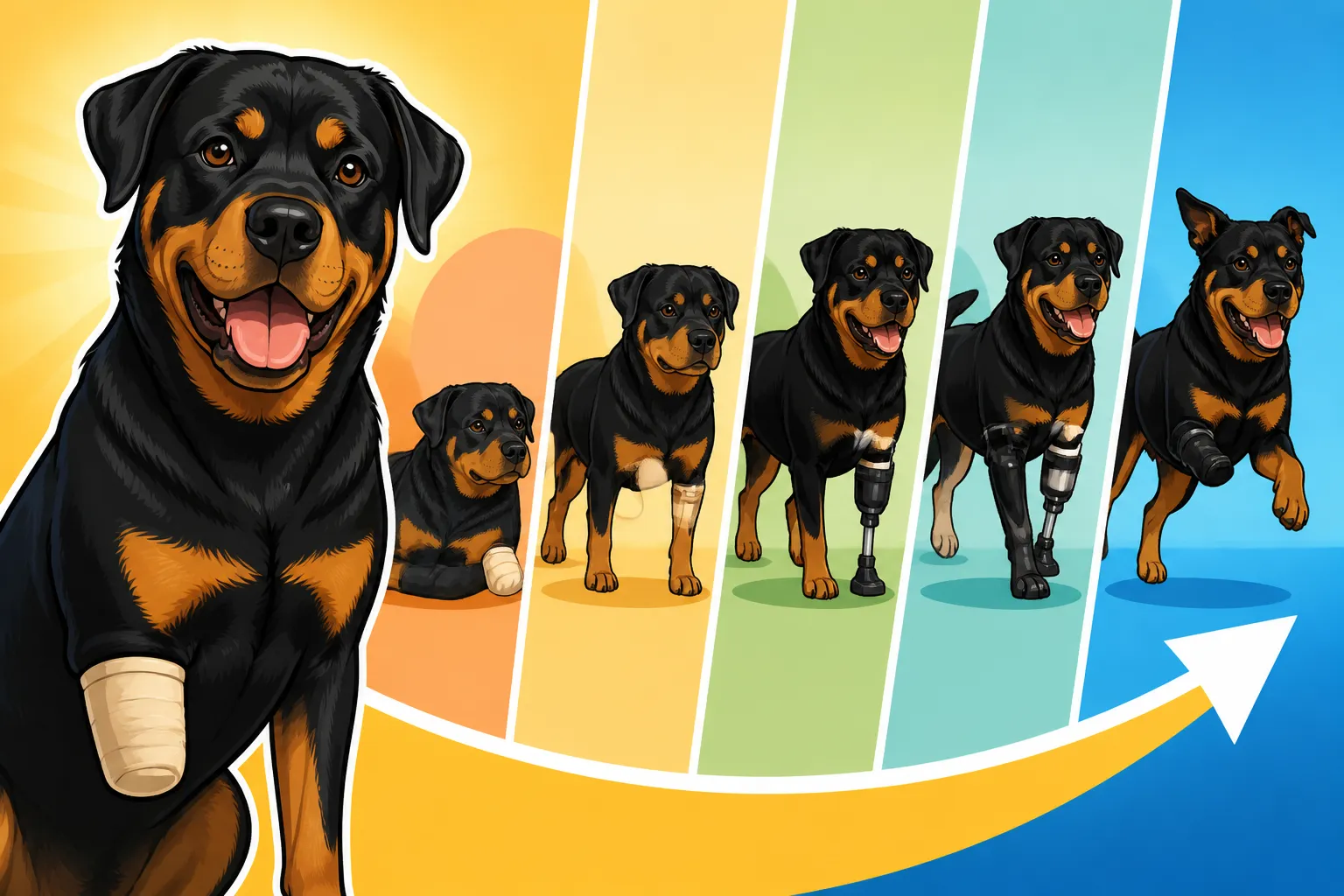
Amputation Recovery Timeline for a Rottweiler
| Stage | Typical Duration | Key Focus & Activities | Important Considerations |
|---|---|---|---|
| Immediate Post-Op | Day 1-3 | Intense pain management, strict rest, incision monitoring, very limited movement (potty breaks only with support). | Keep wound clean and dry, use cone of shame. Monitor for pain, vomiting, or lethargy. Ensure non-slip surfaces. |
| Early Recovery | Weeks 1-2 | Continue pain meds, rigorous wound care, short and controlled leash walks on flat ground (5-10 mins). | Prevent licking/chewing incision. Monitor for infection (redness, swelling, discharge). Encourage gentle weight bearing. |
| Intermediate Recovery | Weeks 3-4 | Gradual increase in walk duration/frequency (10-15 mins), introduction of gentle balance exercises, stitch removal (if applicable). | Continue to avoid stairs, jumping, rough play. Watch for signs of compensatory pain. Focus on building confidence. |
| Advanced Recovery | Weeks 5-8 | Longer walks (20-30 mins), introduction to varied terrain (gentle inclines), light physical therapy exercises, hydrotherapy. | Begin joint supplements. Monitor for early signs of arthritis in remaining limbs. Encourage full range of motion. |
| Long-Term Adaptation | 8 Weeks + | Regular exercise tailored to their ability, weight management, ongoing joint support, routine vet check-ups. | Prioritize lean body condition. Consider ramps, mobility aids. Continue to monitor for compensatory issues. Embrace their new normal and celebrate their adaptability. |
Disclaimer
The information provided in this guide is for general informational purposes only and is not a substitute for professional veterinary advice. Always consult with a qualified veterinarian regarding any medical condition or treatment for your Rottweiler. Recovery times and specific care instructions can vary greatly depending on the individual dog, type of amputation, and any underlying health conditions.