Rottweiler or German Shepherd for a Family
Deciding on a new canine family member is a huge commitment, and when you're weighing the pros and cons of two incredible, powerful breeds like the Rottweiler and the German Shepherd, it can feel like you're trying to compare apples and oranges when both are undeniably robust fruits. Many families struggle with this choice, wondering which breed will truly integrate best into their daily lives, offer the right balance of protection and affection, and thrive in their unique home environment. This guide is here to break down the key characteristics of both the Rottweiler and the German Shepherd, helping you understand their core temperaments, training needs, exercise requirements, and health considerations so you can make an informed decision for your family.
Temperament: Understanding Their Core Personalities
When you bring a dog into your home, you're not just getting a pet; you're adopting a personality that will shape your family's dynamic. Both Rottweilers and German Shepherds are renowned for their intelligence and loyalty, but their fundamental approaches to life, and how they express those traits, are quite different. Understanding these nuances is crucial for predicting how each breed might fit into your family's specific lifestyle.
The Rottweiler's Reserved Confidence
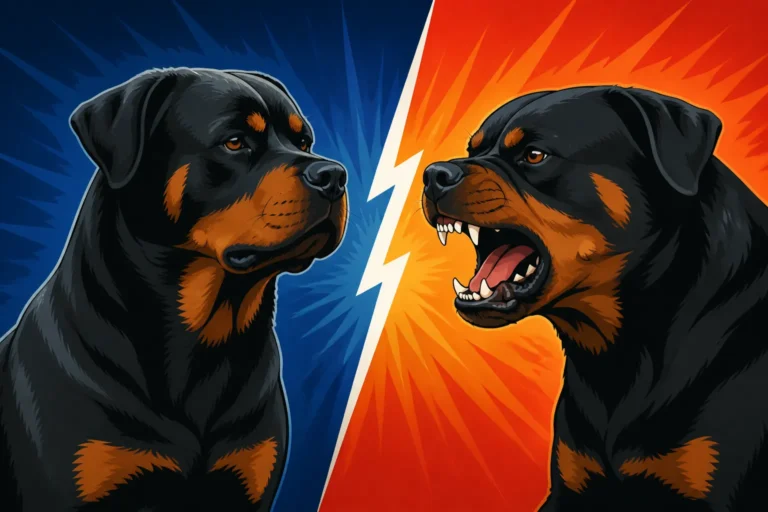
Rottweilers often carry a reputation that precedes them, but once you get to know the breed, you'll discover a deeply loyal and often goofy companion beneath that formidable exterior. They are inherently self-assured and possess a calm, confident demeanor. This often translates into an "aloof" quality, especially when meeting new people or encountering new situations. A Rottweiler won't typically rush up to a stranger with wagging tail and slobbery kisses. Instead, they will observe, assess, and make a judgment. They are very much a "wait-and-see" breed.
This reserved nature means that while they are incredibly devoted to their immediate family, they don't feel the need to be everyone's best friend. This is part of their natural guarding instinct; they are discerning. Once you're in their inner circle, however, prepare for an affectionate, often leaning companion who wants to be close. They thrive on close companionship with their human family and are happiest when involved in family activities, even if it's just napping at your feet. Understanding Rottweiler Aloofness and Why It Reads as Cold can help new owners correctly interpret their behavior rather than mislabeling it as disinterest or unfriendliness.
The German Shepherd's Eager Intelligence
German Shepherds, on the other hand, typically possess an almost boundless enthusiasm and an intense desire to be involved and to work. They are renowned for their sharp intelligence and eagerness to please, which makes them highly trainable. A German Shepherd often forms an incredibly strong bond with their primary handler, often following them from room to room, keenly awaiting instructions or just happy to be in their presence. Their drive to learn and their natural athleticism mean they excel in various canine sports and jobs.
While they are also loyal to their families, their "stranger danger" can manifest differently. They might be more overtly watchful or vocal, prone to barking at perceived threats or new arrivals until they are assured all is well. This intensity means they need clear direction and a consistent leadership to channel their energy positively. Without a job or proper guidance, their intelligence can lead to boredom and destructive behaviors. They are less "wait-and-see" and more "what's next?"
How This Plays Out in a Family Setting
For families with children, both breeds can be wonderful, but their interactions will differ. A well-socialized Rottweiler is often a patient, protective guardian with kids, viewing them as part of their "flock." They might tolerate a lot, but their sheer size and strength mean that supervision is always key, especially with very young children. Their protective instincts are strong, so teaching children to respect the dog's space and boundaries is vital. They generally enjoy quiet time with their people.
German Shepherds, with their higher energy and drive, can be fantastic playmates for active children, often enjoying games of fetch or tug. However, their herding instinct can sometimes lead to nipping at heels or "managing" children's movements, which needs to be carefully managed through training. Like Rottweilers, their size demands supervision. With strangers, the Rottweiler's calm observation versus the German Shepherd's alert, often vocal response can dictate how visitors are received and how much initial guidance you'll need to provide. In multi-pet households, a Rottweiler's territorial guarding of resources might need more management, while a German Shepherd's strong prey drive might need careful introduction to smaller animals like cats.
Training & Socialization: Laying the Foundation for a Well-Adjusted Family Member
Both Rottweilers and German Shepherds are highly intelligent and capable of learning a great deal, but their training journeys will have different focal points due to their inherent traits. Neglecting early socialization and consistent training for either breed is not an option; for dogs of their size and power, it's an absolute necessity to ensure they grow into well-behaved, safe, and happy family members.
The Critical Puppy Phase
The puppy stage is paramount for both breeds. For a Rottweiler, teaching Rottweiler Bite Inhibition and the Adult Mouth from a very young age is crucial. Those sharp puppy teeth can be painful, and while it's natural puppy behavior, a Rottweiler needs to learn early on how much pressure is too much. Coupled with this, extensive and positive Socializing a Rottweiler Puppy Properly with various people, places, sounds, and other calm dogs before they reach 16 weeks is vital. This early exposure helps them develop into confident, discerning adults rather than fearful or overly reactive ones. Without it, their natural wariness can solidify into suspicion.
German Shepherd puppies, too, require intensive socialization, but their inclination to be constantly engaged means they soak up experiences rapidly. Their intelligence makes them eager learners, and engaging them in puppy classes and diverse environments helps channel their energy constructively. For both breeds, starting basic obedience the moment they come home, even at eight weeks, is critical. You're not just teaching commands; you're establishing communication and building a bond of trust and respect.
Ongoing Training Commitments
Training isn't a one-time event; it's an ongoing conversation throughout their lives. For a Rottweiler, consistent, fair, and firm training using positive reinforcement works best. They respond well to structure and appreciate knowing the rules. Because they can be stubborn and have a strong will, your commitment to training must be unwavering. Keeping them engaged with new challenges, even simple tricks or advanced obedience, prevents boredom and reinforces your bond. Remember, you need to be Training a Rottweiler Before It Outweighs You, because a 120-pound dog pulling on the leash is no joke.
German Shepherds thrive on having a "job" to do. Their keen minds and high energy demand regular mental stimulation alongside physical exercise. They excel in advanced obedience, agility, tracking, and even protection sports. If a German Shepherd isn't given constructive outlets for their intelligence, they can become bored, leading to problem behaviors like excessive barking, digging, or even anxiety. Their training should always leverage their desire to please and their love of learning. Regular training sessions, even short ones, are essential for keeping their minds sharp and their behavior on track. You can find many interactive toys and puzzle feeders at Chewy that help provide this mental stimulation.
Managing Their Strength and Drive
Both breeds are incredibly strong, which means leash manners are non-negotiable. For a Rottweiler, teaching Rottweiler Leash Manners at a Hundred Pounds requires patience, the right equipment (like a well-fitting front-clip harness), and consistent practice. A Rottweiler's broad chest and low center of gravity mean they can pull with surprising force. Their natural guarding instinct also needs careful shaping. While you don't want to suppress their protective nature, you do need to be able to control it, ensuring they differentiate between a genuine threat and the mail carrier. This is where The Rottweiler Guarding Instinct and How to Shape It comes into play.
For German Shepherds, their high drive can sometimes make them prone to reactivity on leash, especially if not properly socialized or if they perceive other dogs as a threat. Their strength means an uncontrolled lunge can easily unbalance an owner. Positive reinforcement and counter-conditioning techniques are often employed to help them remain calm in stimulating environments. Both breeds also possess a strong prey drive, so recall training must be solid, especially if you plan to walk them in areas with wildlife or off-leash where permitted. Durable chew toys are also essential for both breeds to satisfy their strong jaws and prevent destructive chewing, and Chewy offers a wide selection designed for powerful chewers.
Exercise Needs: Keeping a Large, Active Dog Happy and Healthy
The idea that large dogs need massive yards to be happy is a common misconception. While outdoor space is certainly a plus, it’s the quality and type of exercise, coupled with mental stimulation, that truly makes a difference. Both Rottweilers and German Shepherds are working breeds and require consistent physical activity, but their energy levels and ideal forms of exercise differ.
Meeting the Rottweiler's Physical Requirements
Rottweilers, while powerful, aren't typically endurance athletes like some other working breeds. They are more akin to sprinters with good stamina. A healthy adult Rottweiler needs at least one to two solid walks daily, totaling 45-60 minutes, along with some playtime in a securely fenced yard. This isn't just a leisurely stroll; it should be a brisk pace that gets their heart rate up. They also enjoy short bursts of running, fetching, or playing tug. However, it's crucial to be mindful of their growth plates when they're young. Rottweiler Growth Plates and Why They Close So Late means high-impact activities like excessive jumping or long-distance running should be avoided until they are fully mature, typically around 18-24 months of age, to protect their developing joints.
Mental stimulation is just as important as physical exercise for a Rottweiler. Puzzle toys, training sessions, or even just exploring new scents on a walk can tire them out mentally. If left under-exercised, both physically and mentally, a Rottweiler can become bored, leading to destructive chewing or excessive barking. But with the right amount of activity, they are generally calm and content indoors, happy to curl up near their family.
Fueling the German Shepherd's High Energy
German Shepherds are, by nature, high-energy dogs with incredible stamina. They were bred to herd and work all day, and that drive is still very much present. An adult German Shepherd typically needs more exercise than a Rottweiler – think multiple longer walks, runs, hikes, or vigorous play sessions daily, often totaling 1.5 to 2 hours or more. They thrive on activities that engage both their body and their mind, such as agility, obedience trials, protection work, or long sessions of fetch. Just running around in a yard isn't usually enough for a German Shepherd; they need a purpose for their energy.
Without sufficient exercise, a German Shepherd can easily become frustrated, anxious, and prone to destructive behaviors. They are the kind of dog that will "make their own job" if you don't give them one, which often involves tearing up furniture, digging craters in the yard, or incessant barking. Interactive toys and regular training are vital to keep their keen minds occupied. They are excellent partners for active individuals or families who enjoy outdoor activities and can integrate their dog into their adventures.
Adapting Exercise to Family Life
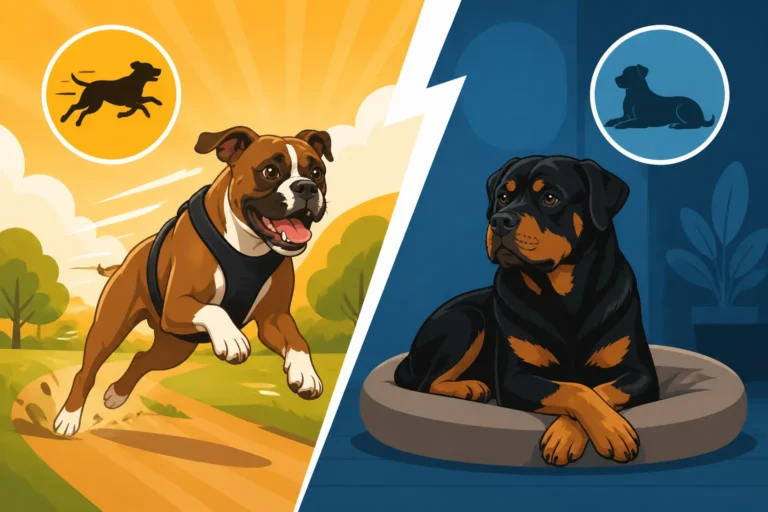
For a busy family, choosing between these two breeds means realistically assessing how much time and effort you can consistently dedicate to exercise. A Rottweiler might be a better fit if your family enjoys daily walks and some focused playtime, but isn't necessarily seeking a dog to join them on intense daily runs or mountain biking expeditions. Their lower overall energy level post-exercise can be appealing for families with younger children or those who prefer a more relaxed evening at home.
The German Shepherd, on the other hand, demands an active household. If your family loves hiking, jogging, or participating in dog sports, a German Shepherd could be your perfect match. They thrive on being an integral part of an active lifestyle. Integrating their exercise needs into family life might involve different family members taking turns with walks, or enrolling in dog sports as a family activity. Remember that while both breeds are robust, proper feeding is key to fueling their activities. You can find high-quality large breed dog food at Chewy to support their energy levels.
Health and Lifespan: Preparing for the Long Haul
Bringing a dog into your life means committing to their health and well-being, often for a decade or more. Both Rottweilers and German Shepherds are prone to certain breed-specific health issues, and understanding these can help you prepare financially and emotionally for their care.
Common Health Concerns in Both Breeds
Unfortunately, both Rottweilers and German Shepherds are predisposed to hip and elbow dysplasia, a genetic condition affecting joint development. This is why reputable breeders prioritize health clearances like those from the Orthopedic Foundation for Animals (OFA) for their breeding dogs. Always ask to see proof of Rottweiler Hips and Elbows and the 24-Month Rule for a puppy's parents. Early screening and careful management of growth are crucial in minimizing the risk and severity of these conditions.
Rottweilers are also famously susceptible to bloat, or Gastric Dilatation and Volvulus (GDV), a life-threatening emergency where the stomach fills with gas and can twist. Knowing Recognizing Bloat in a Rottweiler and understanding the emergency signs is critical for any Rottweiler owner. German Shepherds can also experience bloat, though perhaps not with the same high incidence. Both breeds are also at a higher risk for various cancers. Osteosarcoma, the Cancer That Takes Most Rottweilers is a particularly aggressive bone cancer seen in Rottweilers, while German Shepherds are known for hemangiosarcoma and degenerative myelopathy. Regular vet check-ups, especially as they age, become even more important for early detection.
Lifespan Differences
Generally speaking, large and giant breeds tend to have shorter lifespans than smaller dogs. The Rottweiler Lifespan and the Eight to Ten Year Average reflects this reality. While individual dogs can certainly live longer with excellent care and a bit of luck, this is the typical range. German Shepherds often have a slightly longer average lifespan, typically ranging from 9 to 13 years, though again, individual variations occur.
These averages mean that you might have a few more years with a German Shepherd, but for both, the later years often bring age-related mobility issues, arthritis, or other health challenges. Planning for senior care, including joint supplements and potential mobility aids, is a wise step for owners of either breed.
Financial Considerations for Health
Owning a large breed dog, especially one prone to significant health issues, comes with considerable financial responsibility. The costs associated with diagnosing and treating conditions like hip dysplasia, bloat surgery, or cancer can be substantial. For example, a bloat emergency can quickly run into thousands of dollars for surgery and an overnight stay. Joint surgeries, like a total hip replacement, are also very expensive.
Many owners opt for pet insurance to help mitigate these costs. Understanding Rottweiler Pet Insurance and the $204 Average can give you an idea of monthly premiums, which will vary based on age, breed, location, and the specifics of the policy. It's important to enroll a puppy early, before any pre-existing conditions develop. While German Shepherd insurance rates might differ slightly, the overall need for a financial safety net for medical emergencies remains the same. Regardless of which breed you choose, allocating a budget for veterinary care, high-quality food, and potentially supplements (like those you can find at Chewy for joint support) is an essential part of responsible ownership.
Comparing Key Traits: Rottweiler vs. German Shepherd
To help visualize the differences, here’s a quick comparison of some key traits:
| Trait | Rottweiler | German Shepherd |
|---|---|---|
| Temperament | Confident, reserved, loyal to family, aloof with strangers, strong guarding instinct. | Eager, intelligent, high drive, deeply devoted to handler, watchful, can be vocal. |
| Energy Level | Moderate; needs consistent exercise, but also enjoys quiet downtime. | High; needs extensive daily exercise and mental stimulation. |
| Trainability | Highly intelligent but can be stubborn; thrives on fair, consistent leadership. | Extremely intelligent, eager to please, highly trainable; excels in various dog sports. |
| Affection | Deeply affectionate with family, often "leans" or follows; less demonstrative with strangers. | Very affectionate with family, often seeking interaction; can be reserved with strangers. |
| Guard Instinct | Natural, discerning guardian; observes and assesses threats calmly. | Strong, often more overtly vocal; highly protective of family and property. |
| Socialization Needs | Crucial and extensive, especially with people and new environments to prevent shyness/reactivity. | Crucial and extensive, to prevent over-reactivity and channel high drive positively. |
| Best For | Experienced owners, active families who understand firm-but-fair training, want a devoted guardian. | Experienced owners, highly active families, those seeking a working partner for dog sports. |
| Common Health Issues | Hip/Elbow Dysplasia, Bloat, Osteosarcoma, Cardiac issues. | Hip/Elbow Dysplasia, Degenerative Myelopathy, Bloat, Hemangiosarcoma. |
| Average Lifespan | 8-10 years | 9-13 years |
Ultimately, both Rottweilers and German Shepherds are magnificent breeds capable of being extraordinary family companions, protectors, and partners. The "right" choice isn't about one being inherently better than the other, but about which breed's inherent traits and needs align best with your family's lifestyle, experience level, and commitment to training and care. Take your time, do your research, and be honest about what you can offer a dog of this caliber.
Disclaimer
This article is for general informational purposes only and does not constitute professional advice. Laws, prices and regulations vary by location and change over time. Consult a qualified professional for guidance on your specific situation.