The Temperament Clause in the Rottweiler Standard
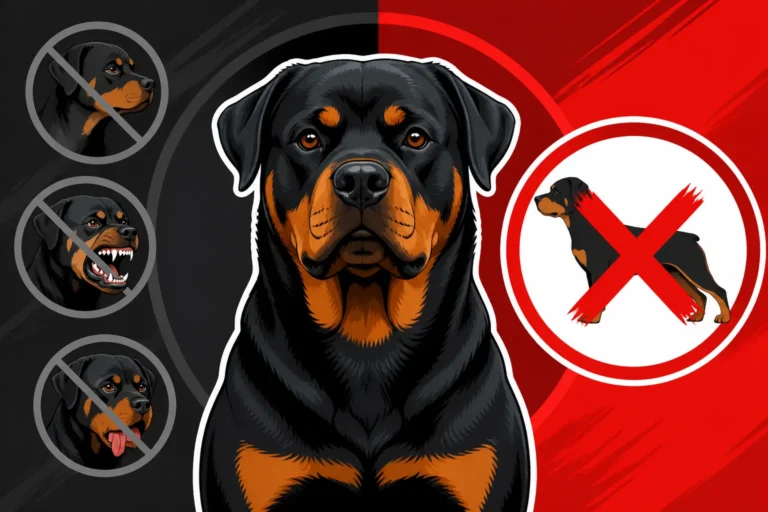
One of the biggest heartbreaks for a Rottweiler owner is when their beloved dog is misunderstood, often labeled as aggressive or dangerous simply because of their breed. This misconception often stems from a lack of understanding of what a true Rottweiler temperament actually is, especially as defined by the very standard that guides breeders. This guide is here to shed light on "The Temperament Clause in the Rottweiler Standard," unpacking its words and helping you understand the magnificent, stable nature that lies at the heart of this incredible breed, and how it translates to the dog living in your home.
What the Rottweiler Standard Says About Temperament
When you delve into the official Rottweiler breed standard, whether it's from the American Kennel Club (AKC) or the Allgemeine Deutsche Rottweiler-Klub (ADRK) in Germany, the language around temperament is incredibly precise. It’s not just a throwaway line; it's a cornerstone of the breed's identity. The standard seeks to describe a dog that is not only capable but also reliable and self-possessed, reflecting its history as a working companion rather than a mindless attack dog. It's designed to weed out extremes and promote a balanced, predictable character.
The Core Description: "Calm, Confident, Courageous, Self-Assured"
These aren't just pretty adjectives; they describe a specific type of mental fortitude. A truly well-bred Rottweiler is first and foremost calm. This means they're not easily ruffled by everyday noises or unexpected movements. They observe their surroundings rather than reacting impulsively. Imagine a UPS truck pulling up, or a child unexpectedly dropping a toy. A calm Rottweiler might register it, but they won't typically leap into a frenzy of barking or panic. They process the information and assess if action is required. This calmness is vital for a dog of their physical presence.
Secondly, they are confident. This trait is often mistaken for arrogance or even aggression, but it’s actually the opposite. A confident Rottweiler isn't insecure, which is a common root cause of fear-based aggression in many dogs. They trust their own judgment and their handler's cues. This confidence allows them to approach new situations with a steady demeanor, whether it's navigating a busy street or meeting new people. They don't need to bark or bluster to feel secure; they simply are secure. This self-assuredness is part of what makes them such effective guardians, as they don't feel the need to overreact.
Then there's courageous, which ties into their working heritage. This isn't about being reckless or looking for a fight; it's about being able to stand their ground when necessary, and to protect their family without hesitation. A courageous Rottweiler will face a perceived threat with a steady resolve, not panic or flee. This can manifest in subtle ways, like confidently walking past a barking dog without reacting, or more overtly, by standing between their family and an approaching stranger. This trait is balanced by their inherent calmness and confidence, preventing it from devolving into unwarranted aggression.
Finally, they are self-assured. This encapsulates all the above. A self-assured Rottweiler knows who they are and what their role is. They don't seek constant reassurance and aren't clingy. They are dependable and steady. This trait means they are capable of making independent judgments, a critical characteristic in a working dog that might have to react without immediate instruction from a handler. It's why they can seem so serious and discerning, especially when meeting strangers. You might notice your Rottweiler taking a minute to observe new guests, a classic The Wait-and-See Way a Rottweiler Meets Strangers approach, before deciding they are acceptable.
Aloofness, Not Aggression: Differentiate Guardedness from Hostility
One of the most frequently misunderstood aspects of Rottweiler temperament is their tendency towards aloofness. The breed standard explicitly calls for this. It means they are not typically effusive with strangers. They won't usually jump all over new people, wagging their whole body and demanding attention like some other breeds. Instead, they will observe, often from a respectful distance. This isn't rudeness; it's a deeply ingrained part of their guarding instinct. They are discerning, and their affections are earned, not given freely.
This guarded nature is a far cry from aggression. An aggressive dog acts out of fear, insecurity, or poor training. An aloof Rottweiler acts out of a natural inclination to be watchful and protective of its inner circle. They might stand quietly beside you, observing a new person with a steady gaze, rather than engaging in boisterous greetings. This is where Rottweiler Aloofness and Why It Reads as Cold comes into play. It's a trait that needs to be appreciated for what it is: a sign of a stable, watchful guardian, not a hostile one. If a Rottweiler is showing true aggression towards every stranger, that’s a significant deviation from the standard and points to a problem, not a desirable trait.
It's about having strong boundaries. Think of it as a personal space bubble. A well-bred Rottweiler has a larger personal space bubble than, say, a Labrador. They don't necessarily want everyone in their bubble, and they communicate that through their reserved demeanor. This is perfectly normal and even desirable for a guardian breed. It's when this guardedness escalates to unprovoked lunging, snarling, or biting that you have a problem that needs immediate attention, often with a professional behaviorist.
The Importance of a Stable Nervous System
Behind all these described traits lies the fundamental requirement for a stable nervous system. This is a genetic component that reputable breeders prioritize above almost all else. A stable nervous system means the dog can process information, react appropriately, and recover quickly from startling events. They don't overreact to stimuli, nor do they underreact to genuine threats. It's about mental resilience and emotional balance.
A dog with an unstable nervous system might be jumpy, overly shy, easily spooked, or prone to excessive fear or excitement. These dogs often struggle in everyday life, becoming reactive to passersby, sounds, or other animals. This is especially dangerous in a large, powerful breed like the Rottweiler, where an unstable temperament can have serious consequences. Breeders carefully select breeding stock, looking at not just the physical traits but also the demonstrable mental soundness of both parents and their ancestors. This is why asking a breeder about the temperament of their adult dogs and previous litters is so crucial, as it speaks directly to the genetic foundation of their puppies. This stability is the bedrock upon which all good training and socialization are built. Without it, you’re constantly fighting an uphill battle.
Why Temperament is So Crucial for a Rottweiler
Given their imposing physical presence, a Rottweiler's temperament isn't just a preference; it's a non-negotiable requirement for responsible ownership. A dog of their size and strength, lacking the specified calm and confidence, can become a significant liability. The breed standard, therefore, isn't just about aesthetics for the show ring; it's a blueprint for a safe and functional companion in the real world. Every aspect of their care, from training to daily management, hinges on this foundational temperament.
Size and Strength Demand Stability
Let's be blunt: a male Rottweiler can easily weigh 120 pounds or more, and possess incredible strength. A dog of this magnitude simply must be stable, calm, and predictable. If a smaller dog has an unstable temperament, it might be an annoyance; if a Rottweiler does, it can be genuinely dangerous. Their power means that any fear-based reaction, any unwarranted aggression, or any lack of impulse control can have severe ramifications. This is why the breed standard emphasizes qualities like "calm" and "self-assured." A truly confident Rottweiler doesn't feel the need to escalate situations unnecessarily.
Imagine trying to manage a 120-pound dog who is prone to sudden fear or aggression on a leash. It's not just a challenge; it's a hazard to yourself, your dog, and the public. Rottweiler Leash Pulling at Adult Weight is already a significant concern even with a well-behaved dog, let alone one reacting impulsively. Their sheer physical presence means they need to be clear-headed and responsive to their handler. A stable temperament ensures that their strength is always under control, a tool for protection when needed, but never a weapon of fear or unpredictability. This underscores why choosing a puppy from reputable lines, where temperament is proven through generations, is paramount.
Impact on Family Life and Public Perception
The temperament of your Rottweiler directly impacts your daily family life and, regrettably, the public perception of the entire breed. A well-adjusted, stable Rottweiler is a joy to live with. They are loyal, affectionate with their family, and often surprisingly gentle despite their imposing looks. They can be wonderful companions for children when properly raised and supervised, understanding their role as watchful protectors.
However, an unstable Rottweiler, one that deviates from the temperament clause, can create immense stress. Constant barking, fear-based reactivity, or resource guarding issues make life difficult and can erode the bond between dog and owner. Furthermore, every negative encounter with a poorly tempered Rottweiler reinforces harmful stereotypes about the breed, fueling breed-specific legislation and discrimination. The goal of the standard is to produce dogs that are breed ambassadors, not those that contribute to negative perceptions. This is a heavy burden, but it's a reality for Rottweiler owners. When you raise a dog that embodies the positive traits of the standard, you are doing a service to all Rottweilers.
The Role of Early Socialization and Training
While genetics provide the foundation for a stable temperament, early socialization and consistent, positive training are absolutely critical in shaping the Rottweiler you will live with. Even the most perfectly bred puppy needs guidance and exposure. The temperament clause isn't a guarantee that a dog will be perfect; it's a statement of potential that must be nurtured. This is especially true for a breed with strong guarding instincts.
Proper socialization means exposing your Rottweiler puppy to a wide variety of sights, sounds, people, and other dogs in a positive and controlled manner during their critical developmental window (typically up to 16 weeks). This helps them learn that most new things aren't threats and helps them build confidence in navigating the world. Think about getting them comfortable with the sounds of traffic, children playing, or people wearing hats. Rottweiler Socialization Before Sixteen Weeks is not just about meeting other dogs; it's about building a robust understanding of the world.
Consistent training, using positive reinforcement methods, teaches them impulse control, good manners, and strengthens the bond between you. Commands like "sit," "stay," and a reliable "come" are not just party tricks; they are vital tools for managing a large, powerful dog in various situations. Companies like Chewy offer a fantastic array of training treats and puzzle toys that can aid in this process, making learning fun and engaging for your Rottweiler. Without this ongoing commitment to training and socialization, even a dog with excellent genetics can develop behavioral issues. You are, in essence, co-authoring your Rottweiler's temperament story. Rottweiler Puppy Training Through the First Year is an ongoing journey that requires dedication.
Reading Between the Lines of the Standard
The breed standard's language is often succinct, but its implications are vast. To truly understand the temperament clause, we need to go beyond the surface words and consider what they mean for the Rottweiler's natural behaviors, how they interact with their world, and how owners can best support these traits. It's about appreciating the subtleties of the Rottweiler mind, rather than expecting them to behave like a golden retriever.
What "Wait-and-See" Truly Means
The "wait-and-see" attitude is a hallmark of the well-bred Rottweiler, directly stemming from their confidence and self-assurance. It doesn't mean they are shy or afraid; it means they are assessing. When a new person enters their space or an unusual event occurs, a Rottweiler won't typically rush in with immediate enthusiasm or fear. Instead, they will observe, often with a still body and a calm, attentive gaze. They are gathering information, evaluating the situation, and deciding if any action is required.
This can sometimes be misread by people unfamiliar with the breed. They might think the Rottweiler is unfriendly or even suspicious. But what they are actually doing is processing. It's a calculated, rather than emotional, response. A Rottweiler wants to know if you are a friend, a threat, or simply irrelevant. Once they determine you're not a threat and perhaps even a source of good things (like treats from a pocket or a calm voice), they will often relax. This "wait-and-see" approach is part of their natural Reading a Calm Rottweiler That Is Actually Alert state and is a valuable trait for a guardian dog, as it prevents impulsive, unwarranted reactions. It allows them to differentiate between a genuinely concerning situation and everyday novelties.
Distinguishing Desirable Guarding Instinct from Undesirable Reactivity
The Rottweiler was bred as a guardian, and the temperament clause embraces this instinct. A desirable guarding instinct means the dog is aware of its surroundings, protective of its family and property, and will act when a true threat is present. This might involve barking at a stranger at the door, or body blocking a child from a perceived danger. It's a controlled, purposeful action. The Rottweiler Guarding Instinct and How to Shape It is about channeling this natural drive into appropriate behaviors.
However, this is starkly different from undesirable reactivity. Reactivity often stems from fear, anxiety, or poor impulse control. A reactive dog might bark and lunge at every passing dog, person, or bicycle out of insecurity or frustration, regardless of whether there's an actual threat. This behavior is uncontrolled, stressful for the dog, and dangerous for those around them. The temperament clause is explicitly trying to breed away from this type of unstable reactivity. A well-bred Rottweiler knows when to be "on duty" and when to relax. They don't live in a constant state of alert.
The table below highlights the difference between these two related but distinct behaviors:
| Trait Aspect | Desirable Guarding Instinct | Undesirable Reactivity |
|---|---|---|
| Motivation | Protection, awareness, discerning assessment of threat. | Fear, insecurity, over-excitement, poor impulse control. |
| Behavior | Calm observation, deliberate alert (bark/stand), controlled response. | Barking, lunging, pulling, trembling, frantic behavior. |
| Recovery Time | Recovers quickly once threat is resolved or reassurance given. | Often remains agitated, takes a long time to calm down. |
| Target | Specific perceived threats to family/property. | Often indiscriminate; anything novel or passing. |
| Predictability | Predictable in its response based on real cues. | Unpredictable, often triggered by minor stimuli. |
| Overall Energy | Grounded, purposeful. | Frenetic, anxious, or aggressive. |
Common Misinterpretations and Their Consequences
Many of the breed's negative stereotypes arise from misinterpretations of the temperament clause or, more often, from dogs that do not meet the standard. Some people mistakenly believe that a "good" Rottweiler should be aggressively territorial or constantly on edge. This is a dangerous misreading. A Rottweiler that is always looking for a fight, or that cannot calmly tolerate visitors, is a temperament failure, not a success. Such dogs often come from irresponsible breeding practices that prioritize size or perceived "toughness" over actual mental soundness.
The consequence of these misinterpretations is profound. Owners might unknowingly encourage aggressive tendencies, believing they are fostering a "guard dog," when in fact they are creating an unstable and dangerous animal. This leads to bites, surrenders to shelters, and further perpetuates the negative image of the breed. It also leads to heartbreaking situations where well-meaning owners are simply overwhelmed by a dog whose temperament is far from what the standard describes. This is why it is so crucial to understand what Whether a Rottweiler Is Naturally Aggressive means – they are not. They are naturally discerning and protective, but not inherently aggressive.
How Breeders Uphold the Temperament Standard
Responsible Rottweiler breeders don't just look at physical traits like head shape or coat color; they are deeply committed to producing dogs with sound temperaments that align perfectly with the breed standard. This commitment involves a multi-faceted approach, combining genetic foresight with early developmental care. It’s an ongoing process that begins long before a puppy is born and continues well into its early weeks of life. When you look for a puppy, the breeder's dedication to this aspect should be one of your top priorities.
Health Clearances and Pedigree Analysis
The pursuit of sound temperament starts with the breeding pair. Reputable breeders meticulously analyze pedigrees, looking for consistent lines of stable, confident dogs. They are not just concerned with physical champions but also with ancestors known for their excellent character. This isn't just about avoiding overt aggression; it’s about avoiding shyness, nervousness, and hyper-reactivity, all of which indicate a less stable nervous system. A good breeder will be transparent about the temperaments of the sire and dam, often allowing you to meet both parents if possible.
Beyond temperament, comprehensive health clearances are a non-negotiable part of responsible breeding, and these too, indirectly support good temperament. A dog free from chronic pain (like severe hip or elbow dysplasia, which are common concerns, see Rottweiler Hips and Elbows and the 24-Month Rule) is far more likely to maintain a stable, happy demeanor than one constantly suffering discomfort. Imagine how grumpy you'd be if you always had a toothache! The same applies to dogs. Breeders will perform genetic tests for conditions like JLPP and the Rottweiler DNA Test and obtain certifications for hips, elbows, heart, and eyes. These The Five Clearances a Rottweiler Breeder Must Have ensure that the puppy is set up for a life of physical health, which in turn contributes significantly to mental well-being and a calm disposition.
Evaluating Puppy Temperament
Once the puppies are born, a good breeder's work continues. They aren't just letting puppies tumble around; they are actively observing and subtly shaping their early experiences. Early neurological stimulation and thoughtful exposure to various sights, sounds, and textures in a positive way contribute to a confident, well-adjusted puppy. This sets the stage for future Socializing a Rottweiler Puppy Properly.
Breeders will often conduct temperament evaluations on their puppies, typically around 7-8 weeks of age. These tests are designed to assess various traits, such as confidence, willingness to follow, sensitivity to sound and touch, and play drive. While not a perfect science, these evaluations help breeders match the right puppy to the right home. For example, a very dominant, assertive puppy might not be the best fit for a first-time dog owner or a quiet household, while a more reserved puppy might thrive in such an environment. Reputable breeders understand that not all puppies are created equal, and they strive to ensure that each Rottweiler goes to a home equipped to meet its specific needs. You can often see this in how a Chewy starter kit might be tailored with toys and tools that encourage specific types of play or problem-solving, aligning with a puppy's emerging personality.
The Owner's Continuing Responsibility
Finally, and perhaps most importantly, the owner plays an absolutely critical role in upholding the temperament standard throughout the Rottweiler's life. A perfectly bred puppy with all the genetic advantages can still develop behavioral issues if not properly raised, trained, and socialized. Conversely, a puppy from slightly less ideal lines might still blossom into a wonderful companion with diligent and knowledgeable ownership. It's a partnership between genetics and environment.
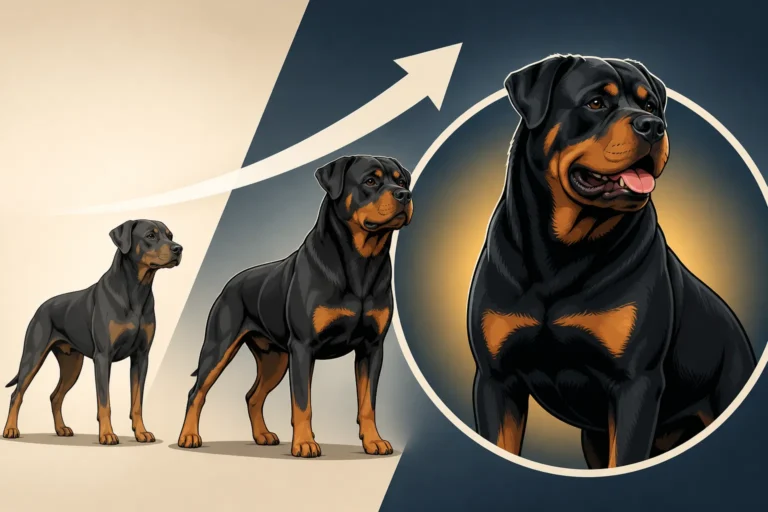
Your commitment to consistent training, ongoing socialization, and clear communication is paramount. This means providing plenty of opportunities for positive reinforcement training, continuing exposure to new experiences throughout adolescence and adulthood, and setting clear boundaries. Regular vet check-ups are also crucial, as pain or illness can drastically alter a dog's demeanor. Remember that a Rottweiler is a powerful, intelligent, and sensitive animal. They thrive on routine, clear leadership, and knowing their place in the family. By investing your time, patience, and love, you can help your Rottweiler live up to the highest ideals of the temperament clause, proving to the world what truly magnificent dogs they are. Why a Rottweiler Must Be Trained Before It Grows is not a suggestion, it's a fundamental truth for this breed.
Disclaimer
This article is for general informational purposes only and does not constitute professional advice. Laws, prices and regulations vary by location and change over time. Consult a qualified professional for guidance on your specific situation.