Rottweiler Cancers Beyond the Bone
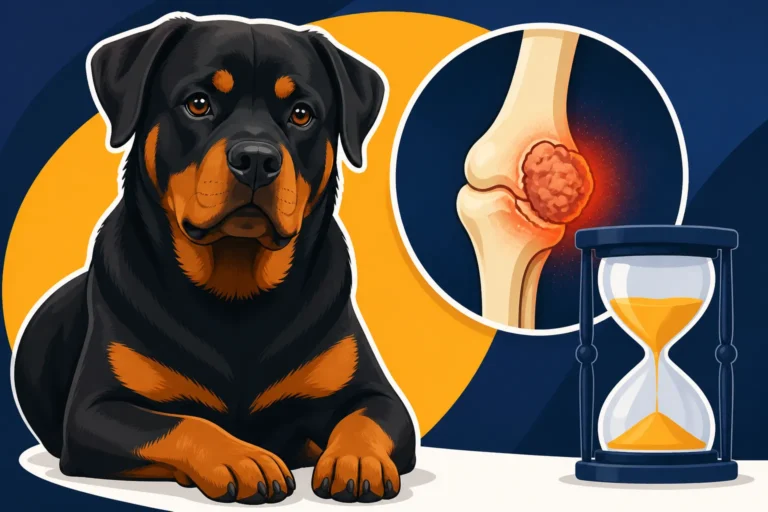
When you think about cancer in Rottweilers, your mind probably jumps straight to osteosarcoma, and for good reason—it's tragically common in our beloved giants. But the truth is, our Rotties can, and unfortunately do, face a whole host of other cancers that aren't bone-related. It's a terrifying thought, seeing a lump or noticing a subtle change, and wondering if it's "the big C." This guide is here to walk you through some of the other significant cancer threats our Rottweilers face, helping you recognize the signs and understand your options, because early detection can make all the difference.
Other Common Cancers Beyond Bone Cancer
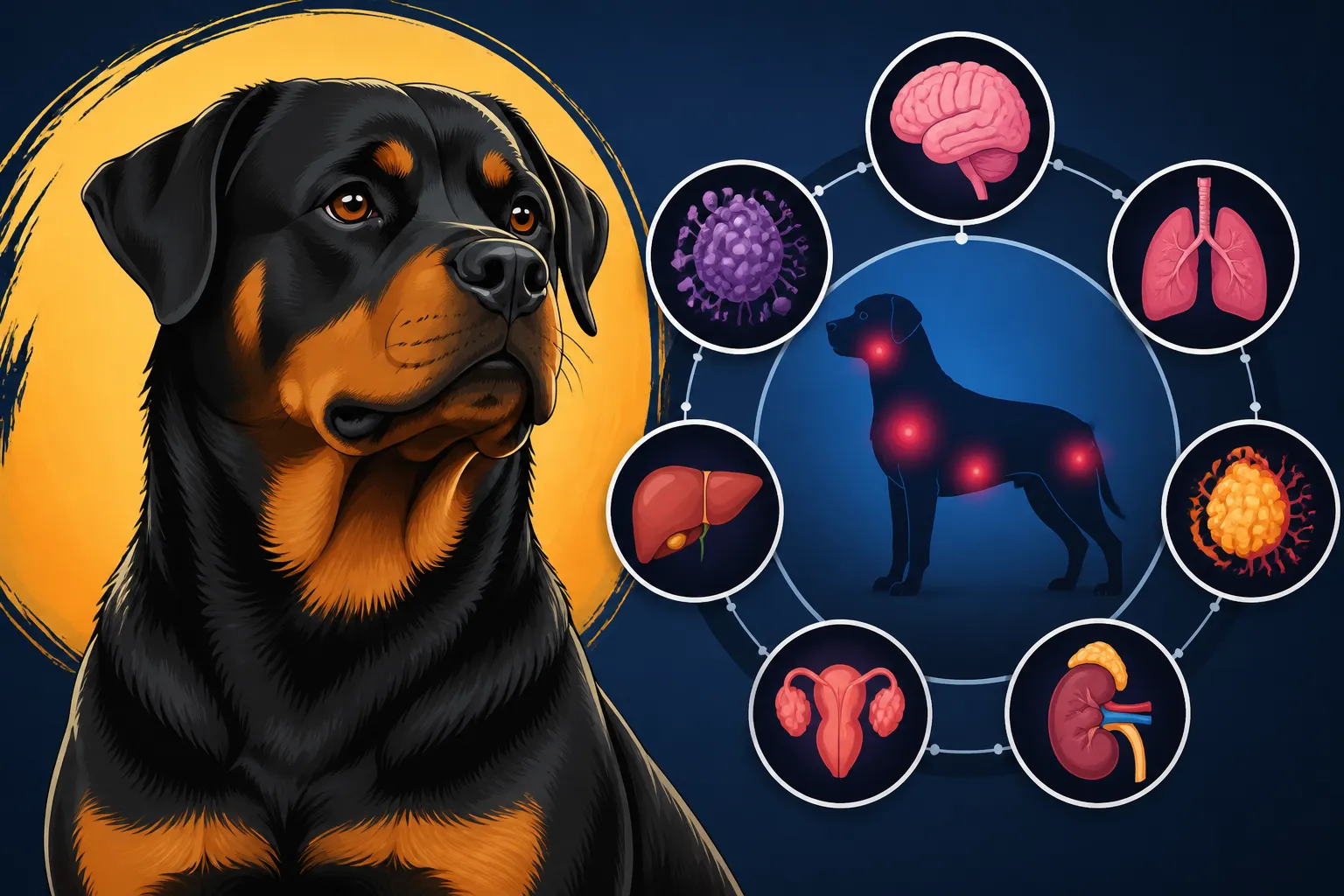
While osteosarcoma looms large in the Rottweiler world, it’s far from the only cancer they contend with. These dogs, bless their hearts, seem to be predisposed to several other aggressive forms of cancer that can strike at various ages and impact different organ systems. Knowing what to look for, even if it feels overwhelming, can empower you to act quickly.
Lymphoma: The Cancer of the Lymphatic System
Lymphoma is one of those cancers that many dog owners, including those with Rottweilers, will encounter. It's a cancer of the lymphatic system, which is basically your dog's immune system's highway, running throughout the body. This means lymphoma can appear almost anywhere, making it a bit of a tricky beast to pinpoint at times. There isn't just one type of lymphoma; it manifests in various forms, each with its own characteristics and typical locations.
The most common form is multicentric lymphoma, where you'll often feel swollen lymph nodes, usually under the jaw, in the armpits, or behind the knees. These lumps are often painless, which is why owners might not notice them until they're quite large. Beyond the visible nodes, dogs with multicentric lymphoma might seem generally unwell – perhaps a bit more tired than usual, losing weight without an obvious reason, or just not having their usual zest for life. Gastrointestinal lymphoma, on the other hand, primarily affects the digestive tract. You might see signs like chronic vomiting, persistent diarrhea, a loss of appetite, or a general failure to thrive. This type can be particularly insidious because its symptoms can mimic a lot of other less serious GI issues, making diagnosis a longer road. There are also rarer forms like mediastinal lymphoma, which affects lymph nodes in the chest, or cutaneous lymphoma, appearing as skin lesions.
Diagnosis often begins with a fine needle aspirate (FNA) of a swollen lymph node or a suspicious mass, where cells are collected and examined under a microscope. If that's inconclusive, a biopsy might be needed to get a definitive diagnosis and to classify the type of lymphoma. Once diagnosed, staging is critical to determine how widespread the cancer is, involving blood tests, urinalysis, X-rays, and ultrasound. This helps determine the best course of action. Treatment typically involves chemotherapy, and while it rarely cures lymphoma, it can often lead to remission, giving your Rottweiler more quality time. Understanding Lymphoma in a Rottweiler and Its First Signs is crucial for any owner.
Hemangiosarcoma: The Silent, Aggressive Killer
Hemangiosarcoma is perhaps one of the most frightening cancers for Rottweiler owners because it often presents with little to no warning. It's a highly aggressive cancer of the cells that line blood vessels, meaning it can arise anywhere there's blood, but it most commonly affects the spleen, heart, or liver. What makes it so devastating is its tendency to grow internally, often unnoticed, until a tumor ruptures and causes sudden, severe internal bleeding.
Imagine your robust Rottweiler playing fetch one minute, full of life, and the next, they collapse suddenly, their gums pale, their abdomen distended. This acute collapse is a classic, terrifying sign of a ruptured hemangiosarcoma. Owners often report their dog was "fine just hours ago." The bleeding leads to shock, and without immediate veterinary intervention, the prognosis is dire. Sometimes, before a catastrophic rupture, you might notice very subtle, intermittent signs: a day or two of lethargy, a slight decrease in appetite, or a brief episode of weakness that resolves itself. These vague symptoms are easily dismissed, which is why hemangiosarcoma is often called "the silent killer."
Diagnosis in an emergency situation usually involves quick imaging like an ultrasound to identify internal bleeding and masses on organs like the spleen or heart. If caught incidentally during a routine ultrasound or surgery for another reason, a splenic mass might be found before it ruptures. Treatment usually involves emergency surgery to remove the affected organ (like a splenectomy), followed by chemotherapy. Unfortunately, even with aggressive treatment, hemangiosarcoma has a very poor prognosis due to its highly metastatic nature; it tends to spread rapidly to other organs, especially the liver and lungs, before it's even diagnosed. Learning about Hemangiosarcoma and Sudden Rottweiler Collapse can help you be prepared for the worst.
Mast Cell Tumors: The Great Mimic
Mast cell tumors are another common cancer in Rottweilers, often referred to as "the great mimic" because they can look like almost anything – a wart, a fatty lump, an insect bite, or just an odd bump on the skin. These tumors originate from mast cells, a type of immune cell found throughout the body, particularly in the skin, respiratory tract, and gastrointestinal tract. This means, much like lymphoma, mast cell tumors can appear in various locations, both externally and internally.
On the skin, they can range from small, soft, movable lumps to firm, ulcerated, angry-looking masses. Sometimes, if you touch them, they might swell up or get red, a phenomenon known as Darier's sign, which is a tell-tale sign of a mast cell tumor releasing histamine. Internal mast cell tumors are far more insidious, affecting organs like the spleen, lymph nodes, or bone marrow. These are much harder to detect without diagnostic imaging, and their symptoms can be vague, such as vomiting, loss of appetite, or unexplained weight loss due to histamine release causing gastric ulcers.
Any new lump or bump on your Rottweiler should always be checked by a vet, especially since mast cell tumors can vary widely in their aggressiveness. A fine needle aspirate is usually the first step, though sometimes even an FNA can be misleading, requiring a biopsy for a definitive diagnosis and proper grading. Mast cell tumors are graded from I to III, with Grade I being the least aggressive and Grade III being the most. This grading is critical for prognosis and treatment planning. Treatment for external tumors typically involves surgical removal with wide margins to ensure all cancerous cells are gone. Depending on the grade and location, chemotherapy or radiation therapy may be recommended post-surgery to reduce the risk of recurrence or metastasis. Explore more about Mast Cell Tumors on a Rottweiler's Skin to understand this common foe.
Recognizing the Early Warning Signs of Cancer
One of the hardest parts of being a Rottweiler owner is knowing when something is truly wrong, especially with their stoic nature. They're not always keen to show weakness, so by the time they're overtly sick, a problem might be quite advanced. That's why being vigilant about subtle changes in their behavior or physical appearance is so incredibly important.
Subtle Changes in Behavior
Your Rottweiler's personality is unique, and you know it better than anyone. When cancer starts to take hold, even if it's not immediately painful, it can drain their energy and dampen their spirits. One of the first things you might notice is a general shift in their usual routine or demeanor. Are they suddenly less enthusiastic about their morning walk, or do they seem to tire out much quicker than usual? Lethargy or decreased stamina can be a red flag. It’s not just a case of them "getting older" – significant changes warrant investigation.
Beyond physical energy, pay attention to their engagement with you and their environment. Are they losing interest in their favorite toys or refusing treats they once loved? A subtle loss of appetite, or an unexplained pickiness, can signal something is off. Even more concerning can be a change in their social habits; perhaps they’re hiding more, seeking less interaction, or reacting unusually to touch. If your normally social Rottweiler suddenly seems withdrawn or appears uncomfortable when you pet a certain area, it’s time to pay close attention. It’s easy to dismiss these as "just a mood" or "getting old," but in a breed prone to cancer, these subtle cues can be precious early warnings. Keep an eye on any Lumps on a Rottweiler That Need Testing as well.
Physical Lumps and Bumps
Every dog owner eventually finds a lump or bump on their pet. With Rottweilers, especially as they age, it can feel like a game of whack-a-mole with all the benign fatty tumors (lipomas) that often appear. However, it's crucial to remember that not all lumps are harmless. Any new lump, or any existing lump that changes in size, shape, or texture, needs to be evaluated by your veterinarian.
When you're petting your Rottweiler, especially during grooming or cuddle time, make it a habit to feel all over their body. Pay close attention to areas like their neck (lymph nodes), armpits, groin, and behind their knees. Feel along their ribcage, down their legs, and even in their mouth. Note the size, consistency (soft, firm, hard), and mobility of any mass. Is it fixed to underlying tissue or does it move freely under the skin? Mast cell tumors, for instance, can present as innocent-looking skin tags or firm, red lumps. Hemangiosarcomas can sometimes feel like soft, squishy masses under the skin, though they're more commonly internal. Don't fall into the trap of assuming it's "just a fatty tumor" until a vet confirms it. Even if it is a lipoma, it's better to be safe than sorry.
Changes in Bodily Functions
Your Rottweiler's bodily functions are a key indicator of internal health. When internal cancers, such as those affecting the gastrointestinal tract, liver, or kidneys, start to develop, they often manifest through changes in digestion, elimination, or fluid balance. Persistent vomiting or chronic diarrhea, especially if it’s bloody or very dark, should send alarm bells ringing. These symptoms can be indicative of gastrointestinal lymphoma or internal mast cell tumors, among other things.
Beyond digestive upset, pay attention to their urination and defecation habits. Are they straining to urinate or defecate? Is there any blood in their urine or stool? Are they suddenly needing to go outside more frequently, or having accidents indoors? Changes in the color, consistency, or frequency of their waste can indicate issues ranging from bladder stones to kidney or prostate cancer. Even a subtle change in their breath – an unusually foul or sweet odor – could point to underlying metabolic issues caused by a tumor. Excessive thirst or increased urination might suggest kidney issues or other systemic problems associated with cancer. It's easy to overlook these changes as minor annoyances, but they are often the body's way of signaling a deeper problem.
Diagnosing Cancer in Your Rottweiler
Hearing the word "cancer" can be paralyzing, but remember that diagnosis is the first step toward understanding and action. Modern veterinary medicine offers a range of tools to accurately identify and stage cancer, which is crucial for developing the most effective treatment plan for your beloved Rottweiler.
Initial Vet Visit and Physical Exam
When you bring your Rottweiler to the vet with concerns about a lump or suspicious symptoms, the first step will always be a thorough physical examination. Your vet will systematically check your dog from nose to tail, palpating lymph nodes, feeling the abdomen for enlarged organs or masses, and inspecting the skin and mucous membranes. They’ll also listen to your Rottweiler’s heart and lungs, check their temperature, and assess their overall body condition.
During this exam, your vet will ask you a lot of questions about your Rottweiler's history – when did you first notice the symptom? Has it changed? Any changes in appetite, energy levels, drinking, or bathroom habits? Be as detailed as possible, as every piece of information helps paint a clearer picture. If a suspicious lump is found, a fine needle aspirate (FNA) is usually performed on the spot. This involves inserting a tiny needle into the mass to collect cells, which are then spread on a slide and examined under a microscope. An FNA is quick, minimally invasive, and can often provide immediate clues, sometimes even a definitive diagnosis, especially for common cancers like lymphoma or mast cell tumors. However, sometimes the sample might not be sufficient or conclusive, leading to further diagnostics.
Diagnostic Tools for Internal Cancers
If the physical exam or initial FNA points towards an internal issue or is inconclusive for an external mass, your vet will recommend a suite of diagnostic tests. Bloodwork, including a complete blood count (CBC) and a biochemistry panel, is standard. These tests can reveal abnormalities like anemia (common with internal bleeding from hemangiosarcoma), elevated white blood cells (with inflammation or certain cancers), or changes in organ function that might be affected by tumors. A urinalysis can also provide valuable insights into kidney function and rule out other issues.
For internal masses or to assess the spread of cancer, imaging techniques are indispensable. X-rays are often used to check for masses in the chest (lungs, heart, lymph nodes) or abdomen, and to look for signs of bone involvement if that's a concern. Ultrasounds are excellent for visualizing soft tissue organs like the spleen, liver, kidneys, and lymph nodes, allowing the vet to see internal masses, assess their size, and guide biopsies if needed. More advanced imaging like CT scans or MRIs might be recommended, especially before complex surgeries or to get a detailed view of tumors in difficult-to-image areas, like the brain or spine. These tools are crucial for staging the cancer, which means determining how far it has spread, a critical factor in determining prognosis and treatment. For dogs over six, regular Cancer Screening for a Rottweiler Past Six can become a vital part of their routine care.
Biopsy and Pathology: Getting a Definitive Answer
While FNAs and imaging can provide strong suspicions, a definitive cancer diagnosis almost always requires a biopsy. A biopsy involves surgically removing a small piece of the tumor tissue (incisional biopsy) or the entire tumor (excisional biopsy) for detailed examination by a veterinary pathologist. Unlike an FNA, a biopsy provides more tissue, allowing the pathologist to not only identify the type of cancer but also to grade it (determine its aggressiveness) and assess if surgical margins are clear, if the entire mass was removed.
The pathologist's report is the gold standard for diagnosis. It will confirm the presence of cancer, specify the cell type (e.g., lymphoma, mast cell tumor, hemangiosarcoma), provide a grade (if applicable), and note any other important features. This detailed information is what allows your veterinarian and any oncology specialists to formulate a precise treatment plan. Without a biopsy, treatments are often based on best guesses, which can be less effective or even inappropriate. It’s an extra step, often requiring anesthesia, but it’s absolutely vital for clarity and guiding subsequent decisions for your Rottweiler's health journey.
Treatment Options Beyond Amputation
Once a diagnosis is made, the conversation naturally shifts to treatment. While osteosarcoma often involves amputation, other cancers in Rottweilers offer a different range of therapeutic approaches. The goal is always to extend quality of life, minimize discomfort, and, if possible, achieve remission or a cure.
Surgery for Solid Tumors
For many solid tumors that are localized and haven't spread extensively, surgical removal is often the first and most effective line of defense. This is particularly true for mast cell tumors, where complete surgical excision with wide, clean margins can often be curative for lower-grade tumors. The challenge with Rottweilers is their size; excising large tumors with adequate margins might require reconstructive surgery or be more extensive than for smaller breeds, but it's often worth the effort.
Surgical intervention is also critical for internal tumors like those found in the spleen. If a hemangiosarcoma is detected on the spleen before it ruptures, a splenectomy (removal of the spleen) can buy significant time and prevent a life-threatening bleeding event. Even if it has ruptured, emergency splenectomy is often performed to stop the bleeding and allow time for further treatment, even if it's not a cure. The success of surgery depends heavily on the tumor type, its location, size, and whether it has already metastasized. For a skilled veterinary surgeon, removing a primary tumor is often within reach, but the real battle often lies in addressing any microscopic spread.
Chemotherapy and Radiation: Systemic and Localized Approaches
When cancer has spread, or is prone to spreading (like lymphoma and hemangiosarcoma), chemotherapy becomes a crucial treatment modality. Unlike surgery, which is localized, chemotherapy works systemically, targeting cancer cells throughout the body. Many different chemotherapy protocols exist, tailored to the specific type of cancer. For lymphoma, chemotherapy is the cornerstone of treatment, often leading to remissions that can last for months or even years, significantly improving quality of life.
It's important to understand that canine chemotherapy is generally much less harsh than human chemotherapy. The goal in veterinary medicine is typically to maintain a good quality of life, so doses are adjusted to minimize side effects, which might include temporary lethargy, mild nausea, or diarrhea. Most dogs tolerate chemotherapy very well. Radiation therapy is another powerful tool, especially for localized tumors that are difficult to remove surgically or for shrinking tumors to make surgery more feasible. It uses high-energy rays to damage and kill cancer cells. Radiation is often used for certain mast cell tumors, nasal tumors, or brain tumors. Both chemotherapy and radiation are often used in conjunction with surgery, either before (neoadjuvant) or after (adjuvant) the procedure, to maximize effectiveness. Pondering Chemotherapy Protocols Used on Rottweilers can help you understand the journey ahead.
Emerging Therapies and Supportive Care
The field of veterinary oncology is constantly advancing, bringing new hope through emerging therapies. Immunotherapy, for example, aims to harness the dog's own immune system to fight cancer cells. This can involve vaccines specific to certain cancers or other agents that boost the immune response. Targeted therapies, which focus on specific molecular pathways that cancer cells use to grow and survive, are also becoming more available, offering more precise treatment with potentially fewer side effects. These newer options, while often cutting-edge and sometimes expensive, can provide additional avenues for treatment, particularly for cancers that don't respond well to traditional approaches.
Regardless of the primary treatment, supportive care is absolutely essential for your Rottweiler's comfort and well-being. This includes meticulous pain management, especially after surgery or if the tumor causes discomfort. Anti-nausea medications, appetite stimulants, and nutritional support can help manage side effects of chemotherapy and ensure your dog maintains strength. Sometimes, even if a cure isn't possible, palliative care focuses entirely on comfort, ensuring your Rottweiler lives out their remaining time with dignity and as little pain as possible. This approach focuses on making sure they still enjoy their favorite things – walks, cuddles, and tasty treats – for as long as possible. Understanding Palliative Care for a Rottweiler With Cancer is a crucial step for owners facing difficult decisions.
Managing the Financial Burden of Cancer Treatment
Let's be real: talking about money when your heart is breaking over a cancer diagnosis feels awful, but it's a necessary conversation. The reality is that cancer treatment for a Rottweiler can be incredibly expensive, and understanding these costs upfront can help you make informed decisions without added stress during an already difficult time.
Understanding the Costs Involved
The financial outlay for cancer treatment can vary wildly depending on the type of cancer, the stage, and the chosen treatment protocol. Diagnostics alone can run into hundreds, even thousands, of dollars, encompassing everything from initial blood tests and X-rays to advanced ultrasounds, CT scans, and biopsy fees. If surgery is required, especially for a large breed like a Rottweiler, you're looking at costs that can quickly climb into the several thousands. This includes anesthesia, the surgeon's fee, hospitalization, and post-operative medications.
Chemotherapy sessions are usually billed per treatment, and a full protocol can involve many sessions over several months. Each session might cost a few hundred dollars, quickly adding up to thousands. Radiation therapy is also typically a multi-session treatment and can be one of the most expensive options. Beyond the direct treatment, there are ongoing costs for supportive medications, follow-up diagnostics to monitor progress, and regular vet visits. It’s not uncommon for a full course of cancer treatment for a Rottweiler to cost anywhere from $5,000 to $20,000 or even more, depending on the specifics. This isn't meant to scare you, but to provide a realistic picture of the potential financial commitment involved. Consider also the cost implications of Rottweiler Surgery Costs From Bloat to Bone Cancer for further context.
Pet Insurance and Cancer Coverage
This is where pet insurance truly shines, and for a breed like the Rottweiler, prone to several serious conditions including various cancers, it can be a lifesaver. Many owners regret not getting pet insurance until it's too late and they're staring down a massive vet bill. A good pet insurance policy, especially one enrolled when your Rottweiler is young and healthy, can cover a significant portion of cancer treatment costs. Companies like Healthy Paws are well-regarded for their comprehensive coverage, often reimbursing 70-90% of eligible vet bills after your deductible is met.
It's critical to understand the nuances of your policy. Most pet insurance plans, including those from Healthy Paws, will not cover pre-existing conditions. This means if your Rottweiler is diagnosed with cancer before you enroll or before the policy's waiting period ends, that specific cancer won't be covered. This is why getting insurance early is so important. When shopping for a policy, look at the annual limits (some are unlimited, which is ideal for cancer), the reimbursement percentage, and the deductible options. While pet insurance premiums for a Rottweiler can seem substantial, averaging around Rottweiler Insurance Premiums Around $204 a Month, the peace of mind and financial relief they provide during a crisis are invaluable. Having it means you can focus on your dog's health rather than agonizing over how to pay for life-saving treatment. Make sure you also understand What a Rottweiler Policy Will Not Cover to manage your expectations.
Financial Aid and Support Options
Even with pet insurance, or if you don't have it, facing the financial strain of cancer treatment can be overwhelming. Don't feel like you're alone; there are resources available that might be able to help. Many veterinary oncology centers offer payment plans or work with third-party financing options like CareCredit, which allows you to spread out payments over time, often with low or no interest for a promotional period.
Beyond that, a number of charitable organizations are dedicated to helping pet owners afford veterinary care, particularly for serious illnesses like cancer. Foundations such as The Pet Fund, RedRover, and Frankie's Friends provide financial assistance based on need and specific criteria. Some breed-specific rescues or clubs, like dedicated Rottweiler rescue groups, might also have emergency funds or be able to offer guidance on where to find help. It's always worth asking your veterinary team about any local or national resources they recommend. While the conversation around money is tough, knowing these options exist can provide a much-needed lifeline when your Rottweiler needs you most.
Prognosis and Quality of Life Considerations
Facing a cancer diagnosis in your Rottweiler is profoundly emotional. Beyond the immediate treatments, you'll inevitably consider the long-term outlook and, most importantly, your dog's quality of life throughout this journey.
Factors Influencing Outcomes
The prognosis for a Rottweiler with cancer is not a one-size-fits-all answer; it depends on a complex interplay of factors. The specific type of cancer is paramount: an aggressive hemangiosarcoma has a much graver prognosis than a low-grade mast cell tumor. The stage of the cancer at diagnosis, meaning how advanced it is and whether it has spread (metastasized), is another critical predictor. Early detection of a localized tumor generally leads to a better outcome than finding a cancer that has already spread widely.
Individual factors also play a significant role. Your Rottweiler's overall health, age, and any other underlying medical conditions can impact their ability to tolerate treatment and recover. A younger, otherwise healthy Rottweiler might handle chemotherapy better than an older dog with concurrent heart or kidney issues. The chosen treatment protocol and the dog's response to it are also vital. Some dogs respond remarkably well, achieving long remissions, while others may not respond at all. Your veterinary oncologist will consider all these variables to give you the most accurate and realistic prognosis possible for your specific situation.
Maintaining Comfort and Palliative Care
Regardless of the prognosis, ensuring your Rottweiler's comfort should always be a top priority. Cancer itself, or the treatments, can cause pain or discomfort. Effective pain management is crucial. This might involve a combination of medications, from NSAIDs to opioids, depending on the severity and type of pain. Your vet can help you create a pain management plan that keeps your Rottie as comfortable as possible. Beyond pain, managing side effects like nausea or appetite loss, or even just supporting their mobility if they're weak, falls under palliative care.
Palliative care focuses on maximizing quality of life, even when a cure isn't possible. It's about treating symptoms, providing comfort, and ensuring your Rottweiler can still enjoy the things that make them happy. This means good nutrition, gentle exercise, plenty of soft bedding, and, of course, endless love and attention. It’s about savoring every good day and making sure your dog feels loved and secure. Sometimes, the best treatment plan focuses not on aggressively attacking the cancer, but on ensuring maximum comfort and joy for their remaining time. Knowing how to tell if your dog is comfortable involves careful observation of their behavior, appetite, and interactions. Learning to objectively assess Scoring Quality of Life for a Rottweiler can provide a valuable framework during this sensitive time.
Making Difficult Decisions
The most heart-wrenching part of a cancer journey with your beloved Rottweiler is often the eventual need to make end-of-life decisions. This is a profound act of love, putting your dog's well-being above your own grief. It's a conversation that should ideally happen well before a crisis point, allowing you to consider all factors when your emotions aren't completely overwhelming.
Your veterinary team can guide you through this process, helping you assess your Rottweiler's quality of life. They might use tools like a "quality of life scale" that evaluates factors like pain, appetite, hydration, hygiene, happiness, and mobility. When your Rottweiler's bad days consistently outnumber their good days, when they no longer find joy in their favorite activities, or when pain cannot be adequately controlled, it may be time to consider euthanasia. This is a deeply personal decision, unique to every family and every dog. It’s important to give yourself permission to grieve and to know that choosing to end suffering is a final act of compassion. Many people choose to have their dog euthanized at home, in familiar surroundings, surrounded by loved ones. Planning for Making End-of-Life Decisions for a Rottweiler can help you navigate this painful but important stage with grace and dignity.
Disclaimer
This article is intended for informational purposes only and does not constitute veterinary advice. Always consult with a qualified veterinarian for any health concerns or before making any decisions about your Rottweiler's medical care.