Why a Rottweiler Cracks Teeth on Hard Chews
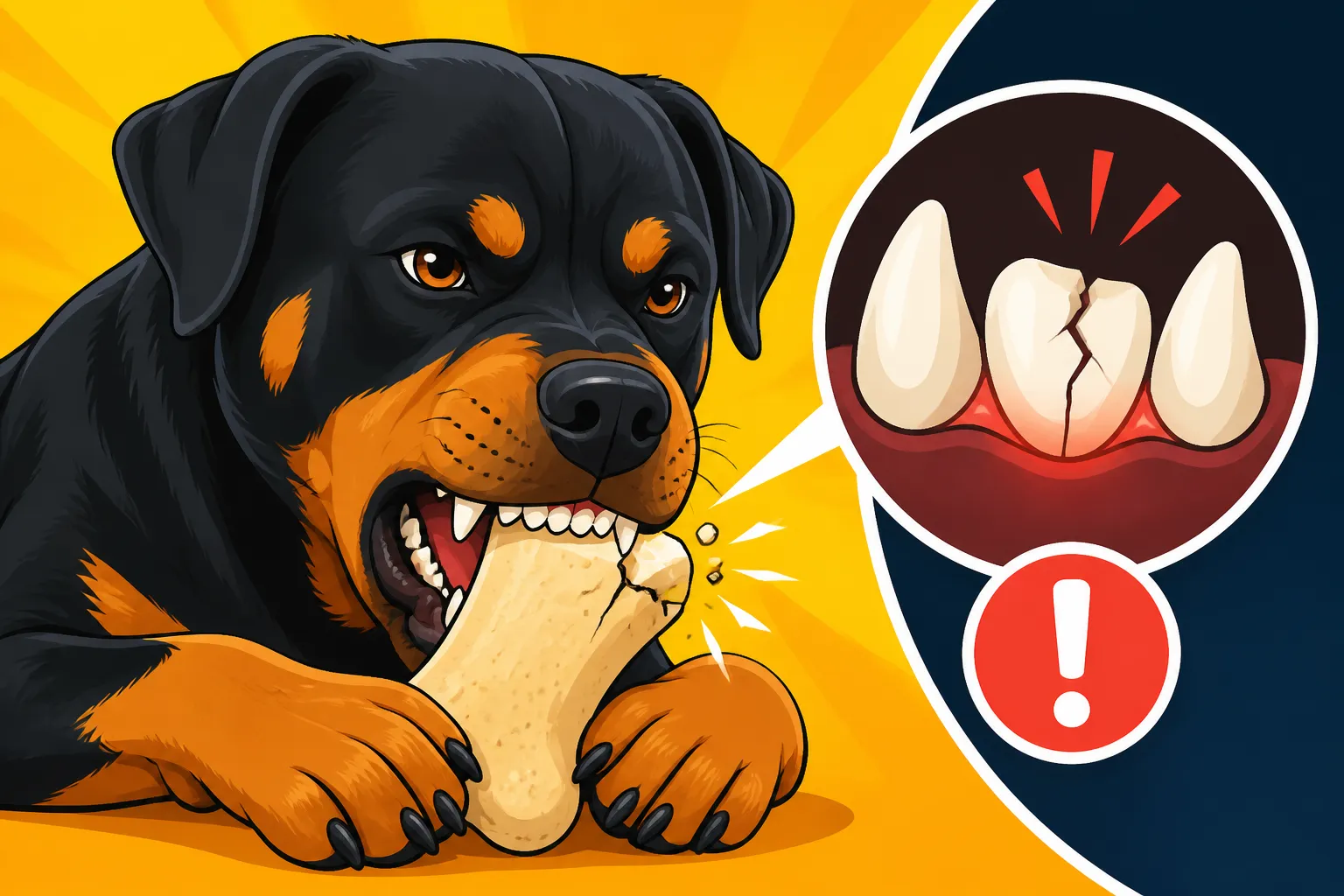
It’s a heartbreaking moment for any Rottweiler owner: you’re trying your best to keep your powerful chewer happy and engaged with what you thought was a durable toy, only to discover a chipped or, worse, a cracked tooth. You bought it because it was supposed to last, right? Many of us have been there, feeling that gut-wrenching guilt and confusion. This guide is here to shed light on exactly why Rottweilers are so prone to cracking their teeth on hard chews and, more importantly, how you can prevent this painful and often costly injury.
The Unyielding Power of a Rottweiler's Jaw
Understanding why a Rottweiler's teeth are so vulnerable to hard chews really starts with appreciating the sheer power and design of their mouths. These aren't just any dog jaws; they're built for serious work, historically for herding cattle and guarding property. That strength comes with a caveat when it comes to playtime.
Anatomy of a Rottweiler's Bite
A Rottweiler's skull structure is incredibly robust, providing ample space for large, powerful chewing muscles. When you look at your Rottie, notice how broad their head is, especially around the cheeks and temples. These areas house the masseter and temporalis muscles, which are incredibly strong and designed to apply immense pressure. They don't just bite down; they crush. This powerful musculature, combined with a strong, wide jawbone, means their bite force is formidable. It's a testament to their heritage and their ability to hold onto whatever they're tasked with, but it also means their teeth bear the brunt of that force when they clamp down on something unyielding.
Their teeth themselves are also designed for efficiency. Rottweilers possess strong, well-rooted molars and premolars that are broad and have substantial surface area, perfect for grinding and tearing. While these teeth are incredibly tough, they are not invincible. They have an outer layer of enamel, just like human teeth, and while it's the hardest substance in the body, it can still fracture. Underneath, there's dentin and then the pulp cavity, which contains nerves and blood vessels. When the enamel and dentin give way, especially on a molar or premolar, the pulp can become exposed, leading to excruciating pain and a high risk of infection. You can read more about what these powerful jaws can do in What 328 Pounds of Bite Pressure Actually Does.
The Force Behind Their Chew
It's not just the static strength of their bite; it's the dynamic force they apply when chewing. A Rottweiler doesn't just gnaw gently; they engage in intense, repetitive chewing sessions, especially when they're focused on a high-value item. Think about the way your Rottie will settle down with a new chew, completely engrossed, using their entire body to leverage power into their jaws. This constant, heavy-duty chewing creates immense stress on their teeth. Each time they clamp down on something inflexible, a tiny bit of force is absorbed by the tooth. Over time, or with one particularly aggressive chomp on a truly unyielding object, this can lead to a fracture. It’s a bit like continuously hitting a strong hammer against a hard rock – eventually, either the hammerhead or the rock will crack.
For a dog like a Rottweiler, whose drive to chew is often immense, this can be a particular problem. They aren't just chewing for enjoyment; it's a natural instinct, a way to relieve stress, clean their teeth (ironically, with the wrong chews), and satisfy an innate need. This powerful drive, combined with a physical capability to match, means that selecting the right chew is not just about entertainment; it's about protecting their health.
Why Their Teeth Are Different
While all dogs can crack teeth, Rottweilers and other large, powerful breeds are statistically at a higher risk. This isn't just due to their size, but a combination of factors. Their larger teeth, while seemingly more robust, present a bigger surface area to bear impact. Plus, their genetic predisposition for a strong bite and a high chewing drive means they are more likely to spend prolonged periods vigorously working on a chew. This is why a chew that might be perfectly safe for a small terrier could be a serious hazard for a Rottweiler.
Many owners, myself included, often mistakenly believe that the harder the chew, the better, assuming it will last longer against a powerful jaw. This intuitive logic, however, directly contradicts dental health principles. A chew should ideally be softer than the tooth it is engaging with. If the chew material is harder or as hard as the tooth enamel, it becomes a destructive force rather than a beneficial one. This is a critical distinction to make when you're standing in the pet store aisle or browsing online, contemplating what might keep your Rottie busy without landing you a hefty vet bill for Rottweiler Dental Disease and Cracked Teeth.
The "Too Hard" Problem: Chews That Crack Teeth
So, what exactly are these "too hard" chews that pose such a risk to our Rottweilers' formidable dental equipment? It's a common misconception that anything marketed as a "long-lasting chew" is automatically safe. Unfortunately, some of the most popular and seemingly durable options are the biggest culprits for dental fractures.
Natural Bone and Antler Dangers
This is perhaps the biggest surprise and disappointment for many owners. We naturally think of dogs and bones, right? It's in their DNA. But raw, recreational bones and antlers are often far too hard for a Rottweiler's teeth, especially weight-bearing bones like femurs or hip bones from large animals. While they might love to gnaw on them, the bone's density and rigidity create an unyielding surface. When your Rottie applies their full bite force, instead of giving way, the bone remains firm, and the tooth is forced to absorb the impact. This can lead to slab fractures, where a large piece of the tooth (often a premolar or molar) breaks off, exposing the sensitive pulp inside. Cooked bones are even worse, as they become brittle and splinter, posing choking hazards and internal damage in addition to tooth fractures.
Antlers are another seemingly natural option that many powerful chewers adore. They can last for ages, which sounds great on paper. However, antlers are essentially bone, and they are incredibly dense. They do not flex or compress at all when chewed. The outer layer is particularly hard, and even if your Rottie grinds it down, the sharp edges that form can also cause damage to gums and other soft tissues in the mouth. It's a tough pill to swallow when you've invested in what you thought was a safe, natural, and durable product, only to find out it was a ticking time bomb for your dog's teeth. These are definitely items that fall under the category of Antlers and Bones a Rottweiler Should Not Have.
Hard Nylon and Synthetic Chews
Walk into any pet store or browse a site like Chewy or Amazon, and you'll find an abundance of nylon or extremely hard synthetic chews marketed for "extreme chewers" or "power chewers." While these might seem like a good idea because they resist immediate destruction, their very hardness is the problem. Just like bones and antlers, these materials often don't yield to the force of a Rottweiler's bite. They are designed not to break down, but the trade-off is often dental integrity.
Many of these chews are made from materials like hard plastic or dense nylon that simply don't have enough give. A quick "thumbnail test" (which we'll discuss later) often reveals they are as hard as, or harder than, your own fingernail. If you can't make an indentation with your thumbnail, it's likely too hard for your Rottweiler's teeth. These chews can cause the same slab fractures as natural bones, leading to significant pain and expensive dental work. It's a frustrating paradox: the chews designed to be indestructible are often the ones doing the most destruction to your dog's mouth.
Unexpected Risks: Ice and Rocks
Beyond commercial chews, there are other surprising items that can wreak havoc on a Rottweiler's teeth. Ice cubes, for instance, seem harmless. They're just frozen water, right? But ice is incredibly hard and unforgiving. When a Rottweiler, with their powerful bite, crunches down on an ice cube, it's like hitting a rock. The sudden, intense impact on a rigid surface can easily cause a tooth to fracture. Many vets will tell you tales of dental emergencies stemming from a seemingly innocent ice cube habit.
Similarly, rocks are an obvious but often overlooked hazard. Some dogs develop a habit of picking up and chewing on rocks, especially if they are bored or trying to alleviate discomfort. For a Rottweiler, this is an extremely dangerous activity. Rocks are, by their very nature, designed not to break down, and chewing on them is a surefire way to chip, fracture, or even wear down teeth over time. Always discourage your Rottweiler from chewing on rocks, both for dental health and to prevent ingestion, which can lead to other serious medical issues.
Recognizing and Addressing a Cracked Tooth
Even with the best intentions, accidents happen. It's crucial for Rottweiler owners to be vigilant for signs of a cracked tooth, as dogs are notoriously good at hiding pain. The sooner you catch a problem, the better the prognosis and often the less extensive (and expensive) the treatment.
Signs Your Rottweiler Might Have a Problem
Identifying a cracked tooth can be tricky because your stoic Rottweiler might not show obvious signs of discomfort until the pain is severe or an infection sets in. However, there are several subtle indicators to watch for. One of the most common is a change in chewing habits. Perhaps they start favoring one side of their mouth, or they become hesitant to chew on their favorite toys or hard food. You might notice them dropping food or chews more often than usual.
Bad breath, or halitosis, can be another strong clue, especially if it's a sudden onset. An exposed pulp cavity is an open invitation for bacteria, leading to infection and a foul odor. Swelling around the jaw or face, or a discharge from the mouth, are also red flags indicating a potential abscess. Other signs can include excessive drooling, pawing at their mouth, reluctance to be touched near their face, or even changes in personality, such as becoming more irritable or withdrawn due to chronic pain. Sometimes, you might even see a visible crack or a discolored spot (often dark brown or black) on the tooth itself, which indicates a dead or dying pulp. Regular home dental checks, gently lifting their lips and looking at their teeth, can help you catch these issues early. Remember, a healthy Rottweiler Dental Care for a Jaw That Cracks Bone routine is key.
The Veterinary Process and Costs
If you suspect your Rottweiler has a cracked tooth, a vet visit is imperative. Dental issues, especially fractures that expose the pulp, are not something to "wait and see" about. The vet will perform a thorough oral examination, which often requires sedation or general anesthesia, as a dog's mouth is a sensitive area and a painful tooth can make them defensive. Under anesthesia, the vet can probe the teeth, take dental X-rays (which are crucial for seeing below the gumline and identifying root damage or abscesses), and get a clear picture of the extent of the damage.
Treatment options vary depending on the severity and location of the crack. For a minor chip that doesn't expose the pulp, sometimes smoothing the tooth or a sealant is enough. However, for a full fracture exposing the pulp, the most common solutions are a root canal or extraction. A root canal aims to save the tooth by removing the infected pulp and filling the cavity, then crowning the tooth to protect it. This is a specialized procedure often performed by a veterinary dental specialist. Extraction involves removing the entire damaged tooth. Both procedures require anesthesia, pain management, and a recovery period. The costs can be substantial, ranging from several hundred to several thousand dollars, depending on the tooth, the procedure, and where you live. This is why Rottweiler Emergency Vet Bills a Rottweiler Owner Should Expect can quickly add up, and why prevention truly is the best medicine. You'll likely encounter bills for initial examination, anesthesia, x-rays, the procedure itself, medications, and follow-up care. Remember that Why Anesthesia Is Billed by a Rottweiler's Weight means these procedures are often more costly for larger breeds like Rottweilers.
Prevention is Always Best
The best way to avoid the pain, infection, and expense of a cracked tooth is to prevent it in the first place. This means being incredibly selective about what you allow your Rottweiler to chew on. It requires a shift in mindset from "how long will this last?" to "how safe is this for their teeth?" Regular dental check-ups with your veterinarian are also crucial. They can spot early signs of wear and tear, or even small chips you might have missed, and advise you on the best preventive strategies.
Beyond chew selection, consider your Rottweiler's overall dental hygiene. While chews are often marketed as "dental cleaning" tools, regular brushing with a dog-specific toothbrush and toothpaste is far more effective at preventing plaque and tartar buildup, which can also contribute to dental issues. Introduce these habits during Rottweiler Puppy Training Through the First Year so they become second nature. When you combine careful chew selection with good oral hygiene and regular vet visits, you significantly reduce the risk of your Rottweiler suffering from a painful cracked tooth.
Choosing Safe Chews for Your Power Chewer
Given the risks, how do you navigate the bewildering world of dog chews and find options that are truly safe for your Rottweiler’s powerful jaw? It's all about making informed choices and knowing what to look for—and what to avoid.
The Bend Test and Other Safety Checks
When evaluating a chew, remember this golden rule: if you can't make an indentation with your thumbnail, or if it feels like you could break your own tooth trying to bite it, it's too hard for your Rottweiler. This is often called the "bend test" or "thumbnail test." The chew should have some give, some flexibility. It doesn't need to be squishy, but it shouldn't be rock-hard either. If it's as hard as concrete, it's a no-go.
Another critical check is the "give" test. Can you flex it slightly? Does it have any elasticity? If it’s entirely rigid, it’s a potential hazard. Also, consider how it breaks down. Does it soften and shred into digestible pieces, or does it splinter into sharp shards? Avoid anything that splinters. Finally, always supervise your Rottweiler during chewing sessions. Even a safe chew can become problematic if it's suddenly destroyed into a choking hazard or if your dog tries to swallow large pieces. Supervision allows you to intervene if a chew becomes too small or if they're chewing it inappropriately.
Recommended Chew Alternatives
So, what can you give your Rottweiler? Focus on chews that offer appropriate resistance without being rigid. Here are some great options:
- Rubber Chews (Kongs, Goughnuts): These are fantastic. Brands like Kong and Goughnuts make extremely durable rubber toys that can withstand immense chewing power. They're designed to flex and give, making them far safer for teeth. Plus, many can be stuffed with treats, peanut butter, or even their kibble (you can find plenty of options on Chewy or Amazon), turning chewing into a puzzle game. This provides mental stimulation in addition to physical satisfaction.
- Dental Chews (Veterinary Approved): There are many excellent dental chews on the market specifically designed to be tough enough to clean teeth but soft enough not to cause fractures. Look for brands that have a Veterinary Oral Health Council (VOHC) seal of approval, which indicates they meet standards for plaque and/or tartar control. These are generally digestible and come in sizes appropriate for a large dog like a Rottweiler.
- Rawhide Alternatives (Limited Use and Quality): If you choose to use rawhide, opt for high-quality, easily digestible alternatives that are made in countries with strict safety standards. Look for thick, pressed rawhide that softens with saliva rather than splintering. Better yet, consider alternatives made from vegetable starches or other digestible ingredients that provide a similar chewing experience without the potential for indigestible pieces or splintering. Always supervise with any rawhide product.
- Bully Sticks/Pizzle Sticks: These are highly digestible and generally much softer than bones or antlers. They offer a good, long-lasting chew for many Rottweilers, though some particularly aggressive chewers might get through them quickly. Again, supervision is key, especially as the stick gets smaller, to prevent choking. You can often find great bulk deals on Chewy or Amazon.
- Softwood Chews: Some companies now make chews from specific types of hardwoods that are designed to fray into safe, digestible fibers rather than splintering. Always check the brand's reputation and how the chew breaks down.
When selecting any chew, consider your individual Rottweiler. Some dogs are simply harder chewers than others. What works for one Rottie might not be safe for another. The goal is to provide satisfying, engaging chewing opportunities that promote dental health, not compromise it. For more ideas on what's safe, check out Chews That Do Not Crack a Rottweiler Molar.
Supervision: Your Best Defense
Even with the safest chews, supervision remains your ultimate tool against dental injuries. A chew that is perfectly safe for an hour might become a hazard if it breaks down unexpectedly or if your Rottweiler changes their chewing style.
Here’s why supervision is non-negotiable:
- Monitoring Chew Degradation: Chews, even durable ones, eventually break down. You need to be present to remove pieces that become too small and could be swallowed whole, posing a choking risk or intestinal blockage. This is particularly true for digestible chews like bully sticks – you don't want your Rottie trying to swallow the last inch.
- Observing Chewing Behavior: Sometimes a dog might start chewing a normally safe toy in an unsafe way, perhaps aggressively grinding it against a hard surface or trying to break off large chunks. Your presence allows you to redirect this behavior or remove the chew.
- Detecting Early Problems: If a chew does cause a chip or crack, immediate supervision means you might notice a small amount of blood, a sudden yelp, or a change in how your dog is holding their mouth. Early detection of a dental injury can significantly impact the success and cost of treatment.
- Rotating Chews: Offer a variety of appropriate chews and rotate them to keep your Rottweiler interested and prevent them from becoming overly fixated on a single type. This also helps distribute wear and tear across their teeth and keeps their mind engaged.
Think of it like supervising a child with a toy – you wouldn't just hand them something and walk away if there's any potential for harm. Your Rottweiler, despite their size and seeming independence, relies on you to make these critical safety judgments.
| Chew Type | Safety for Rottweilers | Notes |
|---|---|---|
| Natural Bones (Hard) | HIGH RISK | Weight-bearing bones (femur, hip). Can cause slab fractures, expose pulp. Cooked bones splinter. Avoid. |
| Antlers | HIGH RISK | Extremely hard and rigid. Can cause fractures and sharp edges. Avoid. |
| Ice Cubes | HIGH RISK | Hard and unforgiving. Sudden impact can cause fractures. Avoid. |
| Rocks | EXTREME RISK | Can fracture, chip, or severely wear down teeth. Discourage immediately. |
| Hard Nylon/Synthetic | MEDIUM-HIGH RISK | Many are too rigid; choose carefully. Must pass thumbnail/flex test. Avoid "indestructible" claims if too hard. |
| Thick Rubber (Kong) | LOW RISK | Designed to flex and give. Excellent for stuffing and mental enrichment. Highly recommended. |
| VOHC-Approved Dental | LOW RISK | Formulated to be digestible and effective at cleaning. Choose appropriate size. |
| Bully Sticks | LOW-MEDIUM RISK | Generally digestible and softer than bone. Can be consumed quickly by power chewers. Supervise, especially as they get small. |
| Softwood Chews | LOW-MEDIUM RISK | Look for specific brands designed to fray safely. Research how they break down. |
| Yak Chews (Himalayan) | MEDIUM RISK | Can be quite hard initially. Some dogs soften them well, others may crack teeth. Monitor closely, especially for aggressive chewers. |
Ultimately, keeping your Rottweiler's teeth healthy means being a proactive and informed owner. It means understanding their immense power, selecting appropriate chews, and committing to diligent supervision. Your Rottie will thank you for it, and your vet bill will, too!
Disclaimer
This article is for general informational purposes only and does not constitute professional advice. Laws, prices and regulations vary by location and change over time. Consult a qualified professional for guidance on your specific situation.