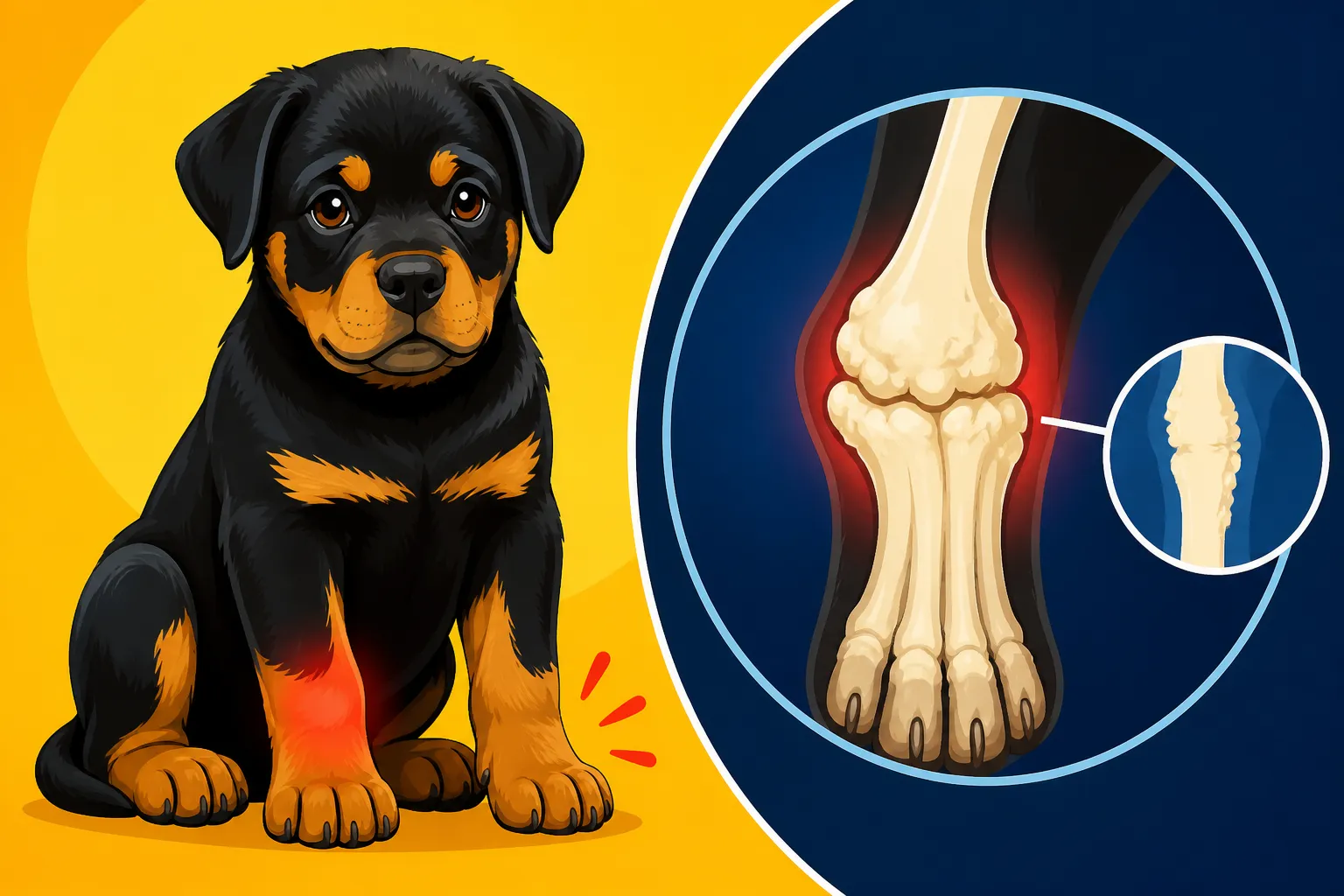
Hypertrophic Osteodystrophy in a Rottweiler Puppy
It’s incredibly distressing to see your big, beautiful Rottweiler puppy, full of life and boundless energy, suddenly struggling with unexplained lameness, pain, and swelling. You might panic, wondering if it's a broken bone, a bad fall, or something even worse. This guide is here to walk you through understanding Hypertrophic Osteodystrophy (HOD), a condition that can affect rapidly growing large breed puppies like Rottweilers, helping you recognize its signs, understand its causes, and navigate the journey of managing it.
What Exactly is Hypertrophic Osteodystrophy HOD
Hypertrophic Osteodystrophy, or HOD, is a painful bone disorder that primarily affects fast-growing large and giant breed puppies, and Rottweilers are definitely among those at risk. It’s not just a little stiffness; it can be quite severe, often manifesting as acute lameness and fever. Imagine a young child experiencing growing pains, but multiplied by ten and affecting their ability to move or even stand comfortably. That's closer to what HOD can feel like for a puppy. It’s a condition that tends to flare up and then recede, making diagnosis sometimes tricky if you don't catch it during an active phase.
The Rapid Growth Connection
One of the defining characteristics of HOD is its strong link to periods of rapid growth in puppies. Rottweiler puppies, known for their impressive size and rapid development, are particularly susceptible. Their bones and tissues are literally expanding at an incredible rate, and sometimes this process goes awry. It's almost as if their bodies are trying to build a skyscraper without laying the proper foundation first. This intense growth spurt, typically seen between two and eight months of age, puts immense stress on their developing skeletal system. It’s a time when everything from their diet to their exercise needs careful monitoring to support healthy bone and joint development. This is why paying close attention to Rottweiler Growth Plates and Why They Close So Late is so crucial.
How It Affects the Bones
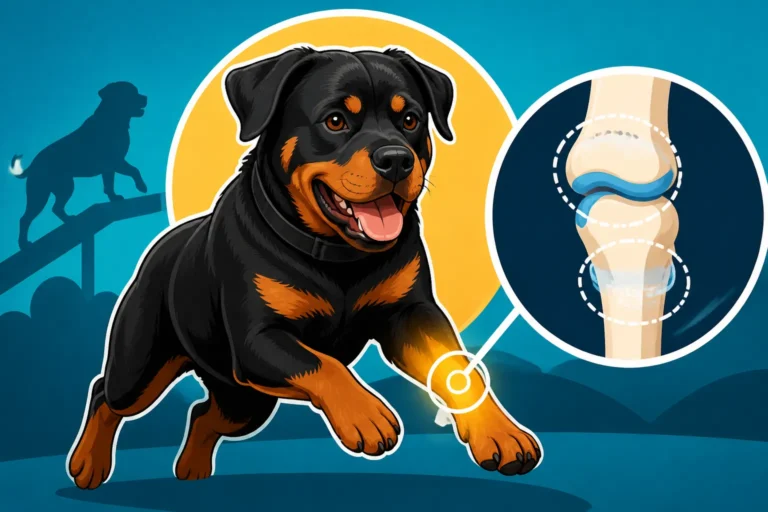
At its core, HOD is an inflammatory condition affecting the growth plates (also known as the physes) of long bones, particularly those in the legs near the joints. These growth plates are critical areas of cartilage where new bone tissue is formed, allowing the bones to lengthen. In puppies with HOD, there’s a disturbance in this cartilage formation, leading to inflammation, microscopic hemorrhages, and ultimately, impaired ossification – meaning the cartilage isn't turning into bone correctly. You might see swelling around the joints, most commonly the carpus (wrist) and tarsus (ankle), but it can also affect elbows, knees, and even ribs. This inflammation and disruption within the growth plates are what cause the intense pain and fever your puppy might experience, making every step a challenge.
Recognizing the Signs of HOD in Your Rottweiler Puppy
Spotting HOD early can make a real difference in your puppy's comfort and recovery. It’s important to remember that Rottweilers are stoic by nature, and they might try to hide their pain, especially initially. As a responsible owner, you'll need to be extra vigilant and learn to read subtle cues that something isn't right. The good news is that while terrifying, the signs are often distinct enough to point you and your vet in the right direction.
Early Physical Symptoms
The most noticeable symptom of HOD is usually lameness or a reluctance to walk. Your Rottweiler puppy, who might have been romping around just fine, suddenly becomes stiff, limps, or refuses to bear weight on one or more legs. This lameness can be intermittent, affecting different limbs at different times, which can be particularly confusing. You might also notice distinct swelling around the joints, often described as warm and painful to the touch. These swellings are typically symmetrical, appearing on both sides of the body, even if the lameness seems to favor one leg.
Beyond the joints, puppies with HOD frequently develop a fever. This isn't just a slight elevation; it can be a significant fever, making them lethargic and generally unwell. They might shiver, feel hot to the touch, and just not seem like themselves. This combination of lameness, joint swelling, and fever is a classic HOD triad. In severe cases, puppies might become so debilitated that they can’t stand, leading to muscle wasting if the condition persists without intervention. It’s a stark reminder of how fragile those rapidly developing bones can be. For more insights into proper joint development, you might want to read about Rottweiler Growth Plates Closing at Eighteen to Twenty-Four Months.
Behavioral Changes to Watch For
When a puppy is in pain, their behavior often changes. A usually playful and energetic Rottweiler puppy might become withdrawn, quiet, and less interactive. They might spend more time lying down, avoiding play, or showing a distinct lack of interest in their favorite toys or walks. They might also cry or yelp when touched, especially around the affected joints. You might even notice changes in their appetite – they might eat less or refuse food altogether, contributing to their overall weakness.
Another subtle sign can be an altered gait or stance. They might try to take shorter steps, hunch their back, or stand with their legs tucked under them to relieve pressure. Some puppies might shift their weight constantly, trying to find a comfortable position, only to fail. Watching for these behavioral shifts is just as important as looking for physical symptoms, as they can be your earliest warning that your puppy is experiencing discomfort. Remember, even a robust breed like a Rottweiler will show signs of pain, though they might try to hide it initially.
The Role of Diet and Genetics in Rottweiler HOD
When it comes to HOD in Rottweilers, diet and genetics are two sides of the same coin. While we often focus on making sure our puppies get enough to eat, with HOD, the problem often lies in too much or the wrong kind of nutrition, especially during their critical growth phases. But it’s not just about food; there's a genetic component at play that can predispose certain lines to this condition.
The Pitfalls of Over-Nutrition
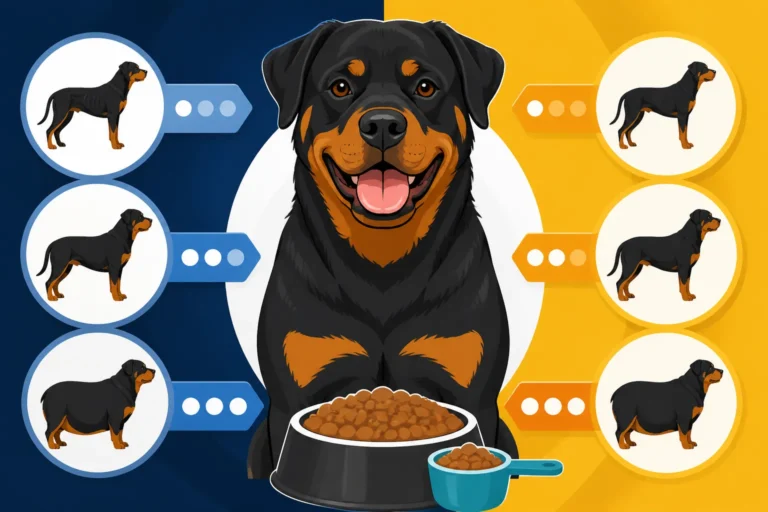
It's a common misconception among owners of large breed puppies that they need to "grow them big and fast." We see their enormous paws and think, "Wow, they're going to be huge, they must need extra food!" This often leads to overfeeding or supplementing their diet unnecessarily. For a Rottweiler puppy, this can be incredibly detrimental. Over-nutrition, especially an excess of calories, protein, and critically, calcium, can accelerate growth beyond what their skeletal system is ready for. Think of it like pushing a car too hard before its engine is fully broken in.
Instead of building stronger bones, this rapid, forced growth can throw off the delicate balance required for proper bone development at the growth plates. It can lead to the very inflammatory processes seen in HOD. This is why feeding a Rottweiler Puppy That Grows for Two Years requires specific attention.
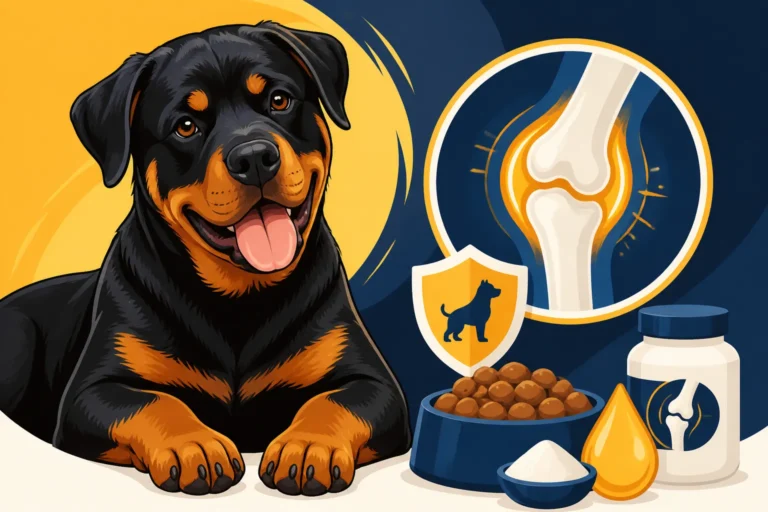
It’s crucial to feed a high-quality large breed puppy formula, specifically designed to support slower, more controlled growth. These diets typically have a carefully controlled calcium-to-phosphorus ratio and moderate calorie content. Avoiding free-feeding is also key; measure out meals precisely. For instance, you can find excellent large breed puppy foods from reputable brands on platforms like Chewy or Amazon, ensuring they meet the specific nutritional needs of your growing giant. You can learn more about this in Why a Rottweiler Puppy Needs Large Breed Formula and Rottweiler Calcium Limits and Why Supplements Hurt.
| Dietary Component | General Guidelines for Large Breed Puppies (Approximate) | Why It Matters for HOD |
|---|---|---|
| Protein | 22-26% on a dry matter basis | Supports muscle growth without over-accelerating bone growth. Excessive protein isn't the primary HOD driver, but contributes to rapid growth. |
| Fat | 12-15% on a dry matter basis | Provides energy. High fat content leads to high calories, which can promote too-rapid growth. |
| Calcium | 1.0-1.5% on a dry matter basis | CRITICAL for bone development. Too little can cause issues, but too much is a major HOD risk factor. |
| Phosphorus | 0.8-1.2% on a dry matter basis | Works with calcium. The ratio (Ca:P) should ideally be between 1.1:1 and 1.3:1. |
| Vitamin D | Controlled levels (often not listed as a percentage) | Essential for calcium absorption. Excessive supplementation can be dangerous. |
| Calories | Moderate, specifically designed for large breeds | Prevents excessively fast growth, which strains developing joints and growth plates. |
Always consult your veterinarian for specific dietary recommendations tailored to your individual puppy's needs.
Genetic Predisposition in Rottweilers
While diet is a huge factor, we can't ignore the genetic side of HOD. Certain breeds, including Rottweilers, Great Danes, Weimaraners, and German Shepherds, appear to have a genetic predisposition to the condition. This means that even with the most meticulous diet and exercise regimen, some puppies might still develop HOD if they carry the genetic markers. It's not a simple recessive gene like some other conditions, but rather a complex interplay of multiple genes and environmental factors.
This highlights the importance of choosing a reputable breeder who understands breed-specific health concerns and carefully screens their breeding stock. While there isn't a direct genetic test for HOD like there is for JLPP, good breeders will have a history of producing healthy puppies with sound structures and will be transparent about any instances of HOD in their lines. They prioritize breeding for overall health and slower, steady growth. Asking questions about the incidence of HOD in previous litters or the parent dogs' siblings can give you valuable insight. Though not directly about HOD, understanding The Five Clearances a Rottweiler Breeder Must Have can give you a good sense of a breeder's commitment to health.
Managing HOD: Treatment and Recovery
Discovering your Rottweiler puppy has HOD can be scary, but the good news is that with proper veterinary care and diligent home management, most puppies recover fully. The key is to work closely with your veterinarian to tailor a treatment plan that addresses your puppy’s pain and supports their healing process. It's a journey that often involves patience and careful monitoring.
Veterinary Diagnosis and Initial Steps
The first crucial step is getting an accurate diagnosis from your veterinarian. They will perform a thorough physical examination, feeling the joints for swelling and pain, assessing lameness, and checking for fever. X-rays are usually the definitive diagnostic tool. These images will show characteristic changes in the growth plates, such as a double physis sign or irregular metaphyseal lucencies, which are essentially areas where the bone isn't forming correctly. Your vet might also run blood tests to rule out other conditions and check for signs of inflammation.
Once HOD is confirmed, the immediate goal is pain management and reducing inflammation. Your vet will likely prescribe anti-inflammatory medications, often NSAIDs (non-steroidal anti-inflammatory drugs) specifically formulated for dogs. In some severe cases, steroids might be used, but this is less common due to potential side effects. The vet might also recommend antibiotics if there’s a concern for secondary bacterial infection, though HOD itself is not bacterial. Following your vet’s dosage instructions precisely is paramount; never give human medications or adjust doses without their guidance.
Supportive Care at Home
Much of the recovery from HOD happens at home with your dedicated care. This means strict rest, especially during acute flare-ups. Limit your puppy's activity to short, controlled leash walks for potty breaks only, avoiding jumping, running, and rough play. This might be challenging with an energetic Rottweiler puppy, but it’s vital for allowing the growth plates to heal. Consider restricting them to a large crate or a small, confined area to prevent overexertion. This period of limited activity is a perfect time for mental enrichment activities, like puzzle feeders you might find on Amazon, to keep their busy Rottweiler minds engaged without stressing their joints.
Warm compresses on the affected joints can help soothe inflammation and provide comfort. Ensure your puppy has a soft, supportive bed to rest on; a quality orthopedic bed found on Chewy can make a big difference in their comfort, especially if they’re spending a lot of time lying down.
Nutritional adjustments, as discussed earlier, are also critical. Your vet will guide you on appropriate feeding, likely recommending a large breed puppy food with controlled calcium and calorie levels. Avoid all supplements unless specifically instructed by your vet, especially calcium, which can worsen the condition. Some owners, when faced with dietary challenges, explore balanced fresh food options from services like Ollie, always ensuring they meet the specific nutritional requirements advised by their vet. It's about providing consistent, appropriate nutrition, not excessive amounts. Keeping a Rottweiler Puppy Lean on Purpose is a good philosophy to adopt.
Long-Term Outlook and Prevention
The good news is that most Rottweiler puppies with HOD recover completely, often without long-term lameness or joint problems, especially with early intervention and proper management. Flare-ups can occur, sometimes repeatedly, until the puppy is around 12 to 18 months old when their growth plates begin to close. Once the growth plates are fully closed, HOD typically resolves permanently. You should also be mindful of A Growing Rottweiler's Joints and Overexercise as this can exacerbate joint issues.
Prevention largely circles back to proper nutrition and responsible breeding.
- Controlled Growth: Feed a high-quality, large-breed puppy food designed to support slow, steady growth. Avoid overfeeding to achieve maximum size quickly.
- Avoid Calcium Supplements: Unless specifically directed by your vet for a diagnosed deficiency, do not supplement your Rottweiler puppy’s diet with calcium.
- Moderate Exercise: Ensure your puppy gets appropriate, age-specific exercise. Excessive or high-impact exercise can put undue stress on their developing joints. Remember the "five-minute rule" for walks: 5 minutes per month of age, twice a day. So a 4-month-old puppy gets 20 minutes, twice a day. This is detailed further in The Five Minute Rule for Rottweiler Puppy Walks.
- Choose a Reputable Breeder: A breeder who prioritizes health clearances and understands the genetics of their lines can help minimize the risk of many conditions, including HOD.
While HOD can be a frightening experience, understanding the condition and taking proactive steps can help your Rottweiler puppy grow into a healthy, robust adult.
Disclaimer
This article is for general informational purposes only and does not constitute professional advice. Laws, prices and regulations vary by location and change over time. Consult a qualified professional for guidance on your specific situation.