Foods and Plants a Rottweiler Must Not Reach
It’s a natural thing for a Rottweiler to be curious, especially when they’re young. They investigate the world with their mouths, and that often means sniffing out interesting smells and tastes, whether those are on your kitchen counter or out in the yard. The problem is, many everyday foods and seemingly innocent plants can pose a serious, sometimes fatal, threat to our big, powerful companions. Unlike smaller dogs, a Rottweiler's size doesn't make them immune to toxins; in fact, it can sometimes mean they ingest a larger quantity before symptoms appear, making early detection and intervention absolutely critical. This guide will walk you through the most common household and garden dangers, helping you create a safer environment for your beloved Rottie.
Everyday Foods That Spell Danger for Your Rottweiler
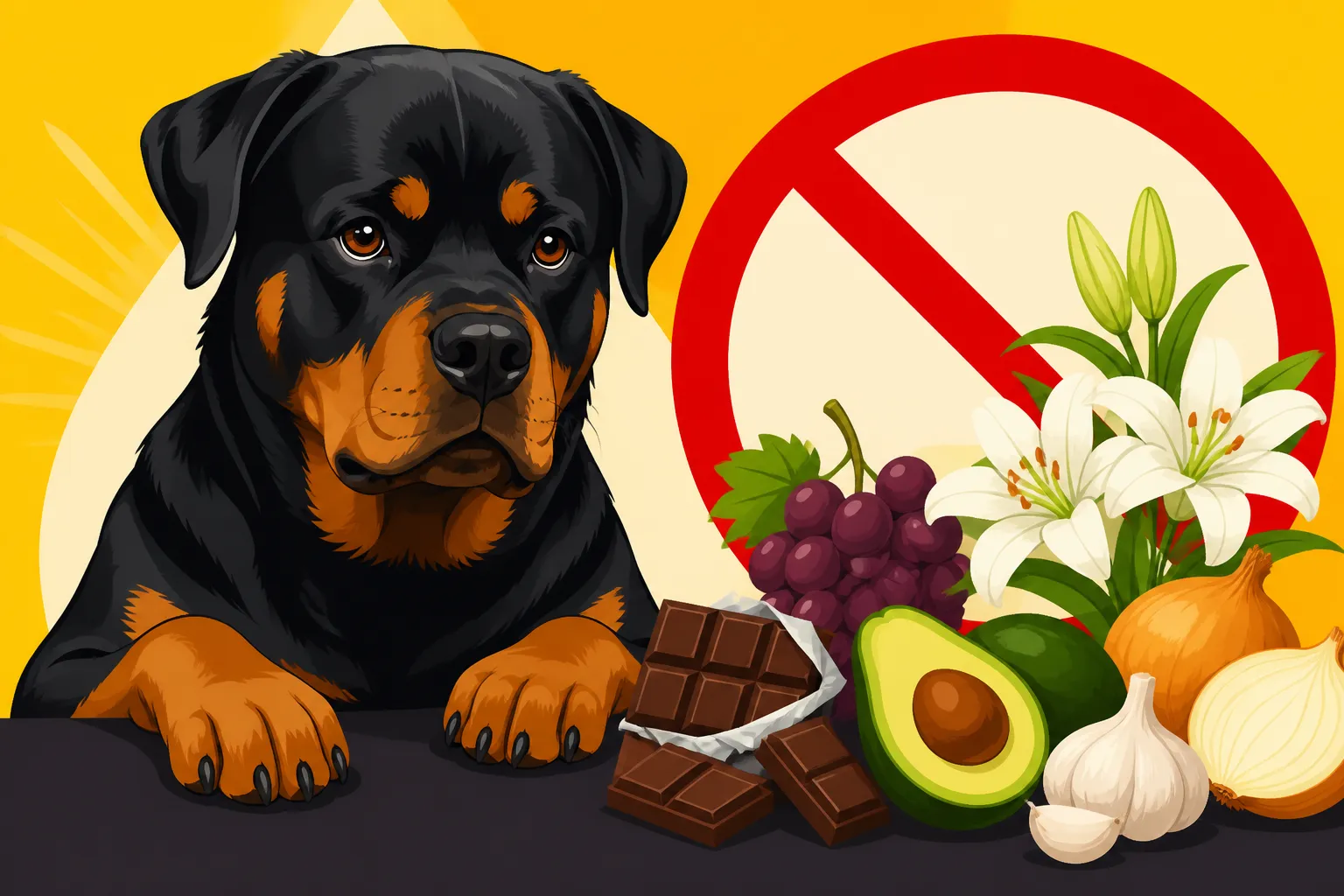
We all love to share treats with our dogs, and it’s easy to assume that if it’s safe for us, it’s safe for them. Unfortunately, that’s just not the case, and some of the most common human foods can be incredibly toxic to Rottweilers. Their robust appearance can give a false sense of security, but their physiology is very different from ours.
The Silent Killers: Xylitol and Grapes/Raisins
These two categories are perhaps some of the most insidious threats because they are so common in our homes and often ingested without us even realizing the danger until it's too late.
Xylitol is a sugar substitute found in an alarming number of products, from sugar-free gum and candies to certain brands of peanut butter, toothpaste, and even some baked goods labeled "diabetic friendly." For dogs, especially a larger breed like a Rottweiler, ingesting xylitol causes a rapid and severe release of insulin, leading to a sudden and dangerous drop in blood sugar (hypoglycemia). This can happen within minutes to hours of ingestion. If enough is consumed, it can also lead to liver failure, which is often irreversible. Always read labels carefully – if a product is sugar-free, check for xylitol. Even a small amount can cause a big problem for a big dog.
Grapes and raisins are another mysterious yet profoundly dangerous food. The exact toxic agent is still unknown, but even a small handful of either can cause acute kidney failure in dogs. It doesn't seem to be dose-dependent in a linear way, meaning some dogs can consume a seemingly large amount with no issue, while others can suffer severe effects from just one or two. This unpredictable nature makes them incredibly risky. Keep grapes and raisins out of reach at all times, including any baked goods that might contain them, like raisin bread or oatmeal raisin cookies. There's no safe amount, so absolute avoidance is the only strategy.
Chocolate, Caffeine, and Allium Family Culprits
These are perhaps better known dangers, but their severity is often underestimated, especially when it comes to a large, powerful dog like a Rottweiler.
Chocolate and caffeine both contain methylxanthines, primarily theobromine in chocolate, which dogs metabolize much more slowly than humans. This means the toxins build up in their system, leading to symptoms like vomiting, diarrhea, hyperactivity, tremors, seizures, and even death. The darker the chocolate, the higher the concentration of theobromine, and therefore, the more dangerous it is. Baking chocolate and dark chocolate are the biggest culprits, but even milk chocolate can cause issues if a large amount is ingested. Coffee, tea, energy drinks, and caffeine pills are also extremely toxic. A large Rottweiler might need to consume more than a tiny chihuahua to show symptoms, but their curiosity and ability to counter surf mean they could easily consume a lethal dose from a forgotten candy bar or a spilled cup of coffee. You'd be surprised how often a savvy Rottweiler manages to Rottweiler Counter Surfing at Full Height to grab something tempting.
The Allium family, which includes onions, garlic, chives, and leeks, contains compounds that can damage a dog's red blood cells, leading to anemia. While garlic is sometimes touted for minor health benefits in tiny doses (which we absolutely do not recommend without vet guidance), the truth is that concentrated forms like garlic powder or even cooked onions can be very dangerous. Symptoms might not appear for several days after ingestion, making diagnosis challenging if you haven't realized your dog got into something. Think about the onion powder in many spice blends, or the cooked onions in a casserole – these are all potential risks. Always check the ingredients of any human food you consider sharing.
Other Risky Human Foods to Keep Away
Beyond the most common culprits, there's a whole host of other human foods that can cause serious problems for your Rottweiler.
Avocado, specifically the persin found in its leaves, skin, pit, and sometimes the fruit itself, can cause vomiting and diarrhea in dogs. While dogs are generally more resistant to persin than birds or some other animals, the biggest danger for a Rottweiler isn't just the mild toxicity, but the large pit. That pit is a perfect choking hazard for a big dog, and if swallowed, it can cause a dangerous obstruction in the digestive tract that could require emergency surgery. It’s best to keep avocados completely away from your Rottweiler.
Alcohol, in any form, is highly toxic to dogs. Their smaller body size and different metabolism mean they can get alcohol poisoning much faster and more severely than humans. Even small amounts can lead to vomiting, diarrhea, disorientation, coordination problems, central nervous system depression, tremors, difficulty breathing, and even coma or death. Never leave alcoholic beverages, or even foods containing alcohol, within reach. Remember that your Rottie's weight is higher, so a certain dose of alcohol that's problematic for a small dog is problematic for them too – don't assume a larger body size makes them immune to Toxic Doses Scaled to a Rottweiler's Body Weight.
Macadamia nuts are another enigma; the exact toxin is unknown, but ingesting them can lead to weakness, especially in the hind legs, vomiting, tremors, fever, and depression. While usually not fatal, these symptoms can be very distressing and require veterinary attention. Keep these nuts, and anything containing them, strictly out of reach. Cooked bones, while a tempting treat in some households, are brittle and can splinter easily, posing a severe risk of choking or causing internal damage, perforations, or obstructions in your Rottweiler's digestive system. Raw bones can also have risks, but cooked bones are almost universally advised against. Fatty foods, like bacon grease, rich gravies, or excessive table scraps, can lead to painful pancreatitis, an inflammation of the pancreas that can be severe and life-threatening. A balanced, high-quality dog food is always the best option.
Common Household Plants That Pose a Threat
Just like with human foods, many plants that we find beautiful or useful in our homes and gardens can be quite dangerous for our canine companions. Rottweilers, with their inquisitive nature and love for exploring with their mouths, can easily get into trouble if these plants are within reach.
The Beautiful but Deadly Flowers
Some of the most popular ornamental flowers carry hidden dangers that every Rottweiler owner should be aware of.
Lilies are particularly notorious for their extreme toxicity, especially to cats, but they can still cause serious gastrointestinal upset and kidney damage in dogs. While a dog might need to ingest more than a cat to show severe symptoms, all parts of the lily plant – leaves, flowers, pollen, and even the water in the vase – should be considered dangerous. If you love lilies, consider artificial ones or keep them in areas your Rottweiler simply cannot access.
The Sago Palm, a common and attractive houseplant or outdoor landscape plant in warmer climates, is exceptionally dangerous. All parts of the plant are toxic, but the seeds (or "nuts") contain the highest concentration of the toxin cycasin. Ingestion can lead to severe liver failure, vomiting, bloody diarrhea, lethargy, bruising, and seizures. It's one of the most serious plant toxicities, with a high fatality rate, and often requires aggressive veterinary treatment. If you have a Sago Palm, it's safer to remove it if you have a Rottweiler.
Oleander, a beautiful flowering shrub often seen in warmer climates, contains cardiotoxic glycosides. Every part of this plant is poisonous, and even ingesting a small amount can affect the heart, digestive system, and central nervous system. Symptoms include vomiting, diarrhea (sometimes bloody), excessive drooling, lethargy, muscle tremors, and potentially fatal heart arrhythmias. This is a plant to avoid at all costs if you have a Rottweiler roaming your yard.
Garden and Yard Hazards to Be Aware Of
Beyond specific flowers, several common garden and yard plants can cause serious health issues for your Rottweiler.
Rhododendrons and Azaleas, popular for their vibrant blooms, contain grayanotoxins. If a Rottweiler ingests even a small amount of these plants, it can lead to vomiting, diarrhea, weakness, difficulty breathing, and heart problems. The effects can range from mild gastrointestinal upset to severe cardiovascular collapse. It's a nasty toxin that can cause significant distress and require immediate veterinary care.
The Autumn Crocus (not to be confused with spring crocus, which is less toxic) is another dangerous plant. It contains colchicine, a highly toxic alkaloid that can affect multiple body systems. Ingestion can lead to severe gastrointestinal upset (including bloody vomiting and diarrhea), bone marrow suppression, liver and kidney damage, and even death. Symptoms can be delayed for several days, making it tricky to link to the plant. This is particularly concerning if you have a Rottweiler that likes to graze or mouth plants in the yard.
Castor Bean plants, grown for their ornamental appeal, are extremely toxic due to the presence of ricin, one of the most potent natural toxins known. The seeds are the most dangerous part. Even a small number of ingested seeds can cause severe gastrointestinal irritation, internal bleeding, kidney failure, liver damage, and neurological symptoms. Ricin is a rapid-acting toxin, and ingestion of castor beans is a veterinary emergency that often has a grave prognosis. This plant should never be in a yard accessible to dogs.
Indoor Plants to Reconsider
Even your seemingly innocuous houseplants can pose a risk to your curious Rottweiler.
Many common houseplants, such as Philodendron and Pothos, contain insoluble calcium oxalates. When a dog chews on these plants, these crystals are released, causing immediate irritation and pain to the mouth, tongue, and throat. Symptoms include excessive drooling, pawing at the mouth, vomiting, and difficulty swallowing. While usually not life-threatening, it's certainly uncomfortable and can deter them from eating further, but severe swelling could still impact breathing.
Peace Lilies also contain these irritating calcium oxalate crystals, producing similar symptoms of oral irritation and discomfort. While they aren't considered deadly, they can cause significant distress and a trip to the vet. It's best to place them out of reach, or choose non-toxic alternatives for your home.
Aloe Vera, often kept for its medicinal properties for humans, contains saponins, which can cause vomiting, diarrhea, and lethargy if ingested by dogs. While generally not fatal, it can lead to significant gastrointestinal upset, especially for a large dog like a Rottweiler who might consume a larger portion of a leaf. If you use aloe, ensure your Rottweiler can't access the plant itself.
Understanding the Severity and Symptoms
Knowing which substances are toxic is one thing, but understanding how they affect your Rottweiler and recognizing the signs of poisoning is equally crucial. Early detection can make a world of difference in the outcome.
Recognizing the Signs of Poisoning
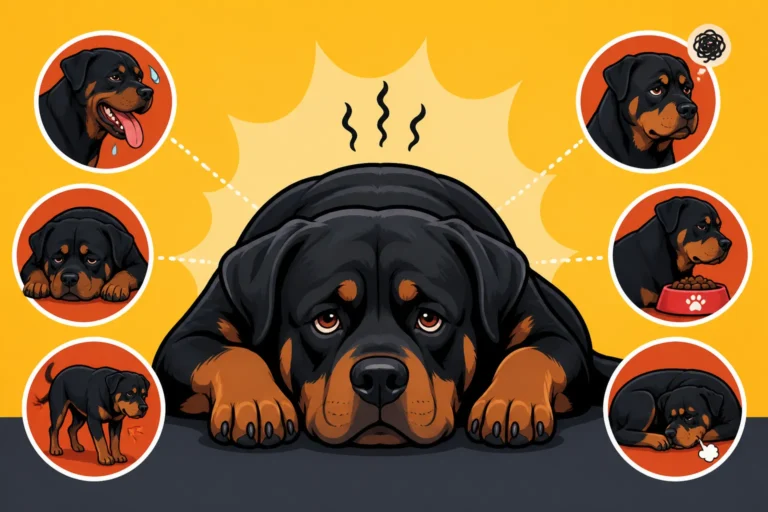
The symptoms of poisoning in a Rottweiler can vary widely depending on the type of toxin, the amount ingested, and the individual dog's sensitivity. However, there are some common signs you should always be on the lookout for.
Gastrointestinal upset is often one of the first and most common indicators. This can manifest as sudden, repeated vomiting, diarrhea (which may be bloody), excessive drooling, loss of appetite, or abdominal pain. If your usually food-motivated Rottweiler suddenly turns their nose up at dinner, and also has an upset tummy, something is definitely amiss.
Lethargy and weakness are also frequent signs, indicating that the toxin is affecting their general well-being or central nervous system. Your Rottweiler might seem unusually tired, reluctant to move, or generally subdued. They might stumble or appear uncoordinated. In more severe cases, neurological symptoms can develop, including tremors, seizures, disorientation, dilated pupils, or even collapse. These are incredibly serious signs that require immediate veterinary attention.
Beyond these general symptoms, some toxins will specifically target certain organs. For example, kidney damage might present as increased thirst and urination, or conversely, a complete lack of urination. Liver damage can cause jaundice (yellowing of the skin or eyes), dark urine, or general weakness. Heart-related toxins, like those in oleander, can lead to abnormal heart rhythms, weakness, and collapse. It's important to remember that for some toxins, like those in the allium family, symptoms can be delayed for days, making it harder to pinpoint the cause if you haven't observed the actual ingestion.
Why Rottweiler Size Doesn't Mean Immunity
It's a common misconception that because Rottweilers are large and robust dogs, they are somehow more resistant to toxins. This simply isn't true. While a small chihuahua might show symptoms faster from a tiny amount, certain toxins are dangerous regardless of body size, and a Rottweiler's larger capacity for ingestion can actually increase the risk of a severe outcome.
Firstly, a dog's metabolism processes toxins differently than a human's. What's benign for us can be harmful, or even lethal, for them. Their liver enzymes and metabolic pathways are not designed to handle many of the compounds found in human foods, medications, or plants. So, while a Rottweiler might weigh 100 pounds, their internal systems aren't scaled to safely process the same amount of a toxic substance that a human of similar weight could. Toxic Doses Scaled to a Rottweiler's Body Weight is a topic to truly understand.
Secondly, the amount of toxin consumed can still be lethal. While it might take more chocolate to affect a Rottweiler than a tiny dog, a Rottweiler is also capable of consuming an entire bag of Halloween candy or a whole chocolate cake. In such a scenario, their size doesn't protect them; it simply means they've ingested a much higher, potentially fatal, dose. The sheer volume they can consume from, say, a fallen bowl of grapes, can be alarming.
Finally, individual sensitivity plays a huge role. Just like people, some dogs are more sensitive to certain compounds than others. You might hear stories of a dog that ate something "bad" and was fine, but that doesn't mean your Rottweiler will have the same experience. It's never worth the risk. Always err on the side of caution and keep all known toxins completely out of reach.
Immediate Action and Prevention Strategies
Discovering your Rottweiler has ingested something toxic is terrifying. But knowing what to do immediately, and more importantly, how to prevent it from happening, can make all the difference.
What to Do in a Suspected Poisoning Emergency
When you suspect your Rottweiler has ingested something toxic, the first few minutes can be crucial. Panic will only slow you down, so try to stay as calm as possible and act swiftly.
Your absolute first step should be to immediately contact your veterinarian or the nearest emergency veterinary clinic. Do not wait for symptoms to appear if you know or strongly suspect ingestion. When you call, be prepared to provide as much information as possible:
- What was ingested? If possible, have the packaging, plant name, or a clear description ready.
- How much was ingested? Give an estimate (e.g., "half a chocolate bar," "a handful of raisins").
- When was it ingested? Give the approximate time.
- Your Rottweiler's weight and any pre-existing conditions. This information helps the vet calculate potential toxic doses and risks.
Do not try to induce vomiting at home unless specifically instructed by a veterinary professional. While inducing vomiting can sometimes be helpful, it can also be dangerous depending on the substance. For instance, if the substance is corrosive, inducing vomiting can cause further damage to the esophagus. If your dog is already showing neurological signs, inducing vomiting could lead to aspiration. It's a decision best left to the experts. If your vet does recommend it, they'll give you precise instructions. Remember, The First Call When a Rottweiler Swallows Something is always to your vet, not to Google for home remedies.
If it's safe to do so, and doesn't delay your departure to the vet, collect a sample of the substance, any packaging, or even a sample of your Rottweiler's vomit. This can help the vet accurately identify the toxin and formulate the best treatment plan. Time is of the essence, so get your Rottweiler to veterinary care as quickly and safely as possible.
Creating a Rottweiler-Safe Home Environment
Prevention is always better than cure, especially with the high costs and stress associated with a veterinary emergency. Creating a Rottweiler-safe home requires vigilance and smart planning.
Counter surfing is a common problem with large, intelligent breeds like Rottweilers, who can easily reach kitchen counters or dining tables. Proactive training is key here. Teach a solid "leave it" command and ensure your Rottweiler understands boundaries. When you're not actively supervising, consider crating them or confining them to a safe, puppy-proofed area using baby gates. Training a Rottweiler Before It Outweighs You should cover this kind of impulse control. Never leave tempting food items unattended on counters, even for "just a minute."
Secure all food storage. This means locking pantry doors, using containers with tight-fitting lids, and keeping snacks in high cabinets that your Rottweiler absolutely cannot reach. Remember, they are strong and can open cabinets if given the chance. Consider installing child-proof locks on lower cabinets that contain dangerous items. Keep trash cans securely lidded, preferably in a cabinet, to prevent curious noses from rummaging.
When it comes to plants, research before you buy. If you already have toxic plants, consider relocating them to areas inaccessible to your dog, or ideally, removing them from your home or yard altogether. If you love the look of certain plants, consider high-quality artificial versions as a safe alternative. Regularly inspect your yard for wild mushrooms, which can sprout quickly after rain and be highly toxic. Remove any fallen fruit from trees if you have fruit-bearing plants, as fermented fruit can cause alcohol poisoning.
Smart Shopping and Storage Habits
Making smart choices when you shop and establishing good storage habits can dramatically reduce the risk of accidental poisoning.
Always, always read food labels carefully, especially for "sugar-free" products. Xylitol is a sneaky ingredient that can appear in unexpected places. If you're unsure, assume it's there and keep the product away from your dog. Better yet, opt for dog-specific treats and foods from reputable brands like Chewy, which makes it easy to filter for pet-safe items. Many popular brands like Ollie also offer fresh, human-grade dog food options specifically formulated to be safe and healthy for dogs, removing the guesswork of human foods.
When buying human food, consciously think about where it will be stored immediately upon returning home. Don't leave groceries unattended on the floor where a curious Rottweiler might investigate. Put dangerous items directly into secure storage. For pet supplies, like specialty chews or treats, make sure they are stored in a place your Rottweiler can't raid, even if they are technically "safe for dogs." An entire bag of treats, for instance, can still cause an upset stomach.
Finally, think about products you order online from places like Amazon. They deliver everything from toothpaste to plants. Ensure that when packages arrive, especially those containing potential toxins, they are immediately brought inside and stored safely, out of your Rottweiler's reach, before they have a chance to investigate. Puzzle Feeders Built for a Rottweiler can be a great way to keep them mentally stimulated and focused on safe treats, diverting their attention from potentially dangerous items.
The Unseen Dangers: Medications, Chemicals, and Wild Plants
Beyond common foods and ornamental plants, there's a whole category of less obvious but equally dangerous items hiding in plain sight. These include human medications, household chemicals, and wild plants or fungi your Rottweiler might encounter outdoors.
Human Medications and Household Chemicals
Our medicine cabinets and cleaning supply cupboards are often brimming with products that are profoundly toxic to dogs. A curious Rottweiler can easily knock over a bottle or chew through a container.
Common over-the-counter medications like NSAIDs (ibuprofen, naproxen) can cause severe stomach ulcers, kidney failure, and neurological problems in dogs. Acetaminophen, while sometimes used in veterinary medicine with extreme caution, is highly toxic in human doses, causing liver damage and red blood cell issues. Antidepressants, ADHD medications, and even many vitamins and supplements can have serious, sometimes fatal, effects on a dog's heart, nervous system, and digestive tract. Always keep all human medications, whether prescription or over-the-counter, securely stored in child-proof containers and out of your Rottweiler's reach. Never medicate your dog with human drugs without explicit veterinary guidance.
Household chemicals present another grave danger. Antifreeze, with its sweet taste, is notoriously attractive to dogs but contains ethylene glycol, which causes rapid and irreversible kidney failure. Even a few licks can be fatal for a large dog. Store antifreeze and other automotive fluids in sealed containers on high shelves. Pesticides, herbicides, and especially rodenticides (rat and mouse baits) are designed to be palatable and are often flavored to attract pests, making them highly attractive to dogs. Rodenticides, in particular, can cause severe internal bleeding, neurological damage, or kidney failure, often with a delayed onset of symptoms that can make diagnosis and treatment more challenging. Cleaning products like bleach, detergents, drain cleaners, and furniture polishes can cause severe chemical burns to the mouth, esophagus, and stomach if ingested. Keep all such chemicals locked away.
Wild Plants and Fungi in the Outdoor Environment
Your own backyard and local parks can harbor natural dangers that your Rottweiler might encounter during their explorations.
Mushrooms are a particular concern because while many are harmless, some wild mushrooms are extremely toxic and can cause severe liver failure, kidney failure, neurological damage, or rapid death. Distinguishing between safe and poisonous mushrooms is incredibly difficult, even for experts, and the consequences of getting it wrong are dire. Therefore, the safest approach is to assume all wild mushrooms are poisonous and prevent your Rottweiler from sniffing, nudging, or eating any they encounter. Regularly check your yard and remove any mushrooms that sprout.
Other wild plants can also pose risks. For instance, acorns, particularly if ingested in large quantities, contain tannins that can cause gastrointestinal upset, kidney damage, and liver problems. While a single acorn might not cause severe issues, a Rottweiler could easily chew on and ingest several from under an oak tree. Conkers (horse chestnuts), often found in parks, contain aesculin, which can cause vomiting, diarrhea, incoordination, and tremors. Be vigilant during walks, especially in wooded areas or after storms when branches and their fruits might have fallen. Your Rottweiler, driven by their natural curiosity, might pick up something seemingly harmless that turns out to be a grave danger.
| Category | Examples of Toxic Items | Common Symptoms | Severity |
|---|---|---|---|
| Human Foods | Xylitol, Grapes/Raisins, Chocolate, Onions, Garlic | Vomiting, diarrhea, lethargy, seizures, kidney/liver failure, anemia | Moderate to Severe, potentially fatal |
| House/Garden Plants | Sago Palm, Lilies, Oleander, Azaleas, Rhododendrons | Vomiting, diarrhea, lethargy, kidney/liver failure, heart arrhythmias, tremors | Moderate to Severe, potentially fatal |
| Indoor Plants | Philodendron, Pothos, Peace Lily, Aloe Vera | Oral irritation, drooling, vomiting, diarrhea, difficulty swallowing | Mild to Moderate, rarely fatal |
| Chemicals/Meds | Antifreeze, Rodenticides, Ibuprofen, Acetaminophen | Vomiting, internal bleeding, kidney/liver failure, neurological damage, death | Severe, often fatal if not treated quickly |
| Wild/Outdoor | Wild Mushrooms, Acorns, Conkers | Vomiting, diarrhea, neurological signs, kidney/liver damage | Moderate to Severe, potentially fatal |
Disclaimer
This article is for general informational purposes only and does not constitute professional advice. Laws, prices and regulations vary by location and change over time. Consult a qualified professional for guidance on your specific situation.