Rottweiler Skin Folds and Pressure Sores
One of the challenges of living with a magnificent Rottweiler, especially as they get older or if they carry a little extra weight, is dealing with those pesky skin issues that can crop up. Owners often find themselves wondering why their dog has red, irritated patches or even open sores, particularly around joints or in skin folds, leaving them feeling helpless and frustrated. This guide is here to walk you through understanding, preventing, and treating both skin fold dermatitis and pressure sores in your beloved Rottweiler, helping you keep their skin healthy and comfortable.
Understanding Rottweiler Skin Folds and Their Challenges
Rottweilers, with their substantial build and powerful presence, often have natural folds of skin, especially around their face, neck, and sometimes their chest. While these add to their distinctive look, they can also become problematic if not properly cared for. The very nature of a skin fold creates a warm, moist environment where air circulation is limited, setting the stage for irritation and infection.
Anatomy of Rottweiler Skin Folds
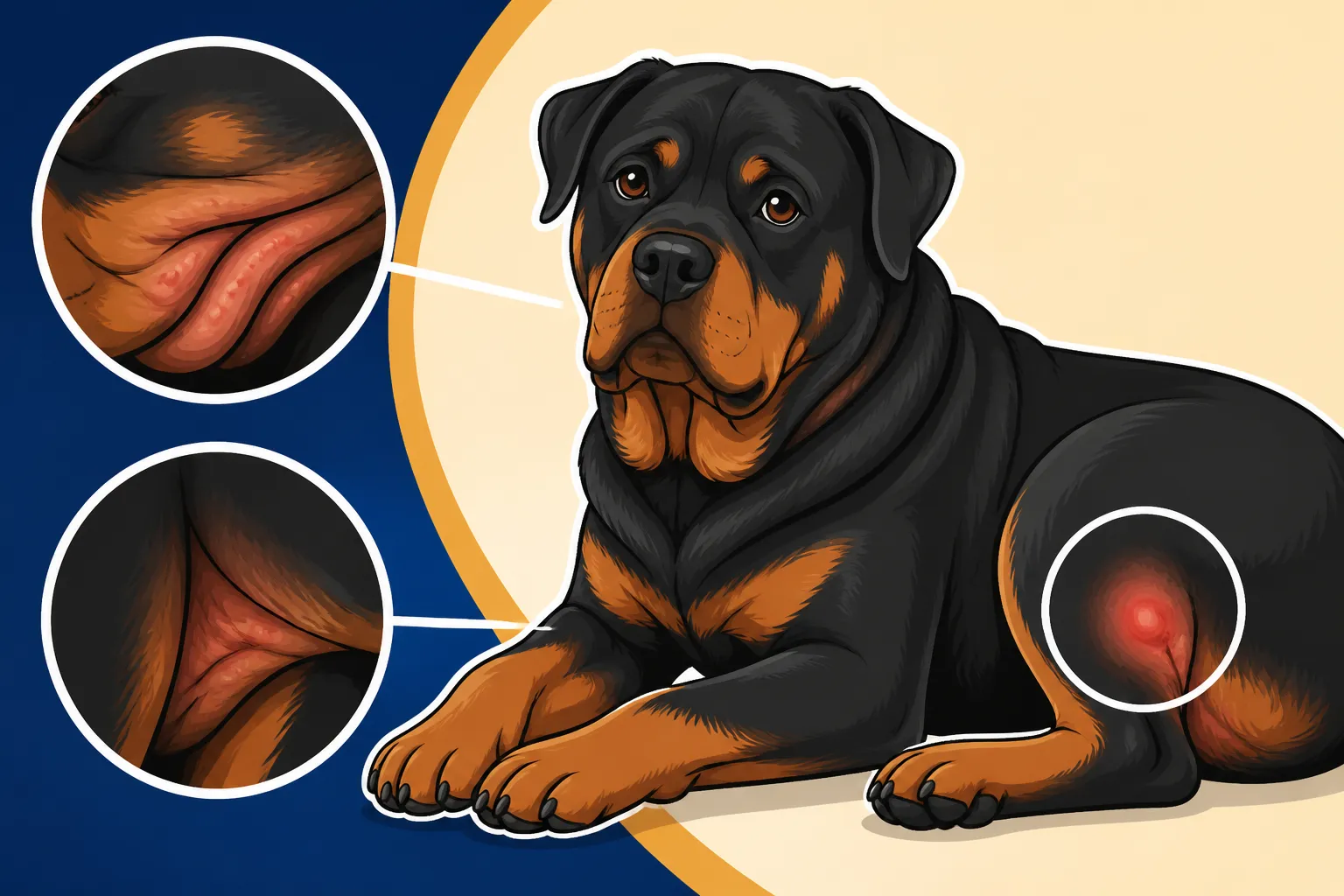
Unlike breeds with exaggerated facial wrinkles, Rottweilers typically have more subtle folds. You'll often notice them most prominently around their muzzle, sometimes creating a furrowed brow, or under their chin and along their neck, particularly in dogs with a bit more loose skin or those carrying extra condition. Some individuals might also have deeper folds in their chest area where the skin meets the front legs. These areas, while appearing benign, can trap moisture, sweat, dead skin cells, and even microscopic food particles.
Consider a hot, humid summer day: your Rottweiler is panting, maybe just finished a romp in the yard, and now he's settled down for a nap. The moisture from his panting or a damp chin can get trapped deep within these folds. This isn't just uncomfortable; it becomes a breeding ground for bacteria and yeast that are naturally present on the skin. Over time, this can lead to inflammation and infection, even if it's not immediately obvious to the eye.
Common Issues Arising in Skin Folds
The primary concern with skin folds is a condition known as skin fold dermatitis, or intertrigo. This is essentially an inflammation of the skin caused by friction, moisture, and microbial overgrowth within the folds. You might first notice a faint, slightly sour odor coming from the area, which is a tell-tale sign that something isn't quite right. As the condition progresses, the skin can become red, raw, and itchy. Your Rottweiler might start rubbing his face on the carpet, scratching at his neck, or constantly pawing at the affected area, indicating discomfort.
In more severe cases, bacterial or yeast infections can take hold, leading to open sores, oozing, and even hair loss in the affected folds. Imagine a small cut on your own skin that just won't heal because it's constantly damp and irritated – that's what your Rottweiler is experiencing, but magnified. It's a painful and frustrating cycle, and without intervention, it will only worsen. The constant moisture breaks down the skin's natural barrier, allowing these opportunistic microbes to thrive, turning a minor irritation into a full-blown infection that requires veterinary attention.
Preventing and Managing Skin Fold Dermatitis
The good news is that most skin fold issues are highly preventable with consistent, proactive care. It's all about keeping those hidden areas clean, dry, and well-ventilated. Think of it as a daily ritual, much like brushing your own teeth.
Daily Cleaning and Drying Routines
The cornerstone of preventing skin fold dermatitis is a diligent cleaning and drying routine. This isn't just a once-a-week task; for some Rottweilers, especially those with deeper folds or who are prone to drooling or getting messy after eating, it might need to be a daily, or even twice-daily, commitment. After every meal, take a moment to gently wipe your Rottweiler's muzzle and around any facial folds. Use a soft, damp cloth or a pet-safe, unscented wipe. Some excellent options designed for sensitive dog skin can be found readily available on Chewy or through Amazon, often specifically formulated to be hypoallergenic and free of irritating chemicals.
Once clean, and this is the crucial part, thoroughly dry the area. Residual moisture is the enemy here. A soft, clean towel or even a cotton pad can work wonders. You want to make sure the skin is completely dry before letting the folds naturally close again. For deeper neck or chest folds, a quick check and wipe-down during grooming sessions or after intense exercise (especially if they've been sweating or getting wet) is highly recommended. This simple act removes trapped debris, neutralizes odors, and most importantly, prevents the moist, warm environment that fungi and bacteria love.
Choosing Appropriate Topical Products
Sometimes, cleaning and drying alone aren't quite enough, especially if your Rottweiler is particularly prone to irritation or if the weather is especially humid. In these cases, your veterinarian might recommend specific topical products to help keep the skin healthy. These could include medicated wipes containing antifungals or antibacterials, or a light powder designed to absorb moisture. Never use human powders or creams unless specifically instructed by your vet, as many contain ingredients that are toxic to dogs or can exacerbate the problem.
Your vet might suggest a chlorhexidine-based wipe or a miconazole-containing cream for preventive care. These are usually available through veterinary clinics or specialized pet supply stores online. Always follow your vet's instructions precisely regarding application frequency and duration. The goal isn't to create a thick, goopy layer, but a light, protective barrier or treatment. Remember, if you see any signs of redness, pain, or discharge, it's time for a vet visit, not just more topical products.
The Truth About Pressure Sores in Rottweilers
Beyond skin folds, another common skin issue for large, heavy breeds like Rottweilers is the development of pressure sores, sometimes called decubitus ulcers or bedsores. These aren't related to skin folds but are a direct consequence of prolonged pressure on bony areas, often exacerbated by a lack of proper cushioning or reduced mobility.
What Are Pressure Sores and Why Do They Develop?
A pressure sore forms when constant pressure on a specific area of the body restricts blood flow to the skin and underlying tissues. Without adequate blood flow, the cells in that area don't receive enough oxygen and nutrients, leading to tissue damage and eventually, necrosis (tissue death). For a large, dense breed like a Rottweiler, their sheer weight pressing down on hard surfaces makes them particularly susceptible.
Imagine your Rottweiler, perhaps a bit older or recovering from an injury, spending hours lying on a hard tile floor or a thinly padded bed. The points of their body that make constant contact with the hard surface – typically the elbows, hips, hocks (ankles), and sometimes even the side of their chest – bear the brunt of their weight. Over time, the pressure starves the skin in these areas. The first sign might be a small, hairless patch, which can then progress to reddened skin, thickening of the skin, and eventually, an open wound that can be deeply painful and prone to severe infection. This is especially true for senior dogs who might be less mobile or spend more time resting, or those suffering from conditions like Rottweiler Hip Dysplasia and the OFA Grade or Cruciate Tears in a Heavy Rottweiler, which limit their desire or ability to shift positions frequently.
Common Locations and Early Warning Signs
The most common locations for pressure sores on a Rottweiler are the bony prominences:
- Elbows: This is probably the most frequently affected area, as Rottweilers often "flop" down onto their elbows on hard floors.
- Hips/Hocks: For dogs that spend a lot of time lying on their sides, the points of their hips and hocks can develop sores.
- Shoulders: Less common, but can occur if a dog is constantly resting on one side.
- Sternum/Chest Bone: If a dog frequently rests in a "sphinx" position on hard ground, their chest bone can be affected.
Early warning signs are crucial to catch these before they become serious. Look for areas of skin that are:
- Hairless: The first thing you might notice is a small patch of thinning hair or complete hair loss over a bony spot.
- Thickened or Calloused: The skin might feel tougher or thicker than surrounding skin, a natural response to repeated pressure. These are often called "elbow calluses."
- Red or Discolored: If the callus starts to look red or inflamed, it's a sign that the underlying tissue is irritated.
- Cracked or Bleeding: As the callus becomes more severe, it can crack and bleed, especially if the dog licks or chews at it.
- Warm to the Touch: Inflammation often causes the skin to feel warmer than usual.
If you observe any of these signs, particularly redness or cracking, it's important to address them immediately. A simple callus can quickly break down into a deep, painful ulcer if neglected.
Proactive Measures to Prevent Pressure Sores
Preventing pressure sores is largely about providing adequate cushioning and encouraging movement, thereby distributing your Rottweiler's weight more evenly. It requires a thoughtful approach to their living environment and daily routine.
The Importance of Proper Bedding
This cannot be stressed enough: a high-quality orthopedic bed is not a luxury for a Rottweiler; it's a necessity, especially as they age. Think about the difference between sleeping on a hardwood floor versus a supportive mattress. The same principle applies to your dog. For a breed that can easily weigh over a hundred pounds, a thin, flimsy dog bed simply won't cut it. It will flatten quickly, offering no real protection against pressure points.
Look for orthopedic beds that feature dense, supportive foam, often memory foam or medical-grade foam. These materials conform to your dog's body, distributing their weight evenly and reducing pressure on elbows, hips, and hocks. You can find excellent, durable orthopedic beds specifically designed for large breeds on platforms like Chewy or Amazon. When making a selection, ensure the bed is thick enough to prevent your Rottweiler's body from sinking through to the hard floor beneath, even after extended use. Investing in a good bed early can prevent countless hours of discomfort and costly vet bills down the line. Remember, even a young Rottweiler can benefit from proper joint support, helping to prevent issues like Rottweiler Growth Plates and Why They Close So Late.
Encouraging Movement and Mobility
While proper bedding is paramount, it's equally important to encourage your Rottweiler to move and change positions throughout the day. A dog that is constantly active and shifting will naturally alleviate pressure points. For younger, healthy Rottweilers, this often comes naturally with playtime, walks, and general household activity. However, for older dogs or those with joint issues, intentional encouragement might be necessary.
Regular, gentle exercise can help maintain muscle tone and joint flexibility, making it easier for them to get up and reposition themselves. Consider short, frequent walks rather than one long strenuous outing. If your Rottweiler has mobility challenges, explore options like ramps to access furniture or the car, reducing strain. For dogs recovering from surgery or suffering from conditions that severely limit movement, working with a physical therapist can be invaluable. They can recommend exercises or even specialized mobility aids, such as harnesses or slings, which can provide support and encourage safe movement. For more information, you might look into Senior Rottweiler Mobility Decline or Physical Therapy After Rottweiler Joint Surgery. Regular checks of their resting spots can also help identify if they're always lying in the same uncomfortable position.
Weight Management and Overall Health
Maintaining a healthy weight is a critical, often overlooked, component in preventing both skin fold issues and pressure sores. An overweight Rottweiler carries excess pounds that put additional strain on their joints and increase the pressure points when they lie down. Every extra pound means more force pressing against those bony prominences, accelerating the development of calluses and potentially leading to sores.
Work closely with your veterinarian to ensure your Rottweiler is at an ideal body condition. This involves carefully monitoring their food intake – perhaps splitting their daily ration into two or three smaller meals to help with digestion and satiety. For details on healthy feeding, check out Feeding an Adult Rottweiler at a Hundred Twenty Pounds. Additionally, a balanced diet rich in essential fatty acids (like Omega-3s and 6s) can significantly contribute to overall skin health, making the skin more resilient and less prone to irritation. Some high-quality dog food brands, including fresh food options like Ollie, prioritize these skin-supporting nutrients. Ensuring good nutrition and managing underlying health conditions like Rottweiler Hypothyroidism and Unexplained Weight Gain are foundational to preventing skin problems. Regular veterinary check-ups are key to catching and addressing any health issues that might predispose your Rottweiler to skin problems early on.
Treating Existing Skin Folds and Pressure Sores
When prevention isn't enough, or if you've discovered an existing skin fold irritation or pressure sore, prompt and appropriate treatment is essential. Early intervention can prevent minor issues from becoming severe infections.
When to Seek Veterinary Care
Anytime you notice an open wound, significant redness, swelling, discharge (pus or blood), a foul odor, or if your Rottweiler is showing signs of pain or discomfort (such as limping, reluctance to move, or excessive licking/chewing), it's time to visit your veterinarian immediately. Do not try to self-treat deep or infected wounds with home remedies, as this can delay proper care and worsen the condition.
Your vet will be able to accurately diagnose the problem, determine if there's an underlying infection (bacterial, fungal, or yeast), and prescribe the correct course of treatment. They might take a swab for culture and sensitivity testing to ensure the right antibiotics or antifungals are used. Trying to guess the cause or treatment at home can lead to ineffective care, prolonged suffering for your dog, and more complicated, expensive treatments down the road.
Veterinary Treatment Options
Once your vet has assessed the severity of the skin fold dermatitis or pressure sore, they will outline a treatment plan. This typically involves several components:
- Cleaning and Debridement: The affected area will need to be thoroughly cleaned and any dead tissue (in the case of pressure sores) gently removed. This might be done with sterile saline solutions.
- Medication:
- Antibiotics/Antifungals: If an infection is present, your vet will prescribe oral antibiotics or antifungals, or topical versions depending on the severity. It's crucial to complete the full course of medication, even if the symptoms appear to improve quickly.
- Anti-inflammatories: To reduce pain and swelling, anti-inflammatory medications may be prescribed.
- Pain Management: For painful sores, your vet will ensure your Rottweiler has adequate pain relief.
- Wound Care: For pressure sores, special bandages or dressings might be applied to protect the wound, absorb exudate, and promote healing. These often need to be changed regularly. For skin folds, the focus will remain on keeping the area meticulously clean and dry, possibly with medicated wipes or creams.
- Environmental Adjustments: Your vet will also advise you on how to adjust your Rottweiler's environment to prevent recurrence, such as upgrading their bedding or changing their exercise routine. This might mean keeping a closer eye on how long your Rottweiler lies in one spot and gently encouraging them to shift.
Ongoing Home Care and Monitoring
After the initial veterinary treatment, much of the recovery and ongoing prevention will fall to you at home. This means diligently following your vet's instructions for wound cleaning, medication administration, and bandage changes. You’ll need to be observant, watching for any signs that the condition is worsening or not responding to treatment, such as increased redness, swelling, discharge, or if your dog seems more painful.
Beyond specific wound care, continue to reinforce good hygiene practices. For skin folds, this means consistent daily cleaning and drying. For pressure sore prone areas, ensure your Rottweiler is always resting on soft, supportive surfaces. If you have an older dog, consider adding extra padding to their favorite resting spots, even if they already have an orthopedic bed. Regular, gentle massage around healed pressure sore areas can help improve circulation and skin elasticity. It's a continuous commitment, but the comfort and health of your Rottweiler are absolutely worth it.
Long-Term Skin Health for Your Rottweiler
Achieving and maintaining long-term skin health for your Rottweiler is an ongoing journey that ties into their overall well-being. It’s not just about addressing problems as they arise, but fostering a healthy foundation through diet, environment, and regular preventative care.
Nutritional Support for Healthy Skin and Coat
A healthy coat and resilient skin begin from the inside out, largely influenced by diet. Ensuring your Rottweiler receives a balanced, high-quality diet is paramount. Look for dog foods that list identifiable meat proteins as the first ingredients and contain a good balance of omega-3 and omega-6 fatty acids. These essential fatty acids are vital for skin barrier function, reducing inflammation, and promoting a shiny, healthy coat. Many premium commercial dog foods, including some of the fresh-prepared options from companies like Ollie, are specifically formulated with these ingredients to support dermal health.
If your Rottweiler is prone to dry skin, allergies, or dull coat, your vet might recommend specific dietary supplements like fish oil (rich in EPA and DHA). Always discuss any supplements with your vet first to ensure proper dosing for a dog of your Rottweiler's size and to avoid any interactions with existing conditions or medications. Remember that certain nutrient deficiencies or sensitivities can manifest as skin problems, so a diet tailored to their needs can make a world of difference. This also ties into managing other skin issues like Rottweiler Allergies and Recurring Skin Infections.
Environmental Management and Lifestyle Adjustments
Your Rottweiler's environment plays a huge role in their skin health. Beyond providing orthopedic bedding, consider the surfaces they spend most of their time on. If you have hard floors throughout your home, place rugs or mats in their favorite lounging areas to provide extra cushioning. In warmer climates, ensuring they have access to shade and cool surfaces can help prevent heat and moisture buildup in skin folds, especially for a black-coated breed like a Rottweiler. For tips on managing their comfort in heat, check out Keeping a Black-Coated Rottweiler Cool.
Regular grooming, including brushing to remove loose hair and checking their skin, is also a key lifestyle adjustment. This isn't just for aesthetics; it allows you to inspect their skin thoroughly for any early signs of irritation, redness, lumps, or sores that might be developing. Prompt detection is often the key to easy treatment. For other aspects of their care, consider Rottweiler Ear Care Under a Drop Ear to maintain hygiene in another commonly affected area.
Regular Veterinary Check-ups
Even with the most diligent home care, regular veterinary check-ups are indispensable for maintaining your Rottweiler's long-term skin health. Your vet can spot subtle changes you might miss and perform thorough examinations, especially in hard-to-reach or visually obscured areas. These visits are also an opportunity to discuss any concerns you have about new lumps or bumps, changes in their coat, or persistent itching.
During these appointments, your vet might recommend specific preventative measures tailored to your dog's age, weight, and lifestyle. This could include discussing the appropriateness of joint supplements, especially as they enter their senior years, which can indirectly help prevent pressure sores by promoting better mobility. Routine check-ups are also crucial for managing their overall health, including keeping them free from parasites and ensuring their vaccinations are up to date, all of which contribute to a robust immune system capable of defending against skin issues. They can guide you on the journey to a Rottweiler Lifespan and the Eight to Ten Year Average.
| Feature | Skin Fold Dermatitis (Intertrigo) | Pressure Sore (Decubitus Ulcer) |
|---|---|---|
| Primary Cause | Moisture, friction, heat, and microbial overgrowth | Prolonged pressure on bony prominences, restricted blood flow |
| Common Locations | Facial folds (muzzle, chin), neck, chest folds | Elbows, hips, hocks, sternum |
| Appearance (Early) | Redness, odor, irritation, moistness | Hair loss, thickened callus, redness, dry cracking |
| Appearance (Severe) | Raw, oozing, infected, painful, ulcerated | Open wound, deep ulcer, infection, tissue death, very painful |
| Typical Onset | Can occur at any age, often linked to hygiene | More common in older, less mobile, or heavier dogs |
| Prevention Focus | Daily cleaning, drying, topical agents | Orthopedic bedding, mobility, weight management |
| Treatment Focus | Topical and/or oral antimicrobials, hygiene | Wound care, antibiotics, pain relief, environmental changes |
Disclaimer
This article is for general informational purposes only and does not constitute professional advice. Laws, prices and regulations vary by location and change over time. Consult a qualified professional for guidance on your specific situation.