The Rottweiler Bills Nobody Warns You About
Bringing a Rottweiler into your life is an incredible journey filled with loyalty, love, and undeniable personality. However, many first-time (and even some seasoned) Rottweiler owners find themselves completely blindsided by a whole host of unexpected expenses that truly add up. This guide is here to shed light on those often-overlooked financial realities, helping you budget realistically and avoid the stomach-dropping surprise of bills nobody warned you about.
The Hidden Costs of Their Sheer Size and Strength
It's easy to look at a Rottweiler puppy and just see a small, adorable fluffball, but that little bundle of joy will quickly become a powerful, large dog. This growth spurt brings with it a corresponding increase in the cost of just about everything, from their daily needs to the items they interact with. Their size isn't just a physical attribute; it's a significant factor in your household budget.
Gear That Doesn't Last
When you're shopping for that first collar and leash, you might grab something standard. But a Rottweiler, even as a young dog, is a force of nature. Those flimsy nylon leashes and plastic buckle collars? They won't last. You'll find yourself replacing them far more often than you anticipated, and upgrading to industrial-strength, metal-buckled, double-stitched versions isn't cheap. Think about the heavy-duty harnesses and robust long lines required for effective training and safe walks. Then there are the toys. Many Rottweiler owners will tell you stories of expensive "indestructible" toys that met their demise in mere minutes. You learn quickly to invest in the truly heavy-duty options, the ones made of hard rubber or reinforced fabrics, and even those have a finite lifespan against a powerful jaw. Beds are another significant expense; a large, supportive orthopedic bed that can withstand a hundred-pound dog's weight and propensity for nesting can cost a pretty penny, especially if you want one that actually lasts longer than a few months.
Imagine investing in a new, plush dog bed, only to find it shredded by morning. Or a brand-new leash fraying after a couple of strong pulls on a walk. This isn't just about wear and tear; it's about the sheer power a growing Rottweiler exerts. You'll find yourself needing to buy a Rottweiler Crate Size and What It Costs that can handle their eventual size and strength, and those are substantial investments. The smaller, cheaper options simply won't cut it, and replacing them frequently means you're spending more in the long run.
Food Bills That Surprise Even Experienced Owners
Ask any Rottweiler owner what their biggest recurring expense is, and nine times out of ten, they'll tell you it's food. These are big dogs with big appetites. A quality large-breed puppy food is essential for their developing bones and joints, but it's not inexpensive. As they mature, an adult Rottweiler can easily consume several cups of premium kibble daily, not to mention treats for training and enrichment. The sheer volume of food they go through means you'll be buying those giant bags of dog food much more frequently than you would for a smaller breed.
Consider a 120-pound male Rottweiler. They're going to need significantly more calories and protein than a smaller dog, and feeding them a cheap, filler-laden food can lead to health issues down the line. Many owners opt for higher-quality brands, fresh food options, or even raw diets, and while these can be excellent for your dog's health, they come with a hefty price tag. Brands like Chewy often carry a wide range of large-breed specific foods, but even with bulk discounts, your monthly grocery bill for your Rottweiler can easily rival that of a human family member. Factor in special dietary needs for allergies or sensitivities, and those costs can climb even higher. It's not uncommon for owners to realize just how much a Monthly Food Cost for a Hundred Twenty Pound Rottweiler truly is.
Specialty Care Requiring Heavier Doses
From preventive medications to emergency treatments, the larger your dog, the more medication they typically need, and medication dosage is often tied directly to weight. This means your Rottweiler's flea, tick, and heartworm preventatives will cost more because they fall into the highest weight bracket. If they ever need antibiotics, pain relievers, or specialized medications for a chronic condition, you'll be paying for larger quantities.
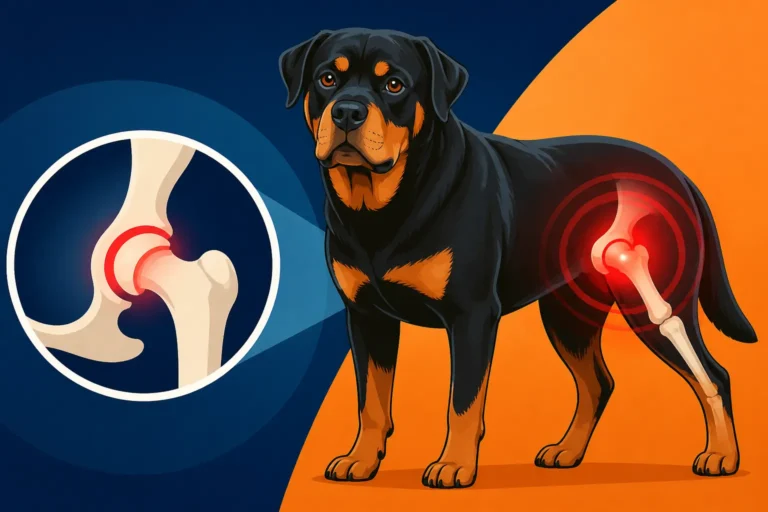
Even seemingly minor treatments can become more expensive. Anesthesia for a routine dental cleaning, for instance, is often calculated by weight, making a Rottweiler's procedure significantly more costly than a smaller dog's. When you consider the ongoing needs for joint supplements, especially crucial for large breeds prone to conditions like hip and elbow dysplasia, these regular expenses become a substantial line item in your budget. It’s not just the cost per pill, but the sheer number of pills a large dog needs over its lifetime.
Health Surprises Beyond the Standard Vet Visits
While you might budget for annual check-ups and vaccinations, Rottweilers are predisposed to certain health conditions that can lead to incredibly expensive emergency and long-term care. These aren't just "what ifs"; they are serious considerations that every Rottweiler owner should be prepared for.
Emergency Situations Like Bloat or Sudden Injuries
One of the most terrifying and sudden emergencies for a Rottweiler owner is Gastric Dilatation-Volvulus (GDV), commonly known as bloat. This condition, where the stomach fills with gas and can twist, is rapidly fatal without immediate surgical intervention. Bloat surgery is not only complex but requires intensive post-operative care, easily running into thousands of dollars. The speed at which it strikes leaves no time for financial planning, making it a truly unexpected and devastating bill. Recognizing What Rottweiler Bloat Looks Like in the First Hour is critical because every minute counts, and the emergency vet bill will be substantial.
Beyond bloat, a large, active dog like a Rottweiler is also susceptible to injuries. A torn cruciate ligament, a common orthopedic injury, often requires TPLO (Tibial Plateau Leveling Osteotomy) surgery, which is a major procedure with a significant price tag per leg. Even minor cuts or scrapes can require staples or sutures, and due to their size, sedating a Rottweiler for even a small procedure adds to the cost. A sudden injury during play, a run-in with another animal, or an unexpected accident can quickly land you with an emergency vet bill you never saw coming.
Chronic Conditions Requiring Ongoing Management
Rottweilers, unfortunately, are genetically predisposed to several chronic conditions that require lifelong management, not just a one-time fix. Hip and elbow dysplasia are prevalent orthopedic issues that can manifest as early as puppyhood. While early intervention and pain management can help, severe cases might necessitate costly surgeries like total hip replacements. Other conditions like osteosarcoma (bone cancer) are also alarmingly common in Rottweilers, often requiring a combination of surgery, chemotherapy, and pain management for Rottweiler Osteosarcoma Survival Times.
Consider the long-term cost of managing a condition like hypothyroidism, which requires daily medication for the rest of their lives, or allergies that lead to recurring skin infections and require special diets or expensive immunotherapies. These aren't one-off payments; they're recurring monthly or yearly expenses that can easily add hundreds, if not thousands, to your annual veterinary costs. Having pet insurance from providers like Healthy Paws can be a lifesaver when dealing with such chronic, expensive conditions, easing the financial burden on unexpected and ongoing care.
Specialized Diagnostics and Surgeries
When your Rottweiler is ill or injured, diagnosing the problem often requires more than just a physical exam. X-rays are common, but for complex issues, your vet might recommend advanced imaging like CT scans or MRIs. These diagnostic tools are incredibly expensive, often costing hundreds to thousands of dollars just to get a clear picture of what's going on inside. These are not routine expenses and can feel like a punch to the gut when you're already worried about your dog.
Should surgery be needed, the costs compound. A simple exploratory surgery can become complicated, especially when dealing with a dog of a Rottweiler's size, which requires more anesthesia, more surgical supplies, and longer recovery times. For example, a severe case of Rottweiler Entropion and Eyelid Problems might require specialized ophthalmic surgery. These are the kinds of bills that make you truly understand the benefit of a robust emergency fund or comprehensive pet insurance.
Here's a quick look at some common unexpected health-related costs you might face:
| Expense Category | Examples | Typical Frequency | Potential Impact on Budget |
|---|---|---|---|
| Emergency Surgery | Bloat (GDV), severe lacerations, intestinal blockages | Rare, but Critical | Very High |
| Orthopedic Issues | Cruciate tears (TPLO), hip/elbow dysplasia, osteosarcoma | Moderate | High (potentially ongoing) |
| Chronic Disease Management | Hypothyroidism, allergies, heart disease medication | Lifelong | Moderate to High (monthly) |
| Advanced Diagnostics | MRI, CT scans, specialized blood panels, cardiology workups | As Needed | High |
| Preventive Procedures | Gastropexy (preventative bloat surgery) during spay/neuter | Once (optional) | Moderate |
Training and Behavior Investments You Might Overlook
Many people understand that training is important for a large breed, but they often underestimate the financial and time investment required to properly shape a Rottweiler into a well-behaved companion. These aren't "optional extras" but crucial expenses for safety and harmony.
The Necessity of Early, Consistent Training
A Rottweiler puppy is cute and manageable, but a full-grown Rottweiler is a powerful dog that weighs well over a hundred pounds. Without proper training, that power can become a liability. Early socialization and obedience classes are non-negotiable. These classes, which can range from basic puppy kindergarten to advanced obedience, aren't free. Investing in private training sessions to address specific behaviors or for more personalized guidance adds another layer of expense. The adage "a tired dog is a good dog" is true, but a mentally stimulated and well-trained dog is even better. Remember, Training a Rottweiler Before It Outweighs You is absolutely paramount.
You might think you can handle it all yourself with YouTube videos, but the nuance of training a strong-willed, intelligent Rottweiler often requires professional guidance. Group classes offer socialization and a structured learning environment, while private lessons can target specific issues like Rottweiler Leash Pulling at Adult Weight or resource guarding. Failing to invest in this early training can lead to more costly behavioral problems down the road, and in some cases, can even make owning your Rottweiler unsafe or untenable.
Behaviorist Consults for Specific Challenges
Despite your best efforts with training, some Rottweilers develop specific behavioral challenges that require more than just obedience classes. Issues like severe reactivity towards other dogs, separation anxiety that leads to destructive behavior, or intense resource guarding might warrant the expertise of a certified professional dog behaviorist. These specialists conduct in-depth assessments, create tailored modification plans, and provide ongoing support.
However, behaviorist consultations are considerably more expensive than regular obedience classes or even private training sessions. They often involve multiple sessions, follow-up reports, and can require specialized equipment or medication in conjunction with behavior modification. These are not minor expenses and are often unexpected for owners who assumed a few basic classes would cover everything. Dealing with Rottweiler Reactivity Toward Other Dogs can be an intense, long-term commitment.
Boarding and Pet-Sitting for a Large, Powerful Breed
When you go on vacation, finding care for your Rottweiler can be surprisingly difficult and expensive. Many kennels have breed restrictions or weight limits, and those that do accept Rottweilers often charge a premium due to their size, strength, and the specialized handling they might require. Similarly, finding a reliable pet-sitter who is comfortable and experienced with large breeds can be a challenge.
The costs for boarding or pet-sitting a Rottweiler often dwarf what you'd pay for a smaller dog. A week-long vacation can easily accumulate hundreds of dollars in care fees, not including any special requests or medications your dog might need administered. This is an expense many owners don't fully consider until they're trying to book their first trip away. The Kennel Rates That Scale With a Rottweiler's Size can be a rude awakening.
Unexpected Liability and Living Expenses
Owning a Rottweiler comes with responsibilities that extend beyond their direct care. The breed's reputation, unfortunately, sometimes precedes it, leading to unique financial considerations regarding insurance and property.
Insurance Premiums and Breed Restrictions
One of the most significant and often overlooked financial burdens for Rottweiler owners is related to insurance. Many homeowners insurance carriers have breed restrictions, and the Rottweiler is frequently on these lists. This can mean higher premiums, a denial of coverage, or the need to seek out a specialized umbrella policy or an alternative insurer. Some renters insurance policies also have similar breed clauses.
Even if you can find coverage, the premiums are often significantly higher than for a home without a "restricted" breed. This isn't a one-time fee; it's an annual expense that can add hundreds of dollars to your housing costs every year. It’s absolutely vital to check with your insurance provider before bringing a Rottweiler home to understand the potential impact on your rates and coverage. You'll want to understand Homeowners Insurance When You Own a Rottweiler fully to avoid a sudden policy cancellation or dramatic rate hike.
Damage Control and Property Maintenance
While a well-trained Rottweiler is a joy, puppies and adolescent dogs are notorious for chewing, digging, and general rambunctiousness. A Rottweiler puppy can inflict a surprising amount of damage on furniture, carpets, and landscaping. Even an adult Rottweiler can inadvertently cause damage simply due to their size – knocking over lamps with a wagging tail or scratching floors with their nails.
Factor in the cost of replacing chewed items, repairing fences a determined Rottweiler might test, or even reinforcing gates. Regular yard maintenance might increase if your dog loves to dig, or you might need to invest in more durable landscaping materials. Additionally, the sheer amount of hair a Rottweiler can shed, especially during seasonal blows, means more frequent vacuuming, air filter changes, and professional carpet cleaning, all of which contribute to your household budget. It's often underestimated how much impact a large dog can have on your home, making damage control a real, if sometimes hidden, expense. Consider that a Rottweiler Digging and Yard Damage can quickly add up to unexpected repairs.
The total cost of owning a Rottweiler over their lifetime is substantial, and many of these "hidden" costs are the ones that truly catch owners off guard. By anticipating these expenses, you can ensure you're financially prepared to provide your beloved Rottweiler with the best possible care throughout their life, from puppyhood to those precious senior years.
Disclaimer
This article is for general informational purposes only and does not constitute professional advice. Laws, prices and regulations vary by location and change over time. Consult a qualified professional for guidance on your specific situation.