Rottweiler Rescue Adoption Fees and What They Cover
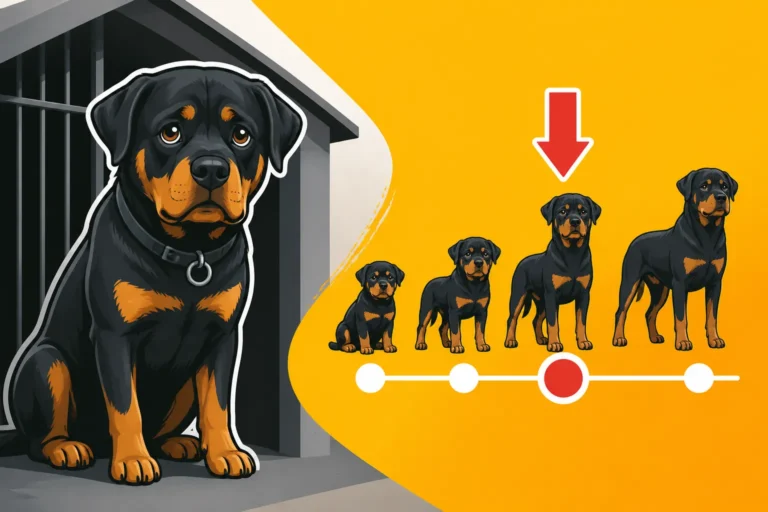
Bringing a Rottweiler into your home is an incredibly rewarding experience, and choosing to adopt from a rescue organization is a fantastic way to offer a second chance to a dog in need. However, many potential adopters are often surprised by or confused about the adoption fees rescues charge, wondering what they cover and why they're necessary. This comprehensive guide will shed light on Rottweiler rescue adoption fees, detailing what they typically include and explaining the crucial role they play in the ongoing mission of these dedicated organizations.
Understanding Rottweiler Rescue Adoption Fees
When you decide to adopt a Rottweiler from a rescue, you'll encounter an "adoption fee." It's important to understand that this isn't a purchase price in the commercial sense, but rather a contribution that helps the rescue organization recoup some of the significant costs associated with rescuing, rehabilitating, and rehoming dogs. Unlike buying a puppy from a breeder, where the cost primarily covers the lineage and early care, a rescue fee reflects the investment made in preparing a dog for its new life.
What is an Adoption Fee, Really?
Think of an adoption fee as an investment in the dog's future and a vital lifeline for the rescue itself. These organizations operate, almost without exception, as non-profits, driven by volunteers and donations. They take in dogs who have often been abandoned, neglected, or surrendered, and these dogs frequently arrive with a host of medical or behavioral issues that require immediate and expensive intervention. The fee helps offset these extensive costs, ensuring that the rescue can continue its critical work for other Rottweilers in need. It's a fundamental part of the cycle of rescue.
Typical Fee Ranges for Rottweilers
The exact amount of an adoption fee can vary quite a bit, even for Rottweilers, and there's no fixed standard across all rescues. Factors like the dog's age, health status, how long they've been in care, and the specific policies of the rescue organization all play a role. Generally, puppies tend to have higher adoption fees due to their high demand and the typical costs of their initial vaccinations and health checks. Older or special needs Rottweilers, conversely, might have lower fees, or sometimes even waived fees, to encourage their adoption.
For specific figures, you'll always need to check directly with the individual rescue group you're considering. They are usually very transparent about their fee structure and what it includes. This allows them to manage their finances while still making adoption accessible.
| Item Covered by Adoption Fee | Typical Benefit | Value Provided (Estimated) |
|---|---|---|
| Spay/Neuter Surgery | Prevents unwanted litters; crucial health benefits | Significant vet cost savings upfront for adopter |
| Core Vaccinations | Protects against common diseases (Distemper, Parvo, Rabies) | Prevents costly treatments and severe illness later |
| Microchipping | Permanent identification for safe return if lost | Peace of mind and higher chance of reunion |
| Initial Health Exam | Comprehensive vet assessment of overall health | Early detection of potential health issues |
| Deworming/Parasite Treatment | Clears common internal and external parasites | Improves dog's health and prevents household spread |
| Behavioral Assessment | Evaluation of temperament and training needs | Helps ensure a good match between dog and family |
| Daily Care (food, shelter, supplies) | Sustains dog during foster period; basic necessities | Reduces initial setup costs for adopter |
What Those Adoption Fees Are Working Hard to Cover
When you pay an adoption fee for a Rottweiler, you're not just getting a dog; you're often getting a dog who has received a considerable amount of care and attention. These fees are the backbone of a rescue's ability to provide everything a dog needs to be healthy and ready for a loving home. It's an investment that often far exceeds the actual fee itself, and it directly supports the welfare of the animals.
Comprehensive Veterinary Care
This is often the largest portion of what an adoption fee covers, and it’s where rescues truly shine. Every Rottweiler that enters a reputable rescue typically receives a thorough veterinary examination. This isn't just a quick peek; it's a deep dive into their health status.
They'll get all their age-appropriate vaccinations, which often include distemper, parvovirus, and rabies, protecting them from common and dangerous diseases. They'll also be dewormed and treated for any external parasites like fleas or ticks. Most crucially, every Rottweiler adopted from a rescue will be spayed or neutered before they leave for their new home, a non-negotiable step that prevents unwanted litters and contributes significantly to the health and longevity of the individual dog. This surgery alone can cost hundreds of dollars if done privately.
Beyond routine care, many rescue Rottweilers arrive with existing health issues. The adoption fee helps cover diagnostics like X-rays (especially important for a breed prone to joint issues like Rottweiler Hip Dysplasia and the OFA Grade()), bloodwork, and even specialized care for conditions such as Rottweiler Heart Disease and Subaortic Stenosis() or Rottweiler Cancers Beyond the Bone(). Rescues often invest thousands of dollars in a single dog, providing surgeries, medications, and ongoing treatments for ailments that would be a huge financial burden for an individual owner to tackle upfront. They also microchip all their dogs, ensuring a permanent ID that dramatically increases the chances of reunion if your Rottweiler ever gets lost.
Daily Care and Rehabilitation
Beyond medical needs, your adoption fee contributes to the day-to-day welfare of the Rottweilers in the rescue's care. This includes providing nutritious food, often high-quality kibble or even fresh food options from brands like Ollie for dogs with sensitive stomachs. Rescues also provide comfortable bedding, enriching toys, and essential supplies like collars, leashes, and bowls. Imagine the sheer volume of supplies needed to care for dozens of Rottweilers at any given time! Many rescues partner with retailers like Chewy for these supplies, often receiving discounts or donations.
Moreover, many rescue Rottweilers haven't had the best start in life, meaning they might require significant behavioral assessment and training. This could involve basic obedience, house-training, leash manners, or even specialized work with a professional trainer to address issues like shyness, anxiety, or reactivity. These behavioral interventions are critical in ensuring a dog is well-adjusted and ready to integrate into a family. Without this crucial work, many dogs would struggle to find a permanent home. The fees help cover the costs of these expert interventions, and you can learn more about general training costs in articles like Rottweiler Training and What the Classes Cost(). These efforts prevent Rottweiler Behavior Problems That Start Small() from escalating into bigger challenges for new owners.
Operational Costs of the Rescue
While less visible, a portion of every adoption fee goes towards the vital operational costs of running a rescue organization. This includes administrative expenses like paperwork, record-keeping, and processing applications. Many rescues also incur significant costs for transporting dogs from high-kill shelters, securing temporary boarding facilities if foster homes aren't available, and running outreach programs to find suitable adopters.
Think about the sheer logistics involved: coordinating volunteer schedules, maintaining websites, conducting thorough background checks on potential adopters, and performing home visits to ensure a safe environment. All of these essential functions, which are critical to the success of finding forever homes for Rottweilers, require resources. The fees help keep the lights on, literally and figuratively, allowing these organizations to continue their invaluable work.
Factors Influencing the Adoption Fee
It's natural to wonder why one Rottweiler might have a different adoption fee than another, even within the same rescue. Rescues aren't arbitrary; their fee structures are typically designed to maximize their ability to save lives while being fair and sustainable. Several key factors come into play when determining the final adoption fee.
Age and Health Status
One of the biggest determinants of an adoption fee is the dog's age. Rottweiler puppies, for instance, are often in high demand, and their fees might be higher to reflect this. While puppies generally require less immediate complex medical intervention (aside from initial vaccinations and spay/neuter), their high adoptability helps subsidize the care of other dogs who might be harder to place.
Conversely, senior Rottweilers or those with chronic medical conditions might have significantly reduced or even waived adoption fees. Rescues understand that adopting an older dog, or one with ongoing health needs, comes with its own set of financial commitments for the adopter. They want to encourage these compassionate adoptions for dogs who often get overlooked. You can find out more about the specific care needs for older dogs in articles like Senior Rottweiler Care After the Age of Seven(). If a dog has needed extensive veterinary care, perhaps a major surgery or long-term medication, the rescue has already invested heavily. While their fee might not fully cover these costs, it contributes to them. This is also why many new owners consider pet insurance, with providers like Healthy Paws offering options to help manage unexpected veterinary expenses down the line.
Location and Specific Rescue Policies
Where a rescue is located can also influence its fee structure. Veterinary costs, operational expenses, and even the general cost of living vary from region to region, and these differences are often reflected in adoption fees. A rescue operating in a high-cost urban area might need to charge slightly more than one in a rural setting just to cover the same level of care.
Furthermore, each rescue organization has its own specific policies and philosophies that shape its fees. Some rescues have a flat fee for all dogs, regardless of age or health, to simplify the process. Others use a sliding scale, adjusting fees based on individual circumstances to balance financial sustainability with accessibility for adopters. It's always a good idea to research the policies of specific rescues you're interested in.
Demand and Rarity
While rescue Rottweilers are not "sold" in the traditional sense, basic economic principles of supply and demand can indirectly affect fees. Purebred Rottweilers, especially puppies, often experience higher demand than mixed breeds or older dogs. This increased demand means rescues can sometimes set a slightly higher fee for these dogs, knowing they will be adopted quickly. This extra revenue then helps support the care of less-demanded dogs, creating a more sustainable model for the entire rescue population. A well-bred Rottweiler from a responsible breeder can command a substantial What a Health-Tested Rottweiler Puppy Costs() but the rescue fee, while covering vital care, is still typically a fraction of that figure.
Why Fees Are Essential for Rescue Organizations
It might seem counterintuitive to pay for an animal that someone else has abandoned, but the adoption fee is a cornerstone of the entire rescue ecosystem. It's not about profit; it's about purpose and sustainability. Every dollar from an adoption fee is carefully allocated to ensure the continued welfare of animals and the smooth operation of the rescue.
Sustaining Their Mission
Rescue organizations are driven by a singular mission: to save lives, prevent pet overpopulation, and find loving, permanent homes for animals in need. They operate on tight budgets, relying heavily on donations, grants, and the fees they collect. Without these financial contributions, the entire system would collapse. Imagine the scale of the challenge: providing shelter, food, and medical care for dozens, sometimes hundreds, of Rottweilers throughout the year.
The fees are often directly reinvested into rescuing the next dog, covering the expenses of the Rottweiler who just arrived from an unfortunate situation, or the litter of puppies who need immediate veterinary attention. This constant cycle of care and rehoming is only possible with a steady stream of funds. It enables them to conduct essential health screenings, like those required for Rottweiler Growth Plates and Why They Close So Late() or even the extensive The Five Evaluations a Rottweiler Needs for CHIC(), ensuring adoptable dogs are as healthy as possible.
Ensuring a Serious Commitment
Beyond the financial aspect of sustaining operations, adoption fees also serve a crucial psychological purpose: they help ensure a serious commitment from prospective adopters. Bringing any dog into your home, especially a large, powerful breed like a Rottweiler, is a significant long-term responsibility, both emotionally and financially. The Lifetime Cost of One Rottweiler() is substantial, far exceeding a one-time adoption fee.
By requiring an adoption fee, rescues help filter out individuals who might not be fully prepared for the financial commitment of pet ownership. It acts as a small but meaningful barrier, ensuring that those who proceed are genuinely invested in providing a stable and loving home. While the fee itself is a fraction of the The Yearly Cost of Feeding and Keeping a Rottweiler() , it demonstrates that an adopter understands that pet ownership comes with responsibilities. It’s a small initial step in demonstrating that you are ready to open your heart and your wallet to care for this wonderful companion for years to come.
Disclaimer
This article is for general informational purposes only and does not constitute professional advice. Laws, prices and regulations vary by location and change over time. Consult a qualified professional for guidance on your specific situation.