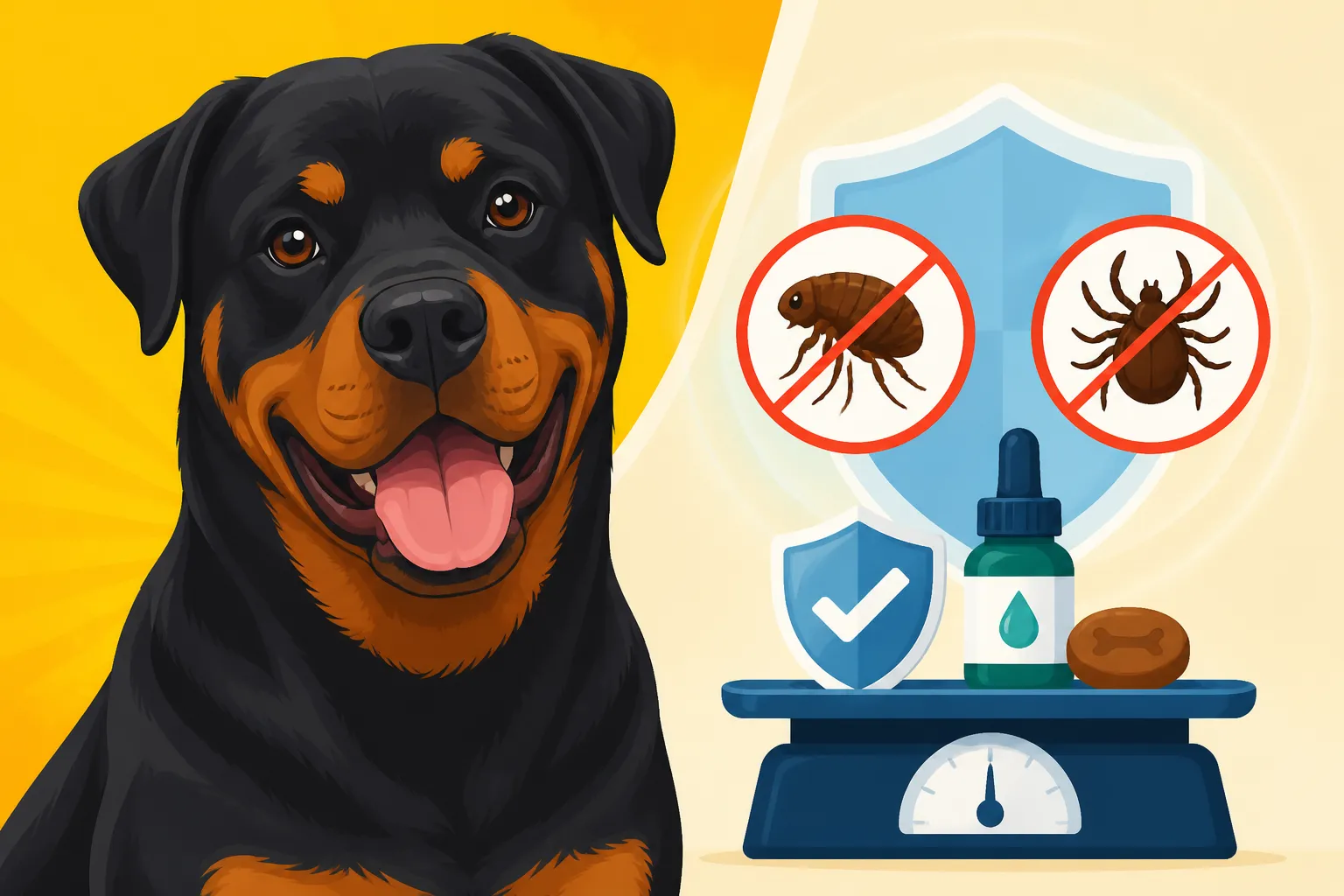
Rottweiler Flea and Tick Prevention Priced by Weight
One of the ongoing financial realities of owning a magnificent Rottweiler, especially compared to smaller breeds, is that their sheer size directly impacts the cost of their care, and flea and tick prevention is no exception. It’s a frustrating but unavoidable truth: the bigger the dog, the higher the dose of medication needed to keep them safe from these pesky parasites, and consequently, the higher the bill. This guide will walk you through why your Rottweiler's weight affects prevention pricing, explore the various types of prevention available, and offer strategies to manage these essential costs effectively.
Understanding Why Rottweiler Weight Impacts Prevention Costs
It's easy to overlook the simple math involved until you're standing at the vet's counter, looking at a prescription for your hundred-pound Rottweiler and realizing it costs significantly more than your friend's chihuahua's monthly dose. This isn't just a random markup; it's rooted in the fundamental science of veterinary medicine and the economics of producing and distributing pharmaceuticals.
The Science of Dosing: How Weight Determines Medication Strength
When it comes to medications for dogs, including flea and tick preventatives, dosage is almost always calculated based on body weight. This is because the active ingredients need to reach a certain concentration in the dog's system to be effective, and a larger body mass requires more of that active ingredient to achieve the desired effect. Think about it like this: a small dog has less blood volume and less tissue to saturate with medication than a massive Rottweiler. Giving a tiny dose to a big dog would simply not work, leaving them vulnerable to parasites. Conversely, giving a large dose to a small dog could be toxic.
This principle applies whether the medication is ingested orally, absorbed through the skin, or administered via injection. Manufacturers produce different formulations or pill sizes for various weight ranges—say, one for dogs 10-25 lbs, another for 26-50 lbs, and then larger ones for dogs like our beloved Rottweilers, who often weigh well over 80-90 pounds, sometimes topping 120 pounds or more. Each jump in weight bracket typically means a jump in the amount of active ingredient, which directly correlates to an increase in manufacturing cost.
The Financial Reality of Higher Doses for Larger Dogs
Since larger dogs need more of the active ingredient, the cost to produce that higher-dose product is inherently greater. This increased manufacturing cost is then passed on to the consumer. For Rottweiler owners, this means consistently being in the highest weight bracket for almost any medication. You're not just paying for a pill; you're paying for a concentrated amount of a specialized chemical designed to protect a substantial animal.
It's not uncommon for a single month's supply of flea and tick prevention for a Rottweiler to cost what two or three months might cost for a smaller breed. This cumulative cost over a year, or even over the Rottweiler Lifespan and the Eight to Ten Year Average, can add up significantly. It's a key part of the larger financial picture when considering The Yearly Cost of Feeding and Keeping a Rottweiler. Understanding this can help temper any frustration and prepare you for the financial commitment involved.
Beyond Flea and Tick: Other Medications Priced by Weight
The weight-based pricing isn't unique to flea and tick prevention. It's a standard practice across veterinary medicine. Everything from dewormers and heartworm medication to antibiotics and pain relief will be dosed and priced according to your Rottweiler's weight. This is why when you budget for your Rottweiler's care, it's essential to remember that many common veterinary expenses, including Parasite Prevention Dosed for a Rottweiler's Weight, will scale up with their size.
Even something as routine as anesthesia for a dental cleaning or spay/neuter surgery will be significantly more expensive for a Rottweiler than for a smaller dog due to the larger quantities of anesthetic drugs required and the increased monitoring needed for a larger patient. So, while we're focusing on flea and tick prevention today, remember this principle applies broadly to your Rottweiler's entire health journey.
Common Types of Flea and Tick Prevention and Their Cost Implications
When it comes to protecting your Rottweiler, you have several effective options, each with its own method of application, frequency, and, of course, price point. It's crucial to discuss these with your veterinarian to determine the best fit for your dog's lifestyle and your local parasite risks, but understanding the general cost structure can help you prepare.
Oral Medications: Chewables and Tablets
Oral preventatives are incredibly popular, and for good reason. They are often convenient, easy to administer (especially the flavored chewables), and generally very effective. Many oral medications protect against both fleas and ticks, and some even include heartworm prevention, making them a comprehensive solution. Brands like Bravecto, NexGard, Simparica, and Credelio are common examples.
The cost for these will depend on the specific brand and how long a single dose lasts (some are monthly, others every three months). For a large Rottweiler, you'll be looking at the highest dose available, which means the highest price point. While the upfront cost for a three-month chewable might seem high, it often breaks down to a comparable or even slightly lower monthly cost than some monthly options. When buying these through your vet or reputable online pharmacies like Chewy, you'll often see tiered pricing based on weight ranges. Be sure to check for any rebates or multi-dose discounts, which can help offset the cost.
Topical Treatments: Spot-Ons and Collars
Topical treatments, also known as spot-ons, are applied directly to your dog's skin, typically between the shoulder blades, where the medication is then absorbed or spreads across the skin's surface. Frontline Plus and K9 Advantix II are widely recognized topical options. These generally need to be applied monthly. While they might appear less expensive per dose than some oral medications, remember they are also priced by weight, and a Rottweiler will require a larger volume of liquid.
Another option is flea and tick collars, such as the Seresto collar. These collars release active ingredients that spread over your dog's skin and coat, offering protection for several months. For a Rottweiler, you'll need the large dog size, which is designed to fit their substantial neck and deliver the appropriate amount of active ingredient. These collars can be a cost-effective option for long-term protection, but it's important to ensure proper fit and monitor for any skin irritation. Always ensure any topical or collar product is specifically designed for dogs and the correct weight range for your Rottweiler.
Injectable Prevention: Long-Term Solutions
While less common for flea and tick prevention specifically, there are long-term injectable options available for heartworm prevention (ProHeart 6 and ProHeart 12). If your veterinarian recommends an injectable heartworm preventative, it's worth noting that the cost of these injections is also heavily influenced by your Rottweiler's weight, as a larger dog requires a higher dose of the medication. This can be a convenient option for some owners, eliminating the need to remember monthly doses, but the initial cost for a large dog can be substantial.
For flea and tick prevention, injectables are not standard. However, understanding that other vital preventative medicines, like those for heartworm, follow the same weight-based pricing model helps paint a complete picture of What a Rottweiler Costs Across Its Whole Short Life. This is why comprehensive vet visits and discussions about all preventive options are crucial, not just for health, but for budgeting.
| Prevention Type | Typical Frequency | Application Method | Cost Implication for Rottweilers | Pros | Cons |
|---|---|---|---|---|---|
| Oral Chewables | Monthly/Quarterly | Ingested | Highest weight bracket = highest dose, highest price per dose | Very effective, easy to administer, no messy residue | Can be more expensive upfront, some dogs may resist eating |
| Topical Spot-Ons | Monthly | Applied to skin | Largest volume of liquid needed for a large Rottweiler | Generally easy to apply, effective, not ingested | Can leave residue, can rub off, waiting period after application |
| Flea/Tick Collars | 6-8 Months | Worn around neck | Large size required, higher cost than smaller collars | Long-lasting protection, no oral meds needed | Can cause skin irritation, potential choking hazard if snagged, not all are equally effective |
Strategies for Managing Flea and Tick Prevention Costs for a Large Rottweiler
The ongoing cost of flea and tick prevention is a non-negotiable part of responsible Rottweiler ownership. But that doesn't mean you're powerless to manage those expenses. With a little planning and smart shopping, you can keep your big dog protected without breaking the bank.
Buying in Bulk and Exploring Subscription Services
One of the most effective ways to reduce the per-dose cost of flea and tick prevention for your Rottweiler is to buy larger quantities. Many brands and retailers, including online stores like Chewy, offer discounts when you purchase a 6-month or 12-month supply. This requires a larger upfront investment, but it almost always saves money in the long run. Imagine getting two free doses over a year simply by buying in bulk – that's a significant saving for a Rottweiler-sized preventative.
Additionally, some veterinary clinics or online pharmacies offer subscription services where they automatically send you your dog's prevention on a schedule, often with a slight discount and free shipping. This not only helps with cost but also ensures you never miss a dose, which is vital for continuous protection. Always ensure any online pharmacy is reputable and requires a prescription from your vet, as counterfeit pet medications are a real concern.
Comparing Brands and Generic Options
Just like with human medications, there are often multiple brands that use the same active ingredients or similar formulations for flea and tick prevention. Your vet might recommend a specific brand, but it's always worth asking if there are equally effective, slightly less expensive alternatives. Sometimes, a generic version of a previously patented medication becomes available, offering the same efficacy at a lower price point.
Don't be shy about having an open conversation with your vet about cost. They are often aware of different options and can guide you to a product that fits your budget without compromising your Rottweiler's health. While convenience is a factor, comparing chewables against topicals or even considering a long-lasting collar can reveal significant differences in yearly expenditure for your large dog.
The Role of Pet Insurance in Preventive Care
This is where understanding your pet insurance policy becomes really important. While standard pet insurance plans, like those offered by providers such as Healthy Paws, typically focus on unexpected accidents and illnesses, some companies offer "wellness plans" or "preventive care riders" as an add-on. These riders can help cover the costs of routine care, which often includes flea and tick prevention, annual exams, vaccinations, and sometimes even deworming.
It's crucial to compare what these wellness plans cover versus their monthly premium. For a large breed like a Rottweiler, whose preventive costs are inherently higher, a comprehensive wellness plan might make financial sense, especially when factoring in other routine expenses such as annual bloodwork or Rottweiler Eye Certification and the Three Year Rule re-certifications. Always read the fine print to understand what percentages are covered and if there are any caps on specific services. For instance, some plans might cover 100% of preventive meds up to a certain dollar amount per year.
Beyond the Product: Environmental Prevention and Home Care
While choosing the right preventative product is paramount, true flea and tick control for a large dog like a Rottweiler extends beyond just a pill or topical application. A multi-faceted approach that includes managing their environment and consistent home care can significantly reduce your dog's exposure and even prevent infestations from taking root in your home.
Yard Treatment and Home Infestation Control
Fleas and ticks don't just magically appear on your Rottweiler; they come from the environment. Your backyard, local parks, and walking trails are common sources. For Rottweiler owners, especially those with large yards where their dogs spend a lot of time, treating the yard for fleas and ticks can be a valuable line of defense. There are various pet-safe yard sprays and granules available that can help reduce the parasite population in outdoor spaces. However, always follow product instructions carefully to ensure the safety of your pet and family.
If your Rottweiler does bring fleas into the house, a comprehensive approach is needed. This means not only treating your dog but also thoroughly cleaning your home. Vacuuming frequently, especially carpets, upholstery, and cracks in floorboards, can remove flea eggs, larvae, and adult fleas. Washing all pet bedding in hot water is essential. In severe cases, you might need to use a pet-safe household flea spray or even call a professional exterminator. Investing in good environmental control can prevent a costly and unpleasant infestation.
Regular Grooming and Inspection Routines
Your Rottweiler's short, dense coat might not seem like a hiding place, but fleas and ticks are masters of camouflage. Regular grooming is more than just keeping your dog looking good; it's a critical opportunity for early detection. When you're brushing your Rottweiler, especially with a flea comb, you can often spot adult fleas or "flea dirt" (their feces, which looks like tiny black specks).
After every walk or outdoor adventure, especially if you've been in tall grass or wooded areas, make it a habit to perform a quick "tick check." Pay close attention to warm, hidden areas like behind the ears, in the armpits, between the toes, and around the groin. Because Rottweilers have Rottweiler Ear Care Under a Drop Ear, these flaps provide excellent cover for ticks to attach. Finding and removing a tick promptly can prevent the transmission of diseases. This vigilance is completely free and one of the most effective preventive measures you can take.
Working with Your Vet for Personalized Recommendations
Ultimately, the best strategy for flea and tick prevention for your Rottweiler will come from your veterinarian. They know your dog's medical history, your local climate, and the prevalence of specific parasites in your area. For example, if you live in a region with a high tick population known to carry Lyme disease, your vet might recommend a product with strong tick efficacy, possibly combined with a Lyme vaccination.
Your vet can also advise on the ideal frequency of prevention, especially for a rapidly growing Rottweiler Growth Plates and Why They Close So Late puppy, or for a senior Rottweiler whose health might necessitate specific considerations. Don't hesitate to ask questions about product effectiveness, potential side effects, and how different options fit into your overall budget. They are your best resource for keeping your large, loyal companion healthy and parasite-free.
Disclaimer
This article is for general informational purposes only and does not constitute professional advice. Laws, prices and regulations vary by location and change over time. Consult a qualified professional for guidance on your specific situation.