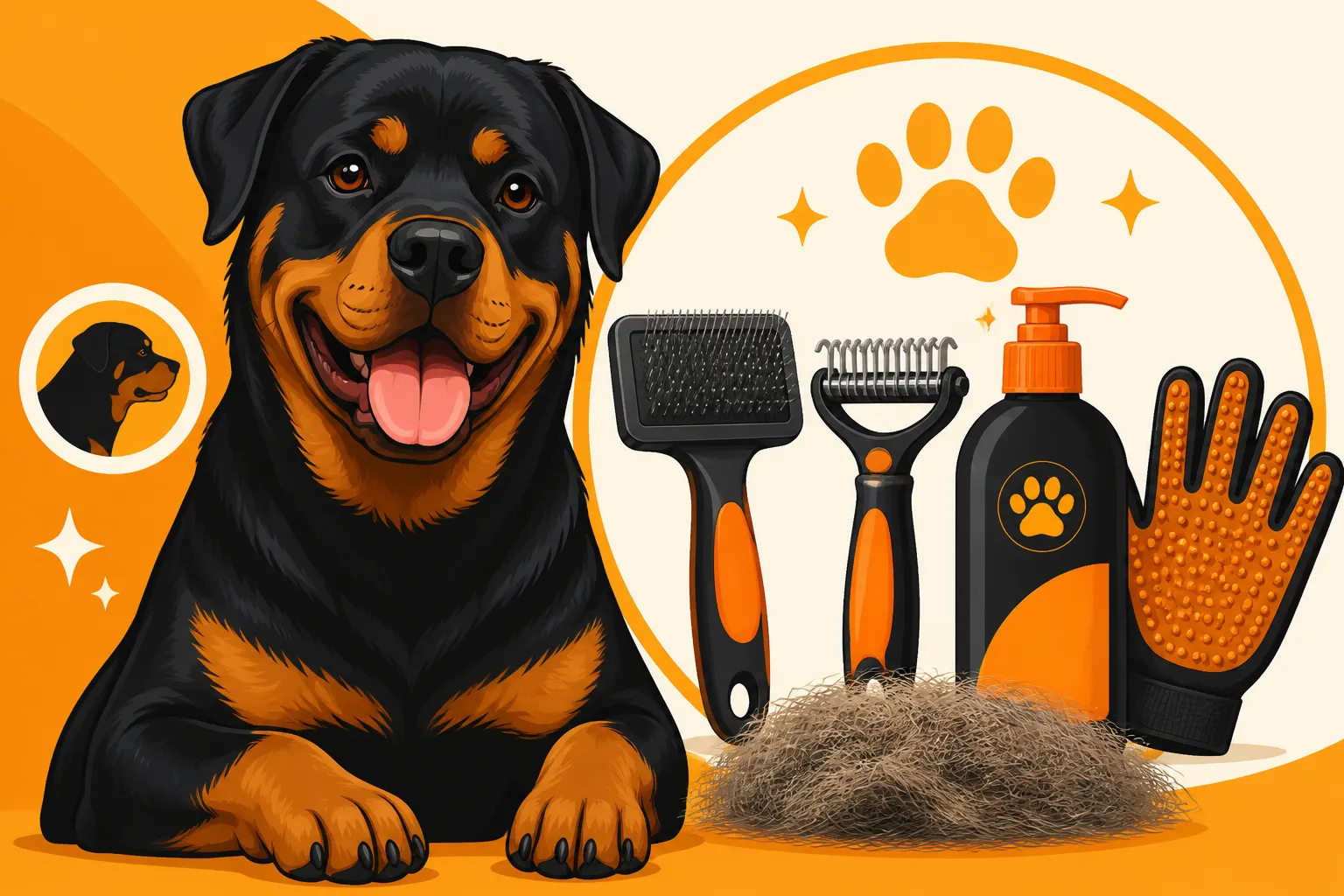
Rottweiler Grooming and Shedding Supplies
If you’re a Rottweiler owner, or even just considering bringing one of these magnificent dogs into your home, you've probably heard whispers about their shedding. Maybe you even looked at that sleek, short coat and thought, "How much can that possibly shed?" Oh, my friend, the reality is often quite different from the expectation! Rottweilers might not have long, flowing locks, but they are masters of distributing their fur, leaving little tumbleweeds of black and rust in their wake. Getting a handle on Rottweiler grooming and shedding supplies isn't just about keeping your house clean; it's about maintaining your dog's health and comfort, and making sure that bond stays strong without too much frustration over fur.
The Unique Rottweiler Coat: Understanding Its Structure and Shedding Patterns
It's easy to assume that because a Rottweiler has a short coat, grooming will be minimal. Many first-time owners are genuinely surprised by the sheer volume of hair that comes off these dogs, especially during certain times of the year. Understanding the mechanics of their coat is the first step in managing it effectively and keeping your Rottweiler looking and feeling their best.
The Double Coat's Role: More Than Just Good Looks
Your Rottweiler isn't just sporting a single layer of fur; they have a distinct double coat. This isn't just for aesthetics; it's a functional design, a leftover from their days as Roman drover dogs that protected cattle and traveled long distances in varied weather conditions. The outer coat, often referred to as the "guard coat," is short, dense, and coarse to the touch. This layer is designed to repel water, dirt, and debris, acting as a natural shield against the elements. It's tough, resilient, and gives your Rottweiler that characteristic sleek, powerful look.
Beneath this protective outer layer lies the real secret to Rottweiler shedding: a soft, woolly undercoat. This undercoat is less visible, particularly in dogs with a very dense outer coat, but it's crucial for insulation. In colder weather, it traps warm air close to the body, keeping your dog toasty. In warmer climates, it can actually help regulate body temperature by preventing the sun's heat from directly reaching the skin, though it does need to be managed to prevent overheating. The density of this undercoat can vary greatly between individual Rottweilers, with some having a much thicker, more pronounced underlayer than others. It's this undercoat, primarily, that contributes to the majority of the shedding you'll experience. When this layer starts to release, it can feel like a never-ending snowstorm of fine, black hairs.
Seasonal "Coat Blows" and Year-Round Maintenance Shedding
Rottweilers typically experience two major "coat blows" each year, corresponding with the change of seasons. These are usually in the spring, when they shed their dense winter undercoat to prepare for warmer weather, and in the fall, when they shed their lighter summer coat to grow in a thicker one for winter. During these periods, which can last for several weeks, the amount of hair coming off your Rottweiler can be truly astonishing. You'll find it everywhere: on your clothes, furniture, floors, and inexplicably, even in your morning coffee. This is a normal, natural process, but it requires diligent grooming to keep it from becoming overwhelming in your home.
Beyond these intense seasonal shedding events, Rottweilers also shed continuously throughout the year. It's a lower volume, more consistent shedding that you might not notice as acutely as a coat blow, but it's always there. This maintenance shedding is why regular, consistent grooming, even outside of peak shedding seasons, is so important. Ignoring it means allowing dead hair to accumulate, which can lead to matting (yes, even in short coats!), skin irritation, and an even greater spread of fur throughout your living space. Getting into a routine early on will make these periods, both heavy and light, much more manageable for both you and your stoic companion.
Essential Tools for Effective Rottweiler Grooming
Managing your Rottweiler's coat and overall hygiene effectively requires more than just a quick brush-over. You need the right tools, and knowing what to use and when can make all the difference in keeping your home (and your dog!) tidy and comfortable. Investing in quality grooming supplies will save you time and frustration in the long run.
Deshedding Tools: Tackling the Undercoat Challenge
Given that the undercoat is the primary culprit behind Rottweiler shedding, having effective deshedding tools is paramount. Not all brushes are created equal, and what works for a long-haired breed might be useless for a Rottweiler's dense, short coat.
First up, the undercoat rake. This tool, with its widely spaced, sturdy teeth, is designed to penetrate the harsh outer coat and grab onto the loose, dead undercoat beneath. It’s incredibly effective during those seasonal coat blows. You'll be amazed at the piles of fluffy undercoat it extracts, significantly reducing the amount that ends up on your floors. When using an undercoat rake, always brush in the direction of hair growth and be gentle, especially around sensitive areas. You're trying to remove loose hair, not scrape the skin.
Next, consider a shedding blade or a Curry brush. A shedding blade often looks like a serrated loop, and while it might appear intimidating, it's excellent for removing dead hair from the outer coat, particularly after a bath. However, it's best used gently and sparingly to avoid irritating the skin. A rubber curry brush, like the popular Kong ZoomGroom, is a fantastic all-around tool. Its rubber nubs massage the skin, stimulating circulation and bringing loose hair to the surface, making it easy to remove. It’s gentle enough for regular use, even daily, and many Rottweilers find it quite enjoyable, turning a grooming session into a bonding experience.
Finally, for general daily maintenance or finishing touches, a good quality slicker brush or a firm bristle brush can help smooth the outer coat and remove any remaining loose hairs. While not as effective for deep deshedding, these brushes are great for distributing natural oils, which contributes to a healthy, shiny coat. Remember, the goal with any deshedding tool is consistent removal of dead hair, which prevents matting, reduces shedding around the house, and keeps your dog's skin breathing freely.
Nail Care: Keeping Those Paws Healthy and Comfortable
Your Rottweiler's nails are sturdy, just like the rest of them, and proper nail care is crucial for their comfort and long-term joint health. Overgrown nails can cause pain, deform their paws, and even lead to issues like arthritis as they try to compensate for discomfort. Many owners find nail trims daunting, especially with a large, strong dog, but with the right tools and patience, it becomes a routine part of their care.
You have a few options for nail trimming. Guillotine-style clippers are often preferred for larger breeds due to their leverage, but scissor-style clippers can also work well if they are sturdy enough for thick Rottweiler nails. The key is to ensure they are sharp to make clean cuts and prevent splintering. A common fear is cutting into the "quick" – the sensitive part of the nail that contains blood vessels and nerves. If you're nervous, trim small amounts frequently rather than trying to take off a lot at once. Always have styptic powder on hand, just in case of a mishap, as it quickly stops bleeding.
Another excellent tool, particularly if your Rottweiler is anxious about clippers, is a Dremel grinder or similar electric nail file. This slowly grinds down the nail, allowing for more control and a smoother finish. It also helps to round off sharp edges, which is a nice bonus for your floors and furniture. Many dogs tolerate the vibrating sensation better than the sudden pressure of clippers, but it does take time and patience to introduce them to the sound and feel. The important thing is consistency. Regular nail trims, ideally every 2-4 weeks, are far better than waiting until their nails click loudly on the floor. For detailed guidance on tackling those substantial claws, you might find our article on Trimming Thick Rottweiler Nails particularly helpful.
Ear and Dental Hygiene: Preventing Common Issues
Beyond the coat and nails, don't overlook your Rottweiler's ears and teeth. These areas are vital for their overall health and can quickly become problematic if neglected.
Rottweilers have heavy, drop ears, which, while giving them a gentle expression, also create a warm, moist environment ripe for bacterial and yeast infections. Regular ear cleaning is not just about aesthetics; it's about prevention. You'll need a good quality, vet-approved ear cleaning solution and some cotton balls or soft gauze pads. Never use cotton swabs deep inside the ear canal, as this can push debris further in and potentially damage the eardrum. Instead, gently wipe the visible parts of the ear, including the folds, to remove wax and dirt. It’s also important to lift the ear flap regularly and inspect the canal for redness, swelling, or any unusual odor. If you notice any of these signs, it's time for a vet visit, as an infection may be brewing. For more in-depth advice on this specific task, check out our guide on Rottweiler Ear Care Under a Drop Ear.
Dental care is equally critical. A Rottweiler's powerful jaws are impressive, but they are not immune to plaque and tartar buildup, which can lead to gum disease, pain, and even systemic health problems. Brushing your dog's teeth should ideally be a daily routine, but even a few times a week can make a significant difference. You'll need a canine-specific toothbrush and toothpaste (never use human toothpaste, as it contains ingredients toxic to dogs). Introduce it slowly, making it a positive experience with praise and treats. If daily brushing isn't feasible, consider dental chews or water additives, though these are generally less effective than brushing. Regular veterinary dental check-ups are also essential. If left unchecked, serious dental issues can arise, sometimes leading to tooth extractions. To prevent these painful problems, our resource on Rottweiler Dental Disease and Cracked Teeth offers valuable insights.
The Art of Bathing a Large Rottweiler
Bathing a Rottweiler isn't quite like bathing a toy poodle. Their size, strength, and dense coat present unique challenges, but with the right approach, it can be a relatively smooth process that keeps their skin and coat healthy. Regular baths are essential not just for cleanliness, but also for managing shedding and preventing skin issues.
Selecting the Right Shampoos and Conditioners
Choosing the correct shampoo and conditioner is crucial for a Rottweiler's skin and coat health. First and foremost, always use dog-specific products. Human shampoos have a different pH balance than canine skin, and using them can strip natural oils, leading to dryness, irritation, and potentially skin problems.
When selecting a shampoo, look for products that are:
- pH-balanced: This ensures they are gentle on your dog’s skin.
- Moisturizing: Ingredients like oatmeal, aloe vera, and shea butter can be very soothing, especially for dogs prone to dry or sensitive skin. Brands like Earthbath or Burt's Bees often have good options for sensitive skin.
- Deshedding formulas: These shampoos often contain ingredients that help loosen dead hair, making it easier to brush out during and after the bath. While they won't stop shedding completely, they can make peak shedding times more manageable.
- Hypoallergenic or medicated: If your Rottweiler suffers from allergies or recurrent skin infections, your vet might recommend a specific medicated shampoo. For general sensitive skin, hypoallergenic options free of dyes and fragrances are a good choice.
A good conditioner is equally important, especially for a double-coated breed. It helps to moisturize the skin, detangle any stray hairs (reducing future matting), and make the coat softer and shinier. Leave-in conditioners can also provide extra moisture between baths. Remember, a healthy coat starts with healthy skin, and the right products support both.
Making Bath Time Manageable: Techniques for Large Dogs
The thought of bathing a large, potentially uncooperative Rottweiler can be daunting. But with preparation and the right techniques, it doesn't have to be a wrestling match.
Preparation is key:
- Brush first: Always give your Rottweiler a thorough brush before the bath. This removes a lot of loose hair and any tangles, making the shampoo more effective and reducing drain clogging. Our guide on Rottweiler Undercoat Shedding Twice a Year stresses the importance of pre-bath brushing.
- Gather supplies: Have everything ready and within reach: shampoo, conditioner, towels, a non-slip mat for the tub or shower, and a hose sprayer attachment if possible. A good hose sprayer makes rinsing much easier, particularly for their dense coat.
- Choose the right location: A walk-in shower or a large utility tub is ideal. Some owners even use an outdoor bathing station with a hose in warmer weather. A non-slip mat is crucial to prevent slips and make your dog feel more secure.
- Enlist help: If your Rottweiler is not a fan of baths, an extra set of hands can be invaluable for steadying them and offering treats.
During the bath:
- Wet thoroughly: Soak their coat completely. This can take longer than you expect with a dense double coat. The hose sprayer is invaluable here.
- Lather up: Apply shampoo, starting from the neck and working your way down, paying extra attention to their chest, belly, and legs, which tend to get dirtiest. Massage the shampoo deep into the coat, ensuring it reaches the skin.
- Rinse, rinse, rinse: This is perhaps the most critical step. Residual shampoo can irritate the skin, so rinse until the water runs completely clear and you can feel no slickness on the coat. Again, a powerful sprayer is your friend.
- Condition: Apply conditioner, let it sit for a few minutes as per instructions, then rinse thoroughly.
Make bath time a positive experience with calm praise and treats. Keep it as quick and efficient as possible, especially in the beginning, to build their tolerance. Our article Bathing a Rottweiler and How Often provides more insight into establishing a good routine.
Drying and Finishing Touches: Preventing Skin Issues
Thorough drying after a bath is just as important as the washing itself, especially for a double-coated breed like the Rottweiler. If moisture gets trapped in their dense undercoat, it creates a perfect breeding ground for bacteria and yeast, potentially leading to skin infections or "hot spots."
Start with towel drying. Use several large, absorbent towels to blot and rub as much water out of the coat as possible. Don't be shy; really work that towel into the undercoat. Many Rottweilers enjoy a vigorous towel rub, turning it into a game.
For a truly thorough dry, especially during colder months or if your dog has a particularly dense coat, a force air dryer (also known as a high-velocity dryer) is a game-changer. These are not hair dryers meant for humans; they produce a powerful stream of unheated or lightly heated air that pushes water out of the coat. This significantly speeds up drying time, prevents skin issues, and even helps to "blow out" more loose undercoat. You can find excellent options for these dryers on sites like Chewy. If using a force dryer, gradually introduce your dog to the sound and sensation. Start with short sessions, using treats and praise, and always keep the nozzle moving to avoid concentrating air on one spot for too long.
If you don't have a force dryer, ensure your Rottweiler has a warm, dry place to finish air-drying, and continue to periodically towel them until they are completely dry, especially the undercoat. Avoid letting them lie on cold, damp surfaces while still wet. After they are dry, give them another good brush-through to remove any remaining loose hairs and smooth their coat. This attention to detail will keep their coat shiny, their skin healthy, and your home a little less hairy. For a comprehensive guide on post-bath care, consider our article Drying a Rottweiler After a Bath at Size.
Beyond the Fur: Holistic Rottweiler Skin and Coat Health
Grooming a Rottweiler isn't just about managing shed hair; it’s an opportunity to perform regular health checks and address specific needs that contribute to their overall well-being. A truly healthy coat and skin are indicators of a healthy dog, and paying attention to these details can help catch problems early.
Paw Pad Protection and Skin Fold Inspections
Your Rottweiler's paws are their foundation, carrying their considerable weight through all kinds of terrain. Their paw pads are tough, but they're not indestructible and require regular inspection and care. After walks, especially on rough pavement, hot asphalt, or icy sidewalks, check their pads for cuts, cracks, blisters, or foreign objects like thorns or pebbles. Cracked or dry paw pads can be painful and lead to limping. Applying a paw balm or moisturizer designed for dogs can help keep them supple and prevent cracking. In extreme weather, consider paw booties for protection. Our article on Rottweiler Paw Protection on Hot Pavement offers great tips for managing specific environmental challenges.
Beyond the paws, Rottweilers can have slight folds of skin, particularly around their muzzle and jowls. While not as pronounced as in breeds like the Bulldog, these areas can still trap moisture, food debris, and dirt, leading to irritation or yeast infections if not cleaned regularly. A quick daily wipe with a soft, damp cloth can prevent problems. Similarly, check under their armpits and in their groin area for any redness, rashes, or unusual lumps. These proactive inspections, performed during your regular grooming sessions, are vital for early detection of potential health issues. For more specific insights into these concerns, our piece on Rottweiler Skin Folds and Pressure Sores is a valuable resource.
Addressing Skin Allergies and Recurring Infections
Rottweilers, like many breeds, can be prone to various skin issues, including allergies and recurring infections. These can manifest as itching, redness, hair loss, rashes, or a yeasty odor. It’s incredibly frustrating to see your beloved companion constantly scratching or licking. Common culprits include environmental allergens (pollen, dust mites), food allergies, or flea allergies.
If you notice persistent scratching, excessive licking, or changes in your Rottweiler's skin or coat, it's crucial to consult your veterinarian. They can help identify the underlying cause and recommend appropriate treatment, which might include dietary changes, medication, or specific topical treatments. Sometimes, a full workup is needed to pinpoint the exact allergen, which can involve skin scrapings, blood tests, or even an elimination diet. This is where having pet insurance can be a huge relief. Companies like Healthy Paws often cover diagnostics and treatments for chronic conditions like allergies, helping to ease the financial burden of ongoing vet visits, specialized foods, or prescription medications. Early intervention is key to managing these conditions effectively and providing your Rottweiler relief. For more detailed information on recognizing and treating these issues, refer to our comprehensive article on Rottweiler Allergies and Recurring Skin Infections.
Nutritional Support for a Healthy Coat
You truly are what you eat, and the same goes for your Rottweiler. A dull, dry, or excessively shedding coat can often be a sign that something is amiss with their diet. High-quality nutrition plays an integral role in maintaining a healthy, shiny coat and robust skin.
Look for dog foods that list a named meat source (e.g., "chicken meal," not just "meat meal") as the first ingredient and contain a balanced profile of essential fatty acids. Omega-3 and Omega-6 fatty acids are particularly beneficial for skin and coat health. These can often be found in ingredients like fish oil, flaxseed, and certain vegetable oils. Many premium dog foods formulate their diets to include these. Some owners choose to supplement their dog's diet with fish oil (salmon oil or sardine oil are popular choices), which can significantly improve coat luster and reduce dry, flaky skin. Ensure any supplements are dosed appropriately for a Rottweiler's size. Our guide, Fish Oil Dosed for a Hundred Pound Rottweiler, provides excellent information on proper supplementation.
If you're considering a more natural approach, fresh food diets are gaining popularity. Brands like Ollie offer human-grade, gently cooked meals that are specifically portioned for your dog's needs. Many owners report seeing a noticeable improvement in their dog's coat quality and a reduction in shedding after switching to a fresh food diet, likely due to the higher quality, bioavailable ingredients. Always consult with your veterinarian before making significant dietary changes, especially if your Rottweiler has existing health conditions, to ensure their nutritional needs are fully met.
Living with Rottweiler Shedding: Housekeeping and Prevention
Accepting that your Rottweiler will shed is one thing; managing the actual fur in your home is another entirely. It's a constant battle, but with consistent routines and the right tools, you can keep the "Rottweiler glitter" to a manageable minimum and maintain a clean living environment.
Daily Management: Brushing Routines and Home Cleanliness
The single most effective strategy for managing Rottweiler shedding in your home is consistent brushing. While seasonal coat blows require more intense effort, a daily or every-other-day quick brush with a rubber curry brush or a short-bristled slicker can make a world of difference. This routine brushing captures loose hair before it has a chance to settle on your furniture or float around your floors. It also distributes natural skin oils, keeping their coat healthy and shiny. For a deep dive into the specifics of undercoat grooming, be sure to read Undercoat Rakes for a Short Rottweiler Coat.
Beyond brushing, maintaining a clean home requires a multi-pronged approach:
- Vacuuming: Invest in a good quality vacuum cleaner designed for pet hair. Look for models with strong suction, good filtration (HEPA filters are excellent for trapping dander), and specialized attachments for upholstery. Regular, even daily, vacuuming of high-traffic areas and dog-frequented spots will be your best friend.
- Lint Rollers: Keep lint rollers strategically placed by entryways, in your car, and near your favorite lounging spots. They're indispensable for quick clean-ups on clothes, car seats, and smaller fabric surfaces.
- Washable Covers: Use washable slipcovers on sofas, blankets on pet beds, and throws on chairs. These can be easily removed and tossed in the washing machine, trapping accumulated hair and making laundry day much simpler.
- Hard Floors: If you have hard floors, a microfiber mop or a robot vacuum can be incredibly helpful for daily dust and fur collection. The "fur tumbleweeds" are real, and they multiply quickly!
Embracing these daily and weekly habits will significantly reduce the amount of Rottweiler hair circulating in your home. Remember, the goal isn't necessarily a fur-free existence (that's largely impossible with a Rottweiler!), but rather a more manageable and hygienic one. Our article on Rottweiler Hair Everywhere and How to Manage It offers more strategies for keeping your home cleaner.
Professional Grooming: When to Call in the Experts
While DIY grooming is a wonderful way to bond with your Rottweiler and keep costs down, there are times when calling in a professional groomer is a wise decision. This is especially true during those intense seasonal coat blows. Professional groomers have high-velocity dryers, specialized deshedding tools, and years of experience with difficult coats.
A professional deshedding treatment can often remove far more loose undercoat than you can manage at home, especially if your dog is not particularly cooperative. They can also ensure proper drying, preventing skin issues, and tackle those tricky nail trims if you're uncomfortable doing them yourself. Many groomers offer "bath and brush" services that include a thorough wash, conditioning, blow-dry, and intensive deshedding, which can set you up for weeks of reduced shedding at home. While there's a cost associated with professional grooming, the reduction in stress for both you and your dog, along with the significant impact on household cleanliness, can make it well worth the expense. Consider it an investment in your sanity and your dog's comfort.
The Importance of Early Handling and Regularity
No matter how effective your tools or how sophisticated your cleaning methods, the foundation of successful Rottweiler grooming lies in early handling and consistent regularity. A Rottweiler puppy that is regularly handled, brushed, has its paws touched, and its ears examined will grow into an adult that is much more tolerant and cooperative during grooming sessions.
Start grooming your Rottweiler puppy from the moment you bring them home. Even short, positive sessions (a few minutes of gentle brushing, touching their paws, looking in their ears) paired with high-value treats and praise can build a strong, positive association with grooming. This investment of time in puppyhood will pay dividends when you're trying to trim the nails of a 100-pound adult dog.
Establishing a consistent grooming routine – whether it's daily brushing, weekly ear checks, or monthly baths – helps your Rottweiler understand what to expect. Dogs thrive on routine, and when grooming becomes a predictable part of their life, it reduces anxiety and makes the process smoother for everyone involved. Without this groundwork, even the best deshedding tools can feel like an uphill battle if your dog is resistant or fearful. Our detailed guide on Rottweiler Handling Practice for Grooming can help you lay this crucial foundation. Remember, grooming is not just about cleanliness; it's a vital part of your dog's health care and a powerful way to strengthen your bond.
Disclaimer
Please note that the information provided in this guide is for general informational purposes only and does not constitute veterinary advice. Always consult with a qualified veterinarian for any health concerns or before making significant changes to your Rottweiler's diet, grooming routine, or medical care.