Scoring Quality of Life for a Rottweiler
It’s a heartbreaking reality that our beloved Rottweilers, despite their immense size and strength, often face a shorter lifespan than many smaller breeds. As they age, or when serious illness strikes, we’re confronted with the agonizing question: "Are they truly happy? Are they still enjoying life?" This guide aims to provide a compassionate, structured approach to help you objectively assess your Rottweiler's quality of life, offering clarity during one of the most challenging periods of pet ownership.
Understanding the Challenge of Assessing Quality of Life
Deciding when a Rottweiler's quality of life has diminished to an unacceptable point is, without a doubt, one of the hardest parts of being a pet parent. It’s a decision fraught with emotion, guilt, and an overwhelming desire to do what’s best for a companion who has given you so much.
The Emotional Toll on Owners
The bond we share with our Rottweilers is incredibly deep. They are loyal, protective, and often incredibly stoic, making it even more difficult to gauge their true state. You see their familiar face, their gentle nudge for attention, and it’s almost impossible to reconcile that with the idea that they might be suffering. We question ourselves constantly: "Am I giving up too soon? Am I prolonging their pain for my own sake?" This emotional whirlwind can make objective assessment nearly impossible, leading to a profound sense of paralysis when it comes to making tough choices. It's a heavy burden, and every Rottweiler owner eventually faces this personal reckoning.
It's natural to feel denial, to focus on the fleeting "good moments" and minimize the struggles. Maybe they ate a favorite treat today, or wagged their tail briefly – and suddenly, you feel a surge of hope that things aren't so bad. But these moments, while precious, can sometimes overshadow a consistent decline, and that’s where the real challenge lies. The guilt that can creep in is immense, making you second-guess every observation and every decision, wondering if you're truly seeing what's there or just what you want to see.
Why Objective Metrics Are Crucial
While love and intuition are vital, relying solely on emotion can inadvertently lead to prolonged suffering for your Rottweiler, or, conversely, a rushed decision. This is where objective metrics and a structured approach become your most valuable tools. By breaking down your Rottweiler's daily life into measurable categories, you create a clearer, less biased picture of their well-being. This isn't about removing love from the equation; it's about channeling that love into making the most informed and compassionate decision possible.
Using objective metrics helps you see patterns and trends that individual good or bad days might obscure. It allows you to document changes over time, providing concrete evidence to discuss with your veterinarian. This method helps separate the emotional desire to keep your dog by your side from the rational need to prioritize their comfort and dignity. It provides a framework to answer those agonizing questions with more confidence, ensuring that you are truly acting in your Rottweiler's best interest, even when it’s the hardest thing you’ve ever had to do.
Key Areas to Evaluate for Your Rottweiler's Well-Being
When you're trying to figure out how your Rottweiler is truly doing, it helps to break things down into specific categories. It’s not just one thing, but a combination of factors that paint the full picture of their comfort and happiness.
Physical Comfort and Pain Management
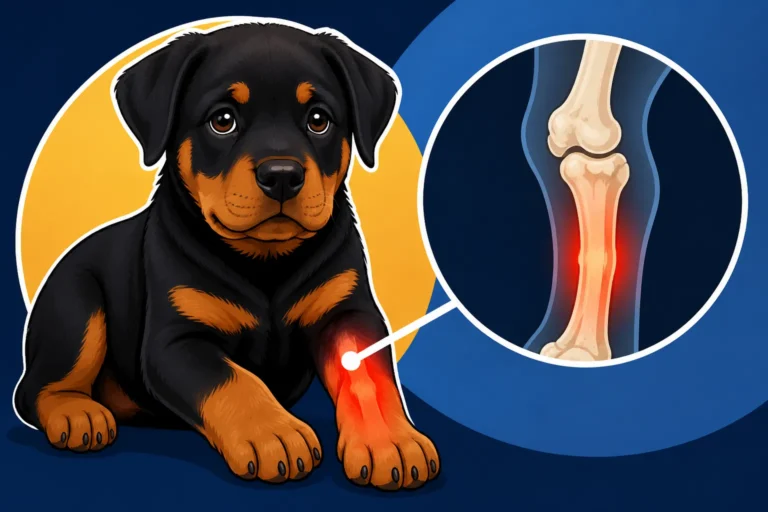
Pain is often subtle in dogs, especially stoic breeds like Rottweilers. They are masters at hiding discomfort until it becomes unbearable. Watching for changes in their normal behavior is critical. Are they limping more, or showing reluctance to jump into the car, or even just shifting their weight differently? You might notice they're hesitant to lie down in their usual spot, or they struggle to get comfortable once they do. A Rottweiler might start vocalizing more, perhaps a low moan when shifting positions, or a sharp cry if a particular area is touched. These are all vital clues.
Conditions like severe arthritis or bone cancer, which are unfortunately common in Rottweilers, can cause immense chronic pain. While there are fantastic pain management options available today, from anti-inflammatories to specialized nerve pain medications, they all have their limits. It’s important to understand if these medications are truly making your dog comfortable enough to enjoy life, or if they are simply masking profound discomfort. If your Rottweiler is on strong pain medication and still showing clear signs of pain, it's a huge red flag. For those dealing with severe conditions, understanding Pain Control for a Rottweiler With Bone Cancer is absolutely critical, as pain can escalate quickly and dramatically.
You also need to observe their general demeanor. Is their body tense even when at rest? Do they flinch when approached or touched in certain areas? Sometimes, a Rottweiler in chronic pain might become irritable or even snap, which is completely out of character. This isn't aggression; it's a desperate plea for relief. A deep, honest assessment of their comfort level, even with medication, is paramount.
Appetite and Hydration
A Rottweiler who loves food is a happy Rottweiler, right? For many of us, our Rottweilers live for mealtime and treats. So, a change in appetite can be one of the most immediate and distressing signs that something is wrong. Is your Rottweiler still eagerly anticipating meals? Are they finishing their food consistently, or are they picking at it, leaving bits behind, or refusing it altogether? We all get tempted to offer "special" foods like cooked chicken or human treats to coax them to eat, and while this can work in the short term, it can mask a deeper issue.
It’s one thing if your Rottweiler is just being a bit picky, deciding they don’t like this particular kibble anymore. It’s another entirely if they’re turning their nose up at their absolute favorite, high-value treat. A sustained lack of interest in food, despite your best efforts, can indicate illness, pain, or a significant decline in their enjoyment of life. Similarly, adequate hydration is key. Are they drinking enough water, or are they showing signs of dehydration? Sometimes, a very old or sick dog might not seek out water as readily, putting them at risk. If you're noticing a significant Appetite Loss in an Old Rottweiler, it's time for a serious talk with your vet. This can be a sign of many underlying issues, from dental pain to organ failure.
Mobility and Independence
Rottweilers are big, powerful dogs, and their mobility is central to their quality of life. Watching them struggle to stand up, navigate stairs, or even just shift positions can be heart-wrenching. Think about their daily routines: can they still get up and down on their own? Can they go outside to relieve themselves without assistance? Can they comfortably reach their food and water bowls? If you have stairs in your home, how much do they struggle with them? While we can help with things like Helping a Senior Rottweiler Up the Stairs or using Mobility Harnesses and Slings for a Rottweiler, it's important to assess if these aids truly restore their independence and comfort, or if they are merely enabling them to endure more effort than joy.
A Rottweiler that can no longer comfortably move, stand, or get to their favorite sunspot on their own has lost a significant part of their independence. This constant struggle doesn't just impact their physical well-being; it can also affect their mental state, leading to frustration and depression. They may feel trapped or unable to do the things that once brought them joy. A decline in mobility can also exacerbate other health issues, such as incontinence or pressure sores, further diminishing their quality of life. This is often where we start to see the early signs of Senior Rottweiler Mobility Decline, which can be gradual but ultimately profound.
Hygiene and Elimination
This is a category that often gets overlooked in the emotional turmoil, but it’s incredibly important for both your Rottweiler’s dignity and your ability to care for them. Can your Rottweiler still control their bladder and bowels? Are they having frequent accidents in the house, despite having opportunities to go outside? Is your dog accidentally soiling themselves, or lying in their own waste because they can’t get up or move away?
While occasional accidents happen with senior dogs, chronic incontinence that leads to your Rottweiler being dirty or uncomfortable is a major concern. It can lead to skin infections, discomfort, and a general feeling of unease for the dog. Think about how much help they need: are you constantly cleaning them, or are they able to maintain a reasonable level of cleanliness on their own? If they are unable to keep themselves clean, or require constant, extensive assistance for basic elimination, it speaks volumes about their physical decline and can impact their sense of dignity and well-being. This can be particularly tough on a dog known for its clean habits and self-possession.
Joy and Engagement
Beyond the physical, a Rottweiler’s mental and emotional state is paramount. Do they still find joy in their day-to-day life? Do they greet you with enthusiasm, even if it’s a slow, wobbly wag? Do they still show interest in things they once loved, like car rides, their favorite squeaky toy, or a gentle walk around the block? A Rottweiler's natural demeanor is one of calm confidence and watchful aloofness, but within their family, they are typically engaged and affectionate. It's important to distinguish between their inherent personality and a true lack of engagement.
Are they interacting with family members, or do they seem withdrawn, preferring to be left alone in a quiet corner? Do they respond to their name, or to familiar sounds and sights? While an older Rottweiler will naturally sleep more, a complete lack of interest in their surroundings or in interacting with people can indicate depression, cognitive decline, or simply that they are too uncomfortable to engage. It’s not just about surviving; it's about thriving, about still finding moments of happiness. If your Rottweiler no longer has those sparks of joy, that enthusiasm for the little things, it significantly impacts their overall quality of life.
Using a Quality of Life Scale for Your Rottweiler
To bring some objectivity to these intensely personal observations, many veterinarians and pet owners find quality of life scales incredibly helpful. These tools provide a structured way to evaluate different aspects of your Rottweiler's daily experience, helping you identify trends and make more informed decisions.
The HHHHHMM Scale
One of the most widely recognized and practical tools for assessing a pet’s quality of life is the HHHHHMM scale, developed by veterinary hospice specialist Dr. Alice Villalobos. This acronym stands for Hurt, Hunger, Hydration, Hygiene, Happiness, Mobility, and More Good Days Than Bad. Each category is typically scored on a scale, often 0-10, where 0 is the worst and 10 is the best. By giving each aspect a number, you can get a clearer, more quantifiable picture of your Rottweiler's current state and track changes over time.
Let's break down how you might apply this to your Rottweiler:
- Hurt (Pain): Is your Rottweiler experiencing chronic pain that isn't well-controlled by medication? Are they visibly uncomfortable, restless, or reluctant to move? A dog that is constantly hurting, even if they're stoic about it, is suffering. Score lower for uncontrolled pain, higher for comfortable, well-managed pain.
- Hunger: Is your Rottweiler eating enough on their own? Do they still show interest in food, or do you have to coax them with special treats every single meal? A complete loss of appetite, or only eating minimal amounts, indicates a significant issue. Score lower for refusal to eat, higher for eager eating.
- Hydration: Is your Rottweiler drinking enough water? Are they dehydrated? Pinch the skin on their neck—does it spring back quickly, or stay tented? Dry gums are another sign. A dog needs to be adequately hydrated to feel well. Score lower for dehydration, higher for normal hydration.
- Hygiene: Is your Rottweiler able to keep themselves clean? Are they having frequent accidents, or lying in their own urine or feces because they can't get up? Do they require constant cleaning from you? A dog that is chronically soiled or unable to maintain cleanliness has a compromised quality of life. Score lower for poor hygiene, higher for self-maintaining cleanliness.
- Happiness: Does your Rottweiler still experience joy? Do they engage with you, or show interest in their favorite activities? Are they withdrawn or depressed? Observe their overall demeanor, tail wags, interest in toys, or gentle leans. Score lower for depression/withdrawal, higher for engagement and visible joy.
- Mobility: Can your Rottweiler move around comfortably? Can they stand, walk, and get outside to relieve themselves without significant struggle or assistance? Do they resist moving? Score lower for inability to move independently, higher for comfortable mobility.
- More Good Days Than Bad: This is the overarching judgment call. After considering all the above, are the majority of your Rottweiler's days truly good, or are they merely enduring the bad ones? This helps you step back and look at the larger pattern. Score lower if bad days outweigh good, higher if good days are plentiful.
Here's a simplified example of how you might score it, using a 0-5 scale for easier tracking (5 being excellent, 0 being unacceptable):
| Category | Description for Rottweiler | Score (0-5) | Notes |
|---|---|---|---|
| Hurt | No signs of pain, comfortable with movement (5); Pain controlled by medication (3); Constant, uncontrolled pain (0) | ||
| Hunger | Eats all meals eagerly (5); Eats with coaxing, some meals skipped (2); Refuses all food (0) | ||
| Hydration | Drinks normally, good skin turgor (5); Drinks little, mild dehydration (2); Severely dehydrated, no interest in water (0) | ||
| Hygiene | Self-maintaining, no accidents (5); Occasional accidents, some self-soiling (2); Frequent accidents, unable to keep clean (0) | ||
| Happiness | Engaged, shows joy, seeks interaction (5); Lethargic, shows fleeting interest (2); Withdrawn, no interest in anything (0) | ||
| Mobility | Moves easily, stands unassisted (5); Struggles to move, needs help standing (2); Immobile, unable to bear weight (0) | ||
| Overall | More Good Days Than Bad? (Yes = 5, Mixed = 2, No = 0) |
A total score will give you a general idea, but remember that individual categories can weigh more heavily. For instance, a score of 0 in "Hurt" might override high scores elsewhere.
Tracking Changes Over Time
One of the most valuable aspects of using a quality of life scale isn't the single score, but the ability to track your Rottweiler's progress (or decline) over time. A single bad day, or even a few rough days, isn’t always the whole picture. Your Rottweiler might have an off day, just like us. What you're looking for are consistent trends. Are the scores consistently dropping over weeks or months? Are the "good days" becoming fewer and further between, even if they are still potent when they happen?
I highly recommend keeping a simple journal or calendar. Each day, or every few days, spend a few minutes consciously assessing your Rottweiler using these categories and jot down your scores and a brief note. This provides tangible data that can be incredibly helpful for you, your family, and your veterinarian. For instance, if you're regularly documenting your Rottweiler's condition, you'll have solid information to discuss during your Vet Visit Frequency for a Senior Rottweiler appointments, rather than relying on vague memories. This log can illuminate a slow, steady decline that might otherwise be missed amidst the daily fluctuations and our desire to hope for the best.
The "More Good Days Than Bad" Principle
This is often the hardest, yet most critical, part of any quality of life assessment. It's the ultimate litmus test. After you've considered all the individual components of the HHHHHMM scale, you have to step back and honestly ask yourself: Are the good days for my Rottweiler truly outweighing the bad? And not just "not bad" days, but good days, where they genuinely seem comfortable, engaged, and happy.
A "good day" doesn't necessarily mean they're running zoomies like a puppy. For a senior Rottweiler, a good day might mean they ate all their meals without prompting, enjoyed a gentle walk, rested comfortably without visible pain, and perhaps leaned into you for a solid 10 minutes. A "bad day" is often marked by increased pain, refusal to eat, obvious discomfort, withdrawal, or an inability to perform basic functions. It's easy to focus on those rare, truly joyful moments and let them eclipse the growing number of difficult days. This principle forces you to consider the balance. If your Rottweiler is spending most of their time simply enduring, rather than enjoying, it’s a strong indication that their quality of life has diminished beyond what is acceptable. This is where the profound love you have must guide you to make the most selfless decision.
When to Seek Veterinary Guidance and Support
Even with all the tools and observations at your disposal, you don't have to navigate this journey alone. Your veterinarian is an invaluable partner, offering objective medical expertise and compassionate support during this difficult time.
Consulting Your Veterinarian
As soon as you start noticing significant changes in your Rottweiler's behavior, mobility, or appetite, it's crucial to schedule a visit with your veterinarian. They can provide an objective assessment of your dog's physical health, often identifying underlying conditions that might be contributing to their decline. Don't shy away from being completely honest about your observations, using your quality of life journal to provide concrete examples. Your vet can perform diagnostics, assess pain levels, and suggest further medical interventions or adjustments to medication.
Sometimes, hearing a vet discuss the reality of your Rottweiler's condition can be incredibly hard, but it's essential. They can help you understand the prognosis, the effectiveness of various treatments, and whether those treatments truly enhance your dog's comfort or merely extend their struggle. For dogs dealing with conditions like cancer, discussing Palliative Care for a Rottweiler With Cancer with your vet can open up options focused purely on comfort, rather than cure, providing a dignified transition. Remember, your vet's role is to advocate for your dog's well-being, and they can offer clarity when your own emotions are overwhelming.
Considering Hospice and Palliative Care
In recent years, veterinary medicine has seen a wonderful expansion into hospice and palliative care services for pets. These services are specifically designed to maximize comfort and improve the quality of life for senior or terminally ill animals when curative treatments are no longer effective or desired. This isn't about giving up; it's about shifting the focus to ensuring every remaining day is as good as it can be.
Hospice care might involve specialized pain management, nutritional support, mobility assistance, and overall comfort care, often provided in your home. This allows your Rottweiler to remain in their familiar environment, surrounded by the people they love, which can be incredibly soothing during their final weeks or months. Services might include regular home visits, adjustments to medication, wound care, and even assistance with hygiene. While these services can sometimes be costly, many pet insurance providers, like Healthy Paws, recognize the value of palliative care and may cover a significant portion of these expenses, offering much-needed financial relief during an emotionally taxing time. Having financial support for extended comfort care can make a huge difference in what you're able to provide for your Rottweiler.
Making End-of-Life Decisions
Ultimately, there may come a time when, despite all medical interventions and palliative care, your Rottweiler's quality of life has irreversibly declined. This is the moment when the "More Good Days Than Bad" scale consistently tips towards the bad. Making the decision to say goodbye, often called euthanasia, is the final, most profound act of love and kindness you can offer. It is a decision that prevents prolonged suffering and allows your beloved companion to pass with dignity and peace.
Using a quality of life scale helps you come to this decision with greater certainty, knowing you’ve considered all aspects of their well-being. It helps you affirm that you are doing what is best for them, not for yourself. Discuss this decision openly with your veterinarian, who can guide you through the process and offer support. For many Rottweiler owners, the thought of this final farewell is unbearable, but being able to plan for it, perhaps even considering Home Euthanasia for a Dog a Rottweiler's Size, can make it a more peaceful experience for both you and your dog. It's about honoring the incredible life you shared and providing them with a peaceful exit, free from pain and discomfort. Knowing when to make the call is perhaps the hardest part of owning a Rottweiler, especially given the typical Rottweiler Lifespan and the Eight to Ten Year Average, and having a clear head to evaluate the situation is paramount.
Disclaimer
The information provided in this article is for educational and informational purposes only and does not constitute veterinary medical advice. Always consult with a qualified veterinarian for any health concerns or before making any decisions about your pet's care.