Whether Rottweiler Heart Disease Runs in Lines
It’s a heartbreaking reality for many Rottweiler owners: the worry that a hidden health issue, especially something as serious as heart disease, might be lurking in their beloved dog’s genetic makeup. You bring home this incredible, powerful puppy, full of life and potential, but in the back of your mind, you might be wondering if the devastating conditions you hear about are truly avoidable, or if they’re just waiting to surface. This guide is here to shed light on whether Rottweiler heart disease truly runs in family lines and what you can do to understand and mitigate those risks.
Understanding Rottweiler Heart Health
When you commit to a Rottweiler, you're not just getting a big, goofy companion; you're also signing up for the responsibility of understanding their unique health challenges. Heart disease, unfortunately, is one of those significant concerns in the breed, and it's something every Rottweiler owner should be aware of. It’s not about fear-mongering, but about being equipped with knowledge to give your dog the best possible life.
Common Heart Conditions in Rottweilers
Rottweilers, like many large and giant breeds, are predisposed to certain types of heart conditions. The two most prominent are subaortic stenosis (SAS) and dilated cardiomyopathy (DCM). It’s crucial to understand these because they present differently and have varying prognoses.
Subaortic stenosis, or SAS, is a congenital condition, meaning a Rottweiler puppy is born with it. It involves a narrowing of the outflow tract from the left ventricle to the aorta. This restriction means the heart has to work much harder to pump blood to the body. Over time, this increased effort can cause the heart muscle to thicken, leading to arrhythmias, heart failure, or even sudden death. Often, the first sign a vet picks up is a heart murmur during a routine puppy check-up. The severity of the murmur can sometimes, but not always, correlate with the severity of the SAS. Many owners are shocked to learn their seemingly healthy puppy has a heart issue. You can learn more about how this presents in Subaortic Stenosis in Rottweiler Puppies.
Dilated cardiomyopathy, or DCM, is a disease of the heart muscle itself. The heart chambers, particularly the left ventricle, become enlarged and weakened, losing their ability to pump blood effectively. This leads to a buildup of fluid in the lungs (congestive heart failure) and can also cause abnormal heart rhythms. Unlike SAS, DCM is usually acquired later in life, often in middle-aged to older dogs, though genetic forms can appear earlier. It’s a progressive disease, and the signs can be subtle at first: reduced exercise tolerance, lethargy, coughing, or even sudden collapse. Both conditions are serious, but their onset and progression pathways differ significantly.
The Role of Genetics in Heart Disease
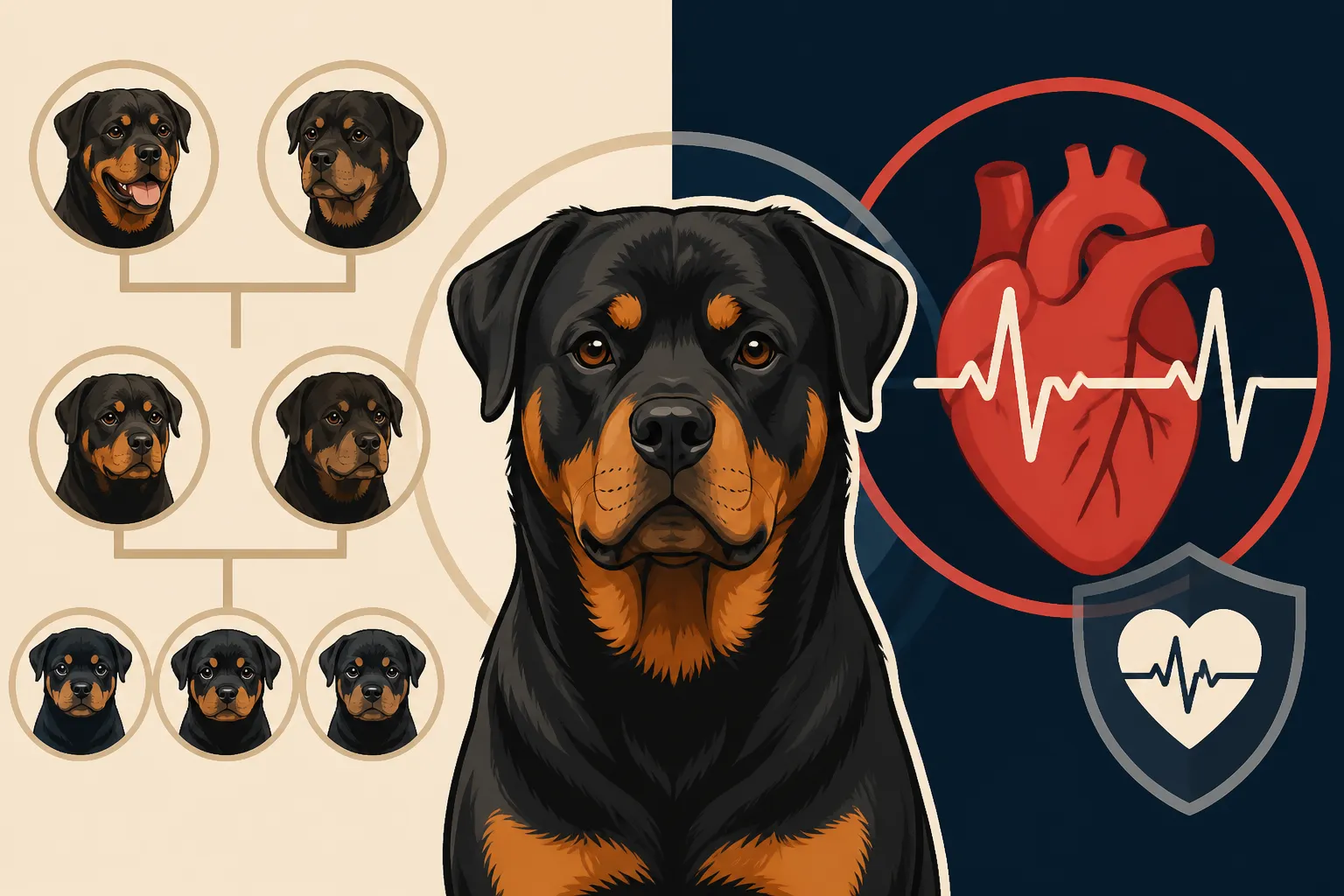
This is where the idea of heart disease running in lines becomes particularly relevant. For both SAS and DCM, there is a strong genetic component in Rottweilers. This isn't just a random occurrence; specific genes, or combinations of genes, are believed to be passed down through generations, making certain family lines more susceptible than others.
For SAS, the genetic inheritance is complex, likely involving multiple genes, which is why breeding decisions are so critical. If a Rottweiler parent has SAS, even a mild form, there's a higher chance their offspring could inherit the condition. Reputable breeders are acutely aware of this and strive to remove affected dogs from their breeding programs. It's not always a straightforward "yes or no" situation; sometimes, carriers might not show severe symptoms themselves but can still pass the genes to their puppies. This makes Cardiac Clearance Before Breeding a Rottweiler absolutely essential.
DCM in Rottweilers also has a recognized genetic predisposition. While environmental factors like diet (particularly grain-free diets lacking taurine, though this link is still being researched extensively) can play a role, genetics are a significant driver. Breeders who have dogs diagnosed with DCM often find that other related dogs in their pedigrees, or offspring, may also develop the condition. This means that a diligent breeder will track health outcomes in their dogs' relatives to make informed decisions about future pairings. The reality is that if you have a Rottweiler from a line with a known history of heart disease, even if your dog is currently healthy, the risk remains.
Investigating Your Rottweiler's Lineage and Health Records
Understanding if heart disease runs in your Rottweiler’s lines starts with thorough investigation, ideally before you even bring a puppy home. It's a bit like being a detective, piecing together clues to ensure the best possible start for your new family member.
What to Ask a Breeder About Heart Health
A responsible breeder won't just tell you their dogs are healthy; they'll show you proof. When you're talking to a breeder, especially for a breed like the Rottweiler, health clearances for heart conditions should be at the top of your list of questions. Don't be shy – this is about your future dog's well-being and your peace of mind.
Firstly, ask about specific cardiac screening for both parents. For SAS, a board-certified veterinary cardiologist should perform an echocardiogram (an ultrasound of the heart) on any breeding dog. This is not just a stethoscope listen; it's a detailed imaging study that can detect the subtle narrowing associated with SAS. The results are typically registered with the Orthopedic Foundation for Animals (OFA) and listed as "clear," "equivocal," or "affected." A clear OFA cardiac certification for both parents significantly reduces the risk of SAS in puppies. You want to see documentation of these tests, not just hear about them. Remember, The Five Clearances a Rottweiler Breeder Must Have includes cardiac health.
For DCM, the situation is a bit more nuanced. While there isn't one definitive genetic test for all forms of DCM in Rottweilers yet, breeders should still be screening their breeding dogs with annual echocardiograms. This helps catch early signs of heart muscle changes before they become severe. Ask if they've ever had a dog in their breeding program or a puppy they've produced diagnosed with DCM. A breeder who is transparent about their lines' health history, good and bad, is usually a good sign. They should be able to discuss the full health history of their dogs, including any cases of Dilated Cardiomyopathy in a Rottweiler in their lines or close relatives.
| Heart Condition | Type of Test (Gold Standard) | Certification Body | Frequency for Breeding Dogs |
|---|---|---|---|
| Subaortic Stenosis (SAS) | Echocardiogram by Cardiologist | OFA | Once, typically after 12 months (annual recommended by some) |
| Dilated Cardiomyopathy (DCM) | Annual Echocardiogram by Cardiologist | OFA (results for breed) | Annually |
Deciphering Health Certifications
Navigating health certifications can feel like learning a new language, but it's essential. The OFA (Orthopedic Foundation for Animals) is a key player here. They maintain a public database of health certifications, including cardiac clearances. When a breeder tells you a dog is "OFA Clear" for cardiac, you should be able to look up that specific dog by its registered name or registration number on the OFA website. This transparency is critical.
For SAS, the OFA cardiac database will list the individual dog's results. A "Normal" or "Clear" result is what you want to see. An "Equivocal" result means there was some ambiguity, and the dog may or may not have SAS; such a dog should ideally not be bred. An "Affected" result means the dog has SAS and should absolutely not be bred. Similarly, for DCM, while OFA doesn't offer a specific "clear" certification for the disease itself in the same way as SAS, they do record echocardiogram results. A responsible breeder will have recent normal echocardiogram results for their breeding animals, showing no signs of chamber enlargement or poor contractility indicative of DCM. This commitment to transparently listing results, whether good or bad, shows a breeder's dedication to improving the breed's health. The cost for What a Health-Tested Rottweiler Puppy Costs often reflects this significant investment in health screenings.
Managing and Monitoring Heart Disease Risk
Even with the best breeding practices, no guarantee is absolute. Life happens. But being proactive in managing and monitoring your Rottweiler’s heart health can make a huge difference in their quality of life and potentially their lifespan.
Regular Vet Checks and Early Detection
Think of your annual vet visits as your first line of defense. For a Rottweiler, these aren't just for vaccinations; they're critical opportunities for early detection of potential heart issues. Your veterinarian will listen to your dog’s heart during every exam. If they detect a murmur, especially in a young Rottweiler, they will likely recommend further diagnostics, such as an echocardiogram, performed by a veterinary cardiologist. This is precisely when early SAS is often identified. You may recall from Subaortic Stenosis Heard as a Rottweiler Puppy Murmur that detecting this early can change the course of management.
For DCM, regular veterinary check-ups are also crucial, particularly as your Rottweiler ages. Your vet will listen for abnormal heart sounds or rhythms, check pulses, and assess your dog's overall energy levels and breathing patterns. If DCM is suspected, an echocardiogram is the definitive diagnostic tool. Catching DCM early, before severe symptoms like congestive heart failure develop, can allow for medical management to slow progression and improve quality of life. Owners might initially notice subtle changes in their dog’s activity or a slight cough. Don't dismiss these changes, especially in a breed predisposed to heart conditions.
Lifestyle Factors and Preventive Care
While genetics are a major player, you have a significant role in fostering your Rottweiler's overall health, which indirectly supports heart function. Maintaining an ideal weight is paramount. Obesity puts immense strain on a dog’s entire body, including the heart. Every extra pound your Rottweiler carries means their heart has to work harder. Discuss your dog’s ideal weight and feeding regimen with your vet, adjusting portions as needed.
Nutrition also plays a role. Feeding a high-quality, balanced diet formulated for large breeds is essential. Be cautious with trendy diets, especially "boutique" or grain-free options, unless advised by your veterinarian, as some have been implicated in nutritional DCM cases. Water intake is also important; ensure your Rottweiler always has access to fresh, clean water, which helps support overall circulation and organ function.
Appropriate exercise is another key component. While you don’t want to over-exercise a young Rottweiler due to their developing joints, regular, moderate exercise is vital for maintaining good cardiovascular health in adults. Avoid extreme exertion, especially in hot weather, and always monitor your dog for signs of fatigue or distress. Remember Exercise Limits for a Rottweiler With Heart Disease if your dog is diagnosed. Consider low-impact activities like swimming or controlled leash walks. These habits, combined with consistent veterinary oversight, create the best possible environment for your Rottweiler’s heart.
Financial Preparedness for Heart Conditions
Let's be realistic: a Rottweiler with a heart condition, even a mild one, will incur medical expenses. These can range from routine monitoring to lifelong medication and emergency care. Being financially prepared is just as important as being emotionally prepared.
The Cost of Cardiac Care
The diagnostic process alone can be costly. An echocardiogram performed by a board-certified cardiologist can range from several hundred to over a thousand dollars, depending on your location and the complexity of the case. This initial cost doesn't include follow-up visits, which might be recommended every 6-12 months for monitoring. If your Rottweiler is diagnosed with a heart condition, especially one that progresses to heart failure, the ongoing costs can be substantial.
Medication for conditions like DCM or symptomatic SAS can be a lifelong commitment. These might include diuretics, ACE inhibitors, beta-blockers, or other cardiac drugs. Many of these medications are human generics but are still not inexpensive, especially for a large dog like a Rottweiler that requires higher dosages. Over the course of months and years, these prescriptions can add up to thousands of dollars. In emergency situations, such as a sudden collapse or acute congestive heart failure, the costs can escalate rapidly, easily reaching several thousand dollars for stabilization, oxygen therapy, and intensive care. This is why it's wise to plan ahead for Emergency Vet Bills a Rottweiler Owner Should Expect.
Navigating Pet Insurance Options
This is where pet insurance can truly be a lifesaver. Many owners realize too late, when a diagnosis hits, that their policy won't cover a pre-existing condition. Therefore, getting pet insurance early, ideally when your Rottweiler is a puppy and before any health issues arise, is crucial.
Look for a policy that covers hereditary and congenital conditions, which is essential for Rottweilers given their predisposition to SAS and DCM. Not all policies are created equal, so read the fine print carefully. Companies like Healthy Paws are known for their comprehensive coverage, often including hereditary conditions. They might have a waiting period before coverage kicks in, so enrolling your puppy as soon as you bring them home is the best strategy.
Consider the deductible, reimbursement percentage, and annual limits. A higher deductible will mean lower monthly premiums, but you'll pay more out-of-pocket before insurance kicks in. A 90% reimbursement rate with no annual cap is generally ideal for covering major illnesses like heart disease. While Rottweiler Insurance Premiums Around $204 a Month might seem like a lot, it pales in comparison to the potential tens of thousands in bills for a serious, lifelong heart condition. Having a robust policy in place can provide invaluable peace of mind and allow you to make medical decisions based on what’s best for your Rottweiler, rather than solely on your wallet.
Disclaimer
Please remember that the information provided in this article is for educational purposes only and should not be considered a substitute for professional veterinary advice. Always consult with a qualified veterinarian or veterinary cardiologist for any health concerns or before making any decisions about your Rottweiler's medical care.