Whether Rottweilers Are Genuinely Good Guard Dogs
Many prospective Rottweiler owners, drawn to their imposing stature and historical reputation, often wonder if these magnificent dogs are truly effective guard dogs right out of the box. It’s a natural question, given their origins, but the reality is more nuanced than simply owning a Rottweiler and expecting it to be a perfect protector without any effort. This guide will delve into the Rottweiler's innate guarding abilities, the critical role of proper training and socialization, and what it truly means to have a good guard dog in your home.
The Rottweiler's Historical Roots as a Guard and Drover
To understand a Rottweiler's potential as a guard dog, we have to look back at their history. These aren't just pretty faces; they have a rich working past that's deeply woven into their genetic fabric. Their ancestors were the robust drover dogs accompanying Roman legions through Europe, and their purpose was clear: protect the livestock and the people traveling with them.
From Roman Cattle Dogs to Butcher's Helpers
Imagine legions of Roman soldiers on the march, needing to move their cattle herds for sustenance across vast distances. They weren't just bringing sheep; they were bringing large, powerful animals that needed to be kept in line and, more importantly, protected from predators or thieves. This is where the Rottweiler's ancestors, the robust, mastiff-type dogs, came into their own. They were the original working dogs, valued for their strength, courage, and innate protective instincts. You can learn more about their lineage in The Roman Drover Dogs Behind the Rottweiler.
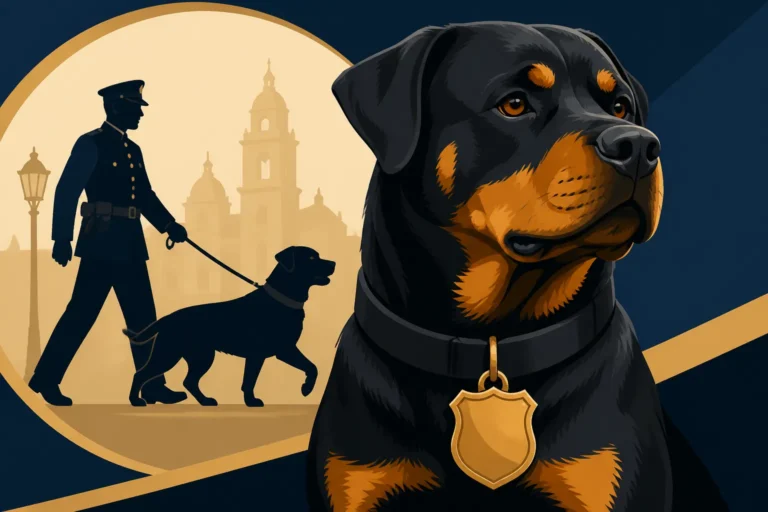
When these Roman drover dogs settled in the German town of Rottweil, a bustling cattle market town, their job descriptions evolved. They became the "Metzgerhund," or "butcher's dog." Their duties were still about protection: driving cattle to market, keeping them together, and then, crucially, guarding the butcher's hard-earned money from robbers on the journey home. Often, the money pouch would be tied around the dog's neck, a testament to the absolute trust placed in these animals. This historical responsibility for valuable goods instilled a deep-seated instinct to guard. They weren't just big dogs; they were trusted, reliable protectors. Their role in society was fundamental, and they developed an uncanny ability to discern who belonged and who didn't, a trait invaluable in a guard dog.
Instinct Versus Training
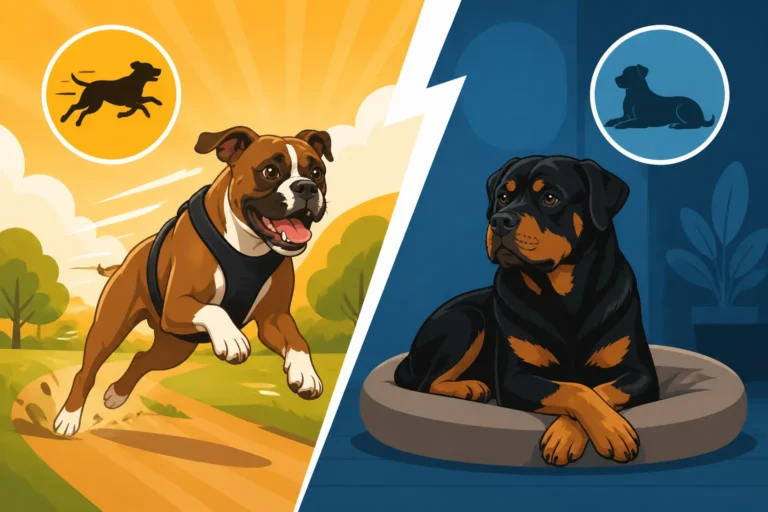
So, if guarding is in their DNA, does that mean every Rottweiler is an automatic, perfect guard dog? Not quite. While they possess strong instincts for territoriality and protecting their family, these instincts need to be channeled and refined through consistent, appropriate training. Think of it like a natural athlete. They might have incredible talent, but without coaching and practice, they won't reach their full potential or perform reliably under pressure.
A Rottweiler's guarding instinct often manifests as a natural wariness towards strangers or an alert bark when something seems amiss on their property. This is a fantastic foundation. However, without guidance, this instinct can become problematic. An untrained Rottweiler might be overly suspicious of every visitor, or conversely, too friendly, thereby failing to act as a deterrent. The key is to teach them what to guard, when to guard, and most importantly, when to stop. Without this control, an instinctive guard dog can become a liability, reacting inappropriately or, in a critical situation, failing to respond as needed. It's about harnessing that powerful drive and shaping it into a reliable, controlled protective response.
Understanding the Rottweiler Temperament for Guarding
The Rottweiler's temperament is a fascinating blend of strength, confidence, and a unique discernment that makes them particularly suited for guarding roles, but not in the way some people might expect. They're not usually the type to bark wildly at every passing leaf.
That Self-Assured Aloofness
One of the most striking characteristics of a Rottweiler, often noted in the breed standard, is their self-assured aloofness. This isn't coldness or unfriendliness; it's a calm confidence that allows them to observe a situation without immediate, over-the-top reactions. When a stranger approaches your home, a Rottweiler typically won't greet them with enthusiastic tail wags. Instead, they'll often stand back, observe, and assess. This aloofness is a huge asset in a guard dog. It means they aren't easily distracted by friendliness or charming overtures from someone with ill intent. Their natural inclination is to be reserved with people they don't know, a trait explored further in Rottweiler Aloofness and Why It Reads as Cold.
This composure allows them to remain calm under pressure, which is crucial for making good judgments. Imagine a situation where someone unexpected comes to the door. A Rottweiler won't just react; they will process. They'll take in body language, tone of voice, and the overall context before deciding on a course of action. This considered approach makes them much more reliable than a dog that reacts impulsively out of fear or over-excitement. Their very presence, combined with this calm, watchful demeanor, is often enough to deter unwanted attention.
The "Wait and See" Approach
The Rottweiler's "wait and see" approach is perhaps their most defining characteristic when it comes to guarding. Unlike some breeds that might bark frantically at every little thing, a Rottweiler tends to be quiet, observing their surroundings with intense focus. They're processing information, evaluating potential threats, and making a judgment call. You might see them standing perfectly still, eyes fixed, ears slightly perked, body taut but not aggressive. This stillness can be quite unsettling to an intruder because it's hard to read. Is the dog about to explode into action, or will it remain calm? This ambiguity is part of their deterrent power. If you want to understand how this quiet observation works, read Reading a Still Rottweiler That Is Not Relaxed.
This discerning nature means they won't typically sound the alarm unless there's a genuine reason. They understand their job isn't to be a nuisance barker but to alert when necessary. When they do bark, it's usually deep, authoritative, and unmistakable – a warning that demands attention. This measured response means that when your Rottweiler does react, you know there's likely something legitimate going on. This thoughtful assessment is far more effective than constant, undiscriminating barking, which can easily be ignored.
Natural Protective Instincts
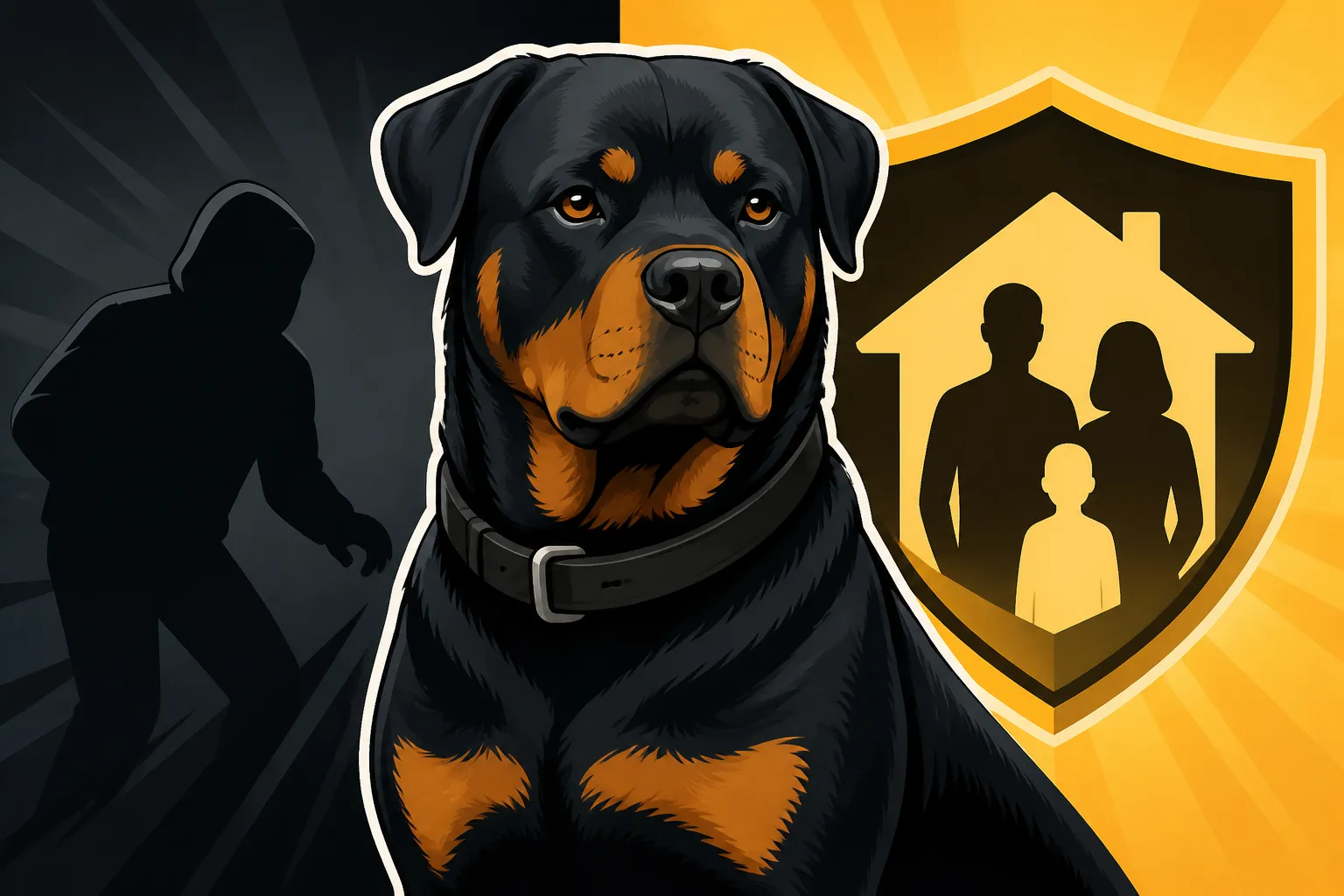
Beneath that calm exterior lies a powerful protective instinct for their family. This isn't learned; it's inherent. Rottweilers bond deeply with their human families and view them as their pack. They have an innate desire to keep their loved ones safe, and this extends to their home and property, which they consider their territory. This natural drive is what makes them excellent guard dogs. They aren't guarding "a house"; they are guarding their space and their people. For more insights into this, check out The Rottweiler Guarding Instinct and How to Shape It.
This protective instinct means they are highly alert to changes in their environment. A strange car lingering, an unfamiliar person lurking at the fence line, or an unusual noise late at night will catch their attention. They often have a keen sense of who belongs and who doesn't, picking up on subtle cues that humans might miss. This isn't aggression for aggression's sake; it's a deep-seated desire to defend what is theirs. While their temperament is generally stable and confident, this protective drive means they are always on duty, observing and ready to act if a genuine threat emerges.
The Difference Between a Guard Dog and a Protection Dog
It’s easy to use the terms "guard dog" and "protection dog" interchangeably, but there's a significant difference, especially when talking about Rottweilers. Understanding this distinction is crucial for any owner.
Property Versus Personal Protection
When we talk about a "guard dog," we're generally referring to a dog whose primary role is to protect property by acting as a deterrent and an alarm system. This often involves barking at intruders, having an imposing presence, and making it clear that unauthorized entry is not welcome. Many Rottweilers naturally excel at this. Their size, deep bark, and watchful demeanor are often enough to make anyone think twice before trespassing. They protect their home, their yard, and the possessions within it. This type of guarding relies heavily on their natural instincts for territoriality and their innate discernment.
A "protection dog," on the other hand, is trained for personal defense and, often, bite work. This involves highly specialized, intensive training that teaches a dog to actively engage a threat, physically defending its handler or family. This is a much higher level of training, requiring a dog with a specific temperament, impeccable nerves, and absolute obedience. While Rottweilers have the physical capabilities for this, not every Rottweiler has the mental fortitude or the drive for advanced protection work, and it's certainly not something the average pet owner should attempt to train on their own. The aim of personal protection is active intervention, not just deterrence.
Training for a Reliable Guard Dog
For a Rottweiler to be a reliable guard dog – one that alerts appropriately and acts as a deterrent without being overly aggressive or fearful – training is absolutely paramount. We're not talking about bite work here; we're talking about foundational obedience, advanced socialization, and impulse control.
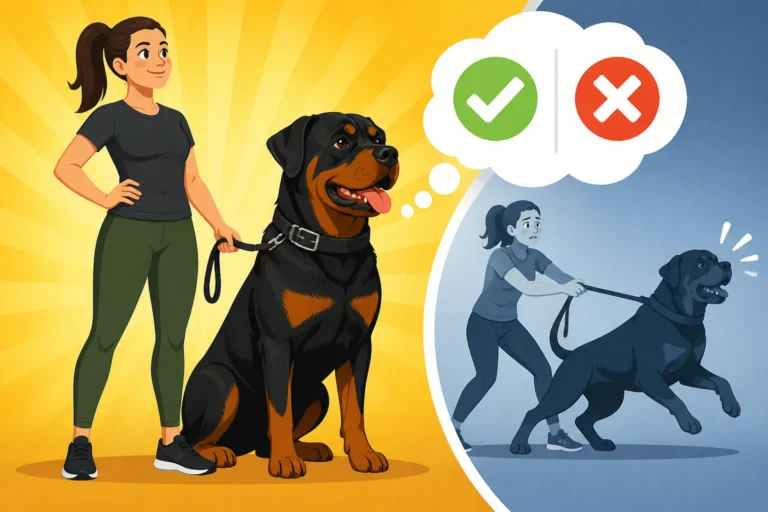
Firstly, a guard dog must be impeccably obedient. If your Rottweiler barks at a delivery driver, you need to be able to call them off immediately. Simple commands like "sit," "stay," "come," and "leave it" are not just for tricks; they are vital safety commands for a large, powerful dog. Without this control, an instinctive protective dog can quickly become a liability. Early and consistent training, starting from puppyhood, is non-negotiable. It helps them understand their role and how to act responsibly. Consider what happens when your Rottweiler starts barking at delivery drivers; how do you manage that? Understanding A Rottweiler That Barks at Delivery Drivers can provide insight.
Secondly, extensive socialization is crucial. A well-socialized Rottweiler is exposed to a wide variety of people, places, sounds, and other animals during their formative months. This doesn't make them "friendly" with everyone; it teaches them what is normal and what is genuinely out of place. A dog that is fearful due to lack of socialization is more likely to react aggressively out of insecurity, which is dangerous and not good guarding. A truly confident guard dog can distinguish between the mail carrier and a genuine threat. For tips on proper socialization, you'll want to read Socializing a Rottweiler Puppy Properly.
Finally, impulse control training teaches them to think before they act. This includes teaching them to wait patiently, not to snatch food, and to respond to commands even when excited or stimulated. A dog that can control its impulses is a dog that can be trusted to act appropriately in a stressful situation. Trying to train an untrained Rottweiler at full size is a monumental task; hence, it's wise to start early, as discussed in Training a Rottweiler Before It Outweighs You.
The risks of trying to train a protection dog without expert guidance are immense. An improperly trained protection dog can be dangerous to innocent people, lead to serious legal consequences, and cause irreparable damage to the dog's temperament. Most families simply need an alert, deterrent guard dog, and for that, foundational training and proper socialization are far more important than specialized protection drills. If you're contemplating advanced protection training, it's critical to understand Why Protection Training Can Backfire on a Rottweiler before proceeding.
Deterrent Factor
Let's be honest: a Rottweiler simply looks like a formidable deterrent. Their powerful build, deep chest, broad head, and intense gaze communicate strength and seriousness. Just the sight of a well-muscled Rottweiler behind a fence or looking out from a window is often enough to make potential intruders reconsider their plans. This isn't about aggression; it's about presence.
Many criminal studies have shown that the most effective deterrents are often the simplest ones – an alarm sign, good lighting, and, yes, a visibly large, powerful dog. The perceived risk of encountering a Rottweiler is often enough to send a would-be burglar looking for an easier target. This psychological deterrent is incredibly valuable, especially for homeowners who prioritize safety and security. Even if your Rottweiler never has to physically intervene, their mere existence and visibility can contribute significantly to your home's security. This is particularly true if your dog has the calm, confident demeanor that lets them assess without being easily dismissed, a temperament highlighted in The Rottweiler Temperament Clause in the Rottweiler Standard.
A well-socialized Rottweiler, comfortable and confident in its environment, will often convey this silent message more effectively than one that is constantly barking or appears anxious. Their natural "wait and see" attitude projects an aura of thoughtful strength, making them excellent, passive guardians.
Essential Considerations for a Rottweiler Guard Dog
Owning a Rottweiler with guarding instincts is a serious responsibility. Beyond their natural abilities, there are several crucial factors that determine how effectively and safely they perform this role.
Socialization Is Key
This point cannot be stressed enough: proper, extensive socialization is the bedrock of a good, reliable Rottweiler guard dog. Many people mistakenly believe that socializing a guard dog will make them "too friendly" and therefore ineffective. Nothing could be further from the truth. A good guard dog needs to be confident and stable, not fearful or reactive.
Socialization, especially during the critical puppy stages (up to 16 weeks), involves exposing your Rottweiler puppy to a huge variety of positive experiences: different types of people (men, women, children, people in hats or uniforms), different environments (parks, stores where dogs are allowed, busy streets), different sounds, and different surfaces. This teaches them that the world is generally a safe and predictable place. A dog that is confident in a wide range of situations is far less likely to react out of fear when confronted with something truly unusual or threatening.
A poorly socialized Rottweiler, on the other hand, might be nervous or fearful of anything unfamiliar. Fear-based aggression is unpredictable and dangerous; it’s not true guarding. It’s a dog lashing out because it feels threatened, not because it's making a rational decision to protect. A properly socialized Rottweiler understands the difference between a harmless novelty and a genuine threat, allowing them to make intelligent, measured responses. They learn to ignore the mundane, reserving their protective instincts for when they are truly needed.
Obedience and Handler Control
For a dog as powerful as a Rottweiler, absolute obedience and handler control are not optional; they are imperative. A guard dog must be a dog that listens to you, no matter the distraction or the level of excitement. Imagine a scenario where your Rottweiler has correctly identified a threat, but you need them to disengage or come back to you. Without rock-solid obedience, you could be in a very dangerous situation.
This means investing in consistent, positive reinforcement training from day one. Your Rottweiler needs to respond instantly to commands like "sit," "stay," "come," "down," and "leave it," even when their instincts are telling them to do otherwise. This level of control builds trust between you and your dog. They learn that you are the leader, and you make the ultimate decisions about when and how to respond to situations.
Consider the practical implications: your Rottweiler hears an unexpected noise in the yard late at night. They go out, investigate, and start to bark. You need to be able to call them back inside, assess the situation yourself, and then decide on the next steps. Without that level of control, you risk a dog that might escalate the situation unnecessarily or, worse, get into trouble. Good obedience ensures that your Rottweiler is a tool for your safety, not a wild card.
Legal and Insurance Implications
It's a harsh reality that owning certain breeds, including Rottweilers, can come with significant legal and insurance hurdles. Many insurance companies have breed-specific restrictions, and Rottweilers often make these lists. This can mean higher premiums, outright refusal of coverage, or the need for a special rider or umbrella policy. It's crucial to check with your homeowners insurance provider before bringing a Rottweiler into your home. Neglecting this could leave you without coverage in the event of an incident. More details on this can be found in Homeowners Insurance When You Own a Rottweiler.
Beyond insurance, some cities, counties, or even HOAs have breed-specific legislation (BSL) that restricts or bans Rottweilers. Before committing to the breed, research your local ordinances thoroughly. Moving to a new area with a Rottweiler might also pose challenges. These regulations are often rooted in negative stereotypes, but they are a legal reality that responsible Rottweiler owners must navigate. Documenting your dog's training, socialization, and good behavior can sometimes help, but it's not a guarantee against restrictions.
| Aspect | Natural Deterrent/Alert Dog (Most Rottweilers) | Trained Personal Protection Dog (Specialized) |
|---|---|---|
| Primary Goal | Warn, deter, alert family, protect property | Actively engage and physically defend handler/family |
| Training Required | Foundational obedience, extensive socialization | Advanced, specialized obedience, bite work, scenario training |
| Temperament | Calm, confident, discerning, aloof with strangers | High drive, exceptional nerves, stable, handler-focused |
| Risks | Lower if well-socialized and trained | Higher if poorly trained; legal and liability concerns |
| Suitability for Avg. Owner | High, with commitment to training/socialization | Low; requires expert trainer and specific dog temperament |
| Cost | Standard vet care, food, basic training (e.g., Chewy supplies) | Significant investment in specialized trainers, gear |
Ethical Considerations
Bringing a Rottweiler into your life with the expectation of a guard dog means embracing a profound ethical responsibility. These are powerful animals with strong instincts. It's unethical to deliberately foster aggression or to neglect their training and socialization, leading to a dog that is unstable or dangerous.
A Rottweiler's role is not to be a weapon but a protector. This means ensuring they are mentally healthy, well-adjusted, and happy companions first and foremost. Their guarding abilities should stem from confidence and discernment, not fear or an over-stimulated drive to bite. A dog that is constantly stressed or aggressive is not a good guard dog; it's a troubled dog.
Furthermore, consider the commitment. A Rottweiler needs a responsible owner who understands their needs for exercise, mental stimulation, and consistent leadership. This isn't a dog you can leave in the yard to "guard" all day; they thrive on being part of the family. The bond you build through positive interactions and training is what truly unlocks their potential as loyal, protective companions. Neglecting this bond means you'll have a dog that might not listen to you in a crisis, which defeats the entire purpose of having a guard dog. You'll find everything from appropriate large-breed food to durable toys and training aids on sites like Chewy to support their well-being and training needs. Choosing the right gear for a big, strong dog can make all the difference, whether it's a sturdy leash or a comfortable, giant dog bed, all of which are readily available through retailers like Chewy.
Ultimately, Rottweilers can be genuinely good guard dogs. Their history, temperament, and physical presence certainly make them suitable for the role. However, this potential is only realized through unwavering commitment from their owner: dedicated training, meticulous socialization, and responsible management. A well-bred, well-raised Rottweiler is a loyal family member and an instinctively protective companion, offering peace of mind through their presence and discerning alerts. When you’re choosing chew toys or enrichment items, remember that Chewy offers a wide selection that can help keep your Rottweiler mentally stimulated, preventing boredom that can sometimes lead to unwanted behaviors.
Disclaimer
This article is for general informational purposes only and does not constitute professional advice. Laws, prices and regulations vary by location and change over time. Consult a qualified professional for guidance on your specific situation.