The Rottweiler Eye Color the Standard Accepts
When you think about a Rottweiler, a striking image usually comes to mind: that powerful build, the distinctive black and rust markings, and those deep, intelligent eyes. But what many folks don't realize is that "deep" isn't just a feeling; it's a very specific color requirement in the breed standard, and veering from it isn't just an aesthetic choice, but often a sign of a less-than-ideal breeding program. This guide will walk you through exactly what eye color is accepted for a Rottweiler, why it matters, and what to look out for.
The Official Rottweiler Eye Color According to Breed Standards
It might seem like a small detail, but a Rottweiler's eyes are a huge part of its overall expression and adherence to the breed standard. The standard isn't just some arbitrary set of rules; it's a blueprint designed to preserve the physical and temperamental traits that define the Rottweiler as a working dog. When it comes to eye color, there's very little wiggle room.
The Desired Dark Brown and Almond Shape
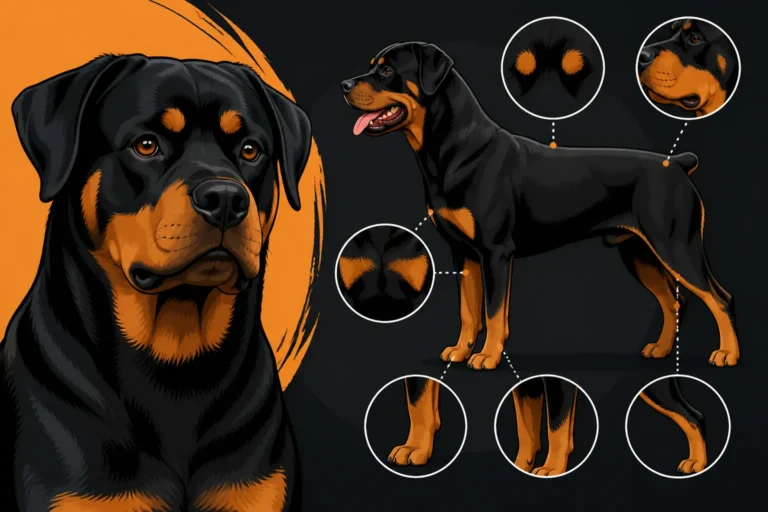
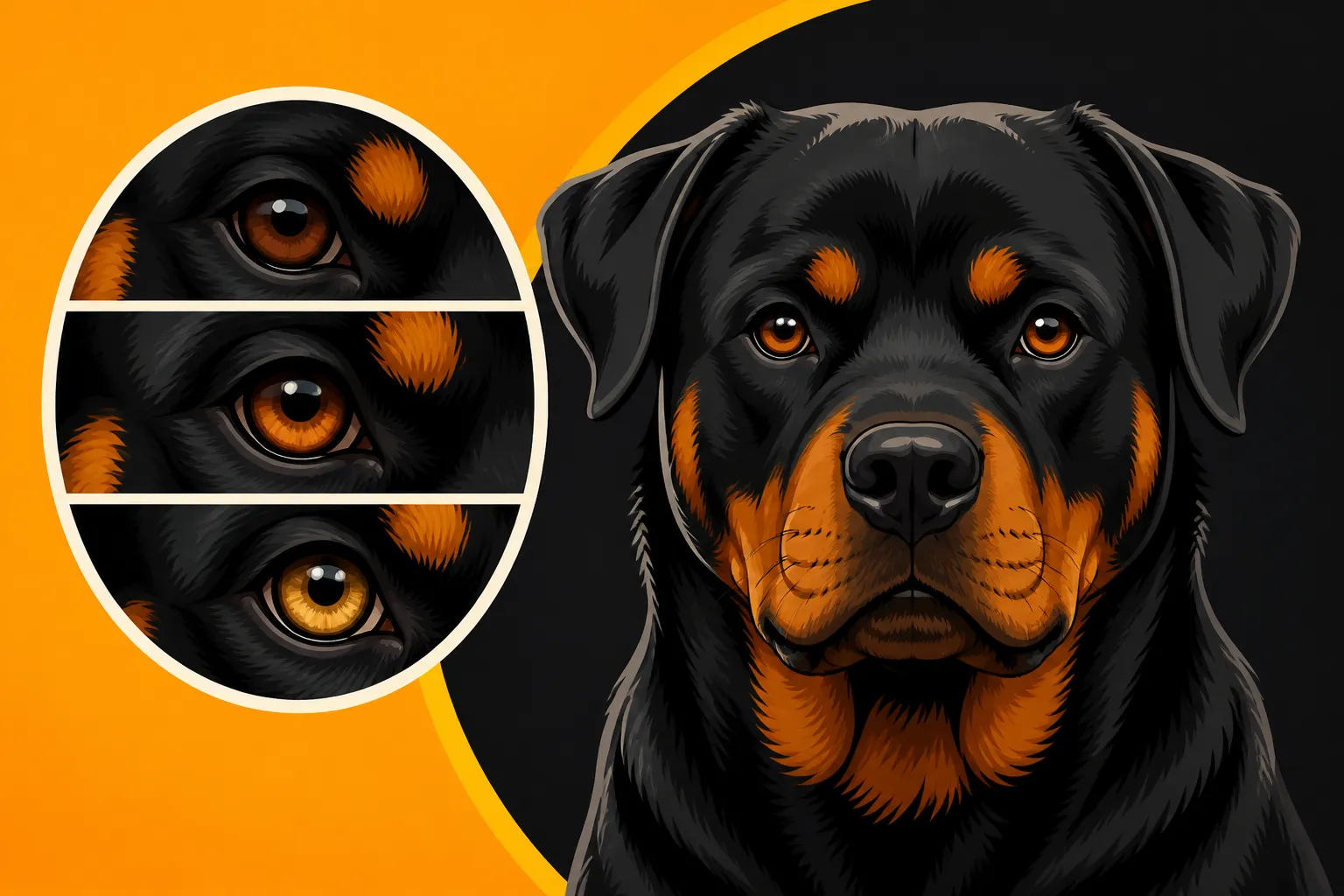
The gold standard for a Rottweiler's eyes is unequivocal: they should be dark brown. Not medium brown, not hazel, and certainly not yellow or blue. We're talking about a rich, almost black-brown that conveys depth and seriousness. Beyond color, the shape is equally crucial. The eyes should be of medium size and have an almond shape. They should not be round or too prominent, nor should they be too deep-set. The eyelids should be tight, framing the eye perfectly without any drooping or excessive looseness. This combination of dark color and almond shape is what gives the Rottweiler that distinctive, self-assured, and noble expression that is so characteristic of the breed. Imagine a Rottweiler puppy looking up at you; those perfectly dark, expressive eyes are exactly what a responsible breeder strives for. They contribute significantly to the overall presence of the dog, making it look alert, intelligent, and capable.
Why Darkness and Shape Are Paramount
The insistence on dark brown eyes isn't just about aesthetics; it's steeped in the history and function of the breed. Historically, darker eyes were often associated with hardiness and a more serious, confident temperament. Lighter eyes can give a dog a softer, sometimes even nervous or "gawky" expression, which goes against the Rottweiler's confident, aloof nature. This expression is critical for a working dog, as it influences how others perceive the dog's intent and temperament. A dog with piercing, dark eyes projects strength and capability, which was essential for the original Metzgerhunds that guarded cattle and butchers' money.
Furthermore, the tight, almond shape of the eye is also important for practical reasons. Loose eyelids, whether entropion (eyelids rolling inward) or ectropion (eyelids rolling outward), can lead to chronic irritation, infections, and even vision impairment. These are not just cosmetic issues; they are health concerns that can severely impact a dog's quality of life and require costly veterinary intervention. So, when you see a standard calling for specific eye color and shape, it’s often a combination of preserving historical appearance, maintaining desired temperament expression, and promoting robust health. You can see how serious breeders approach these health clearances by reading about Rottweiler Eye Certification and the Three Year Rule. They often have their dogs' eyes checked by a board-certified veterinary ophthalmologist to ensure they meet the standard and are free from inherited eye diseases.
Common Eye Color Variations and What They Mean for a Rottweiler
While dark brown is the ideal, you'll sometimes encounter Rottweilers with different eye colors. It's important to understand what these variations are and why they are generally considered faults or even disqualifications within the breed standard.
Light Eyes as a Fault and Its Implications
Any eye color lighter than dark brown, such as medium brown, hazel, or especially yellow or amber, is considered a fault in the Rottweiler breed standard. The lighter the eye, the more severe the fault. A dog with yellow or "bird of prey" eyes is significantly faulted. This isn't just a subjective preference; lighter eyes fundamentally change the Rottweiler's characteristic expression. Instead of the deep, self-assured look, lighter eyes can make a dog appear anxious, startled, or even aggressive in a way that is contrary to the breed's confident yet calm demeanor. It detracts from the gravitas of their overall presence.
For a breeder, light eyes can indicate a departure from desired genetic lines, and a puppy with significantly lighter eyes would not be considered show quality, nor would it be recommended for breeding if the goal is to produce dogs adhering to the standard. For a pet owner, while a lighter eye color doesn't typically affect the dog's health or ability to be a loving companion, it does signal that the dog does not meet the strict breed standard. It's a key indicator of a breeder who might not be prioritizing the meticulous selection for breed-typical traits, which can sometimes extend to temperament and overall health. Knowing what to look for when choosing a puppy, including reviewing Health Papers to Ask a Rottweiler Breeder For, is essential.
The Presence of Blue or Amber Eyes
Blue eyes in a Rottweiler are a serious disqualifying fault. A Rottweiler with blue eyes, even just one blue eye, cannot be shown or bred if one is adhering to recognized breed standards. This color is simply not part of the Rottweiler genetic makeup that aligns with the breed's origins and characteristics. It's usually indicative of an outcross or a genetic anomaly that goes against the very essence of the breed's appearance. Similarly, true amber eyes, often appearing as a distinct golden-yellow, are also considered a severe fault, bordering on disqualification in many contexts because they are so far from the desired dark brown.
These variations are not just about pretty colors. They can sometimes be linked to other genetic traits or issues, even if not directly harmful in themselves. For instance, in some breeds, blue eyes are associated with deafness, though this is not typically the case with Rottweilers. For Rottweilers, it's primarily about maintaining breed purity and the integrity of their appearance and expression. If you're looking at a puppy with blue eyes, you're not looking at a purebred Rottweiler that meets the standard, regardless of what a seller might claim. This is an important distinction, especially when you consider the comprehensive health checks that go into ethical breeding, such as those covered in The Five Clearances a Rottweiler Breeder Must Have.
Here's a quick comparison of accepted versus unacceptable eye colors and characteristics:
| Characteristic | Accepted by Standard | Considered a Fault | Disqualification |
|---|---|---|---|
| Color | Dark Brown | Medium Brown, Hazel | Yellow, Amber, Blue |
| Shape | Almond, Medium size | Slightly Round | Extremely Round/Prominent |
| Eyelids | Tight, Well-fitting | Slightly Loose | Entropion, Ectropion |
| Expression | Confident, Intelligent | Soft, Less Expressive | Startled, Uncharacteristic |
Beyond Color: Eye Health and Its Importance for Rottweilers
While eye color and shape are crucial for conformation, the overall health of a Rottweiler's eyes is paramount for their well-being throughout their Rottweiler Lifespan and the Eight to Ten Year Average. Eye health extends beyond what you see at first glance and involves proactive care and vigilance for potential issues.
Regular Eye Checks and Certification
Just like with hips and elbows, responsible Rottweiler breeders put a strong emphasis on eye health. This often involves regular examinations by a board-certified veterinary ophthalmologist. These specialists can detect inherited eye conditions that might not be immediately obvious, such as juvenile cataracts, progressive retinal atrophy (PRA), or persistent pupillary membranes (PPM). The results of these examinations are often registered with organizations like the Orthopedic Foundation for Animals (OFA) or the Canine Eye Registry Foundation (CERF), contributing to the dog's Canine Health Information Center (CHIC) number. This process of Rottweiler Eye Exams Recertified Every Three Years helps breeders make informed decisions to reduce the incidence of these conditions in future generations.
As a Rottweiler owner, whether you're bringing home a puppy or caring for an adult, regular veterinary check-ups should always include a thorough eye examination. Your vet will look for signs of infection, injury, or other health problems. Between vet visits, it’s important to pay attention to your dog's eyes yourself. Look for any changes in appearance, discharge, redness, or cloudiness. Early detection of problems can often lead to more effective treatment and prevent more serious complications down the line.
Recognizing Signs of Eye Problems
Even with excellent genetics, Rottweilers can still experience eye problems, just like any other dog. Being vigilant about the signs can help you get your dog the care they need quickly. One common issue for Rottweilers, due to their facial structure, can be Rottweiler Entropion and Eyelid Problems, where the eyelid rolls inward, causing eyelashes to rub against the cornea. This is incredibly painful and can lead to ulcers and vision damage if not corrected. Conversely, ectropion, where the eyelids roll outward, can expose the eye to irritation and dryness.
Other signs of potential eye problems include:
- Excessive tearing or discharge: A little bit of clear discharge is usually normal, but thick, colored, or excessive weeping could indicate an infection or irritation. You can often find gentle eye cleaning solutions on Chewy or at your local pet store to keep the area tidy, but if the discharge is persistent or bothersome, a vet visit is in order.
- Redness or inflammation: This can be a sign of allergies, conjunctivitis, or a more serious underlying issue.
- Squinting or sensitivity to light: Your dog might be experiencing pain or irritation.
- Cloudiness or changes in eye color/texture: This could indicate cataracts, glaucoma, or other serious conditions, especially in older dogs. Senior Rottweiler Care After the Age of Seven often involves increased vigilance for age-related eye changes.
- Rubbing or pawing at the eyes: A clear sign of discomfort.
If you notice any of these symptoms, it's always best to consult your veterinarian. They can diagnose the issue and recommend the appropriate treatment, whether it's medication, surgery, or simply a change in your dog's routine. Proactive care, like keeping your Rottweiler's face clean with dog-specific wipes you can find on Chewy, and promptly addressing any concerns, is a vital part of ensuring your Rottweiler's eyes remain healthy and bright throughout their life.
Disclaimer
This article is for general informational purposes only and does not constitute professional advice. Laws, prices and regulations vary by location and change over time. Consult a qualified professional for guidance on your specific situation.