Rottweilers in the First World War
It's easy to look at our beloved Rottweilers today, lounging on the couch or gently nudging our hands for a treat, and forget that their history is etched with incredibly demanding, often dangerous, work. Many of us know they were once cattle drovers, but fewer realize that these powerful, loyal dogs were also pressed into service during one of humanity's most brutal conflicts: the First World War. This guide will take you back in time to explore the critical roles Rottweilers played on the battlefields, showcasing their unwavering courage and often overlooked contributions when the world was at war.
The Rottweiler Before the Trenches
To truly appreciate the Rottweiler's role in the First World War, we first need to understand the breed's foundational purpose and temperament. These weren't just "big dogs"; they were purpose-bred working animals with a rich history of serving humans in demanding capacities. Their suitability for military service didn't emerge from nowhere; it was a natural extension of traits honed over centuries.
From Roman Drover to German Butcher's Dog
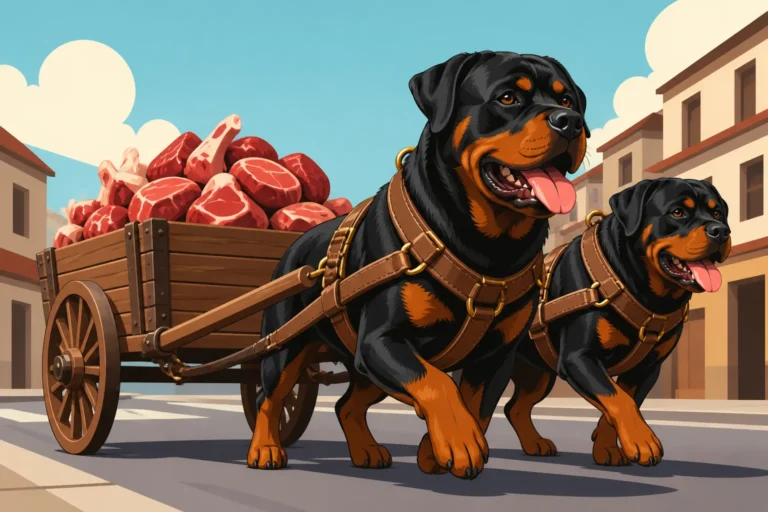
The roots of the Rottweiler stretch back to the Roman Empire, where their ancestors, large, mastiff-type dogs, accompanied Roman legions across Europe. These formidable dogs served as drovers, moving and guarding the cattle herds that fed the marching armies. When the Romans settled in the area that would become the town of Rottweil in Germany, some of these dogs stayed behind, intermingling with local breeds. For centuries, Rottweil remained a bustling cattle town, and these powerful dogs became indispensable to the local butchers, earning them the moniker "Metzgerhund," or "butcher's dog."
Their job was multifaceted: they drove herds of cattle to market, often over long distances, and once there, they protected the butcher's money pouch, which was typically tied around their neck. Imagine the confidence and physical prowess required for such tasks—a dog that could control unruly cattle and deter thieves was no ordinary pet. You can learn more about their ancient origins in The Roman Drover Dogs Behind the Rottweiler and delve deeper into their specific tasks in What the Rottweil Made the Metzgerhund Do. This history ingrained in them a remarkable blend of strength, intelligence, and an instinct to guard and protect, traits that would become invaluable when the world descended into war.
Temperament and Traits Suited for Service
The very characteristics that made the Rottweiler an exceptional butcher's dog also made them ideal candidates for military service. Their imposing physique, strong protective instincts, and calm, self-assured demeanor meant they weren't easily intimidated. A Rottweiler possesses an inherent aloofness towards strangers, a "wait-and-see" attitude rather than immediate friendliness. While some might interpret this as coldness, it’s actually a sign of their discerning nature and an asset in situations requiring vigilance and a clear head.
Furthermore, their incredible physical endurance, coupled with their powerful build, allowed them to traverse challenging terrains and carry supplies or messages. They were not bred for speed like some other breeds, but rather for sustained power and deliberate movement. Why a Rottweiler Was Never Bred for Speed helps explain this focus. Unlike many breeds that might react with fear or aggression when faced with novel and terrifying stimuli, a well-bred Rottweiler is known for its courage and stability under pressure. These traits, developed through generations of working alongside humans in sometimes chaotic environments, meant they had a remarkable capacity to adapt to the unprecedented horrors of trench warfare, performing their duties even amidst the din of artillery and the chaos of battle.
Rottweilers on the Western Front: Roles and Responsibilities
When the First World War broke out in 1914, armies quickly realized the immense potential of dogs beyond just mascots. With technological advancements changing the face of warfare, there was a desperate need for efficient communication, supply transport, and search and rescue efforts across vast, dangerous landscapes. Rottweilers, with their robust physique and innate working drive, were among the breeds soon recruited to serve.
Messenger Dogs and Communication Lines
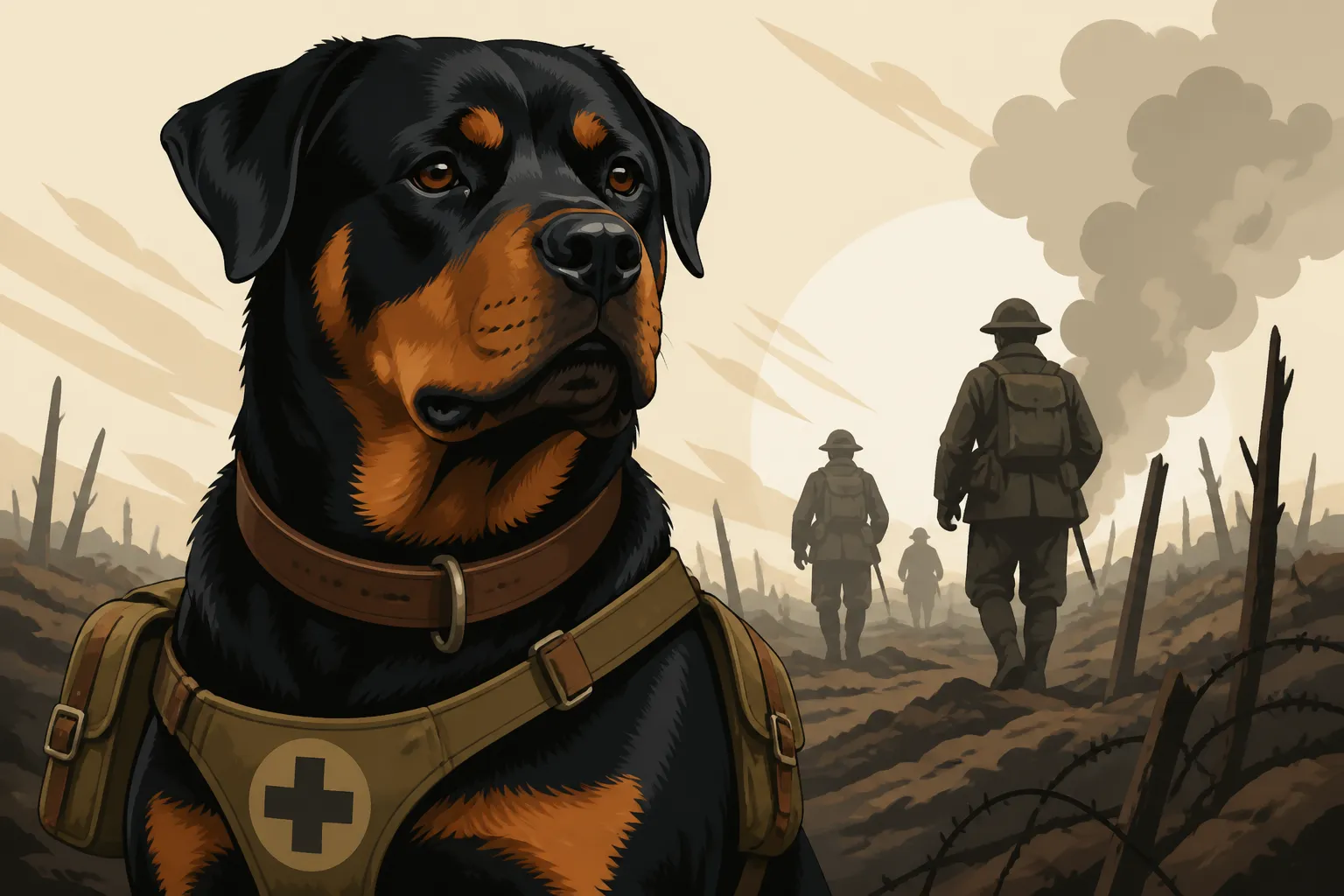
One of the most vital roles Rottweilers undertook was that of messenger dogs. Imagine the trenches, a labyrinth of mud and barbed wire, constantly under bombardment. Traditional communication methods like field telephones were unreliable, often cut by shellfire, and human runners faced extreme danger. Dogs offered a faster, more discreet, and often safer alternative. Rottweilers, with their stamina and focus, could carry vital messages between command posts or front-line positions, navigating the treacherous "No Man's Land" where human survival was often fleeting.
These dogs were trained to travel independently, often under fire, delivering dispatches in special collars or pouches. Their speed and low profile made them harder targets than human couriers. A well-trained Rottweiler, familiar with its handlers and the routes, could cover ground quickly, bringing critical intelligence, orders, or urgent requests for medical aid. This duty was fraught with peril, and many dogs, like their human counterparts, were wounded or killed in action. However, their contribution to maintaining communication, especially during offensives or when lines were severed, was absolutely invaluable, bridging gaps that human efforts often couldn't.
Guard Dogs and Patrol Partners
Beyond carrying messages, Rottweilers were naturally adept at guarding and patrolling. Their intimidating presence and keen senses made them excellent sentries, capable of detecting enemy movement or infiltrators long before human guards might. In the desolate landscape of the front, where visibility could be poor and silence was frequently broken by sudden, terrifying sounds, a dog’s superior hearing and sense of smell provided an extra layer of security.
These dogs would accompany soldiers on patrols, particularly at night, using their acute senses to alert to danger. Their presence could also provide a psychological boost to weary soldiers, a silent, powerful companion offering a measure of comfort and protection in an otherwise bleak and terrifying existence. Their steadfast loyalty and protective instincts, so evident in their historical role guarding a butcher's property, found a new and grim application in guarding the lives of soldiers and the integrity of defensive lines. While their natural guarding instincts were invaluable, specific training was required to channel these instincts effectively in a war zone, teaching them to distinguish friend from foe and to alert without unnecessary noise.
The Human-Canine Bond in Wartime
The realities of trench warfare were brutal, not just for humans but also for the animals serving alongside them. Yet, even in the harshest conditions, the deep bond between soldiers and their dogs provided a glimmer of humanity and mutual reliance. The care and attention these working Rottweilers received, however minimal, were crucial for their performance and survival.
Care and Challenges for War Dogs
Keeping dogs healthy and fit on the front lines was an immense challenge. Food was often scarce, and specialized diets were non-existent. Dogs shared rations with soldiers, whatever scraps could be spared. Veterinary care, if available at all, was rudimentary, focused on immediate injury rather than preventive health. Despite these hardships, soldiers often went to great lengths to care for their canine companions, understanding that a healthy dog was an effective one, and often, a source of solace. Imagine the efforts to keep their coats free of mud and parasites, or to provide whatever comfort they could in the freezing mud or scorching sun. Even today, responsible owners understand the importance of good nutrition and readily available supplies, perhaps ordered from a company like Chewy, to keep their Rottweilers in peak condition; this contrasts sharply with the desperate circumstances of war.
The psychological toll on these dogs must also have been immense. Constant shelling, gunfire, and the pervasive smell of death would have been terrifying. Yet, Rottweilers, known for their stable temperament, often showed remarkable resilience. They relied on their human handlers for reassurance and direction, forging bonds of trust that transcended the horrors around them. These relationships weren't just about utility; they were about shared survival, a silent understanding between species facing unimaginable adversity.
| Role | Key Traits Utilized | Challenges Faced | Impact on War Effort |
|---|---|---|---|
| Messenger Dog | Speed, Stamina, Loyalty, Focus | Shellfire, Gas Attacks, Barbed Wire | Critical for communication, saved lives |
| Guard Dog | Alertness, Intimidation, Courage | Enemy Infiltrators, Constant Danger | Enhanced security, early warning systems |
| Search & Rescue | Scenting Ability, Calmness | Rubble, Casualties, Psychological Stress | Located wounded, provided comfort |
| Draft/Supply Dog | Strength, Endurance, Steadiness | Heavy Loads, Rough Terrain, Scarcity | Assisted with moving supplies, food, ammunition |
The Legacy of Rottweilers in Military Service
The First World War undeniably showcased the invaluable contributions of working dogs, including Rottweilers, to military efforts. Their quiet bravery and unwavering dedication helped save countless lives and provided crucial support in an era before advanced technology. Their service during this global conflict wasn't just a historical footnote; it solidified the understanding of dogs as vital partners in military and civil defense roles, paving the way for their continued involvement in subsequent conflicts and modern service applications.
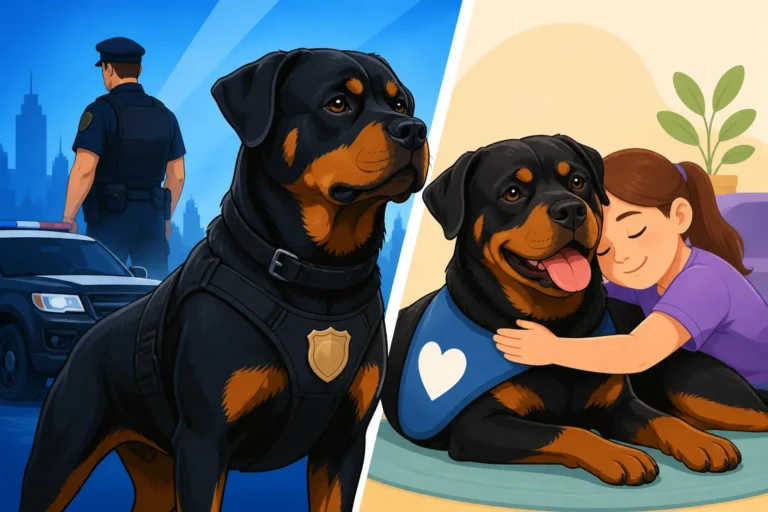
After the war, the Rottweiler's reputation as a reliable and capable working dog was further cemented. The breed’s inherent traits, tested and proven under the most extreme conditions, continued to be valued, leading to their increasing roles in police work, search and rescue, and as loyal family guardians. Today, while we cherish them as companions, it's important to remember this chapter in their history, a testament to their enduring spirit and utility. You can read more about their broader roles in Rottweilers at Work in Police and Therapy Roles. Their legacy is a powerful reminder that the true measure of a Rottweiler goes far beyond its impressive physical stature; it lies in its heart, intelligence, and a deep-seated willingness to serve. As modern Rottweiler owners, ensuring their well-being often involves providing the right food, from a trusted brand like Chewy, and engaging in activities that fulfill their working instincts, a far cry from the scarcity faced by their wartime ancestors.
Post-War Recognition and the Breed's Future
The First World War was a brutal crucible for the Rottweiler breed, demonstrating their resilience and versatility. While the war itself was devastating, the role played by these dogs brought them a new level of recognition and, in some ways, helped secure their future.
Gaining Official Recognition
Prior to the war, the Rottweiler's numbers had dwindled dramatically. The advent of railways in the 19th century had largely phased out the need for cattle drovers, leaving the "Metzgerhund" without its primary occupation. As a result, the breed faced the very real threat of extinction. However, the early 20th century saw a concerted effort by fanciers to revive the breed, focusing on preserving its working capabilities. This push culminated in the establishment of the first Rottweiler clubs in Germany around 1907 and their eventual recognition.
It was against this backdrop of revival that the war broke out. The immediate need for dependable working dogs provided a new, urgent purpose for the Rottweiler. Their exceptional performance in the trenches, whether as messengers, guards, or even pulling small carts with supplies, offered undeniable proof of their intelligence, courage, and physical prowess. This wartime service contributed significantly to the breed's growing reputation and ensured its survival and subsequent rise in popularity. For example, their utility in police work became widely acknowledged, building on their military successes. You can explore how the breed was brought back from the brink in The 1901 Revival of the Rottweiler and their later formal acceptance into the AKC studbook in The Rottweiler Entering the AKC Stud Book in 1931.
The Enduring Image of the Working Rottweiler
The images and stories of Rottweilers serving in the First World War, though perhaps less widely known than those of other breeds, contributed to their enduring image as powerful, intelligent, and fiercely loyal working dogs. This reputation was crucial in distinguishing them from other breeds and solidifying their place in history. It underscored that a Rottweiler's calm, self-assured temperament, combined with its imposing physical presence, made it an invaluable asset in any demanding role.
Today, while many Rottweilers are cherished family pets, their working heritage remains strong. They continue to excel in diverse fields such as protection sports, search and rescue, therapy work, and obedience competitions. This legacy of capability, forged partly in the crucible of the First World War, reminds us that while we spoil our companions with comfortable beds and a constant supply of their favorite food from places like Chewy, their ancestors faced far greater hardships, relying solely on their instincts and the unbreakable bond with their handlers. Understanding this history gives us a deeper appreciation for the magnificent dogs we share our lives with and the incredible journey their breed has undertaken.
Disclaimer
This article is for general informational purposes only and does not constitute professional advice. Laws, prices and regulations vary by location and change over time. Consult a qualified professional for guidance on your specific situation.