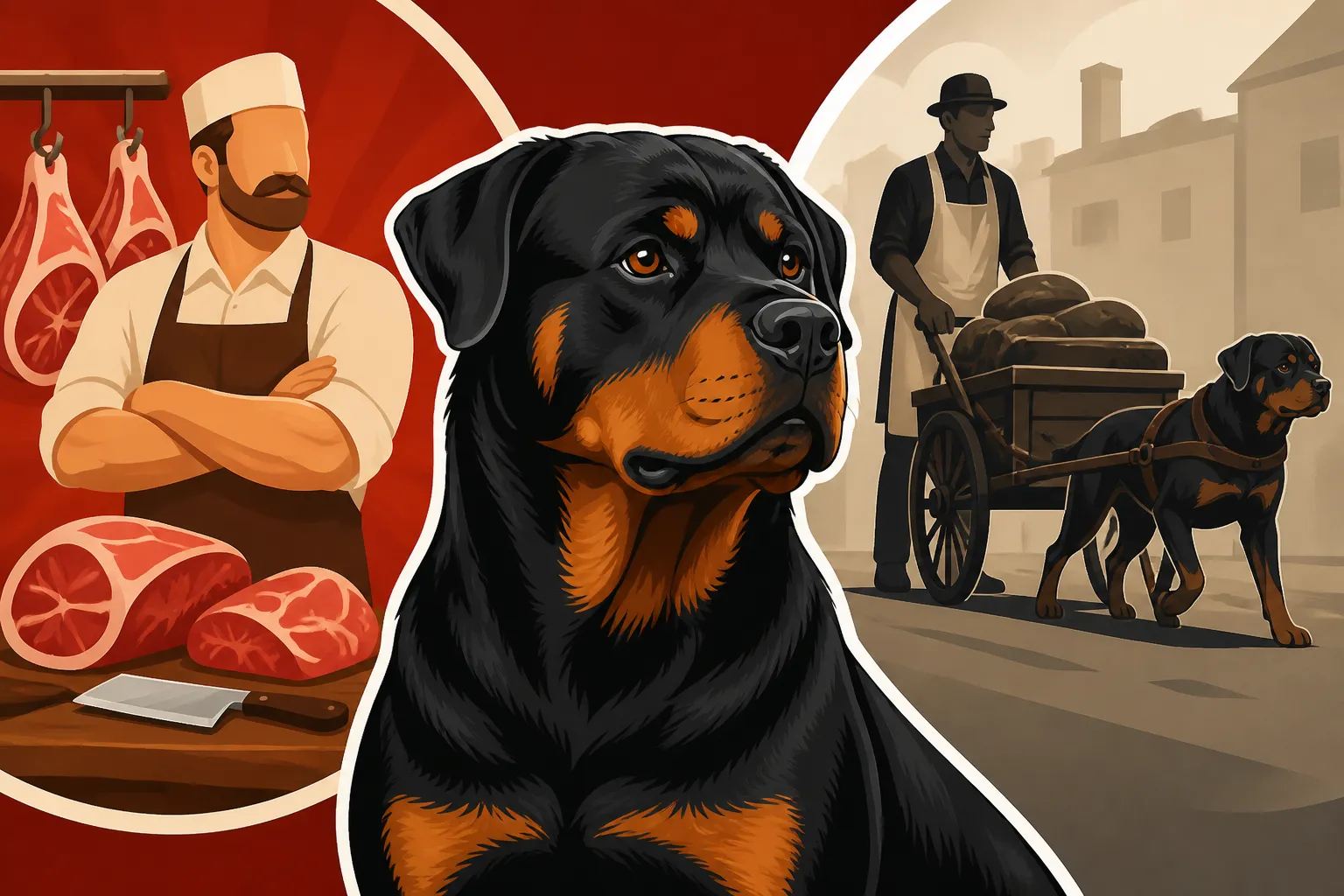
Why Butchers Called the Rottweiler a Metzgerhund
It’s a common sight to see a Rottweiler today, whether they're lounging on a cozy bed or out on a walk with their person, but have you ever wondered about the origins of their distinctive name, "Metzgerhund"? This old German term, literally meaning "butcher's dog," tells a fascinating story of loyalty, hard work, and survival that stretches back centuries. This guide will take you on a journey through time, explaining how these magnificent dogs earned such a moniker and what their daily lives entailed working alongside the butchers of Rottweil.
The Ancient Roots of the Rottweiler: Drover Dogs and Roman Legions
Before the Rottweiler ever became known as a "butcher's dog," their ancestors were already hard at work, performing vital tasks that shaped their very nature. It's a history steeped in ancient times, linked to military campaigns and the movement of vast herds of livestock across continents. Understanding this foundational history is key to appreciating why they became such indispensable partners to the German butchers.
Tracing the Ancestry Back to the Empire
Imagine Roman legions marching across Europe, establishing new territories and securing their supply lines. They weren't just soldiers; they were also farmers, traders, and logistical masterminds. A critical part of their sustenance came from livestock – cattle, sheep, and goats – that traveled with them. These animals needed to be moved, guarded, and managed, and for this, the Romans relied on powerful, intelligent dogs. These were the "drover dogs," robust mastiff-type canines, sturdy and strong enough to handle large, often unruly, herds. They were the original working dogs, bred for purpose and resilience. These dogs weren't delicate pets; they were integral to the Roman war machine, ensuring a steady supply of meat for the troops wherever they went. Their genetics, carrying traits of strength, endurance, and a protective instinct, would eventually lay the groundwork for the Rottweiler we know today. If you're curious to learn more about this ancient lineage, you can dive into The Roman Drover Dogs Behind the Rottweiler.
These early drover dogs were not a standardized breed as we understand it now. Instead, they were a functional type, selected for their ability to perform specific tasks: moving livestock over long distances and guarding them from predators or thieves. Their temperament would have been a blend of watchful alertness and controlled aggression when necessary, combined with a deep sense of loyalty to their handlers. They had to be intelligent enough to understand complex commands, yet independent enough to make decisions in a chaotic environment. Picture a powerful dog calmly guiding a hundred head of cattle through a narrow mountain pass, constantly aware of its surroundings, ready to deter any threat. This demanding work forged a dog with exceptional physical capabilities and a profound mental fortitude. Without these ancestral traits, the Rottweiler as a "Metzgerhund" would simply not have been possible.
The Journey to Rottweil and the Cattle Routes
As the Roman Empire expanded and then eventually retreated, many of their working dogs were left behind in the lands they had conquered or settled. One such region was what is now southern Germany, an area that would become synonymous with the Rottweiler. The Roman drover dogs adapted to their new environment, interbreeding with local dogs and evolving to suit the specific needs of the local populace. This area, particularly around the city of Rottweil, became a significant center for cattle trade. The dogs found their new calling guiding cattle to and from markets, protecting both the herds and their owners. This migration and adaptation over centuries is a fascinating part of their story, detailing How the Rottweiler's Ancestors Reached Germany.
The routes these cattle drovers and their dogs traversed were often long, arduous, and fraught with peril. Imagine driving cattle for days or even weeks, through forests, over rivers, and past towns, all while protecting them from wolves, bandits, and rival drovers. The dogs were indispensable, acting as herders, protectors, and companions. They kept the herd together, deterred thieves, and provided a formidable presence that signaled serious business. The city of Rottweil, strategically located at a crossroads of important trade routes, emerged as a major hub for this cattle trade. It became a thriving market town where livestock was bought, sold, and processed. It's no exaggeration to say that without the reliable, strong working dogs, the logistical challenges of the cattle market in Rottweil would have been immense. Their presence was woven into the fabric of the town's economy and identity.
Rottweil am Neckar: A Bustling Cattle Market Town
The city of Rottweil itself is central to the Rottweiler's history and its "Metzgerhund" designation. This wasn't just any town; it was a vibrant economic center, particularly renowned for its cattle markets. The activities within this town directly shaped the specific duties and reputation of the dogs that bore its name.
The Town's Name and Its Canine Connection
The name "Rottweil" itself holds a clue to the dog's heritage. It derives from the Roman word "Rote Wil," referring to the red tile villas found in the area, a testament to its Roman past. But over time, the name became deeply intertwined with the robust working dogs that flourished there. Rottweil wasn't just a place; it was an identity for these dogs. In an era before formal breed registrations and widespread dog shows, dogs were often identified by their origin or their primary occupation. Thus, the powerful, dependable dogs of Rottweil, especially those associated with the butchers, became known as "Rottweiler Metzgerhunde" – Rottweil butcher dogs. This link was so strong that eventually, the "Metzgerhund" part was often dropped, leaving simply "Rottweiler" as the breed's name. It speaks volumes about the dogs' prominence and utility in that specific locale. Learning about The Rottweiler's Home Town as a Cattle Market really brings this historical context to life.
The prosperity of Rottweil was intrinsically linked to its market. Livestock from surrounding regions, and sometimes even further afield, would converge here. Imagine the bustling scene: drovers calling out, cattle lowing, merchants haggling, and the constant movement of animals. In such an environment, an untrained, excitable dog would be a hindrance. What was needed was a dog with a steady nerve, immense strength, and a clear understanding of its job. The dogs of Rottweil developed these qualities through generations of selective breeding by the very people who relied on them most – the butchers and drovers. They needed a dog that could navigate the chaos, protect valuable assets, and perform demanding physical labor without faltering. The town itself acted as a kind of crucible, forging the working traits that would define the Rottweiler for centuries to come.
The Daily Life of a Butcher in Rottweil
Life as a butcher in Rottweil was far from a simple job behind a counter; it was a demanding, multi-faceted profession that often involved long journeys, considerable physical labor, and significant financial risk. The butchers were not just meat processors; they were also cattle dealers, drovers, and merchants. They traveled to acquire livestock, drove them to market, managed them during sales, and then processed the meat. Every step of this process required reliability and protection, and this is where the Metzgerhund became utterly indispensable. Their assistance was needed from dawn till dusk, ensuring the smooth operation of what was a vital industry for the town. If you've ever wondered about the day-to-day work, What a Metzgerhund Did in a Day's Work offers a deeper look into their historical duties.
A typical day for a Rottweil butcher might begin before sunrise, preparing to either head out to purchase cattle or receive a new shipment. Once animals were acquired, they needed to be moved, often through crowded market squares or along dusty roads. The dogs would flank the herds, nudging stragglers, forming a living barrier against escape, and deterring any attempts at theft. After a successful market day, the butcher would have a significant amount of money in their possession, which was a tempting target for robbers in those less-than-policed times. The dogs would guard the butcher's earnings and their property. Then, the practical work of butchering and delivering meat, sometimes by pulling carts, further highlighted the dogs' utility. They were partners in every sense of the word, their powerful build and protective instincts making them invaluable assets to their human counterparts in this demanding trade.
The Role of the Metzgerhund: More Than Just a Butcher's Dog
The term "Metzgerhund" might sound narrowly focused, but in reality, the Rottweiler's duties were incredibly diverse and crucial to the success and safety of the butchers they served. They weren't just around the butcher shop; they were active participants in the entire livestock and meat trade, embodying loyalty, strength, and unwavering vigilance.
Guarding the Hard-Earned Takings
One of the most critical roles of the Metzgerhund was safeguarding the butcher's money. In an era without banks or electronic transfers, large sums of cash, often in gold or silver coins, were carried by hand. After a successful day at the bustling cattle market, a butcher might have the equivalent of a small fortune on their person. This made them a prime target for robbers, especially on the journey home through less populated areas or even within the market chaos itself. This vulnerability meant that a formidable deterrent was essential. The Rottweiler, with its imposing presence, powerful build, and inherent protective instincts, was the perfect solution. They were quite literally living safes, reliable bodyguards that inspired caution in even the most audacious highwayman. You can read more about this specific task in How a Rottweiler Guarded a Butcher's Takings.
The butchers of Rottweil often tied their money bags around their Rottweilers' necks or collars, knowing that few would dare approach a powerful dog known for its protective nature. This was a testament to the absolute trust placed in these animals. It wasn't just their size; it was their calm, confident demeanor, always watchful, always ready to act if threatened. Imagine a busy market square, full of noise and commotion, and a butcher sitting with their dog, the dog subtly aware of every person who passed too close, every suspicious glance. This silent vigilance was more effective than any armed guard. The Rottweiler offered peace of mind, allowing the butchers to conduct their business with a degree of security that would otherwise have been impossible. Their role as guardians of wealth cemented their reputation as intelligent, loyal, and indispensable partners.
Driving Cattle to Market and Back
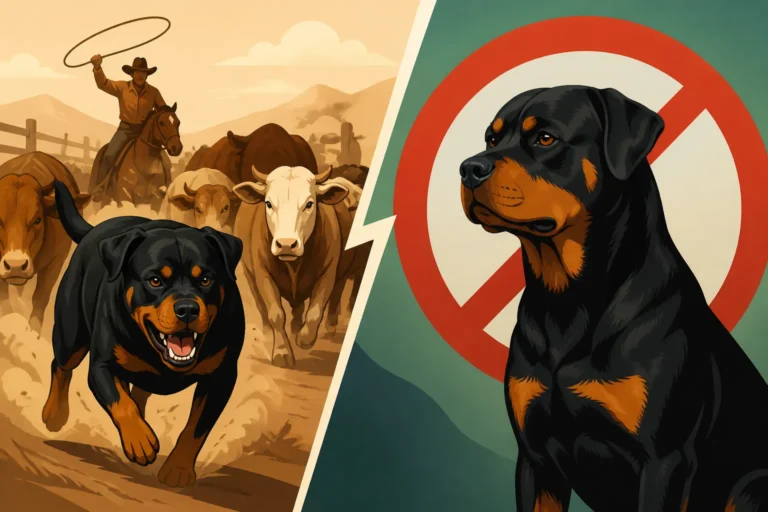
Beyond guarding valuables, the primary historical function of the Rottweiler was cattle droving. This was no easy feat. Herding large, stubborn animals over long distances, sometimes for days on end, required dogs with exceptional stamina, intelligence, and the physical presence to command respect from the cattle. The journey to the market town of Rottweil, often originating from distant pastures, demanded a dog that could keep the herd together, navigate varied terrain, and deter both wild predators and human rustlers. A single dog could manage a substantial herd, freeing up human drovers for other tasks or reducing the number of people needed, thus saving money.
The Rottweiler's natural instinct to "heel" and "bump" cattle, a gentle but firm push with their body to steer an animal, was invaluable. They didn't nip or bark excessively like some smaller herding breeds; their method was more about calm, authoritative control. This specific ability to manage cattle efficiently and without causing undue stress to the animals was crucial for preserving the quality of the livestock. Imagine the scene: a cloud of dust on the horizon, slowly resolving into a large herd of cattle, flanked by one or two powerful black and tan dogs, calmly guiding them towards the market gates. This was the Rottweiler in its element, a master of its trade, ensuring the safe and orderly transport of vital resources. Their work on the open road and through bustling towns made them an iconic fixture of the cattle trade.
Pulling Carts: The Unsung Laborers
Once the cattle were sold and processed, the work wasn't over for the Metzgerhund. The freshly butchered meat and other goods needed to be transported, often locally within the town or to nearby villages. Before the advent of motorized vehicles and even widespread use of railways, dog carts were a common and efficient means of transport for butchers and other tradespeople. The Rottweiler's powerful build, solid bone structure, and incredible strength made them ideal cart-pulling dogs. They could easily pull a loaded cart weighing a significant amount, often with the butcher's assistant or even the butcher themselves riding along. This was another demonstration of their versatility and sheer physical capability. If you're intrigued by this aspect of their history, Rottweilers Pulling Meat Carts Through Town provides a vivid picture of this demanding labor.
This carting work was not just about brute strength; it also required a dog that was reliable, steady, and willing to work in harness. They needed to navigate busy streets, respond to commands, and maintain a consistent pace. A nervous or unruly dog would be a danger to both itself and the public. The Rottweiler's calm confidence and eagerness to please their handler shone through in this role. They were literally beasts of burden, but their willingness to work alongside their human companions speaks volumes about their temperament. This combination of droving, guarding, and carting roles paints a complete picture of why they were called "Metzgerhunde"—they were the ultimate all-purpose dogs for the butchers of Rottweil, performing a myriad of essential tasks that powered the local economy.
Adaptations for the Job: Why the Rottweiler Was Perfect
The Rottweiler didn't just stumble into the role of the Metzgerhund; they were perfectly suited for it, having evolved and been selectively bred for the specific demands of cattle driving, guarding, and labor. Their physical attributes and inherent temperament were precisely what the butchers of Rottweil needed.
Strength and Stamina: Built for the Road
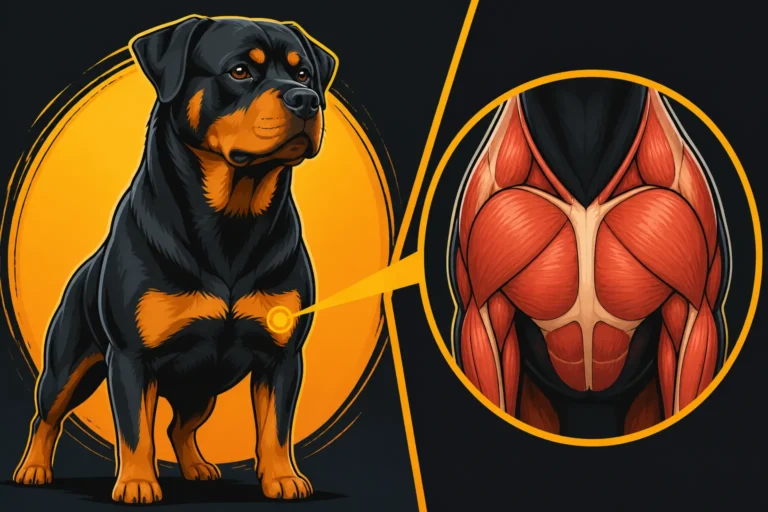
Imagine a long, dusty road, miles stretching between pastures and market. Herding cattle over such distances, day after day, week after week, demanded exceptional physical endurance. The Rottweiler's ancestors, the Roman drover dogs, were already built for this. They possessed a robust, muscular physique, solid bone structure, and boundless stamina. This powerful build wasn't just for show; it was a functional necessity. They needed to be able to cover significant ground, often at a steady trot, without tiring, and then have enough energy left to manage unruly cattle or stand guard through the night. Their deep chests and strong backs allowed for efficient respiration and powerful movement, essential for a working dog.
Furthermore, their strength was crucial for dealing with large livestock. A cow or bull, even a calm one, can be formidable, and a dog needed to be strong enough to nudge, hold, or turn these animals without injury to itself. The Rottweiler’s low center of gravity and powerful rear drive made them incredibly stable and effective in these close-contact situations. This natural athleticism and physical prowess were honed over generations, making them indispensable on the long journey to market. They were the original "road warriors," built from the ground up to handle the rigors of droving.
Temperament: The Calm, Confident Guardian
While physical strength was vital, it was the Rottweiler's temperament that truly set them apart as the ideal Metzgerhund. The demands of their work required a unique balance: a dog that was fearless and protective, yet calm, self-assured, and highly trainable. An overly aggressive or flighty dog would have been a liability, potentially harming livestock or people. Instead, the Rottweiler developed a temperament characterized by a steady nerve and an unwavering sense of duty. They were inherently suspicious of strangers but profoundly loyal to their families, exhibiting a "wait-and-see" attitude rather than immediate aggression. This allowed them to assess a situation before reacting, which is paramount for a dog guarding valuable assets. Indeed, The Calm Confidence a Rottweiler Standard Asks For in modern times is a direct reflection of these historical working traits.
This self-assured aloofness meant they weren't easily intimidated and wouldn't be swayed by distractions. They could focus on their job, whether it was keeping a herd together, guarding a money pouch, or pulling a cart through a crowded street. Their protective instincts were innate, but they were also intelligent enough to understand when to act and when to simply observe. This made them formidable guardians who rarely needed to resort to aggression, their very presence often being enough to deter potential threats. The trust placed in them by the butchers was not just for their strength, but for their dependable and discerning nature.
Intelligence and Trainability
Beyond their physical and temperamental advantages, the Rottweiler's intelligence and trainability were key factors in their success as Metzgerhunde. Working so closely with humans, often in complex and dynamic environments, required a dog that could learn quickly, retain commands, and adapt to changing situations. The butchers and drovers didn't have time for a slow learner; they needed dogs that could pick up new tasks and nuances of their job with relative ease. This made the Rottweiler a highly sought-after working partner.
Their intelligence meant they could understand the flow of a herd, anticipate movements, and even make independent decisions when separated from their handler. Their biddability—their willingness to be trained and to work in partnership—made them exceptional pupils. This combination of strong working drives and mental acuity allowed for a sophisticated level of teamwork between dog and handler. Whether it was learning specific routes for carting, understanding subtle cues for cattle driving, or recognizing threatening gestures from strangers, the Rottweiler's sharp mind was always at work. This inherent trainability is still valued today, as seen in their success in modern working roles like those explored in Rottweilers at Work in Police and Therapy Roles. Their ancestors' ability to learn quickly ensured their enduring value in the demanding world of the Rottweil butchers.
Here's a quick look at the Rottweiler's historical roles:
| Role | Description | Key Trait Utilized |
|---|---|---|
| Cattle Droving | Moving herds of cattle over long distances to and from markets. | Stamina, Strength, Herding Instinct |
| Money Guarding | Protecting the butcher's earnings from thieves, often tied around their neck. | Vigilance, Protective Instinct, Imposing Presence |
| Cart Pulling | Transporting meat and goods on dog carts for distribution. | Strength, Endurance, Willingness to Work |
| Personal Protection | Acting as a general bodyguard for the butcher during travels and at home. | Loyalty, Fearlessness, Discerning Temperament |
| Property Guardian | Keeping the butcher's home and shop safe from intruders. | Alertness, Territorial Instinct |
The Decline and Revival of the Metzgerhund
The era of the Metzgerhund as the indispensable partner to the butcher was undeniably glorious, but like many working dog breeds, their future became uncertain with technological advancements. The late 19th century brought significant changes that threatened the very existence of these magnificent dogs.
The Rise of Railways and the Fall of the Drover
The 19th century ushered in the age of the railway, a technological marvel that revolutionized transportation. Suddenly, cattle could be moved across vast distances much faster, more efficiently, and with significantly less human and canine labor than traditional droving methods. Trains eliminated the need for long, arduous treks by foot, rendering the drover dog's primary job largely obsolete. The economic incentives shifted dramatically; it was simply cheaper and quicker to load cattle onto a train than to drive them for weeks with a team of dogs and drovers. This was a seismic shift that impacted many working breeds across Europe, and the Rottweiler was no exception. The ban on cattle driving in many areas, as detailed in The 1800s Ban That Put Rottweilers Out of Work, further sealed the fate of this traditional role.
As the demand for drover dogs plummeted, so did their numbers. There was less need for their specialized skills, and without a clear economic purpose, their populations dwindled. Many breeds faced extinction during this period as their traditional roles vanished. For a time, it looked like the Rottweiler, the proud Metzgerhund, might suffer the same fate. They were reduced to working on farms in very limited capacities or simply became pets without a specific job, a far cry from their centuries-old legacy as vital partners in the cattle trade. This period marks a low point in the breed's history, where their future hung precariously in the balance.
Near Extinction and the Fanciers' Efforts
By the turn of the 20th century, the Rottweiler breed was on the brink of disappearing entirely. Records from the early 1900s indicated that only a handful of individuals remained in the city of Rottweil, the very place that gave them their name. Imagine, a breed that had been so central to an entire town's commerce, reduced to such critically low numbers. It was a dire situation, highlighted by statistics like those explored in How Few Rottweilers Were Left by 1900. This decline was a stark reminder of how quickly even the most robust and valued working dogs could fade away when their traditional function was removed.
Thankfully, passionate dog fanciers and breeders recognized the immense value and potential in the remaining Rottweilers. They understood that these dogs were more than just cattle drovers; they possessed extraordinary intelligence, strength, and an unmatched protective instinct. These enthusiasts embarked on a dedicated mission to revive the breed, establishing clubs and setting breeding standards to ensure their survival and future. This concerted effort, chronicled in The 1901 Revival of the Rottweiler, brought the Rottweiler back from the brink. They began to identify new roles for the breed, leveraging their inherent capabilities for police work, guarding, and companionship. It was through these dedicated individuals that the Rottweiler was saved, allowing their legacy as the magnificent Metzgerhund to continue, even if their duties evolved into new forms for the modern world. Today, resources like Chewy offer a wide range of products that help us care for these incredible dogs, from specialized large breed food to durable toys that stand up to their powerful jaws, a testament to how far they've come from their humble beginnings with the butchers.
Disclaimer
This article is for general informational purposes only and does not constitute professional advice. Laws, prices and regulations vary by location and change over time. Consult a qualified professional for guidance on your specific situation.