Feeding a Rottweiler After Bloat Surgery
The sheer terror of discovering your beloved Rottweiler showing signs of bloat, rushing them to the emergency vet, and enduring the agonizing wait for surgery is a memory no owner ever wants to relive. Even after the immense relief of a successful operation, a new wave of anxiety can hit: "How do I feed them now to make sure this never happens again?" This guide is here to walk you through the critical post-bloat surgery feeding protocols, offering clear, empathetic advice to help your Rottweiler heal and thrive.
The Immediate Post-Operative Period: Gentle Reintroduction
After bloat surgery, your Rottweiler's digestive system, and indeed their entire body, has been through a major trauma. It's not just about the stomach being untwisted; it's about the recovery from anesthesia, the incision, and the general stress on their system. Rushing things now could undo all the good work of the emergency team.
Starting with Hydration and Small Sips
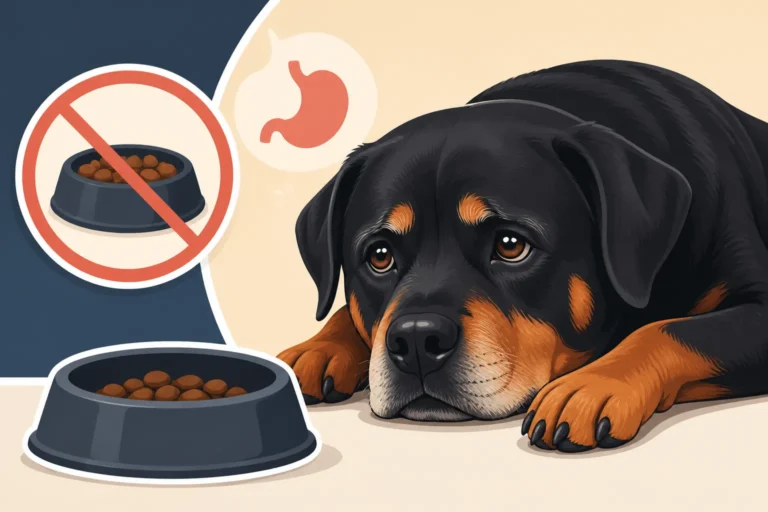
The very first step back to eating and drinking after surgery is almost always about hydration. Your veterinarian will give you precise instructions, but generally, your Rottweiler will be kept without food or water for several hours following surgery. This allows the stomach and intestines to rest and begin their initial healing without being burdened.
Once the vet gives the go-ahead, the reintroduction of water will be painstakingly slow and gentle. We're talking about small, controlled sips. Imagine offering just a tablespoon of water every hour or so, carefully observing your dog for any nausea, vomiting, or signs of discomfort. This cautious approach is vital to ensure their sensitive system can handle even the smallest amount of fluid without irritation. It's a test run, if you will, to make sure the stomach is ready to wake up before any solid food is even considered. Your patience during this stage is absolutely paramount.
Introducing the Blandest First Meals
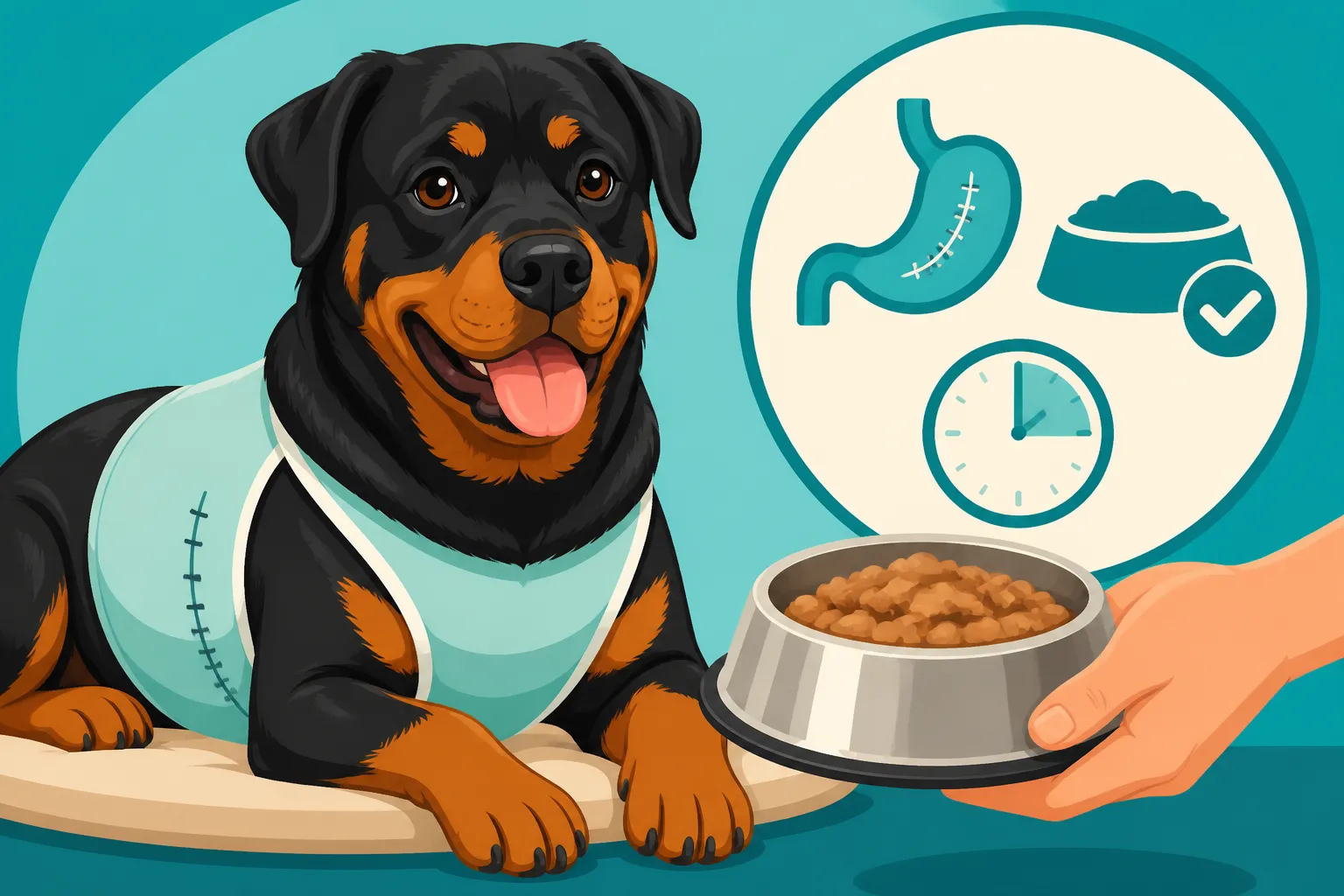
When your vet finally gives the green light for food, think bland, blander, blandest. This isn't the time for their usual kibble or rich treats. The goal is to provide nutrients that are incredibly easy to digest, putting minimal strain on the recovering stomach and intestines. This typically means a prescription veterinary diet specifically formulated for gastrointestinal recovery, or a homemade bland diet of boiled, skinless, boneless chicken breast and plain white rice.
The portions will be shockingly small at first. Instead of a bowl, you might be feeding just a spoonful or two, several times a day. This strategy of very frequent, tiny meals serves a dual purpose: it slowly reintroduces food to their system, and it prevents the stomach from filling up too quickly, which is a key factor in preventing bloat. Think of it like a human recovering from stomach flu – you start with crackers, not a steak. Observe your Rottweiler closely after each tiny meal for any signs of discomfort, vomiting, or changes in their stool. Every positive response is a huge step forward in their recovery journey.
Crafting a Bloat-Preventative Feeding Schedule
Preventing a recurrence of bloat is the primary goal once your Rottweiler is home and on the mend. Even if they had a gastropexy (where the stomach is surgically tacked to the abdominal wall to prevent twisting), good feeding practices remain crucial. A gastropexy can prevent the catastrophic twist, but it doesn't prevent the stomach from distending with gas or food, which can still cause immense pain and other complications. Gastropexy to Prevent Rottweiler Bloat is a good read if you're wondering about that procedure.
The Power of Frequent, Smaller Portions
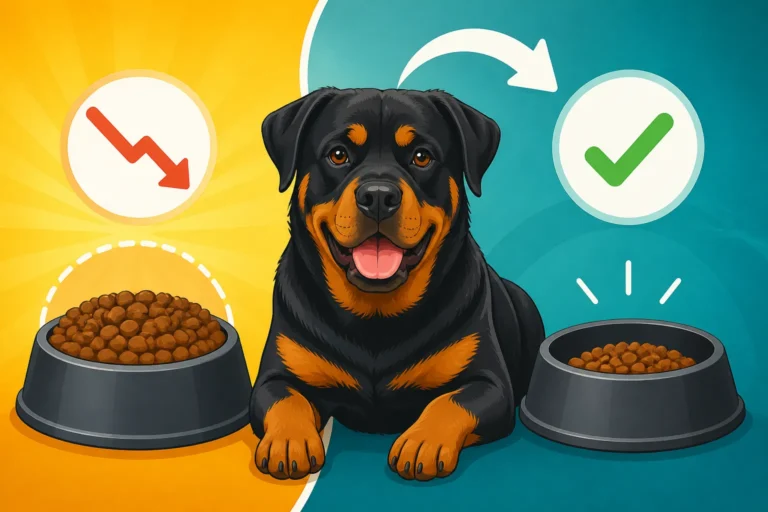
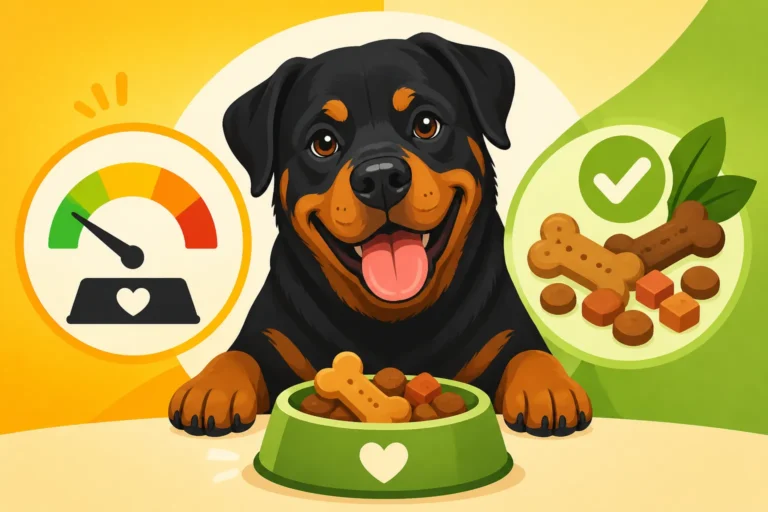
This is perhaps the single most important dietary change you will make after bloat surgery. Instead of one or two large meals a day, your Rottweiler should be fed multiple small meals. We're talking three, four, or even five smaller portions spread throughout the day. Why? Because large meals cause the stomach to expand significantly, which increases the surface area for gas to accumulate and puts more pressure on the abdominal cavity. This distension is the first step in the bloat process.
By feeding smaller, more frequent meals, you keep the stomach from ever becoming overly full and distended. This minimizes the risk of gas build-up and reduces the physical stress on the surgical site. For instance, if your adult Rottweiler typically eats 6 cups of food daily, instead of two 3-cup meals, you might feed them three 2-cup meals or even four 1.5-cup meals. It requires a bit more planning on your part, but it's a small price to pay for their health and peace of mind. This principle is an extension of what we discuss in Splitting a Rottweiler's Food Into Two Meals, but with bloat, we push it even further.
Addressing the Raised Bowl Debate and Eating Speed
The topic of raised food bowls often sparks debate among Rottweiler owners, especially those concerned about bloat. Historically, many believed that raised bowls helped prevent bloat by allowing dogs to eat more comfortably without bending their necks, supposedly reducing air intake. However, some studies have actually indicated a higher risk of bloat in dogs using raised bowls. The current veterinary consensus is that there's no clear benefit to using raised bowls for bloat prevention, and for some dogs, it might even be detrimental.
The main culprit when it comes to eating is speed. Many Rottweilers are enthusiastic eaters, practically inhaling their meals. This rapid ingestion often leads to gulping down a significant amount of air along with their food, which contributes to stomach distension. To combat this, slow feeder bowls are an excellent solution. These bowls have ridges or patterns that force your dog to eat around obstacles, slowing down their pace dramatically. You can find a vast selection of these on sites like Chewy or Amazon, designed for large breeds like Rottweilers. Another simple trick is to place a large, clean rock or a tennis ball (too big to swallow) in their regular food bowl, forcing them to eat around it. Alternatively, you can scatter their meal across a clean floor or use a puzzle feeder to make mealtime a mentally stimulating, slow process.
Timing Meals and Exercise Carefully
Another crucial element in preventing bloat, especially after surgery, is the timing of meals relative to exercise and rest. A full stomach, combined with vigorous activity, is a recipe for disaster. After a meal, your Rottweiler's stomach needs time to digest without being bounced around or put under pressure.
Therefore, it's absolutely vital to enforce a strict rest period before and, especially, after meals. This means no intense play, no running, no jumping, and no long walks for at least an hour before eating and at least 60-90 minutes after eating. A quiet potty break on a leash is fine, but anything more energetic should be avoided. A good rule of thumb is to think of their meal as the precursor to a nap. Many owners find it helpful to schedule meals around their own quiet times at home, ensuring they can supervise this crucial resting period. We touch on this in How Long to Wait After a Rottweiler Meal Before Exercise, but the stakes are even higher now.
Nutritional Considerations for Long-Term Gut Health
Beyond how you feed your Rottweiler, what you feed them plays a significant role in their overall digestive health and can impact bloat risk. The goal is to support a robust, efficient digestive system.
Choosing Highly Digestible and Quality Ingredients
Selecting a dog food that is high-quality and easily digestible is paramount for a Rottweiler, especially one recovering from bloat surgery. Look for premium commercial diets that list whole meat sources (like chicken, beef, or lamb) as the first ingredients, rather than vague "meat meal" or fillers. Avoid foods heavy in artificial colors, flavors, or preservatives, as these can sometimes irritate a sensitive digestive tract.
Consider foods with moderate fat content and appropriate protein levels. While protein is essential, overly rich or fatty foods can sometimes slow digestion. Look for digestible carbohydrates such as rice, sweet potatoes, or oats, rather than large amounts of corn, wheat, or soy, which can be harder for some dogs to process. Some premium brands also incorporate prebiotics and probiotics to support a healthy gut microbiome, which can aid digestion and nutrient absorption. If your vet recommends a specific therapeutic diet, stick with it, as these are formulated with very specific nutritional needs in mind for recovery.
Exploring Fresh Food and Home-Prepared Options
Many Rottweiler owners, after a scary bloat incident, start exploring alternatives to traditional kibble, such as fresh food or home-cooked diets. The appeal often lies in the perceived digestibility and control over ingredients. Services like Ollie deliver freshly prepared, human-grade dog food directly to your door, offering pre-portioned meals that can simplify a multi-meal feeding schedule. These types of diets are often highly palatable and can be very gentle on a sensitive stomach.
However, if you decide to pursue a home-cooked diet, it is absolutely crucial that you work closely with a veterinary nutritionist to ensure it is complete and balanced. Simply boiling chicken and rice long-term will lead to severe nutritional deficiencies, particularly in a large, fast-growing breed like the Rottweiler. They need precise ratios of vitamins, minerals (especially calcium and phosphorus), and trace elements for optimal health. An unbalanced diet can lead to serious health problems down the line, ironically creating new issues while trying to solve old ones. Always refer to expert guidance like what you might find in Home Cooking for a Rottweiler and the Calcium Trap to understand these complexities.
Ensuring Optimal Hydration for Recovery
While focusing on food, it's easy to overlook the importance of hydration, which is a critical component of digestive health and overall recovery. Your Rottweiler needs constant access to fresh, clean water. However, just as with food, you want to discourage rapid, large gulps of water, especially immediately after eating or vigorous activity, as this can also contribute to stomach distension.
Consider placing multiple water bowls around your home to encourage frequent, smaller drinks throughout the day. If your dog tends to drink excessively at once, you might offer smaller amounts more frequently. Monitoring their water intake is also important – too little can lead to dehydration and constipation, while a sudden, drastic increase could indicate another underlying health issue that needs veterinary attention. Adequate hydration helps food move smoothly through the digestive tract and keeps all bodily functions running optimally as they recover.
Ongoing Monitoring and Adapting the Routine
The period after bloat surgery isn't just about the initial recovery; it's about establishing a new normal and remaining vigilant for the rest of your Rottweiler's life. This new routine requires dedication, observation, and open communication with your veterinary team.
What Warning Signs Demand Immediate Attention
Even with the best preventative measures, it's imperative to know the signs of potential recurrence or complications. After bloat surgery, any symptoms that suggest digestive distress or abdominal pain should be taken seriously. Look for:
- Restlessness and pacing: Your dog can't get comfortable.
- Unproductive retching or dry heaving: They look like they're trying to vomit but nothing comes up. This is a classic bloat symptom.
- A distended or swollen abdomen: Their belly might feel tight or look visibly larger.
- Excessive drooling: A sign of nausea or discomfort.
- Lethargy or weakness: A sudden drop in energy.
- Pale gums: Indicating shock or circulatory issues.
- Vomiting or diarrhea: While not directly bloat, these can indicate other serious post-op complications or digestive upset.
Any of these signs, especially productive retching, warrant an immediate call to your emergency veterinarian. Do not wait to see if it improves. Time is absolutely critical when it comes to bloat, and even after surgery, the risk of recurrence, though reduced, is never zero. Staying informed by reading articles like Recognizing Bloat in a Rottweiler can empower you to act quickly.
The Importance of Regular Veterinary Follow-ups
Your Rottweiler's post-operative care doesn't end when they walk out of the emergency clinic. Regular follow-up appointments with your primary veterinarian are non-negotiable. These appointments allow the vet to check the surgical incision for proper healing, assess your dog's weight and body condition, and discuss how they are adapting to the new feeding schedule.
These check-ups are also your opportunity to voice any concerns, ask questions about diet adjustments, or address any new behaviors you're observing. Your vet can provide tailored advice based on your Rottweiler's individual recovery progress and help fine-tune their nutritional plan. Remember, every dog's recovery journey is unique, and consistent professional oversight ensures that any potential issues are caught and addressed early, contributing to their long-term health and wellbeing.
Establishing a Sustainable Post-Surgery Lifestyle
Living with a Rottweiler who has experienced bloat means embracing a new, diligent routine. The multi-meal feeding schedule, the careful timing around exercise, and the vigilance for warning signs become part of your daily life. It might feel overwhelming at first, but with consistency, it will become second nature. This isn't just about preventing bloat; it's about fostering a healthier lifestyle for your beloved companion.
Consider investing in tools that make this new routine easier, like automatic feeders that can dispense small meals throughout the day (many are available on Amazon or at pet supply stores). Stock up on approved slow feeder bowls or puzzle toys. Ensure everyone in the household understands and adheres to the new feeding rules. This collective effort is crucial. While the bloat scare is terrifying, it can also be a catalyst for establishing an even more mindful and proactive approach to your Rottweiler's care, ultimately extending their Rottweiler Lifespan and the Eight to Ten Year Average and improving their quality of life.
| Aspect of Feeding | Pre-Bloat (Typical) | Post-Bloat Surgery (Recommended) | Rationale |
|---|---|---|---|
| Meal Frequency | 1-2 large meals/day | 3-5 small meals/day | Minimizes stomach distension and gas accumulation |
| Eating Speed | Often fast, gulping | Slowed, deliberate | Reduces air intake during meals |
| Bowl Type | Standard bowl | Slow feeder, puzzle feeder | Forces slower eating, less air gulping |
| Exercise Timing | Often not strictly regulated | Strict rest 1hr before, 1.5hr after | Prevents stomach torsion and pressure on incision |
| Food Digestibility | Regular kibble | Highly digestible, bland initially | Eases burden on recovering digestive system |
| Water Access | Free access | Free access, monitor large gulps | Crucial for hydration, avoid excessive rapid intake |
Disclaimer
This article is for general informational purposes only and does not constitute professional advice. Laws, prices and regulations vary by location and change over time. Consult a qualified professional for guidance on your specific situation.