Bad Breath in a Rottweiler With a Cracked Molar
That truly awful, gut-wrenching smell coming from your beloved Rottweiler isn't just "dog breath" – it’s often a glaring sign that something serious is happening inside their mouth. When that foul odor is accompanied by changes in eating habits or noticeable discomfort, a cracked molar could very well be the culprit, causing significant pain and opening the door to infection. This guide will help you understand why bad breath can escalate with a cracked tooth, what other signs to watch for, and what steps you need to take to get your Rottweiler the relief they desperately need.
The Alarming Scent of a Compromised Molar
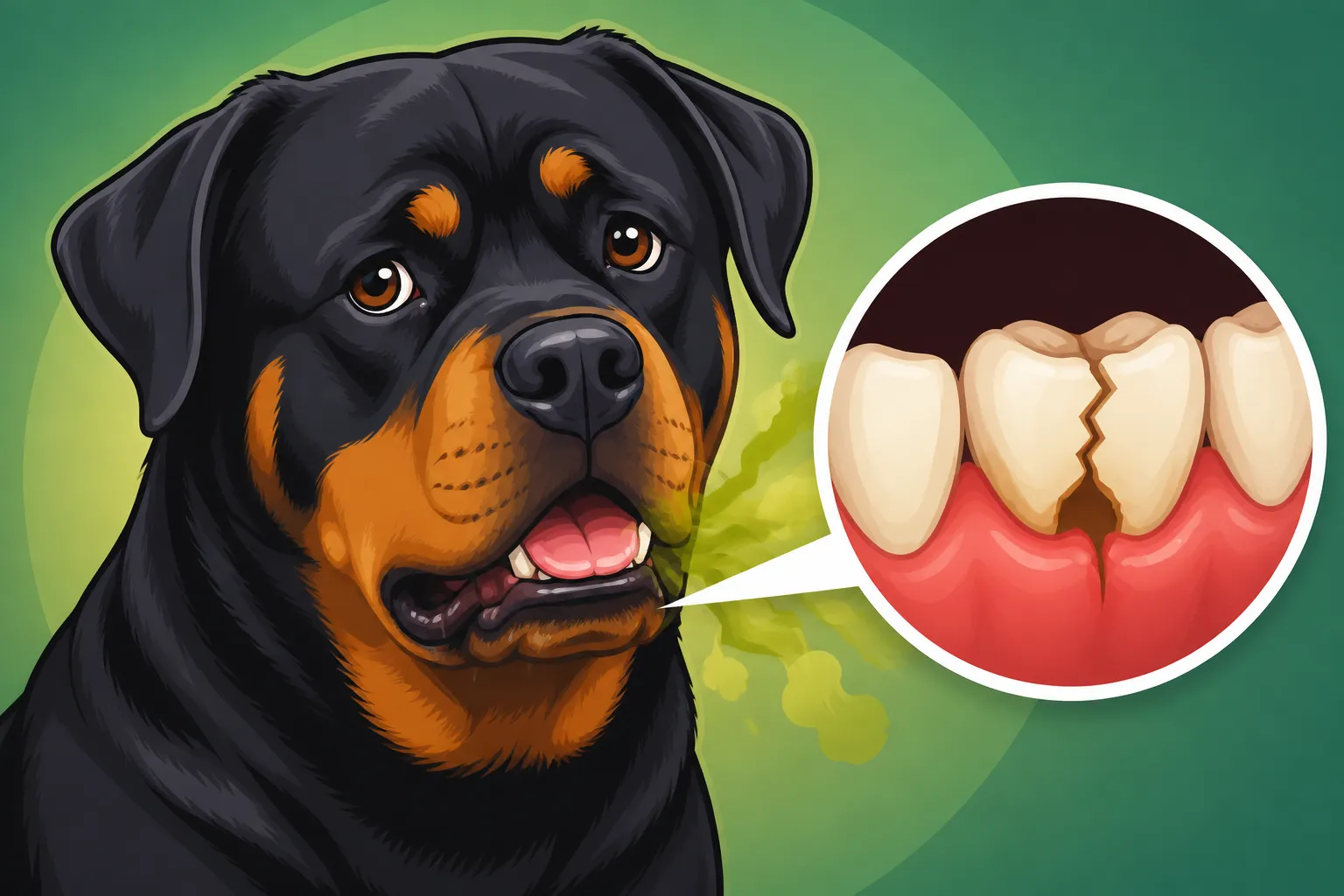
A Rottweiler's mouth is a powerful instrument, designed for crushing and tearing. Their molars, especially, are built for grinding food. But even these formidable teeth aren't indestructible. When a molar cracks, it exposes the sensitive inner structures of the tooth – the pulp, nerves, and blood vessels – to the harsh environment of the mouth. This creates a perfect storm for severe bad breath, far beyond what you might consider normal.
Why a Cracked Molar Turns Breath So Foul
Imagine a tiny, open wound in your mouth that never heals, constantly exposed to food particles and teeming with bacteria. That's essentially what a cracked molar becomes. Food debris packs into the crack, decomposing and fostering bacterial growth. The exposed pulp often becomes infected, leading to an abscess, which is a pocket of pus. This infection brews continuously, releasing volatile sulfur compounds that are the primary culprits behind truly offensive breath. It’s not just a matter of hygiene; it’s an active infection producing a putrid stench.
Furthermore, a deep crack can allow bacteria to travel down into the jawbone, causing further infection and inflammation. This deep-seated infection, often unseen on the surface, contributes heavily to the pervasive, unpleasant odor. The dog's body is constantly fighting this infection, and the byproducts of that battle, along with bacterial waste, are exhaled with every breath. It’s a distinct, almost metallic or rotting smell that is very different from the usual morning breath.
The Impact of Infection and Decay
Once the crack reaches the pulp chamber, the tooth is essentially dying. The pulp tissue, which provides nutrients to the tooth, becomes necrotic. This dead tissue is a feast for anaerobic bacteria, the kind that thrive in oxygen-deprived environments and produce particularly noxious gases. This is why the smell associated with a cracked molar is often described as decaying or purulent, rather than just "stinky."
Left untreated, the infection can spread. It can lead to bone loss around the tooth root, form draining tracts on the gum line or even on the face below the eye, or in severe cases, enter the bloodstream and affect other organs. All of these complications exacerbate the bad breath. It’s a cascade effect: crack leads to infection, infection leads to decay, and decay fuels even more offensive odors. This isn't just about the scent; it's a sign of a significant health problem that needs immediate attention.
Recognizing the Subtle Clues Beyond Just the Smell
While the horrendous smell might be the first thing that grabs your attention, Rottweilers are known for their stoicism. They might not cry out in pain even when they're truly suffering. This means you need to be a detective, looking for more subtle changes in their behavior, eating habits, and overall demeanor. These secondary signs often confirm that the bad breath is rooted in a painful dental issue like a cracked molar.
Behavioral Changes Indicating Pain
A dog in dental pain might become more withdrawn or irritable. If your usually friendly Rottweiler suddenly snaps when you try to pet their head or touch their muzzle, pain could be the underlying cause. You might notice them rubbing their face against furniture or pawing at their mouth repeatedly. They might also shy away from their favorite chew toys, even those they used to obsess over. Why a Rottweiler Puppy Chews Harder Than Most is usually an age-related issue, but even adult Rottweilers who love to chew might suddenly lose interest if there's a painful molar.
Consider their play habits too. If your Rottweiler suddenly avoids tug-of-war games or drops a ball frequently while playing fetch, it could be that the impact on their jaw is causing excruciating pain. They might also become less enthusiastic about training sessions if treats involve chewing, or if the discomfort makes them generally less focused. Any unexplained lethargy or a general reluctance to engage in activities they once enjoyed should prompt a closer look at their mouth.
Changes in Eating Habits and Oral Health
This is often where the clearest signs emerge. Your Rottweiler might start favoring one side of their mouth when chewing, or drop kibble repeatedly while trying to eat. They might refuse hard kibble altogether and only show interest in softer foods, like wet food or a bit of chicken and rice. If you've been feeding them fresh food from a brand like Ollie, you might notice they're still struggling to eat it, even though it's softer than kibble. They might approach their bowl with hesitation, or even walk away from food they usually devour.
Beyond eating, look for visible signs around their mouth. Increased drooling, sometimes mixed with a reddish tinge from blood, is a major red flag. Swelling on one side of the face, especially under the eye, can indicate a tooth root abscess. You might also notice a discharge or pus from the gum line near the affected tooth. Their gums might appear red and inflamed, or you might even be able to spot the crack in the molar if it's visible. Keep in mind that a full visual inspection often requires sedation, as a Rottweiler won't typically let you probe a painful area willingly.
| Symptom Category | Mild Bad Breath (Typical) | Bad Breath with Cracked Molar (Severe) |
|---|---|---|
| Odor Type | Mildly unpleasant, transient | Putrid, metallic, rotting, constant |
| Eating Behavior | Normal, eager eater | Hesitant, drops food, favors one side, avoids hard chews |
| Chew Toys | Engages normally | Avoids, loses interest, drops often |
| Drooling | Normal production | Increased, possibly blood-tinged |
| Facial Swelling | Absent | Present, especially under eye/jaw |
| Irritability | Absent | Present, especially with head touches |
| Pawing at Mouth | Rare | Frequent, noticeable |
| Gum Appearance | Pink and healthy | Red, inflamed, possible discharge |
| Overall Demeanor | Normal energy levels | Lethargic, withdrawn, less playful |
The Veterinary Journey: Diagnosis and Treatment Options
Once you've noticed the warning signs – that truly foul breath, reluctance to eat, or behavioral changes – it's crucial to get your Rottweiler to the veterinarian promptly. Dental issues, especially cracked molars, won't resolve on their own and will only worsen, leading to more pain and potentially systemic health problems. The diagnostic process is thorough, and treatment typically involves surgery under anesthesia.
The Importance of a Professional Dental Exam and X-Rays
A routine physical exam might hint at a dental problem, but a definitive diagnosis of a cracked molar almost always requires your Rottweiler to be sedated or under general anesthesia. Why? Because a thorough oral examination involves probing sensitive areas, and a dog in pain, especially a strong Rottweiler, won't tolerate it while awake. Furthermore, many cracks are subtle, located below the gum line, or on the inside surfaces of the teeth.
Once under anesthesia, your vet can meticulously examine each tooth, looking for cracks, chips, mobility, or signs of infection. The absolute gold standard for diagnosing a cracked molar and assessing its extent is dental X-rays. Just like in human dentistry, these X-rays reveal what's hidden beneath the gum line and within the bone. They show the integrity of the tooth root, the presence of abscesses, and any bone loss. Without X-rays, a vet is essentially guessing at the full scope of the problem. Many times, what looks like a minor crack on the surface turns out to be a much deeper fracture once X-rays are taken. This is also where the conversation about Anesthesia Risk for a Dog a Rottweiler's Size will come up, as it's a serious consideration for any major procedure.
Treatment: Extraction, Root Canal, and Recovery
For a cracked molar, there are generally two main treatment paths: extraction or a root canal. The choice depends on the severity of the crack, which tooth is affected, and the overall health of the tooth structure revealed by X-rays.
-
Extraction: This is the most common treatment for severely cracked molars, especially in the back of the mouth where a root canal might be complex or less successful due to the sheer force a Rottweiler's jaw exerts. Extraction involves surgically removing the entire tooth, including the roots. This can be a significant procedure for a large molar, as these teeth have multiple, long roots that are deeply embedded in the jawbone. The vet will then close the gum tissue over the extraction site. Your Rottweiler will be prescribed pain medication and antibiotics to manage discomfort and prevent infection during recovery. This can mean a temporary switch to softer foods, perhaps from a brand like Chewy, which offers a variety of soft food options or even prescription diets designed for post-dental care. Expect a recovery period where you need to monitor their eating and activity closely.
-
Root Canal Therapy: In some cases, usually with less severe cracks or if it's a strategically important tooth (though less common for molars), a veterinary dentist might perform a root canal. This procedure involves removing the infected pulp from the tooth, cleaning and shaping the root canals, and then filling them with a special material to prevent future infection. The tooth is then sealed and often capped with a crown to protect it. While it saves the tooth, it's a more specialized and often more expensive procedure, and not all general vets perform it. It also requires excellent post-operative care and regular check-ups to ensure success.
Regardless of the treatment, proper pain management is paramount. Your vet will ensure your Rottweiler has adequate pain relief before, during, and after the procedure. It's a common misconception that dogs bounce back from dental surgery instantly; they often need several days to weeks of care. Why a Rottweiler Dental Costs More to Anesthetise is a factor to discuss, as their size and potential underlying health issues can impact the overall cost and complexity.
Preventing Cracked Molars and Maintaining Oral Health
Preventing a cracked molar is always better than treating one. Given a Rottweiler's powerful jaws and their penchant for chewing, taking proactive steps to safeguard their dental health is crucial. Good oral hygiene at home, coupled with smart choices about what they chew on, can significantly reduce the risk of future problems and keep that bad breath at bay.
Smart Chew Choices and Regular Dental Care
One of the most common causes of cracked molars in strong chewers like Rottweilers is inappropriate chew toys or treats. Hard items like real bones (especially weight-bearing bones from large animals), antlers, hooves, or even excessively hard nylon bones can exert too much pressure on their teeth, leading to fractures. Think about it: if you can't indent it with your thumbnail or if it would hurt your knee to be hit with it, it's too hard for your dog's teeth. Instead, opt for chews that are pliable or that soften with saliva. You can find excellent options on platforms like Amazon or Chewy, specifically labeled for power chewers but designed to be gentler on teeth. Look for veterinary dental health approved products, which are often recognized by the Veterinary Oral Health Council (VOHC) seal.
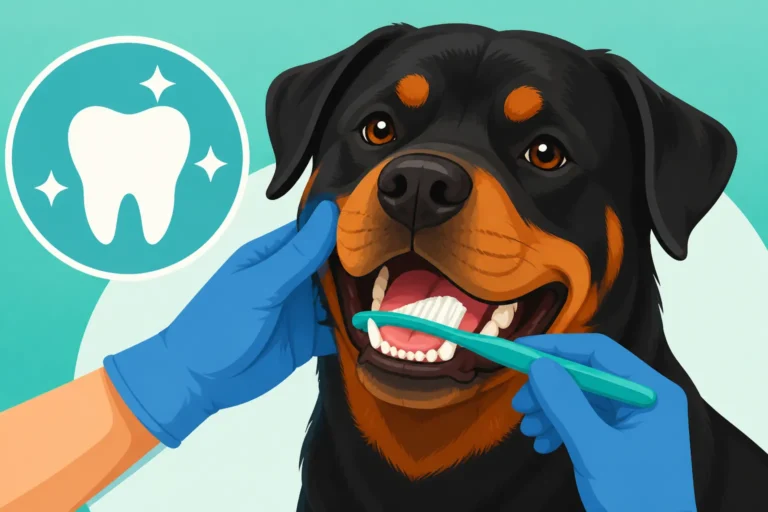
Beyond smart chew choices, a consistent home dental care routine is your best defense against bad breath and dental disease. Daily tooth brushing, using a dog-specific toothpaste, is the gold standard. It might take some patience and positive reinforcement to get your Rottweiler used to it, but it makes a massive difference. If brushing isn't feasible daily, aim for several times a week. Dental wipes, water additives, or specialized dental diets can also help, but they are generally supplements to brushing, not replacements. Remember, Getting a Rottweiler Used to a Toothbrush Early is key to making it a positive experience throughout their life.
The Role of Routine Veterinary Check-ups
Even with diligent home care, regular professional dental check-ups are indispensable. Your veterinarian can spot early signs of dental disease, such as excessive tartar buildup, gingivitis, or subtle changes in teeth that you might miss. These check-ups should ideally be part of your Rottweiler's annual wellness exam. As your Rottweiler ages, these check-ups become even more critical. Rottweiler Tartar Between Cleanings can become a significant issue, leading to gum disease and increasing the risk of other dental problems.
During these visits, your vet can advise you on the best dental products for your Rottweiler's specific needs and demonstrate proper brushing techniques. They can also recommend when a professional dental cleaning, which involves scaling and polishing under anesthesia, might be necessary. Think of it like your own dental hygiene: regular brushing at home, plus periodic visits to the dentist for a deeper clean. This comprehensive approach ensures that your Rottweiler's powerful jaws remain healthy and pain-free, preventing that truly dreadful bad breath and keeping them comfortable for years to come.
Disclaimer
This article is for general informational purposes only and does not constitute professional advice. Laws, prices and regulations vary by location and change over time. Consult a qualified professional for guidance on your specific situation.