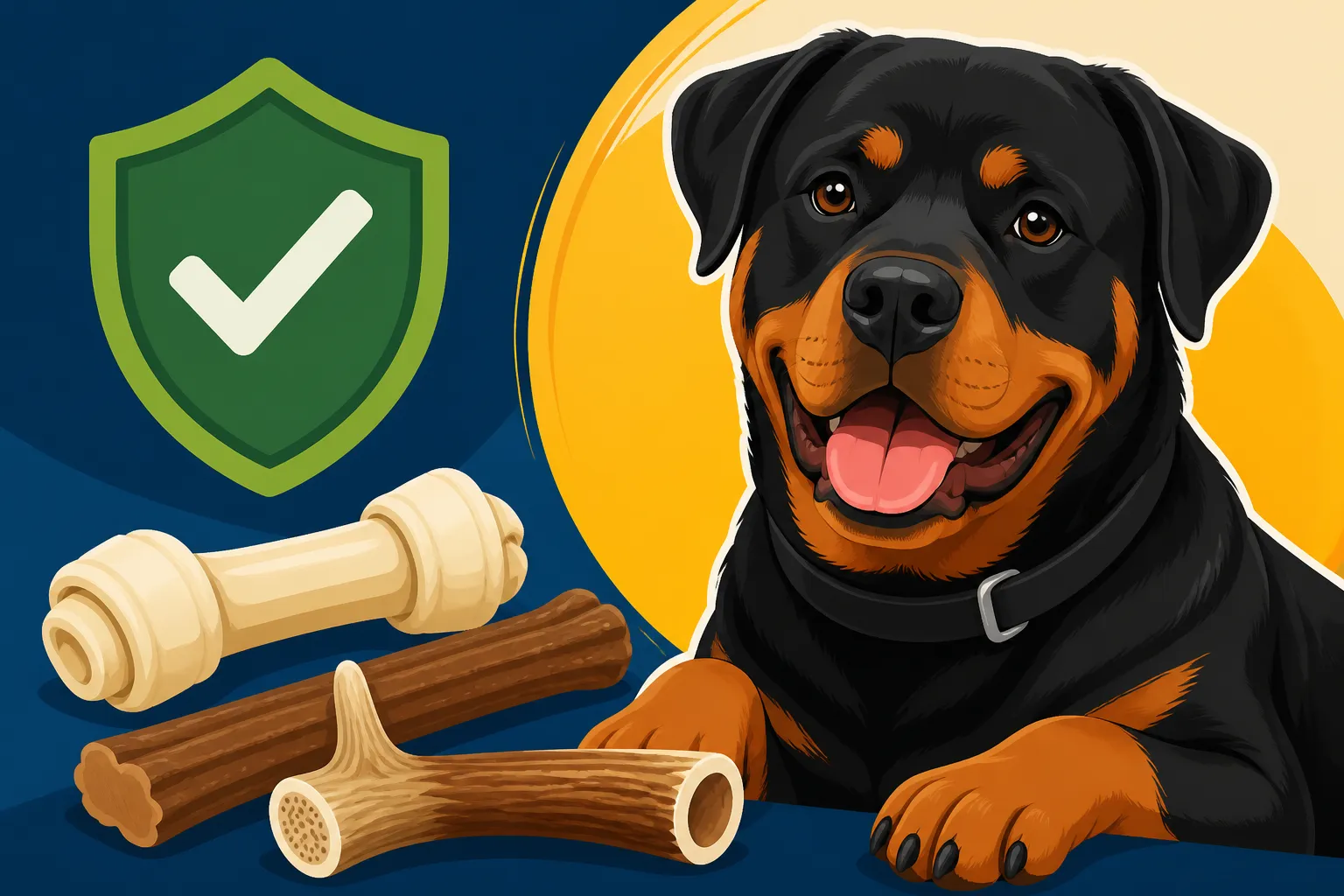
Bones and Chews Safe for a Rottweiler Jaw
The sheer strength of a Rottweiler's jaw is a marvel to behold, but it also presents a unique challenge for us as owners: finding appropriate chew toys and bones that satisfy their powerful instinct without risking serious dental injury or worse. It’s a frustrating tightrope walk, wanting to give our beloved dogs something they enjoy, only to discover later that it’s caused a painful fractured tooth or, in extreme cases, a life-threatening obstruction. This guide is here to cut through the confusion and provide you with clear, realistic advice on selecting bones and chews that are genuinely safe for your Rottweiler's robust jaw, helping you avoid those terrifying emergency vet visits.
The Power of a Rottweiler's Jaw and Its Risks
When you're trying to figure out what kind of chew can stand up to your Rottweiler, it's easy to underestimate just how much force they can exert. We're not talking about a little terrier gnawing on a rawhide; we're talking about a dog bred for driving cattle and guarding, with a bite that means business. Understanding this immense power is the first step in making safe choices for their dental health.
Understanding the Rottweiler Bite Force
Let's not mince words: a Rottweiler's bite is incredibly powerful. While exact figures can vary, it's widely understood that their bite force registers in the hundreds of pounds per square inch (PSI). To put that into perspective, imagine the pressure a Rottweiler can apply when clamping down – it's enough to crush bone, break through tough hides, and certainly make short work of many objects we might consider durable. This isn't just about aggression; it's a fundamental physical characteristic of the breed. This immense strength is precisely why the marketing claims of "indestructible" toys often fall flat when confronted with a determined Rottweiler. What might last for weeks with another breed could be dismantled in minutes by your powerful companion. Ignoring this inherent strength is where many owners unknowingly put their dogs at risk. It’s important to remember that this jaw power isn't just for defense; it's also how they explore their world and relieve stress, making appropriate chewing outlets absolutely vital for their well-being. Think about What 328 Pounds of Bite Pressure Actually Does and you'll quickly understand why certain materials simply aren't suitable.
Common Dental Injuries from Inappropriate Chews
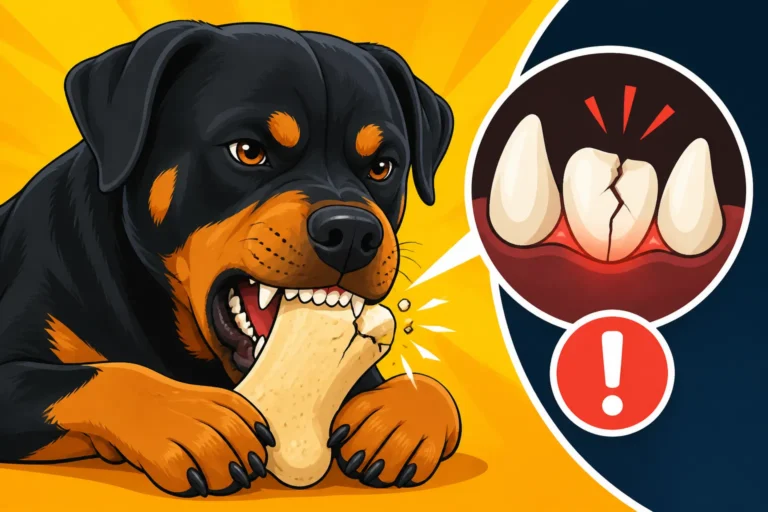
Given the force a Rottweiler can exert, it's no surprise that inappropriate chews lead to some serious dental problems. The most common and painful injury we see is a fractured tooth, often a large molar at the back of the mouth. These aren't just minor chips; they can be slab fractures, where a significant portion of the tooth breaks off, exposing the sensitive pulp cavity. Imagine a tooth splitting vertically down the middle – that's the kind of damage a too-hard bone or antler can inflict. Once the pulp is exposed, bacteria can enter, leading to infection, severe pain, and eventually, the need for an expensive root canal or extraction. Beyond molars, incisors can also be broken, especially if a dog is trying to chew on something that doesn't fit properly in their mouth or is too hard to get a grip on. These injuries aren't just uncomfortable; they can significantly impact your Rottweiler's ability to eat and their overall quality of life. The problem is insidious because dogs are often very good at hiding pain, so you might not even notice a fractured tooth until infection has already set in. This is a common consequence for Cracked Teeth in a Rottweiler That Chews Hard.
The "Too Hard" Rule: What to Avoid
When it comes to choosing chews, a good rule of thumb for Rottweilers is simple: if you can't easily indent it with your thumbnail, or if it feels like something you wouldn't want to hit your knee with, it's probably too hard for your dog's teeth. This "too hard" rule is crucial because it helps us weed out many popular, but ultimately dangerous, options.
Natural Bones: The Double-Edged Sword
Ah, the allure of natural bones. For centuries, dogs have chewed on bones, and it feels instinctual to offer them to our Rottweilers. However, not all bones are created equal, and many pose significant risks. Weight-bearing bones from large animals, like beef femurs or marrow bones, are a prime example. These bones are incredibly dense and unyielding. While they might seem like they'd last forever, their hardness means they are far more likely to cause painful slab fractures on your Rottweiler's molars. It's like trying to chew on a rock – something eventually has to give, and it's usually the tooth. Cooked bones are an absolute no-go; the cooking process makes them brittle and prone to splintering into sharp shards that can cause internal damage, perforations, or obstructions in the digestive tract. Even raw bones, while generally safer in terms of splintering, can still be too dense if they are weight-bearing. The ideal raw bone for a dog to consume needs to be soft enough to be fully digested, like chicken necks or backs, which are too small and easily consumed by a Rottweiler, often bypassing the chewing need entirely. For a Rottweiler, the problem isn't just size, but the inherent hardness of any bone that might cause dental trauma.
Antlers, Hooves, and Nylon Chews
Beyond natural bones, many other popular chew items fall squarely into the "too hard" category for a Rottweiler. Antlers, for instance, are often touted as long-lasting and natural. However, they are essentially bone and incredibly dense, offering virtually no give. Just like weight-bearing bones, chewing on antlers frequently leads to those devastating slab fractures on molars. The rigid nature of antlers means your Rottweiler is essentially grinding their teeth against an immovable object, and their powerful jaw is more than capable of inflicting self-harm in the process. Hooves are another common culprit. While they might have a slight give when fresh, once dried, they become hard and brittle, posing both a fracture risk and a potential choking hazard as they break down into smaller, sharp pieces.
Nylon chews, beloved by many manufacturers and owners for their durability, also present a dilemma. While some very flexible nylon chews can be safe, many are simply too hard. If a nylon chew is too rigid, it acts just like a bone or antler, putting immense pressure on your Rottweiler's teeth and increasing the likelihood of a fracture. It’s a sad irony that the very thing designed to last often ends up causing irreparable damage to our dogs' teeth. Before offering any of these, consider if it passes the thumbnail test. If it's rock-hard, it belongs in the bin, not in your Rottweiler's mouth. This is the core message behind avoiding things like Antlers and Bones a Rottweiler Should Not Have.
Safe Chew Options for the Mighty Mouth
So, if so many common options are off-limits, what can your Rottweiler safely chew? The good news is there are plenty of excellent choices available that can satisfy their chewing needs without jeopardizing their dental health. The key is to look for materials that have some give, are designed for extreme chewers, and are appropriately sized.
Chew Toys Designed for Extreme Chewers
When searching for safe chews, focus on high-quality, durable rubber toys specifically marketed for "power chewers" or "aggressive chewers." These toys are engineered to withstand strong jaws while still offering enough flexibility to prevent tooth damage. Brands like Kong and Nylabone (specifically their more flexible rubber lines, not the super-hard nylon ones) are often good starting points. Look for toys made of natural rubber or similar sturdy, yet pliable, materials. The goal isn't something that's literally indestructible, but rather something that can be compressed slightly when chewed, reducing the impact on the teeth. These toys come in various shapes and sizes, from classic stuffable Kongs that can be filled with treats like peanut butter or yogurt and frozen (which offers extended engagement), to more uniquely shaped toys designed for textured chewing. Many excellent options can be found browsing platforms like Chewy or Amazon, where you can often read reviews from other large breed owners.
Beyond simple rubber, some toys incorporate multiple materials or have designs that make them more challenging to destroy while remaining safe. The real benefit here is that these toys provide not only physical chewing satisfaction but also mental enrichment. A toy that needs some effort to get a treat out of can keep a Rottweiler happily occupied for a good stretch of time. Just remember to always supervise new toys to ensure they hold up to your specific dog's chewing style and don't pose a choking hazard once worn down. For more ideas that genuinely last, check out Rottweiler Chew Toys That Survive the Jaw.
Edible Chews with Appropriate Give
When it comes to edible chews, the same "too hard" rule applies, but with an added layer of consideration for digestibility. Bully sticks, for instance, are a popular choice for many Rottweiler owners. They are generally digestible, and while firm, they typically have enough give to be safer than bones or antlers. The key is to choose appropriate sizes – a thin bully stick will be gone in moments, potentially leading to gulping, while a thicker, longer one will provide a more extended chew. Collagen sticks are another excellent option; they're generally softer than bully sticks and highly digestible, making them a safer alternative for aggressive chewers. Many pet stores, including online retailers like Chewy, carry a wide variety of these.
Look for single-ingredient chews where possible, to avoid unnecessary additives or potential allergens. Dental chews can also be a good option, provided they are not excessively hard. Brands like Greenies or similar well-known dental chews are designed to be consumed and should offer enough flexibility. Always consider the chew's texture and how it breaks down. Does it become a soft pulp, or does it shatter into hard, sharp fragments? For a Rottweiler, you want the former. Always supervise edible chews, especially as they get smaller, to prevent your dog from trying to swallow a piece that is too large, which could lead to choking. Remember, no edible chew is truly "indestructible," so monitoring is crucial. Finding Chews That Do Not Crack a Rottweiler Molar is paramount.
Frozen Treats and DIY Options
Sometimes the best chews are the ones you make yourself, or simple, healthy ingredients from your own kitchen. Frozen treats are fantastic for Rottweilers, especially on a hot day or when you need a distraction. A classic choice is a hollow rubber toy (like a Kong) filled with plain yogurt, dog-safe peanut butter (xylitol-free!), mashed banana, or even wet dog food, then frozen solid. This transforms a quick treat into a long-lasting, mentally engaging project. The cold also helps soothe gums, which can be a bonus for younger pups or those with mild dental sensitivity.
Simple frozen items can also be great. Large ice cubes can be a fun, safe chew for some Rottweilers, though always ensure they don't try to bite down too hard if your dog is prone to doing so. Frozen carrots are another favorite in our household; they offer a satisfying crunch without the hardness of bone. Just make sure to offer whole carrots or large chunks that can't be swallowed whole, and supervise. Some Rottweilers also enjoy chewing on large, firm slices of apple (seeds removed) or segments of bell pepper. These DIY options are not only safe and healthy, but they also offer a cost-effective way to provide your Rottweiler with enriching chew experiences.
Supervising Chew Time and Dental Health
Even with the safest chews, vigilance is key. A Rottweiler's chewing habits can change, and what was safe one day might become a hazard the next as a chew wears down. Integrating good chew practices with overall dental hygiene is paramount to ensuring your Rottweiler lives a long, healthy, and pain-free life.
Why Supervision is Non-Negotiable
This point cannot be stressed enough: every chew session, especially with new items, requires supervision. Even seemingly safe chews can become dangerous if your Rottweiler changes their chewing style, or if the chew breaks down in an unexpected way. For instance, a durable rubber toy can eventually be gnawed down to a size that becomes a choking hazard. Similarly, edible chews, as they get smaller, can encourage gulping, leading to potential choking or digestive obstructions. Your job as an owner is to watch for these transitions. If a toy shows significant wear, cracks, or pieces are coming off, it's time to replace it. If an edible chew gets small enough to be a swallow risk, take it away.
Supervision also allows you to intervene if your dog is chewing too aggressively or exhibiting signs of discomfort. Sometimes a dog will start favoring one side of their mouth, or suddenly lose interest in a favorite chew; these can be subtle indicators of dental pain. Being present means you can ensure your dog is chewing safely, make sure they don't try to ingest pieces that are too large, and generally prevent any accidents before they happen. This constant oversight is a critical part of being a responsible Rottweiler owner.
Regular Dental Check-ups and Home Care
No matter how diligent you are with choosing safe chews, regular dental care is still a cornerstone of your Rottweiler's health. Think of chews as aiding dental hygiene, not replacing it entirely. Your veterinarian should perform a thorough dental examination during your Rottweiler's annual check-up, looking for signs of tartar buildup, gingivitis, and any fractured or damaged teeth. These exams are vital because, as mentioned, dogs are masters at hiding pain, and a hidden dental issue can lead to serious health problems down the line.
Beyond vet visits, home dental care is incredibly important. Brushing your Rottweiler's teeth several times a week, or even daily, is the most effective way to prevent tartar accumulation and gum disease. Starting early, even with a puppy, helps them get used to the routine. Special dog toothbrushes and enzymatic toothpastes designed for canines are essential. Don't use human toothpaste, as it can be toxic to dogs. If regular brushing proves too difficult, discuss other options with your vet, such as dental wipes, oral rinses, or professional dental cleanings under anesthesia when needed. Addressing Rottweiler Dental Disease and Cracked Teeth proactively is far better than reacting to a crisis. Preparing your dog for this with Getting a Rottweiler Used to a Toothbrush Early makes all the difference.
Signs of Dental Trouble to Watch For
Even with the best intentions and the safest chews, problems can sometimes arise. Knowing the subtle signs of dental trouble in your Rottweiler can help you catch issues early and seek veterinary attention promptly. One of the most common indicators is a change in chewing or eating habits. This might look like your dog chewing only on one side of their mouth, dropping food, refusing hard kibble or favorite chews, or showing a sudden disinterest in food entirely. You might also notice them pawing at their mouth or rubbing their face against furniture.
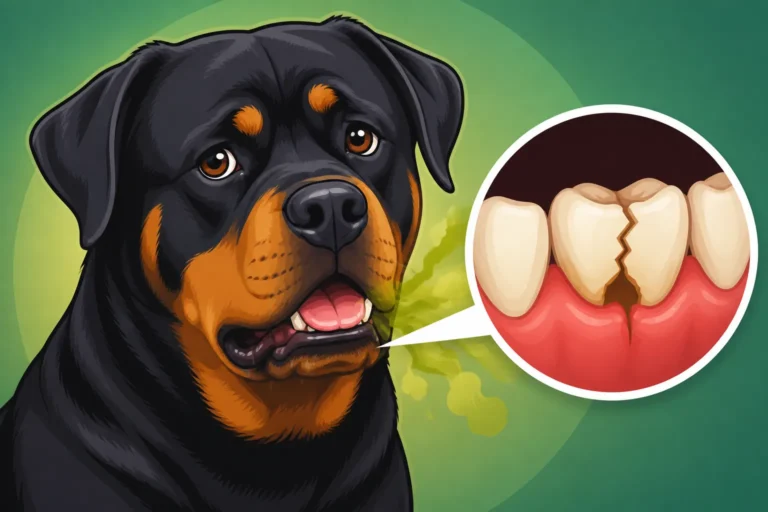
Bad breath, which is often dismissed as "dog breath," can actually be a significant warning sign of advanced dental disease, infection, or even a fractured tooth. A noticeable increase in drooling, or drooling with blood, is another red flag. Visually inspecting your Rottweiler's teeth and gums regularly is also helpful. Look for any discoloration, redness or swelling of the gums, loose teeth, or visible chips or cracks in the enamel. While a full examination by you might be difficult, even a quick glance can sometimes reveal a problem. If you spot any of these signs, don't delay – a visit to your vet is in order. Addressing issues like Bad Breath in a Rottweiler With a Cracked Molar quickly can save your dog a lot of pain and prevent more extensive treatment down the line.
| Chew Type | Safety Rating for Rottweilers | Pros | Cons |
|---|---|---|---|
| Weight-Bearing Raw Bones | Low | Natural, potentially satisfying for some | High risk of tooth fractures (slab fractures), choking hazard if small |
| Cooked Bones | Very Low | Natural, but dangerous | Splintering risk, digestive obstructions, perforation, choking |
| Antlers | Low | Long-lasting, natural | Very hard, high risk of tooth fractures (slab fractures) |
| Dried Hooves | Low | Natural, strong scent | Brittle, can splinter, choking hazard, can be very hard |
| Hard Nylon Chews | Low | Durable, non-edible | Very hard, high risk of tooth fractures |
| Durable Rubber Toys | High | Flexible, non-toxic, mentally stimulating (if stuffable) | Can be destroyed over time, need supervision |
| Bully Sticks | Medium-High | Digestible, satisfying chew | Can be consumed quickly, choking hazard if swallowed whole, supervision required |
| Collagen Sticks | High | Digestible, gentler on teeth than bully sticks | Can be consumed quickly, supervision required |
| Soft Dental Chews | High | Aids dental health, digestible, generally flexible | Some brands can still be too hard, often calorie-dense |
| Frozen Stuffed Kongs | High | Mentally enriching, soothing, extended engagement | Requires preparation, only lasts until contents are gone |
| Frozen Carrots | High | Healthy, satisfying crunch | Can be consumed quickly, needs to be appropriately sized |
Disclaimer
This article is for general informational purposes only and does not constitute professional advice. Laws, prices and regulations vary by location and change over time. Consult a qualified professional for guidance on your specific situation.