Brushing a Rottweiler’s Teeth
There's a common misconception that because dogs use their mouths for everything, they naturally have strong, healthy teeth and don't need the same dental attention we do. As a Rottweiler owner, you probably know that couldn't be further from the truth. The reality is, dental disease is rampant in dogs, and our big, powerful Rottweilers are no exception. This guide is all about tackling that issue head-on, walking you through why brushing your Rottweiler's teeth is crucial, how to actually do it effectively, and what other steps you can take to keep that impressive Rottie smile healthy and pain-free for years to come.
The Harsh Reality of Rottweiler Dental Disease
It's a truth no one wants to face: many of our beloved Rottweilers suffer from some form of dental disease long before we even notice. It creeps up silently, often masked by their stoic nature, until it becomes a significant source of pain and infection. You might think a big dog with a powerful jaw doesn't need its teeth brushed, but that's a dangerous myth.
Why Rottweilers Are Prone to Dental Issues
Rottweilers, with their robust build and impressive chewing power, seem like they should have ironclad teeth. However, several factors make them particularly susceptible to dental problems. Just like us, plaque constantly forms on their teeth, eventually hardening into tartar. This tartar buildup, if left unchecked, pushes against the gums, leading to inflammation (gingivitis) and eventually infection of the structures supporting the teeth (periodontal disease). Their large mouths mean more surface area for plaque to accumulate, and some individuals might have teeth that are too close together, creating nooks and crannies where food particles love to hide.
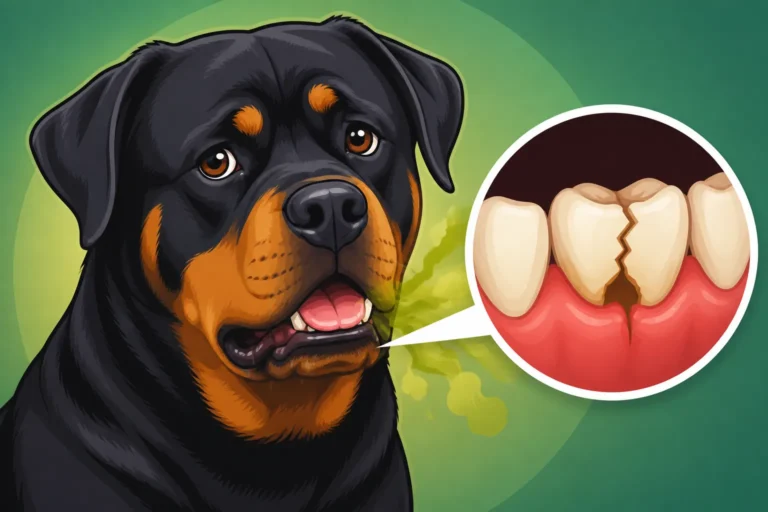
Beyond the general canine susceptibility, Rottweilers often have deep, strong bites, and unfortunately, this can sometimes lead to issues like fractured teeth if they're chewing on excessively hard items. We often hear about how they can crack bones, but that same power can unexpectedly damage their own teeth. The pain of a cracked tooth or severe gum infection can be debilitating, affecting their appetite, energy, and overall quality of life. It’s a silent battle many dogs fight, and it impacts everything from their comfort to their lifespan.
Recognizing the Early Signs of Trouble
The first, most obvious, and often most ignored sign of dental trouble in a Rottweiler is bad breath. We're not talking about just "dog breath" – we're talking about a truly foul, pungent odor that makes you recoil. This isn't normal; it's a direct indicator of bacterial overgrowth in the mouth due to plaque and tartar. Another common sign can be a change in their eating habits. Maybe they start dropping kibble, chewing only on one side of their mouth, or suddenly prefer softer foods. If your Rottweiler, known for being a food enthusiast, suddenly seems less excited about mealtime, it's worth a closer look at their mouth.
Beyond breath and eating changes, keep an eye out for visible signs. Swollen, red, or bleeding gums are a huge red flag. You might also notice yellow or brown tartar buildup, especially on the back molars and the canine teeth. Some dogs will paw at their mouths or rub their faces against furniture. In more advanced stages, you might see pus around the gum line, loose teeth, or even swelling on the side of their face if an abscess has formed. It's crucial not to wait until these severe symptoms appear; early intervention through regular brushing and vet check-ups can prevent much of this suffering. You might be surprised at what can be happening in there, even if your dog seems fine. For more on this, check out Rottweiler Dental Disease and Cracked Teeth.
Essential Tools for Brushing Your Rottweiler's Teeth
Alright, now that we understand why it's so important, let's talk about the how. You wouldn't use a kitchen sponge to wash your car, and similarly, you can't just grab your own toothbrush and toothpaste for your Rottie. They need specific tools designed for their unique needs, and honestly, for your own sanity!
Choosing the Right Toothbrush
The sheer size of a Rottweiler's mouth means you need a toothbrush that can actually reach all those nooks and crannies. Forget those tiny, flimsy brushes meant for toy breeds. For starters, a finger brush can be a great way to introduce the sensation of brushing, especially for puppies or sensitive adults. They slip over your finger, giving you direct control and a tactile connection with your dog's mouth. However, for a truly effective clean, you'll want something more substantial.
There are long-handled dog toothbrushes available, often with angled heads and bristles designed to clean effectively without being too harsh on the gums. Some even have a dual-head design, with a larger brush for the outer surfaces of the big molars and a smaller one for harder-to-reach areas. For the truly dedicated (and those with very tolerant Rottweilers), pet-specific electric toothbrushes exist. These can offer a superior clean, but they require a much longer acclimatization period due to the vibration and noise. When choosing, consider the size of your dog's mouth, your comfort level, and what your Rottweiler will tolerate. Remember, a bigger brush isn't always better if you can't maneuver it effectively.
Finding a Dog-Safe Toothpaste
This is a non-negotiable: never use human toothpaste on your dog. Human toothpaste contains fluoride and often xylitol (a common artificial sweetener), both of which are highly toxic to dogs. Ingesting even a small amount can lead to severe illness or worse. Dog toothpaste is specifically formulated to be safe for ingestion, as your Rottweiler isn't going to rinse and spit like you do.
Beyond safety, dog toothpastes are often flavored with things appealing to canines, like poultry, beef, or even peanut butter. This can make the experience much more pleasant for them and encourage cooperation. Many dog toothpastes are also enzymatic, meaning they contain enzymes that help break down plaque and bacteria, even if the brushing isn't perfect. Look for brands specifically marketed for pets. You can find a good selection at pet stores or online retailers like Chewy or Amazon. Start with a small tube to see which flavor your Rottweiler prefers, because believe me, flavor can make or break your brushing endeavors!
Step-by-Step Guide to Brushing Your Rottweiler's Teeth
Okay, you've got your tools. Now for the actual act of brushing. This isn't a race; it's a marathon of patience and positive reinforcement. Remember, you're building a habit that should last for your Rottweiler's entire life, so taking it slow and making it a good experience is key. Getting a Rottweiler Used to a Toothbrush Early is vital for long-term success.
Introducing the Process and Building Positive Associations
The first step is simply getting your Rottweiler comfortable with you handling their mouth. Start slow. Don't even bring out the toothbrush yet. Just gently touch their muzzle, then lift their lip for a second, then reward with a high-value treat and praise. Repeat this many times over several days, gradually increasing the duration and invasiveness. Once they're okay with you touching their gums, introduce a tiny dab of dog toothpaste on your finger. Let them lick it off. If they like the flavor, that's a huge win! Now, gently rub the toothpaste on a few teeth with your finger, again, just for a second, then lavish them with praise and treats.
This stage is all about building positive associations. You want them to think, "Oh, mouth touching means delicious treats!" Keep sessions short, fun, and always end on a good note, even if you only managed one tooth. This is especially important for a breed like a Rottweiler, which can be sensitive about personal space but incredibly loyal and eager to please once they understand what's expected. For puppies, this is part of their crucial Rottweiler Puppy Training Through the First Year, getting them accustomed to all sorts of handling.
Mastering the Brushing Technique
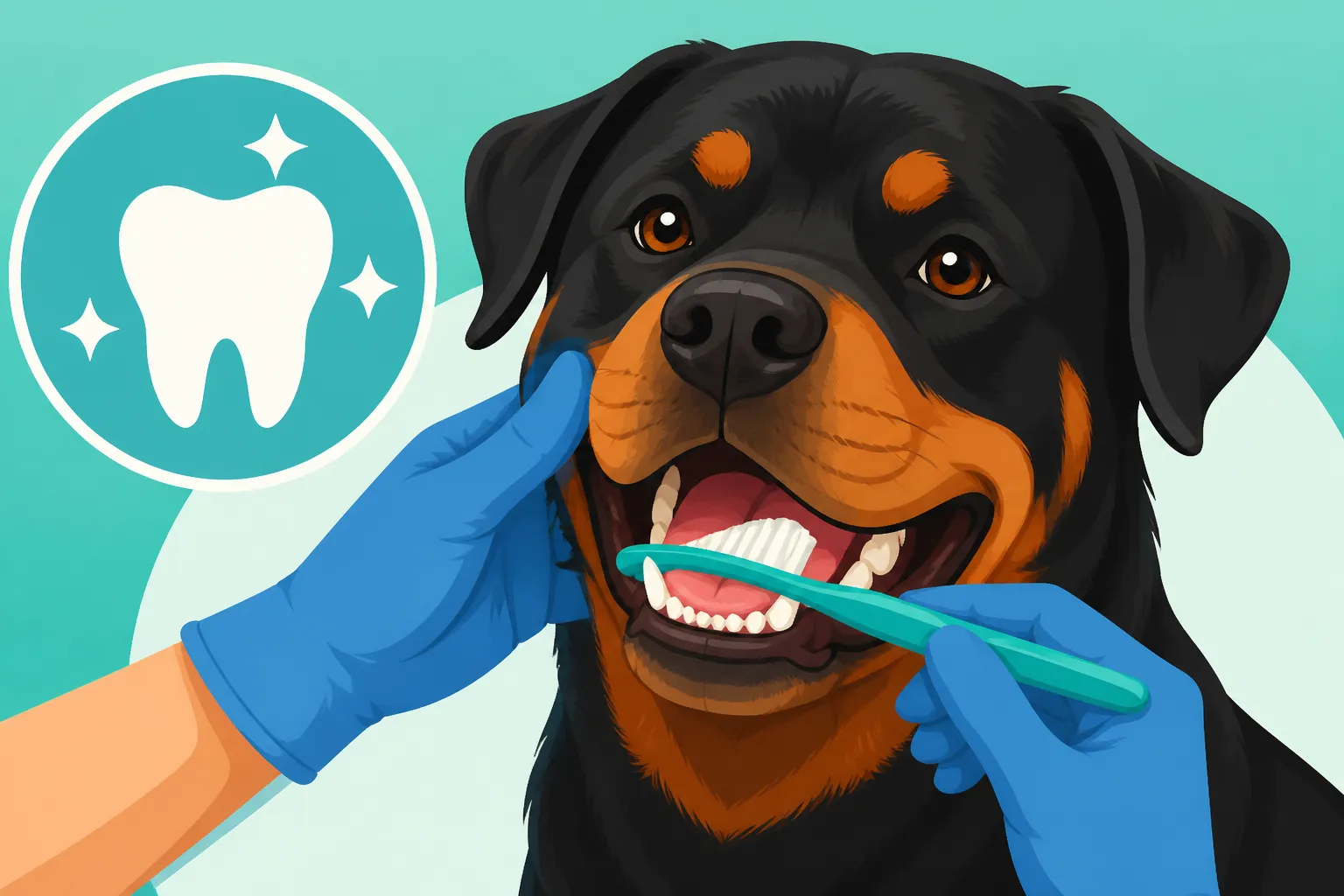
Once your Rottweiler is comfortable with your fingers and the toothpaste, it's time to introduce the toothbrush. Put a small pea-sized amount of toothpaste on the brush. Start with the teeth that are easiest to reach – usually the large canine teeth and the outer surfaces of the back molars. Gently lift their lip and hold the brush at a 45-degree angle to the gum line, aiming the bristles towards the gum. Using small, circular motions, brush one or two teeth. Focus on the gum line, as that's where plaque builds up most aggressively.
Don't worry too much about the inside surfaces of the teeth initially; the tongue often keeps those cleaner, and they are much harder to access without a struggle. The outer surfaces are the priority. Gradually work your way around the mouth, always praising and offering small treats. If your Rottweiler starts to get antsy, stop, give a final treat, and try again later. It's better to do a few teeth well and keep the experience positive than to force it and create a negative association. Remember, consistency over perfection, especially at the beginning.
Establishing a Consistent Routine
Frequency is paramount for effective dental care. Ideally, you should aim to brush your Rottweiler's teeth daily, or at least every other day. Brushing just once a week isn't enough to prevent plaque from hardening into tartar, which happens surprisingly quickly. Try to integrate it into your daily routine, perhaps after their last meal of the day, or first thing in the morning. Making it a predictable part of their day can help with acceptance.
Think of it like training. Just as you work on Training a Rottweiler Before It Outweighs You for obedience, you're training them for dental health. Have your supplies ready. Create a calm environment. Use the same verbal cues ("Time for teeth!") and follow the same positive reinforcement pattern. Consistency signals to your Rottweiler what to expect, and that predictability can reduce anxiety. Even if you're only able to get through half their mouth one day, keep at it. Over time, those short, positive sessions will add up to significant dental health benefits.
Beyond the Brush: Additional Dental Care Strategies
While brushing is undeniably the gold standard, it’s not the only tool in your dental care arsenal. Think of these additional strategies as supporting players, enhancing your brushing efforts and providing extra layers of protection for your Rottweiler's teeth.
Dental Chews and Toys for Plaque Control
Dental chews and toys can be wonderfully helpful, but you need to be smart about choosing them. Many products claim to clean teeth, but not all are created equal. Look for dental chews that have been scientifically proven to reduce plaque and tartar, often indicated by a seal from the Veterinary Oral Health Council (VOHC). These products typically have a unique texture or ingredient that helps scrape away plaque as your dog chews. Brands like Greenies, Dentastix, or specific veterinary dental diets can be effective. You can often find a good selection of VOHC-approved chews on platforms like Chewy or Amazon.
However, a word of caution: make sure any chew or toy you offer is appropriately sized for your Rottweiler's powerful jaw and doesn't pose a choking hazard or risk fracturing a tooth. Avoid extremely hard items like antlers, real bones (especially cooked ones), or very hard nylon chews. While your Rottie might love to gnaw on them, they frequently lead to painful slab fractures where a piece of the molar breaks off. Always supervise your dog with chews, and remember, these are supplements, not replacements for brushing. For more on safe chewing, read Rottweiler Chew Toys That Survive the Jaw.
Water Additives and Oral Rinses
Water additives and oral rinses offer a passive way to support your Rottweiler's dental health, acting as an antimicrobial boost. These products are usually added to your dog's drinking water or applied directly to their gums. They contain ingredients designed to reduce bacteria in the mouth, inhibit plaque formation, and freshen breath. While they can't physically remove existing plaque and tartar like brushing can, they can certainly help slow down the accumulation of new buildup.
It's important to choose products specifically formulated for pets and to follow the instructions carefully. Some dogs might be sensitive to certain ingredients, so introduce them gradually and monitor your Rottweiler for any changes in water intake or appetite. Think of these as a helpful adjunct, particularly if you have a Rottweiler who is particularly resistant to brushing, but they won't solve severe dental disease on their own. They're best used as part of a comprehensive oral hygiene plan, supporting daily brushing rather than replacing it.
Professional Dental Cleanings and When They're Necessary
Despite your best brushing efforts, professional dental cleanings are often a necessary part of a Rottweiler's oral health journey. Just like with humans, there are some things that only a professional can do, and ignoring them can lead to significant health problems down the line.
The Importance of Regular Vet Check-ups
Your Rottweiler's annual veterinary check-up isn't just for vaccinations and a general once-over; it's also a crucial opportunity for a dental exam. During these visits, your vet will visually inspect your Rottweiler's teeth and gums, looking for signs of plaque, tartar, gingivitis, fractured teeth, or any other oral abnormalities. They'll assess the overall health of the mouth and help you determine if a professional cleaning is warranted. This is especially important as Rottweilers age, when dental issues can become more prevalent. Even if you're brushing regularly, a vet can spot subtle issues you might miss.
An experienced vet can also feel for any loose teeth, check for pockets in the gums (a sign of periodontal disease), and identify any suspicious lumps or bumps in the mouth. Early detection of problems means earlier intervention, which can often save your Rottweiler from pain and prevent more extensive and costly procedures later on. If your vet recommends a cleaning, don't delay. It's a proactive step in maintaining their overall health, not just their teeth. Senior Rottweiler Care After the Age of Seven often includes more frequent dental checks.
What a Professional Dental Cleaning Involves
A professional dental cleaning for a dog, much like for humans, involves scaling to remove plaque and tartar, followed by polishing to smooth the tooth surface and make it harder for new plaque to adhere. However, unlike humans, dogs require general anesthesia for this procedure. This allows the vet to perform a thorough cleaning, reaching all surfaces of every tooth, including under the gum line where a lot of the damage occurs. Anesthesia also ensures your Rottweiler remains still and comfortable throughout the process, preventing stress and injury.
During the cleaning, the vet or veterinary technician uses specialized ultrasonic scalers and hand instruments to meticulously remove all plaque and tartar. They will also probe for periodontal pockets and examine each tooth for damage. If advanced periodontal disease or fractured teeth are found, extractions may be necessary. This can sound daunting, but removing diseased teeth often provides immense relief to your dog, who has likely been living with chronic pain. While anesthesia carries some risk, modern veterinary practices prioritize safety with pre-anesthetic bloodwork, IV fluids, and continuous monitoring. Understanding Anesthesia Risk for a Dog a Rottweiler's Size can help you discuss these procedures with your vet.
Here's a quick comparison of home vs. professional dental care:
| Feature | Home Dental Care (Brushing, Chews) | Professional Dental Cleaning (Vet) |
|---|---|---|
| Purpose | Prevents plaque/tartar buildup, freshens breath, maintains health | Removes existing plaque/tartar, treats periodontal disease, extracts |
| Plaque/Tartar Removal | Primarily prevents new buildup, removes superficial plaque | Removes all existing plaque/tartar, including below gum line |
| Reach | Outer surfaces of teeth, areas accessible to owner | All tooth surfaces, under gum line, hard-to-reach areas |
| Anesthesia | No | Required |
| Monitoring | Owner observes daily/weekly | Vet performs thorough exam, X-rays, assesses overall oral health |
| Cost | Low (toothpaste, brushes, chews) | Higher (anesthesia, procedures) |
| Frequency | Daily/every other day for brushing, chews as directed | Annually or as recommended by vet |
| Impact on Existing Disease | Minimal | Directly treats and manages |
Common Challenges and Troubleshooting
Let's be real, brushing a Rottweiler's teeth isn't always sunshine and rainbows. These are powerful dogs with strong opinions, and sometimes, those opinions include "I don't want that brush in my mouth!" But don't give up. There are ways to navigate these challenges with patience and understanding.
Dealing with a Reluctant or Resistant Rottweiler
If your Rottweiler is giving you grief about brushing, you're not alone. The first thing to do is not to force it. Forcing the issue can create a strong negative association, making future attempts even harder. Instead, take a step back and revisit the desensitization process. Go back to simply touching their muzzle, then their lips, then gently prying open their mouth for a second, always followed by immediate, high-value rewards. This might mean tiny pieces of cooked chicken, cheese, or whatever your Rottweiler absolutely loves. Short, positive interactions are key here.
You might also consider different approaches to the actual brushing. If a traditional toothbrush is too intimidating, try a finger brush first, or even just gauze wrapped around your finger with some toothpaste. Some Rottweilers respond better to a different brushing schedule or location. Maybe they're more relaxed in the evening, or perhaps they do better on the floor rather than on an elevated surface. If the resistance is persistent and includes growling, snapping, or signs of discomfort, stop immediately. It's possible there's an underlying painful issue in their mouth that needs veterinary attention. In these cases, a visit to the vet for a thorough oral exam is crucial. Sometimes, a professional dog trainer experienced with large breeds can also offer guidance on cooperative care, as training is often at the root of managing a big dog's behavior.
Addressing Specific Oral Health Concerns
Sometimes, you're brushing diligently, but your Rottweiler still has persistent issues. Maybe the bad breath won't go away, or you notice a strange lump, or your dog suddenly starts pawing at their mouth. These are signs that it's time to involve your veterinarian. Bad breath, especially if it's accompanied by visible redness, swelling, or yellow-brown gunk on the teeth, almost always indicates gingivitis or periodontal disease that needs professional intervention. Brushing helps, but it can't always reverse existing advanced disease.
Fractured teeth are another common concern, often from chewing on things that are too hard. A fractured tooth, even a small chip, can expose the pulp chamber, leading to severe pain and infection. If you notice your Rottweiler has Bad Breath in a Rottweiler With a Cracked Molar or a missing piece of tooth, a vet visit is imperative. They might recommend dental X-rays to assess the extent of the damage and determine if extraction or a root canal is needed. Any persistent lumps, changes in gum color (other than normal pigmentation), or unusual discharges from the mouth should also be checked by a vet immediately, as these could indicate more serious conditions, including oral cancers. Don't try to self-diagnose or treat; your vet is your best partner in these situations.
Disclaimer
This article is for general informational purposes only and does not constitute professional advice. Laws, prices and regulations vary by location and change over time. Consult a qualified professional for guidance on your specific situation.