Portioning an Adult Rottweiler by Body Condition
It’s a common frustration for Rottweiler owners: you pick up a bag of dog food, scan the feeding guide, and it tells you to feed your magnificent, robust Rottie "X cups" per day. But your dog is an individual, not just a number on a chart. What if your Rottweiler is a couch potato, or a highly active working dog? What if they're naturally lean or tend to pack on the pounds? Relying solely on a bag's generic guidelines can lead to a dog that's either too thin or, more commonly, carrying too much weight, silently setting them up for a host of health problems. This comprehensive guide will walk you through how to properly portion your adult Rottweiler's food using Body Condition Scoring (BCS), ensuring they maintain an ideal weight for a long, healthy, and happy life.
The Pitfalls of "Feed X Cups" – Why Generic Advice Fails a Rottweiler
We've all been there. Staring at the back of a dog food bag, trying to figure out if our dog fits neatly into their suggested weight ranges. For a breed as powerful and substantial as a Rottweiler, these generic guidelines are often just a starting point, and rarely the perfect answer. Your Rottie isn't a factory-made product; they're a living, breathing, unique individual, and their dietary needs reflect that.
More Than Just a Number on a Bag
Think about it: the feeding chart on a bag of kibble has to cater to a massive range of dogs within a certain weight bracket. It can't possibly know that your 110-pound male Rottweiler spends his days patrolling the backyard and doing zoomies, while your neighbor's 110-pound male Rottweiler prefers to nap on the cool tile and only ventures out for short, sedate walks. The bag also doesn't account for individual metabolism, which can vary wildly even between dogs of the same breed and activity level. Some Rottweilers are naturally "hard keepers" and burn through calories, while others seem to just look at food and gain weight.
Then there's the variable of climate – a dog living in a colder environment might burn more calories just to stay warm, compared to one in a mild climate. The truth is, that single number or range on the bag is a population average, and your dog is likely not perfectly average. Relying solely on it can lead you down a path where you're unknowingly overfeeding or underfeeding your beloved companion, simply because the generic advice isn't tailored to their specific body and lifestyle.
The Hidden Dangers of Excess Weight in a Rottweiler
For a large, heavy-boned breed like a Rottweiler, carrying even a few extra pounds can have significant consequences. Their powerful frame is built to be robust, but it's not invincible. Extra weight puts an immense strain on their joints, which are already prone to issues like Rottweiler Hip Dysplasia and the OFA Grade and elbow dysplasia. Imagine carrying a backpack filled with bricks all day, every day – that's what extra weight feels like to your dog's joints, accelerating arthritis and causing pain and stiffness. This can severely impact their mobility and quality of life, especially as they age.
Beyond joint problems, obesity in Rottweilers significantly increases the risk of a host of other serious health concerns. It can exacerbate cardiac conditions, contribute to diabetes, worsen respiratory issues, and even make them more susceptible to certain types of cancer. We also know that weight plays a role in conditions like Rottweiler Bloat Risk Rising With Age, a life-threatening emergency where the stomach twists. Preventing obesity isn't just about aesthetics; it's a critical component of preventative care that can genuinely add years of comfortable, active life to your Rottweiler.
Understanding Body Condition Scoring (BCS) for Your Rottweiler
So, if the bag isn't the ultimate guide, what is? That's where Body Condition Scoring (BCS) comes in. It's a simple, yet incredibly effective tool used by veterinarians and responsible dog owners worldwide to assess a dog's fat reserves and muscle mass, giving you a much clearer picture of their nutritional status than a scale alone ever could.
What is Body Condition Scoring?
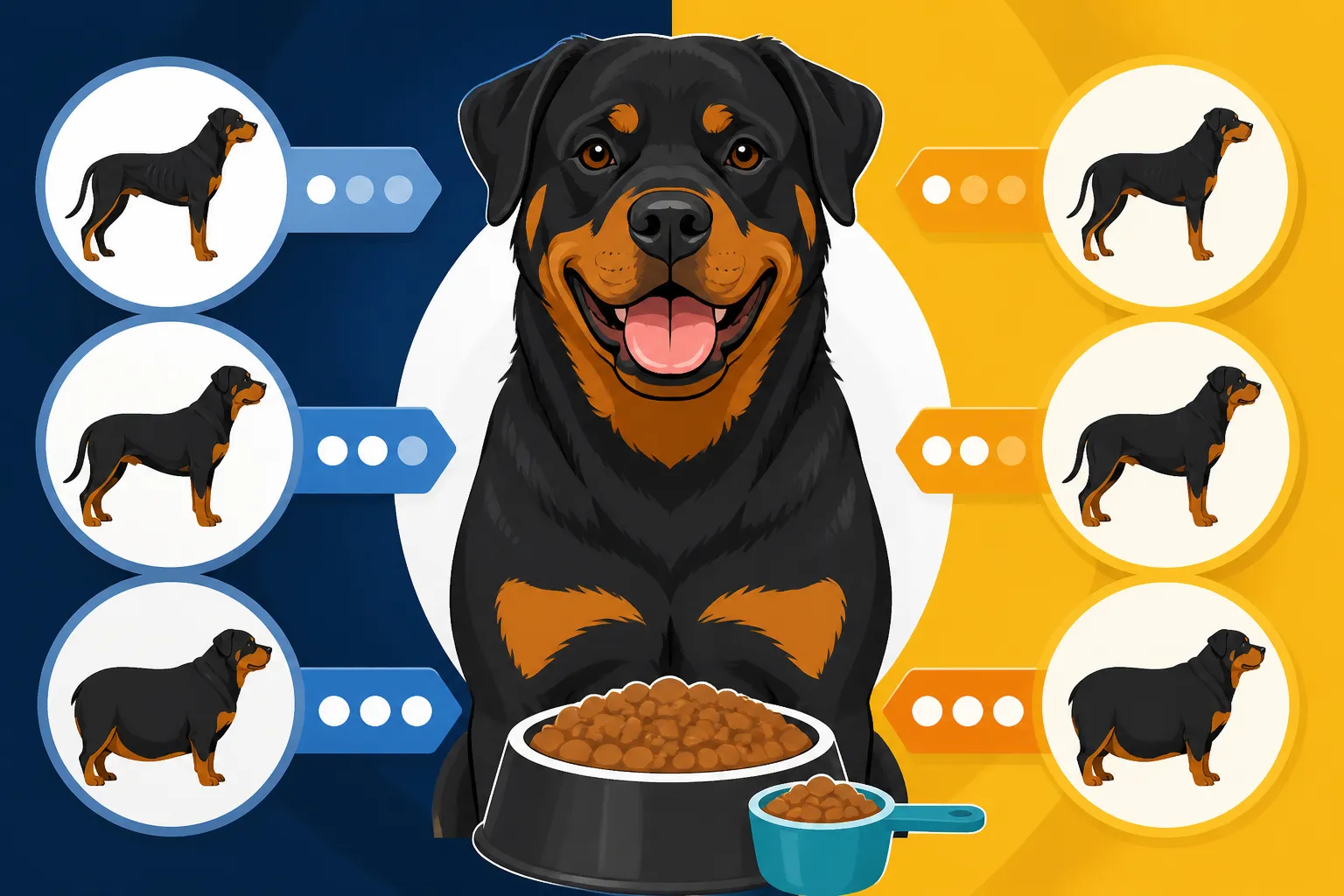
Body Condition Scoring is essentially a standardized system to visually and manually evaluate a dog's body fat. It typically uses a 9-point scale, though sometimes a 5-point scale is also used. On the 9-point scale, a score of 1 is emaciated, 9 is morbidly obese, and the ideal range is usually considered 4 or 5. This system helps you look past the fluff of a thick coat or the deceptive appearance of a large breed, and really get down to what's happening under the skin. It helps you understand if your Rottweiler is at a healthy weight, underweight, or overweight, based on specific physical characteristics you can observe and feel.
Unlike simply weighing your dog, which can be misleading due to differences in muscle mass, bone structure, or even hydration, BCS focuses on the actual fat deposits. It's a hands-on approach that empowers you to be an active participant in your dog's health management, allowing you to make informed adjustments to their diet and exercise routine. Regularly performing a BCS assessment can give you an early warning sign if your Rottweiler is starting to gain or lose too much weight, allowing for timely intervention before it becomes a significant health issue.
How to Assess Your Rottweiler's Body Condition
Assessing your Rottweiler's body condition involves both looking and touching. Don't be shy – get your hands on your dog! They’ll probably enjoy the extra petting anyway.
First, feel for their ribs. Place both hands flat on your Rottweiler’s chest, with your thumbs along their spine and your fingers spread across their rib cage. Gently run your fingers along their sides. In an ideal body condition (BCS 4 or 5), you should be able to easily feel the individual ribs without pressing hard, much like feeling the knuckles on the back of your hand when your palm is flat. If you can see the ribs clearly without touching, or feel them very sharply, your dog might be too thin. If you have to press firmly to feel them, or can't feel them at all, they're likely carrying too much weight.
Next, check their waist. Stand above your Rottweiler and look down at their back. You should see a distinct "tuck" or hourglass shape behind their ribs, before their hips. This indicates a good waistline. Now, kneel down and look at them from the side. You should see an "abdominal tuck," where the belly area gently slopes upward from the rib cage to the hind legs, rather than hanging low. If their body forms a straight line from ribs to hips, or bulges out, that's a sign of excess fat. Conversely, if the tuck is extremely dramatic and sunken, your dog might be underweight.
Finally, examine their spine and hip bones. While you shouldn't see these bones prominently sticking out, you should be able to feel them with minimal pressure. Run your hands along their back and over their hips. If the spine and hip bones are highly visible and sharp to the touch, they are too thin. If they're difficult or impossible to feel due to a thick layer of fat, your Rottweiler is likely overweight. Remember, this isn't about muscle definition, but about the amount of fat covering these bony landmarks. It takes practice, but with regular checks, you'll become an expert at reading your Rottweiler's body.
The Ideal Body Condition: A BCS of 4 or 5
Aiming for that sweet spot of a BCS 4 or 5 is truly the goal for your adult Rottweiler. This ideal condition isn't just about looking good; it's about maximizing their comfort, mobility, and overall health throughout their formidable lifespan. It’s what allows them to move freely, protects their joints, and helps them resist many common health ailments.
What a Lean, Healthy Rottweiler Looks Like
When your adult Rottweiler is at a BCS of 4 or 5, they possess a powerful, athletic build without any unnecessary bulk. From a visual standpoint, when you stand directly over them, you should easily discern a distinct waistline that tapers in behind their rib cage. It’s not an extreme tuck, but a gentle curve that signals a healthy lack of abdominal fat. Looking at them from the side, their abdomen should subtly tuck up towards their hindquarters, rather than hanging low or appearing distended. Their powerful musculature should be evident, contributing to that rectangular, robust silhouette the breed is known for.
On a tactile level, you should be able to feel their ribs quite easily when you run your hands along their chest, much like feeling your knuckles when your hand is open flat. You shouldn't have to press hard to locate them, but at the same time, the ribs should not be visibly prominent or feel sharp and exposed. Similarly, you should be able to palpate their spine and hip bones with gentle pressure, feeling them just beneath the skin and muscle, but they shouldn't protrude. This lean condition is absolutely crucial for a breed of the Rottweiler's size and weight. Every extra pound translates into added stress on their joints, especially the hips and elbows, which are already susceptible to inherited conditions. Maintaining a lean BCS can significantly mitigate this risk and prevent issues like Rottweiler Obesity and the Load It Adds from taking their toll prematurely.
Recognizing a Rottweiler That's Too Thin (BCS 1-3)
While less common than overweight Rottweilers, some individuals can be too thin, falling into a BCS of 1 to 3. A Rottweiler in this range will appear almost angular, with ribs, spine, and hip bones clearly visible even from a distance, without needing to touch them. Their waist tuck will be exceptionally pronounced, almost sunken, and their abdominal tuck will be very severe. Muscle mass might also appear diminished, particularly over their hindquarters and along their spine. Their coat might lose some luster, and they may seem less energetic than usual.
If you suspect your Rottweiler is too thin, it's crucial to consult your veterinarian promptly. While it could simply be a matter of needing more food due to a very high metabolism or increased activity, extreme thinness can also be a symptom of underlying health issues such as dental problems making eating painful, internal parasites, malabsorption disorders, chronic diseases, or even stress. Your vet can perform a thorough examination, run diagnostic tests if necessary, and help you develop a safe and effective plan to help your Rottweiler gain weight in a healthy manner, which might include dietary changes, deworming, or treating an underlying medical condition.
Recognizing a Rottweiler That's Overweight (BCS 6-9)
Unfortunately, an overweight Rottweiler (BCS 6-9) is a much more common sight. In this range, the dog will often appear rounder and bulkier than is healthy. Visually, from above, you'll notice that the distinct waistline has disappeared, replaced by a broad, straight, or even bulging outline. From the side, the abdominal tuck will be absent, and their belly might hang low or even develop a noticeable fat pad. Their strong musculature will be obscured by layers of fat, making them look less athletic and more "stocky" in an unhealthy way.
When you try to feel their ribs, you'll find it difficult or impossible without significant pressure, as a thick layer of fat covers them. Similarly, their spine and hip bones will be hard to palpate. Common causes include simply feeding too much food for their activity level, overindulging in high-calorie treats and table scraps, or insufficient exercise. As Rottweilers age, their metabolism often slows down, making them more prone to weight gain even if their diet hasn't changed, a common issue for Senior Rottweiler Feeding and Mobility. Addressing excess weight is vital to prevent long-term health complications and improve their quality of life.
Adjusting Your Rottweiler's Diet Based on BCS
Once you've accurately assessed your Rottweiler's Body Condition Score, you have the power to make informed dietary adjustments. This isn't about drastic, overnight changes, but rather a thoughtful, gradual approach to bring them to and maintain that ideal BCS of 4 or 5.
The Starting Point: Caloric Needs and Food Choices
To start, you need a baseline. Begin by calculating an estimated daily caloric need for your Rottweiler based on their ideal healthy weight, not necessarily their current weight. There are formulas available online and your vet can also help with this. This calculation gives you a rough target, but remember, it’s just a starting point that you'll fine-tune using BCS. For instance, a very active 100-pound Rottweiler will need significantly more calories than a sedentary one. Understanding Daily Calories for a Hundred Twenty Pound Rottweiler is key here.
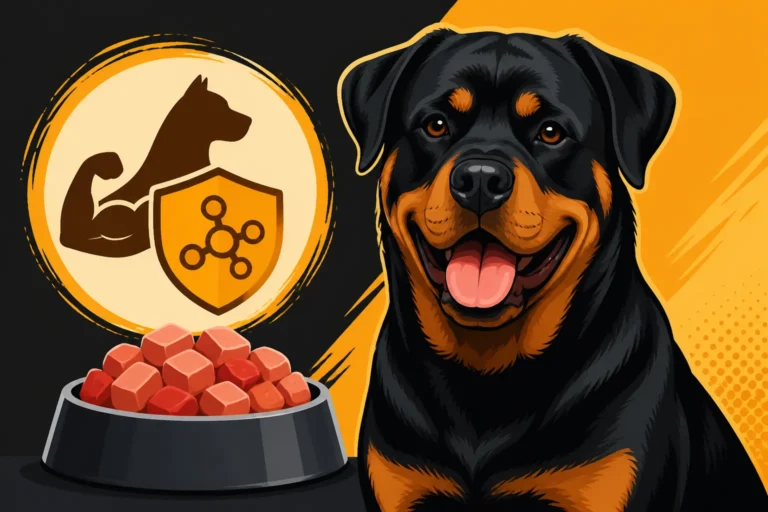
When choosing food, opt for a high-quality adult large breed formula. These foods are specifically designed to support the unique nutritional needs of bigger dogs, often with appropriate protein, fat, and controlled calcium and phosphorus levels. You'll find a vast selection of reputable brands and formulations on platforms like Chewy, which makes it convenient to compare options and read reviews. If you're considering fresh food options, services like Ollie can provide pre-portioned meals tailored to your dog's specific weight and activity, offering a precise way to manage caloric intake. Always check the ingredient list for whole, identifiable protein sources and complex carbohydrates.
Making Gradual Changes to Portions
The golden rule for diet adjustment is gradual change. If your Rottweiler is overweight (BCS 6-9), aim for a reduction of about 10% of their current daily food intake. For example, if they're eating 4 cups a day, reduce it to 3.6 cups. If they're too thin (BCS 1-3), increase their food by a similar 10%. Drastic cuts can be dangerous, leading to nutritional deficiencies or causing your dog to feel constantly hungry, which can lead to begging or scavenging behaviors. Equally, too rapid an increase can cause digestive upset.
Consistency is key. Feed the adjusted portion for 2-4 weeks, then re-evaluate your Rottweiler's BCS. This regular check-in is crucial because every dog responds differently. What works for one Rottweiler might not work for another. Be patient; healthy weight loss or gain is a slow process. Continue to make small, incremental adjustments until you achieve that ideal BCS 4 or 5. Remember, splitting their daily ration into two meals can also help manage hunger and potentially reduce the risk of bloat, as discussed in Cutting a Rottweiler's Ration While Keeping Two Meals.
Incorporating Healthy Treats and Supplements Wisely
Treats are often the silent culprits behind weight gain. While we love to reward our Rottweilers, those extra calories add up fast, especially for a large dog. The best approach is to factor all treats into your Rottweiler’s daily caloric budget. Choose low-calorie options whenever possible. Simple, plain vegetables like baby carrots, green beans, or slices of cucumber can be fantastic, healthy, and low-calorie rewards that most Rottweilers adore. These can be particularly helpful during training sessions where many repetitions require numerous treats.
Supplements, particularly joint support supplements, are often a good idea for Rottweilers, especially as they age or if they've previously been overweight. Ingredients like glucosamine and chondroitin can help support joint health. It's often beneficial to begin Glucosamine Started Early in a Rottweiler. However, always discuss any supplements with your vet before introducing them, to ensure they're appropriate for your specific dog and won't interact negatively with any medications. Platforms like Amazon offer a wide array of low-calorie training treats and joint supplements, making it easy to find products that fit your Rottweiler's needs and help you manage their overall caloric intake effectively.
Beyond Food: Exercise and Lifestyle for Optimal BCS
While diet is paramount in managing your Rottweiler's body condition, it's only one piece of the puzzle. Exercise and a supportive lifestyle are equally vital, creating a holistic approach that ensures not just a healthy weight, but overall well-being. A Rottweiler thrives on activity and mental stimulation, and these play a direct role in their caloric expenditure and muscle maintenance.
Tailoring Exercise to Your Rottweiler's Condition
The type and intensity of exercise your Rottweiler needs will largely depend on their current body condition and age. For an overweight Rottweiler, the key is to start slow and build up gradually. High-impact activities like jumping or long runs should be avoided initially, as they can put excessive strain on already compromised joints. Instead, focus on gentle, consistent activities such as short, leashed walks multiple times a day. Swimming is an excellent low-impact option that builds muscle without stressing joints. The goal is to gradually increase their activity level as they lose weight and their joints feel less burdened. Always observe your dog for signs of fatigue or discomfort, and stop if they show any.
For a lean and healthy Rottweiler, maintaining a regular and appropriate exercise routine is essential to keep them in peak condition. This could include daily walks, playtime in a securely fenced yard, or engaging in activities like obedience training or scent work. As they mature and their growth plates close, you can explore more vigorous activities, but always be mindful of their large breed status and potential for joint issues. Information on Building Adult Rottweiler Fitness Safely emphasizes that consistent, moderate exercise is far better than sporadic, intense bursts. Remember, Rottweilers are not typically marathon runners, but they do enjoy purposeful activity.
Monitoring Progress and Regular Vet Check-ups
Achieving and maintaining an ideal BCS is an ongoing journey, not a one-time fix. Regular monitoring is absolutely essential. Make it a habit to perform a BCS assessment on your Rottweiler every 2-4 weeks, and weigh them monthly at home or at your vet’s office. Keeping a small log of their weight and BCS can help you track trends and make proactive adjustments. If you notice any significant changes or struggles to maintain a healthy weight despite your efforts, it’s time to call your veterinarian.
Regular vet check-ups are invaluable, especially for a large breed. Your vet can provide an objective assessment of your Rottweiler's BCS, offering a professional perspective that might catch subtle changes you miss. They can also rule out any underlying medical conditions that might be affecting your dog's weight, such as thyroid issues or other metabolic disorders. Furthermore, your vet can provide tailored advice on diet and exercise plans, recommend prescription weight management foods if necessary, and ensure your Rottweiler's overall health is on track. This proactive approach, including regular Vet Visit Frequency for a Senior Rottweiler, is the cornerstone of responsible Rottweiler ownership and helps ensure your companion lives their longest, healthiest life by your side.
Body Condition Score Chart for Adult Rottweilers
This table provides a simplified guide for assessing your adult Rottweiler's body condition using a 9-point scale. Aim for a BCS of 4 or 5.
| BCS Score | Visual Description (Look) | Manual Description (Feel) | Nutritional Status | Actions |
|---|---|---|---|---|
| 1 (Emaciated) | Ribs, vertebrae, pelvic bones easily visible from a distance. Obvious loss of muscle mass. Severe abdominal tuck. | No fat palpable. Bones prominent and sharp. | Severely Underweight | URGENT vet consult to rule out illness; gradual increase in high-quality food. |
| 2 (Very Thin) | Ribs, vertebrae, pelvic bones easily visible. Minimal muscle mass. Marked abdominal tuck. | Minimal fat; bones easily palpable. | Underweight | Vet consult; gradual increase in food portion by 10-15%; monitor closely. |
| 3 (Thin) | Ribs easily visible. Top of vertebrae visible. Marked abdominal tuck. | Ribs easily palpable; minimal fat covering. | Slightly Underweight | Gradually increase food portion by 5-10%; re-evaluate BCS in 2-4 weeks. |
| 4 (Ideal/Lean) | Ribs easily palpable with minimal fat covering. Waist easily noted when viewed from above. Abdominal tuck apparent. | Ribs felt easily, like knuckles on a flat hand. Bones felt but not sharp. | IDEAL | Maintain current feeding and exercise plan; regular BCS checks. |
| 5 (Ideal) | Ribs palpable without excess fat covering. Waist observed behind ribs. Abdominal tuck present. | Ribs palpable with slight fat covering. Smooth contour. | IDEAL | Maintain current feeding and exercise plan; regular BCS checks. |
| 6 (Overweight) | Ribs palpable with slight difficulty; fat deposits over lumbar area. Waist discernible but not prominent. | Ribs palpable with moderate pressure; slight fat covering. | Slightly Overweight | Gradually decrease food portion by 5-10%; increase moderate exercise; re-evaluate BCS. |
| 7 (Heavy) | Ribs difficult to palpate due to heavy fat covering. Waist absent or barely visible. Obvious abdominal distension. | Heavy fat covering; ribs felt only with firm pressure. | Overweight | Consult vet; decrease food portion by 10-15%; start consistent, gentle exercise. |
| 8 (Obese) | Large fat deposits over chest, spine, and tail base. Waist completely absent. Obvious abdominal distension; fat on neck/limbs. | Very heavy fat covering; ribs not palpable. Broad, rounded body. | Obese | URGENT vet consult for weight loss plan; prescription diet might be needed; strict exercise regimen. |
| 9 (Morbidly Obese) | Massive fat deposits everywhere. Abdominal distension with no waist or abdominal tuck. | Extremely heavy fat covering; ribs not palpable even with firm pressure. | Severely Obese | URGENT vet consult and aggressive weight management program. High risk of serious health complications. |
Disclaimer
This article is for general informational purposes only and does not constitute professional advice. Laws, prices and regulations vary by location and change over time. Consult a qualified professional for guidance on your specific situation.