Rottweiler Hip Replacement Cost Per Side
The thought of your magnificent Rottweiler struggling with crippling hip pain is heartbreaking, and the reality of potential surgery, especially a total hip replacement, can feel overwhelming not just emotionally, but financially. As devoted Rottweiler owners, we want to give our beloved companions the best chance at a pain-free, active life, but the price tag for such specialized care can be a huge source of anxiety. This comprehensive guide aims to meticulously break down the estimated costs involved in a Rottweiler hip replacement, specifically looking at the expenses per side, from initial diagnostics to crucial post-operative care, helping you prepare for this significant investment in your dog's quality of life.
Understanding the Scope of Rottweiler Hip Replacement
Hip issues are unfortunately a common concern for our large and powerful Rottweilers. When your dog starts showing signs of discomfort, a limp that just won't go away, or a reluctance to jump and play, your mind immediately races to the worst-case scenarios. For many, the journey leads to a diagnosis of hip dysplasia or another degenerative joint disease, and for some, total hip replacement (THR) becomes the beacon of hope for restoring their mobility.
Why Hip Replacement Becomes Necessary for Rottweilers
Hip dysplasia is a genetic condition where the ball and socket of the hip joint don't fit together properly. Instead of smooth gliding, there's grinding and friction, leading to pain, inflammation, and ultimately, debilitating arthritis. While mild cases can often be managed with pain medication, joint supplements, and controlled exercise, for a large and active breed like a Rottweiler, the progression can be severe. Imagine the weight and power of a fully grown Rottweiler constantly stressing an unstable joint – the damage can be extensive and relentless. When conservative treatments like anti-inflammatory drugs, weight management, and physical therapy are no longer sufficient to control your dog's pain and maintain their quality of life, an orthopedic specialist will often recommend surgical intervention. This is particularly true if your Rottweiler is suffering from chronic, severe pain, has significant lameness, or if the degenerative joint disease has advanced to a stage where the joint is effectively non-functional. The goal isn't just to fix the mechanics; it's to alleviate suffering and give them back the joy of movement. Early recognition of issues, often even before two years of age, can sometimes alter the course, but once the damage is severe, drastic measures are sometimes the only answer.
The Different Types of Hip Replacement Surgery
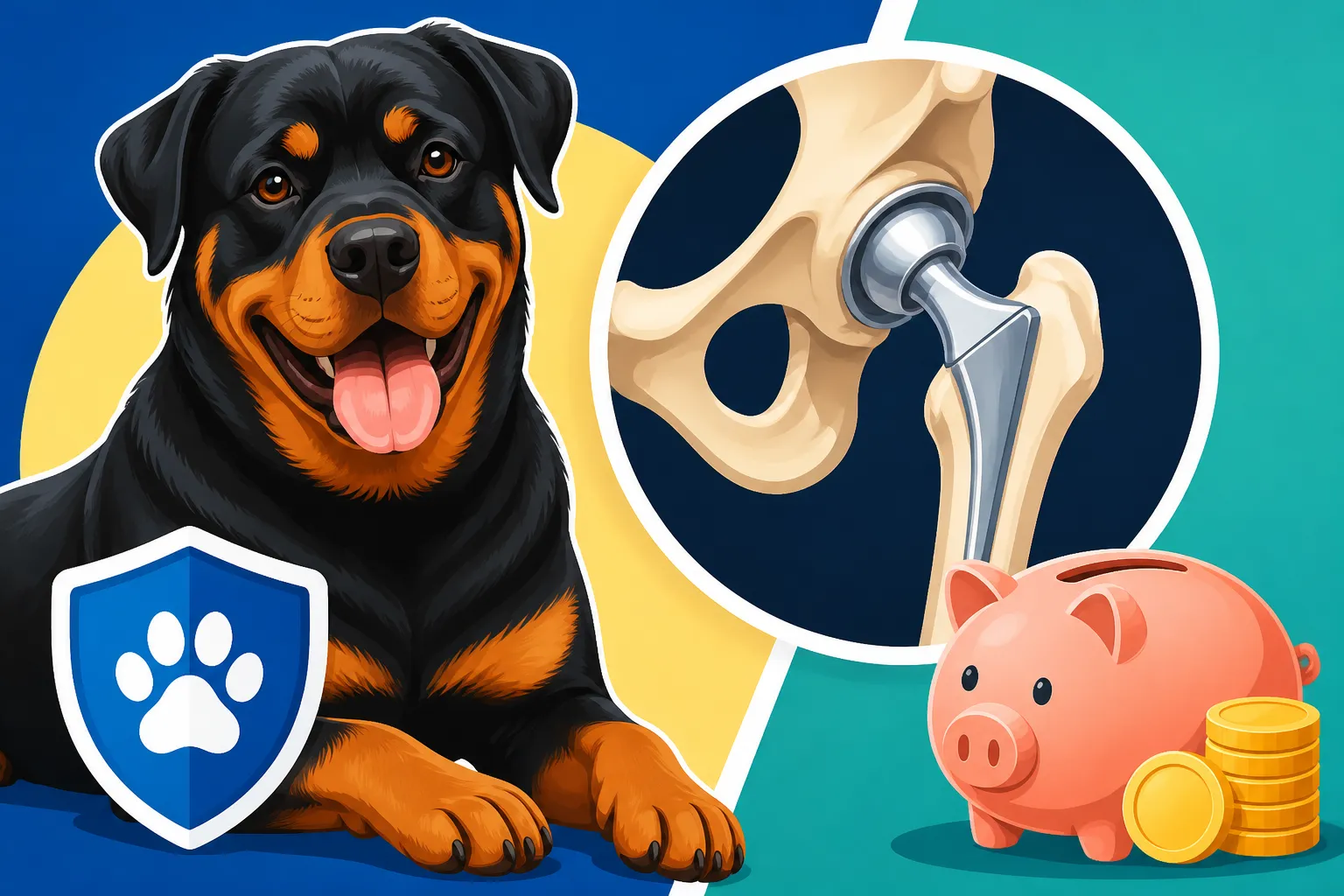
When we talk about hip replacement in a Rottweiler, we're primarily referring to a Total Hip Replacement (THR). This is a highly specialized surgery where the damaged femoral head (the "ball") and acetabulum (the "socket") are completely removed and replaced with artificial prosthetic components. These implants are typically made from medical-grade metal alloys and plastics, designed to mimic the natural joint movement.
There are essentially two scenarios: unilateral and bilateral. Unilateral means only one hip is replaced, while bilateral means both hips are affected and require replacement. Most commonly, only one hip is done at a time, with a significant recovery period before considering the second hip, if necessary. The cost we're discussing today focuses on a single side because even if both hips are replaced, they are effectively two separate, albeit related, surgical procedures. While there's also a Femoral Head Ostectomy (FHO) where the femoral head is removed and scar tissue forms a "false joint," it's generally considered a salvage procedure for smaller dogs or when THR isn't an option due to cost or other factors. For a large, heavy-boned breed like a Rottweiler, a THR offers a much better long-term outcome for restoring full function and comfort, which is why it's usually the preferred method if financially viable. The complexity of fitting robust implants into a Rottweiler's powerful frame requires immense skill and specialized equipment.
Breaking Down the Costs Per Side for a Rottweiler
The sticker price for a total hip replacement can be a gut punch, and it's easy to feel overwhelmed when faced with such a large number. However, understanding what goes into that figure can help you mentally and financially prepare. Remember, this isn't just one fee; it's a culmination of highly specialized medical care, state-of-the-art equipment, and extensive post-operative support. When considering the Rottweiler Hip Dysplasia and the OFA Grade you looked for in a puppy, you were already thinking about preventing such scenarios, but sometimes, despite best efforts, genetics prevail.
Initial Consultations and Diagnostic Fees
Before any surgeon can even consider touching your Rottweiler, a thorough diagnostic workup is essential. This stage is critical for assessing the extent of the damage, identifying any other underlying health issues, and determining if your Rottweiler is a suitable candidate for such a major surgery.
- Specialist Consultation: Your journey will likely begin with a consultation with a board-certified veterinary orthopedic surgeon. These are highly trained specialists, and their initial consultation fee alone can range from $150 to $400, sometimes more in urban centers. They will review your dog's history, perform a comprehensive physical and orthopedic examination, and discuss the potential surgical options.
- Imaging: X-rays are foundational. You'll need high-quality radiographs of the hips and often the lower back to get a complete picture. This isn't just a couple of quick shots; specialized views are required. These can cost anywhere from $200 to $600. Sometimes, a CT scan or MRI may be recommended to provide even more detailed images of the joint structure and surrounding soft tissues, especially if there are complexities. A CT scan alone could add another $1,000 to $2,500.
- Pre-Anesthetic Blood Work and Urinalysis: Before any major surgery, a full blood panel (including complete blood count and chemistry profile) and urinalysis are mandatory to ensure your Rottweiler's organs (kidneys, liver) are functioning properly and that they can safely undergo anesthesia. This usually falls in the $150 to $400 range.
- Cardiologist Consultation: Given that Rottweilers can be predisposed to certain heart conditions, an electrocardiogram (ECG) and potentially an echocardiogram with a veterinary cardiologist might be recommended, especially for older dogs or those with a history of heart murmurs, to further assess anesthetic risk. This adds another $400 to $800 to the diagnostic bill.
All these preliminary steps are non-negotiable and crucial for a successful outcome, ensuring both the correct diagnosis and the safest possible procedure for your big dog.
Surgical Procedure and Hospitalization
This is where the bulk of the cost for a Rottweiler hip replacement per side comes into play. The total figure encompasses not just the surgeon's time but a vast array of resources that go into performing a complex procedure on a large breed.
- Surgeon's Fee: The orthopedic surgeon's fee is a significant portion, reflecting their extensive training, experience, and the intricate nature of the operation. This is rarely separated from the overall cost but is factored in.
- Anesthesia and Monitoring: Anesthesia for a large dog like a Rottweiler is a delicate balance. A dedicated veterinary anesthetist or a highly trained veterinary technician will monitor your dog's vital signs minute-by-minute throughout the surgery. The cost includes the anesthetic drugs, gases, and the sophisticated monitoring equipment used. This component typically ranges from $500 to $1,500, depending on the length of the surgery and the medications used.
- Surgical Team and Operating Room: Beyond the surgeon, a team of veterinary technicians and assistants is involved in preparation, assisting during surgery, and post-operative recovery. The operating room itself is a sterile environment with specialized equipment, and its use is factored into the cost.
- Implants: The artificial hip components – the femoral head, stem, and acetabular cup – are custom-designed for canine anatomy and are incredibly expensive. These advanced prosthetics are a major cost driver, often accounting for $1,500 to $3,000 or more of the "per side" cost. The quality and type of implant can influence this figure.
- Hospitalization: After surgery, your Rottweiler will need several days of intensive care in the veterinary hospital. This includes round-the-clock monitoring, pain management, intravenous fluids, and assistance with mobility. Each day of hospitalization can cost $200 to $600 or more, and your Rottweiler might need 2-5 days depending on their recovery speed and the clinic's protocol.
Considering all these factors, a unilateral (one-sided) total hip replacement for a Rottweiler typically ranges from $5,000 to $9,000 per hip. This figure can fluctuate based on your geographic location (e.g., costs in a major metropolitan area like New York City or Los Angeles will likely be higher than in a rural setting), the specific veterinary specialty hospital, and the complexity of your dog's individual case. If your Rottweiler requires a bilateral hip replacement, you're essentially looking at this cost per side, which means the total can easily reach $10,000 to $18,000, though sometimes a small discount might be applied for simultaneous procedures.
Post-Operative Care and Rehabilitation
The surgery itself is only half the battle; the recovery period and rehabilitation are equally critical for a successful long-term outcome. This phase also carries its own set of costs.
- Medications: Your Rottweiler will be sent home with a regimen of pain medications, anti-inflammatories, and sometimes antibiotics. This initial round of medications might cost $100 to $300, with ongoing prescriptions if needed.
- Follow-up Vet Visits and X-rays: You'll have several follow-up appointments with the orthopedic surgeon to monitor healing, check the incision, and ensure the implant is stable. These visits often include follow-up X-rays to confirm proper alignment and integration of the prosthesis. Expect these visits and imaging to add another $300 to $800 over the first few months.
- Physical Therapy: This is a non-negotiable aspect of recovery for a large breed like a Rottweiler undergoing THR. Structured rehabilitation, often including hydrotherapy, therapeutic exercises, and laser therapy, is crucial for rebuilding muscle, restoring range of motion, and preventing compensatory injuries. A typical course of physical therapy can involve 1-3 sessions per week for several months. Each session can cost $75 to $200. Over a 3-6 month period, this can easily add $1,000 to $4,000 to your total expenses. It's an investment, but one that directly impacts the success of the surgery and your dog's long-term comfort, just as Physical Therapy After Rottweiler Joint Surgery is vital for many orthopedic procedures.
- Long-term Joint Support: Even after full recovery, many Rottweiler owners opt for ongoing joint supplements to support the remaining natural joints and overall orthopedic health. Brands like Nutramax's Dasuquin or Cosequin are popular choices. These can run $50-$100 per month. You might also consider specialized joint-supportive diets, which can be found at retailers like Chewy or through fresh food delivery services like Ollie.
- Specialized Equipment: You might need a harness to assist with mobility, orthopedic bedding, or ramps to help your Rottweiler get into and out of vehicles or onto furniture without stressing the new hip. These are smaller costs but can add up to a few hundred dollars.
Financial Planning and Support for Rottweiler Hip Surgery
The costs associated with a Rottweiler hip replacement are significant, no doubt about it. It's a huge financial undertaking, and many owners find themselves scrambling to figure out how to make it work. The good news is that there are avenues to explore that can help soften the blow.
The Role of Pet Insurance
Pet insurance can be an absolute lifesaver when facing a major surgery like a hip replacement, but there's a huge caveat: pre-existing conditions. Most pet insurance policies, including those from providers like Healthy Paws, will not cover conditions that were diagnosed or showed symptoms before your policy's waiting period ended. This means if your Rottweiler already has a diagnosis of hip dysplasia, or even exhibits symptoms like a slight limp, before you enroll and complete the waiting period, hip replacement for that hip will likely be considered a pre-existing condition and therefore not covered.
This underscores the critical importance of enrolling your Rottweiler in pet insurance when they are a young puppy, ideally before 16 weeks of age. This way, you establish coverage before common orthopedic issues like hip dysplasia have a chance to manifest or be formally diagnosed. Policies often have deductibles (what you pay before insurance kicks in), reimbursement rates (e.g., 70%, 80%, 90% of the covered cost), and annual limits. Understanding these terms is crucial. Even with insurance, you'll still be responsible for a portion of the bill, but it can turn a $9,000 expense into a much more manageable $900-$2,700 (assuming a $500 deductible and 80-90% reimbursement, after the deductible). Given that Rottweiler Pet Insurance and the $204 Average can seem high monthly, it pales in comparison to a surgery bill of this magnitude. It's vital to choose a plan with robust coverage for orthopedic issues and a high annual limit.
Alternative Funding Options and Cost-Saving Strategies
If pet insurance isn't an option or doesn't cover enough, don't despair. There are other avenues you can explore:
- Veterinary Payment Plans: Some veterinary specialty hospitals offer in-house payment plans, though these are rare for such large sums. More commonly, third-party financing options like CareCredit or Scratchpay allow you to pay for veterinary bills in installments, often with deferred interest if paid within a certain period.
- Veterinary Schools: University veterinary teaching hospitals often perform advanced surgeries like THR. While they maintain the highest standards of care and expertise, their costs can sometimes be slightly lower than private specialty clinics, or they may offer more options for payment plans or research studies that could assist with costs.
- Breed-Specific Rescue Groups: If you adopted your Rottweiler from a rescue, or even if you didn't, some breed-specific rescue organizations have funds or can provide guidance on financial aid for serious medical conditions. They are deeply invested in the well-being of the breed.
- Crowdfunding: Platforms like GoFundMe or other social media fundraising can be incredibly effective. Sharing your Rottweiler's story and the need for surgery can rally support from friends, family, and even sympathetic strangers.
- Savings: For many owners, this means dipping into emergency savings or even taking out a personal loan. While not ideal, the prospect of relieving your dog's chronic pain often outweighs the financial strain. Preparing for potential major Rottweiler Surgery Costs From Bloat to Bone Cancer is something every owner of a large breed should consider, perhaps by maintaining a dedicated pet emergency fund.
Here’s a simplified breakdown of potential costs for a single hip replacement:
| Cost Category | Estimated Range (Per Side) | Notes |
|---|---|---|
| Initial Orthopedic Consultation | $150 – $400 | Board-certified specialist fee. |
| Diagnostics (X-rays, Bloodwork) | $350 – $1,100 | Includes comprehensive X-rays, blood panel, urinalysis; may include CT/cardiac consult. |
| Surgical Procedure | $3,500 – $6,000 | Surgeon's fee, anesthesia, surgical team, operating room, medications during surgery. |
| Prosthetic Implants | $1,500 – $3,000 | Cost of the artificial hip components. |
| Hospitalization (2-5 days) | $400 – $1,500 | Post-op recovery, monitoring, pain management, IV fluids. |
| Post-Op Medications | $100 – $300 | Take-home pain relievers, anti-inflammatories. |
| Follow-up Visits & X-rays | $300 – $800 | Multiple rechecks over several months. |
| Physical Rehabilitation | $1,000 – $4,000 | 3-6 months of sessions, crucial for recovery. |
| TOTAL ESTIMATED COST | $7,300 – $17,100+ | This is a broad range; actual costs vary significantly by location and specific clinic. |
Ultimately, the decision to proceed with a Rottweiler hip replacement is deeply personal, balancing your dog's quality of life against the significant financial and emotional investment. But with careful planning, understanding of the costs, and exploring all available options, you can give your cherished companion the best chance at a pain-free, happy future. Ensuring your Rottweiler's health from puppyhood, including understanding the genetic predispositions and getting all The Five Clearances a Rottweiler Breeder Must Have, is the best preventative step, but when surgery becomes necessary, being prepared is key.
Disclaimer
This article is for general informational purposes only and does not constitute professional advice. Laws, prices and regulations vary by location and change over time. Consult a qualified professional for guidance on your specific situation.