Rottweiler Cardiac Workup Costs
It’s a truly frightening moment when your vet suggests a cardiac workup for your beloved Rottweiler. The immediate worries about their health are usually quickly followed by a knot in your stomach thinking about the potential costs. After all, big dogs often mean big bills, and heart conditions sound incredibly serious. This guide is here to shed light on what a Rottweiler cardiac workup entails and, crucially, what you can expect to pay for it, helping you navigate this stressful situation with more information and less anxiety.
Understanding Rottweiler Heart Health Risks
Let's be real, bringing a Rottweiler into your life means understanding they come with their own unique set of health predispositions, and heart issues are unfortunately on that list. It’s not about fear-mongering, but about being prepared and proactive for the well-being of these magnificent, powerful dogs. When a vet brings up a cardiac workup, it’s usually because they’ve heard something concerning during a routine check-up or observed symptoms that point to a potential heart problem.
Subaortic Stenosis in Rottweiler Puppies
One of the most common and devastating heart conditions we see in Rottweilers, especially when they're young, is Subaortic Stenosis, often abbreviated as SAS. This is a congenital condition, meaning a puppy is born with it, and it affects the area just below the aortic valve, restricting blood flow out of the heart. Imagine trying to push water through a hose that's been partially kinked – that's essentially what SAS does to blood flow. When your vet first listens to your Rottweiler puppy’s heart, they are specifically listening for murmurs. A murmur, which is just an abnormal swooshing sound, can sometimes indicate SAS.
The presence of a murmur doesn't automatically mean your puppy has a severe case, but it absolutely warrants further investigation. It’s a classic example of why early detection is so critical. Breeders should be actively screening their breeding dogs for this condition, and you should always ask to see the parents' cardiac clearance paperwork. If you’ve just brought home a puppy and the vet detects a murmur, the thought of potential heart disease can be overwhelming. But remember, catching it early allows for proper management and understanding of the prognosis. You can learn more about this specific concern in our detailed post on Subaortic Stenosis in Rottweiler Puppies.
Dilated Cardiomyopathy in Adult Rottweilers
While SAS is typically a puppy concern, adult Rottweilers can face another serious heart condition: Dilated Cardiomyopathy, or DCM. This is a progressive disease where the heart muscle becomes thin and weakened, leading to an enlarged heart that struggles to pump blood effectively. It’s a heartbreaking diagnosis because it often progresses quietly until symptoms become more pronounced, sometimes suddenly. Imagine your heart as a robust pump, now gradually losing its strength, becoming flabby and inefficient.
Symptoms can include lethargy, exercise intolerance (they might get winded much faster than usual during play or walks), coughing, or even episodes of collapse. These are all signs that should send you straight to the vet. DCM is particularly prevalent in certain large breeds, and Rottweilers are unfortunately one of them. While there's no cure, early diagnosis and management with medication can significantly improve their quality of life and potentially extend their time with you. It’s another reason why regular vet check-ups are so important, even if your adult Rottweiler seems perfectly healthy on the surface. Understanding Dilated Cardiomyopathy in a Rottweiler can help you recognize subtle signs.
Components of a Comprehensive Cardiac Workup
When your vet recommends a cardiac workup, they're not just guessing; they're looking to gather concrete evidence to understand what's happening inside your Rottweiler's chest. This isn't a single "heart test" but rather a series of diagnostic tools, each providing a different piece of the puzzle. It can feel like a lot of appointments and procedures, but each step is vital for an accurate diagnosis and the best possible treatment plan.
Initial Physical Exam and Auscultation
The very first step, and often the trigger for further investigation, is the physical examination, specifically auscultation – which is just a fancy word for listening to the heart with a stethoscope. Every time your Rottweiler goes to the vet, they'll listen to their heart. What they’re listening for is the rhythm and the presence of any unusual sounds, like a heart murmur.
A healthy heart makes a distinct "lub-dub" sound. A murmur, on the other hand, sounds more like a "whoosh" or a "swish" and indicates turbulent blood flow. The vet will note where they hear the murmur loudest, its intensity (graded from 1 to 6), and whether it's heard on both sides of the chest. This initial finding, coupled with any symptoms you might have noticed at home, is what usually prompts the recommendation for a more specialized cardiac workup. Don't underestimate the importance of this initial step; a skilled vet can pick up on subtle cues that point to significant underlying issues. Our post on How Vets Grade a Rottweiler Heart Murmur offers more insight into this process.
Electrocardiogram (ECG/EKG)
Once a murmur is detected, or if symptoms suggest an arrhythmia (irregular heartbeat), an electrocardiogram (ECG or EKG) is often the next step. This non-invasive test measures the electrical activity of the heart, recording it as a wavy line on a strip of paper. It’s essentially capturing the electrical impulses that make your Rottweiler's heart beat.
The process is usually quite straightforward: small electrodes are clipped onto your Rottweiler's skin, usually on their legs and chest, and connected to the ECG machine. It doesn't hurt at all, and most dogs tolerate it very well, often just lying calmly. The vet or technician will often take several minutes of readings. The ECG helps detect abnormal heart rhythms (arrhythmias), which can be a sign of underlying heart disease or a concern in themselves. It can also give clues about the size of the heart chambers, though an echocardiogram is much more precise for that. It’s a crucial tool for assessing the heart's electrical health.
Echocardiogram
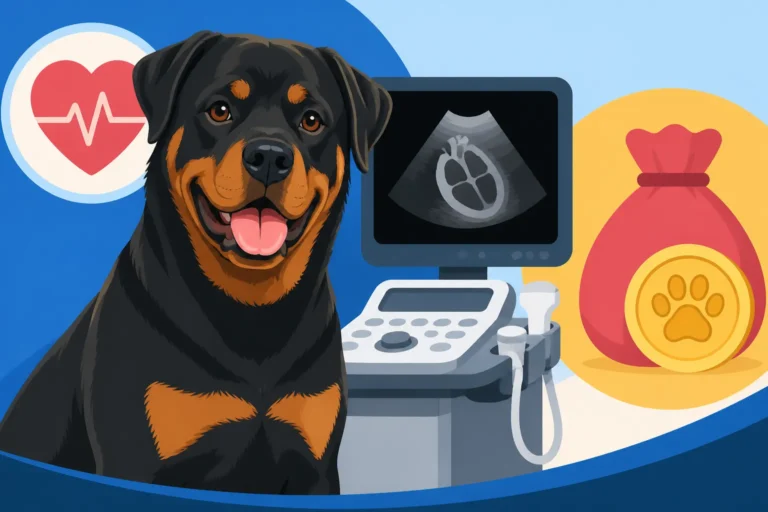
If a heart murmur is persistent, concerning, or if the ECG shows arrhythmias, the vet will almost certainly recommend an echocardiogram. This is by far the most informative and critical diagnostic tool for assessing heart health, particularly for Rottweilers. An echocardiogram is essentially an ultrasound of the heart. It uses sound waves to create real-time moving images of your Rottweiler's heart structure, its valves, and how blood flows through it.
During an echocardiogram, your Rottweiler will typically lie on a padded table with a small area on their chest shaved (or sometimes just parted) to allow for good contact with the ultrasound probe. They usually need to be very still, so sometimes a mild sedative might be used, though many Rottweilers are calm enough with just gentle restraint. A veterinary cardiologist, who specializes in heart conditions, usually performs and interprets this test. They can measure chamber sizes, assess valve function, look for shunts, identify any blockages (like in SAS), and evaluate the contractility of the heart muscle (crucial for DCM diagnosis). This test provides an incredible amount of detail, allowing the cardiologist to accurately diagnose the specific type and severity of heart disease. It's often referred to as the "gold standard" for cardiac diagnosis in dogs. Knowing about The Rottweiler Echocardiogram at Two Years Old can help you prepare for this important test.
Typical Costs for Each Cardiac Test
Now, let's talk about the numbers. It’s important to understand that these are general ranges, and actual costs can vary significantly based on your location, the type of veterinary practice, and whether a specialist is involved. However, having a ballpark figure can help you prepare for these potential expenses. Nobody wants to be blindsided by a vet bill, especially when your dog’s health is on the line.
Initial Vet Consultation and Murmur Detection
The first step, detecting a murmur or observing symptoms, usually happens during a regular veterinary check-up. The cost for a general vet consultation can range from $60 to $150. If your regular vet hears a murmur and needs to spend extra time explaining the next steps, performing a basic ECG in-house, or setting up a referral, this might add a little more to the initial visit.
However, the detection itself is part of a routine examination, so you might not see an "extra" charge for "murmur detection." The real cost comes when further diagnostics are recommended. It's the moment you hear that "whoosh" from the stethoscope that the financial clock for advanced cardiac care often starts ticking.
ECG Pricing Ranges
If an ECG (electrocardiogram) is performed, either by your general vet or as part of an initial workup with a cardiologist, you can expect the cost to be somewhere between $75 and $250. This range accounts for whether it’s a quick, in-house screen by a general practitioner or a more comprehensive reading by a specialist or a technician under a specialist's guidance.
Sometimes, if your regular vet has the equipment, they might do a quick ECG to see if there are any obvious arrhythmias before referring you to a specialist. However, a full, diagnostic quality ECG that a cardiologist can confidently interpret often costs more due to the specialized equipment and expertise involved.
Echocardiogram Costs by Region
The echocardiogram is typically the most expensive part of the cardiac workup due to the specialized equipment, the time it takes, and the expertise of a board-certified veterinary cardiologist. These costs can vary widely depending on where you live. In some rural areas or smaller cities, you might find an echocardiogram performed by a traveling cardiologist for around $400 to $700. However, in major metropolitan areas, at university veterinary hospitals, or with highly sought-after specialists, the cost can easily climb to $800, $1,200, or even upwards of $1,500.
It's a significant investment, but it provides unparalleled detail about your Rottweiler's heart. It's during this procedure that conditions like severe SAS or DCM are confirmed and their severity assessed. Often, this cost includes the cardiologist's consultation fee, the actual procedure, and the interpretation of the results. When comparing costs, always ask what is included in the "echocardiogram" price.
Here's a simplified table of typical cardiac workup costs:
| Procedure/Test | General Cost Range (USD) | Notes |
|---|---|---|
| Initial Vet Consultation | $60 – $150 | Routine exam where murmur may be detected. |
| Electrocardiogram (ECG/EKG) | $75 – $250 | Checks electrical activity, detects arrhythmias. |
| Echocardiogram (Heart Ultrasound) | $400 – $1500+ | Detailed structural and functional assessment, usually by specialist. |
| Blood Pressure Measurement | $20 – $50 | Often included in a comprehensive workup. |
| Chest X-rays (Two Views) | $150 – $300 | Checks for fluid in lungs, heart size/shape, lung disease. |
| Basic Bloodwork (CBC/Chemistry) | $100 – $250 | Rules out other systemic issues, assesses overall health. |
| BNP/ProBNP Blood Test (Cardiac Biomarker) | $100 – $200 | Specific test for heart muscle stretch/damage. |
Please note: These are estimates. Always get a detailed quote from your veterinary clinic or specialist.
Factors Influencing Cardiac Workup Costs
It’s never a simple, flat fee when it comes to specialized veterinary care, and cardiac workups are no exception. Several variables can significantly swing the final bill, which is why it's so important to understand them beforehand and ask detailed questions when you're making appointments.
Geographic Location and Clinic Type
Just like human healthcare, the cost of veterinary services, especially specialized ones, can vary dramatically based on your geographic location. A cardiac workup in a small town in, say, rural Iowa, is likely to be considerably less expensive than the same exact set of tests in a bustling city like New York or Los Angeles. The cost of living, overhead for the clinic, and local demand for specialists all play a role in setting these prices.
Furthermore, the type of clinic makes a difference. A general veterinary practice might charge less for the initial consultation or basic diagnostics like X-rays or a simple ECG. However, if they have to refer you to a veterinary specialty hospital or a university teaching hospital, those institutions typically have higher fees due to their advanced equipment, 24/7 staffing, and the concentration of board-certified specialists. While these specialist centers are more expensive, they also offer the highest level of expertise and often have the most up-to-date diagnostic tools.
Specialist Versus General Practitioner
This is a major factor in the cost equation. While your general veterinarian is invaluable and often the first point of contact, complex heart issues usually require the expertise of a board-certified veterinary cardiologist. These are vets who have completed years of additional training (a residency) specifically in cardiology and have passed rigorous examinations to become specialists.
When a cardiologist performs an echocardiogram and interprets the results, you are paying not just for the equipment use, but for their extensive knowledge and experience in diagnosing and managing intricate heart conditions. A general vet might be able to identify a murmur and perform an ECG, but a cardiologist can pinpoint the exact issue, measure heart function with precision, and formulate a comprehensive, long-term treatment plan. While the initial specialist consultation fee and the cost of their specialized diagnostics are higher, their expertise can lead to a more accurate diagnosis faster, potentially saving money on incorrect treatments down the line. It's often worth the investment to have a specialist review your Rottweiler's heart health. For critical decisions, it's always advisable Why a Cardiologist Should Read a Rottweiler Heart.
Additional Diagnostic Tests
A cardiac workup isn't always just the "big three" (exam, ECG, echo). Depending on your Rottweiler's symptoms and the initial findings, the cardiologist might recommend additional tests to get a complete picture. These can add to the overall cost.
For example, chest X-rays are often taken to assess the size and shape of the heart, look for fluid in or around the lungs (a sign of congestive heart failure), or rule out other lung diseases. Blood tests are also common. These might include a complete blood count (CBC) and a chemistry panel to check overall organ function, as heart disease can impact kidneys or other systems. More specific blood tests, like a cardiac biomarker test (e.g., proBNP), can indicate how much the heart muscle is stretching or stressed, providing another piece of diagnostic information. Some cases might even require a Holter monitor (a 24-hour ECG recording) if arrhythmias are intermittent and not caught during a short ECG. Each of these additional tests will naturally contribute to the final cost of the comprehensive workup.
Managing and Mitigating Cardiac Care Expenses
Hearing about these costs can be daunting, but there are proactive steps you can take to manage and potentially reduce the financial burden of a Rottweiler's cardiac care. Planning ahead and knowing your options can make a world of difference when facing unexpected health challenges.
The Role of Pet Insurance
Pet insurance can be an absolute lifesaver, especially for breeds known for certain health conditions like Rottweilers. While it won't cover pre-existing conditions (meaning if your Rottweiler is already diagnosed with a heart condition, that specific condition likely won't be covered), enrolling your Rottweiler when they are young and healthy is crucial. Many pet insurance plans, like those offered by Healthy Paws, cover a significant portion of diagnostic tests, specialist visits, medications, and even emergency care for new conditions that arise after enrollment.
Imagine you've had a policy for a few years, and suddenly your adult Rottweiler develops DCM. With good insurance, a large percentage of those echocardiogram costs, subsequent medication, and follow-up visits could be reimbursed. Premiums vary based on your dog's age, breed, and your chosen deductible and reimbursement level, but it’s an investment that can truly pay off. Always read the policy details carefully to understand what's covered and what isn't, especially regarding hereditary and congenital conditions if you enroll early. You can explore typical costs and benefits in our article, Rottweiler Pet Insurance and the $204 Average. Remember, if a murmur is already detected, it might be considered pre-existing, so timing your enrollment is critical.
Proactive Budgeting and Savings
Even with pet insurance, there will be deductibles, co-pays, and potentially some treatments not fully covered. This is where proactive budgeting and having an emergency fund specifically for your Rottweiler comes in. Setting aside a dedicated amount each month, even if it's just $50 or $100, into a separate savings account can build up a significant cushion over time.
Think of it as your "Rottie Health Fund." This fund can then be used to cover those deductibles, unexpected emergency vet bills (like for Emergency Vet Bills a Rottweiler Owner Should Expect), or specialized treatments that might be partially covered or not covered by insurance. It provides peace of mind knowing that if an expensive cardiac workup is needed, you won't have to make tough decisions based solely on finances. Many owners also find ways to save on everyday supplies; places like Chewy offer bulk discounts on food and treats, which can free up a little extra for that emergency fund.
Utilizing Vet Payment Plans and Financial Aid
If you find yourself facing a substantial bill for a cardiac workup and you don't have insurance or sufficient savings, don't despair. Many veterinary clinics and specialty hospitals understand the financial strain and offer payment plans. These might involve paying a portion upfront and then making monthly installments. It never hurts to ask your vet's office what options they provide.
Beyond in-house payment plans, there are third-party credit options like CareCredit, which works like a credit card specifically for healthcare expenses, often offering interest-free periods if the balance is paid within a certain timeframe. Additionally, various non-profit organizations offer financial assistance for pet owners who need help covering vet bills, particularly for life-saving treatments. Websites like The Pet Fund, RedRover, or breed-specific rescues often have resources or can point you to organizations that help with specialized care. Never hesitate to discuss your financial concerns openly with your veterinary team; they are often your best advocates in finding solutions.
What Happens After a Diagnosis?
Getting a clear diagnosis from a cardiac workup is a huge step, but it's often just the beginning of the journey. Once you know what kind of heart condition your Rottweiler has and its severity, the focus shifts to management and long-term care. This phase also comes with its own set of ongoing costs, which are important to factor into your long-term budget.
Medication and Ongoing Management
For many heart conditions like SAS (especially if surgery isn't an option or is too risky) or DCM, medication becomes a cornerstone of treatment. These medications aim to improve heart function, control arrhythmias, reduce fluid buildup, and manage symptoms. Your Rottweiler might be on diuretics, ACE inhibitors, beta-blockers, or other cardiac drugs, often in combination.
These medications are typically prescribed for the remainder of your dog's life, and the cost can add up. Depending on the size of your Rottweiler and the specific drugs needed, monthly medication costs could range from $50 to $300 or more. Some owners find that online pharmacies or larger pet supply retailers, like Chewy, can offer more competitive pricing for long-term prescriptions compared to purchasing directly from the vet. Your vet will also advise on dietary changes, perhaps a low-sodium prescription diet, which also adds to ongoing costs but is critical for heart health. You can find more information about these specifics in our post on Medication for a Rottweiler in Heart Failure.
Follow-Up Diagnostics
A cardiac diagnosis isn't a "one and done" situation. Your Rottweiler will require regular follow-up appointments and diagnostics to monitor the progression of the disease and adjust medication as needed. This typically includes repeat physical exams, blood pressure checks, and often repeat chest X-rays to check for fluid in the lungs, usually every 3-6 months.
Crucially, repeat echocardiograms will also be necessary, perhaps annually or bi-annually, to assess how the heart is responding to treatment and if the disease has progressed. These follow-up echocardiograms will incur similar costs to the initial one, though sometimes at a slightly reduced rate for established patients. Blood tests to monitor kidney function (as some heart medications can impact kidneys) are also standard. These ongoing diagnostic costs are vital for keeping your Rottweiler as comfortable and healthy as possible for as long as possible, and they should be a major consideration in your long-term financial planning. Understanding Exercise Limits for a Rottweiler With Heart Disease is also crucial for their daily care.
Lifestyle Adjustments and Quality of Life
Beyond medications and diagnostics, a heart condition diagnosis often necessitates significant lifestyle adjustments for your Rottweiler. This might mean reducing strenuous exercise, avoiding excessive heat or cold, and managing stress levels. You might need to invest in special orthopedic beds, elevated feeders (like some available from Ollie if you're exploring fresh food options for health), or mobility aids as the disease progresses and impacts their overall vitality.
The goal, always, is to maintain your Rottweiler's quality of life for as long as possible. This includes constant vigilance for any worsening symptoms and a willingness to adapt their routine and environment to support their compromised heart. These lifestyle changes, while not directly "costs" in the same way a vet bill is, represent an investment of time, attention, and a shift in how you plan your daily life with your beloved companion. Preparing yourself for Senior Rottweiler Care After the Age of Seven often means considering similar adjustments.
Disclaimer
This article is for general informational purposes only and does not constitute professional advice. Laws, prices and regulations vary by location and change over time. Consult a qualified professional for guidance on your specific situation.