Rottweiler Guarding That Needs a Behaviorist
It’s a heart-wrenching situation when your beloved Rottweiler, bred with a natural instinct to protect, starts exhibiting guarding behaviors that become overwhelming, dangerous, or simply unmanageable. What was once a subtle alert can escalate into aggressive displays over food, toys, or even family members, leaving you feeling frustrated, anxious, and unsure of how to proceed. This guide will walk you through recognizing when your Rottweiler’s guarding instinct crosses the line into problematic behavior, understanding why it happens, and crucially, when it’s time to call in a professional behaviorist to get things back on track.
What Rottweiler Guarding Looks Like When It's a Problem Beyond Normal Instinct
Rottweilers were originally bred to guard cattle and butcher’s money in the town of Rottweil, Germany. This deep-seated guarding instinct is part of their charm and utility, but it also means they have a natural propensity to protect resources. The key is understanding when this natural tendency becomes problematic. A Rottweiler alertly watching a stranger from a distance is one thing; a Rottweiler growling or snapping at you for approaching its dinner bowl is another entirely.
Distinguishing Normal Guarding from Problematic Resource Guarding
Normal guarding behaviors might manifest as your Rottweiler barking at someone at the door, or perhaps subtly placing their body between you and a perceived threat. They might keep a watchful eye on their favorite chew toy, but if you ask them to "drop it," they do so without issue. These are often signs of a confident, secure dog aware of its surroundings and its role. It's about communication, not confrontation.
Problematic resource guarding, on the other hand, involves a dog actively defending an item, space, or even a person, with escalating levels of aggression. This could start subtly with a stiffening body or a hard stare, progress to a low growl, then a snarl, a snap, and in severe cases, a bite. The "resource" could be anything from their food bowl, a high-value chew, a spot on the couch, or even a specific family member they perceive as "theirs" to protect. It's a refusal to share, often driven by a deep insecurity that manifests as a need to control. This is the point where you might be saying to yourself, "This isn't just protecting; this is genuinely hostile," and that feeling is a valid concern. You might find yourself walking on eggshells around your own dog, which is no way to live. For a deeper dive into this, you can explore Rottweiler Resource Guarding at Home.
Recognizing the Signs of Escalating Territorial or Personal Guarding
Territorial guarding extends beyond specific items to spaces. Your Rottweiler might become overly protective of the yard, the house, or even a particular room. They might prevent visitors from entering certain areas, or react aggressively when someone approaches "their" car. This isn't just a courtesy bark; it's a determined effort to keep someone out, often accompanied by intense barking, lunging, and even nipping.
Personal guarding, where a Rottweiler guards a specific person, can be particularly tricky because it might initially feel like loyalty. However, if your dog growls at your spouse for hugging you, or snaps at a friend who tries to sit next to you on the sofa, that’s not loyalty – it’s a dangerous form of possession. The dog views that person as its resource to control and protect from others, even from innocent interaction. This behavior isolates the guarded person and can lead to serious incidents. It can be incredibly confusing and upsetting, especially when the dog is otherwise affectionate with the person they are guarding. You might notice subtle signs first, like a Rottweiler inserting itself between you and another person, a stiffening of the body, or a low rumble that goes unnoticed by others but makes you acutely aware of the tension. Pay attention to those early warnings, as they are often precursors to more explicit aggression.
Here’s a quick overview of how to distinguish between normal and problematic guarding:
| Behavior Aspect | Normal Guarding | Problematic Guarding (Red Flag) |
|---|---|---|
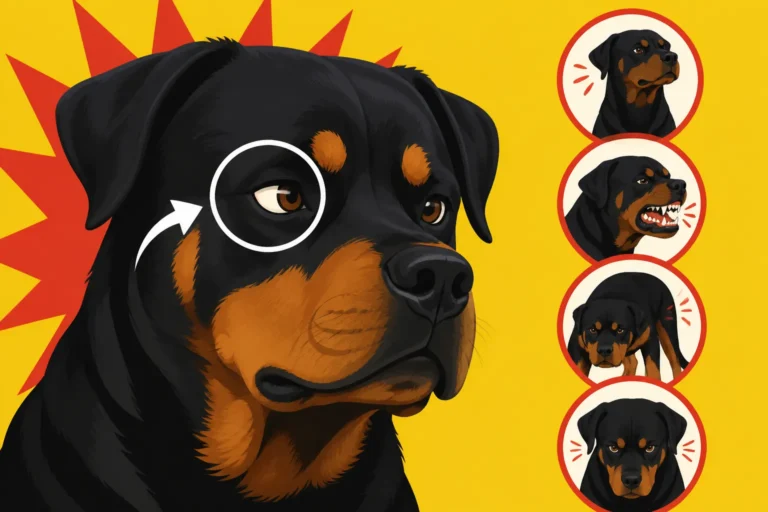
| Body Language | Alert, attentive, possibly a relaxed stance | Stiff, frozen, hard stare, "whale eye," growling, raised hackles |
| Response to Approach | Observes, may bark once or twice, allows access | Blocks access, growls, snarls, snaps, lunges, bites |
| Resource Focus | Property, general surroundings, specific high-value items when challenged | Any item, space, person, even low-value items, regardless of challenge |
| Owner Interaction | Responds to commands (e.g., "leave it," "drop it") | Ignores commands, increases aggression when challenged by owner |
| Motivation | Awareness, communication, territorial instinct (manageable) | Fear, insecurity, possessiveness, control (unmanageable risk) |
| Risk Level | Low, manageable with consistent training | High, potential for injury to people or other animals |
Why Guarding Can Escalate: Understanding the Roots of Problem Behavior
When guarding behaviors intensify and become dangerous, it's rarely a sudden shift. Often, it's a gradual escalation fueled by underlying factors and unintentional reinforcement. It's easy to misunderstand a Rottweiler's communication, or to inadvertently make the problem worse through our own reactions.
The Role of Fear, Anxiety, and Insecurity in Guarding Behaviors
Many people assume aggression stems from dominance, especially in large, powerful breeds like Rottweilers. However, a significant portion of guarding aggression is rooted in fear, anxiety, and insecurity. A dog that guards its food might be worried you're going to take it away, perhaps because it's had to compete for food in the past, or because an owner mistakenly snatched bowls away "to show who's boss." This creates a deep-seated anxiety that manifests as an intense need to protect resources. The dog isn't trying to be "alpha"; it's trying to feel safe.
Similarly, a Rottweiler guarding a person might be experiencing separation anxiety or a profound insecurity about its bond with that individual. They might feel the need to "claim" their person, especially if their environment is unstable, or they haven't learned appropriate social boundaries. Instead of feeling confident, they feel vulnerable and believe they must defend what they have. Early signs of anxiety might include Rottweiler Separation Anxiety in the First Month. This underlying emotional state is crucial to understand, because simply trying to punish the outward aggressive display will only increase the dog's fear and worsen the problem. You might think you're teaching them a lesson, but you're actually confirming their deepest fears and making them feel less safe, potentially leading to more intense guarding.
How Management and Training Mistakes Can Fuel the Fire
One of the biggest mistakes owners make is punishing a growl. A growl is a dog's warning system, its way of saying, "I'm uncomfortable; please stop." If you punish the growl, the dog learns that this warning is unacceptable. What happens then? The dog might skip the growl and go straight to a snap or a bite because its initial communication was suppressed. As the old saying goes, "Never punish a growl" – it’s a critical piece of feedback. If you're struggling with this, Why You Should Never Punish a Rottweiler Growl offers invaluable insight.
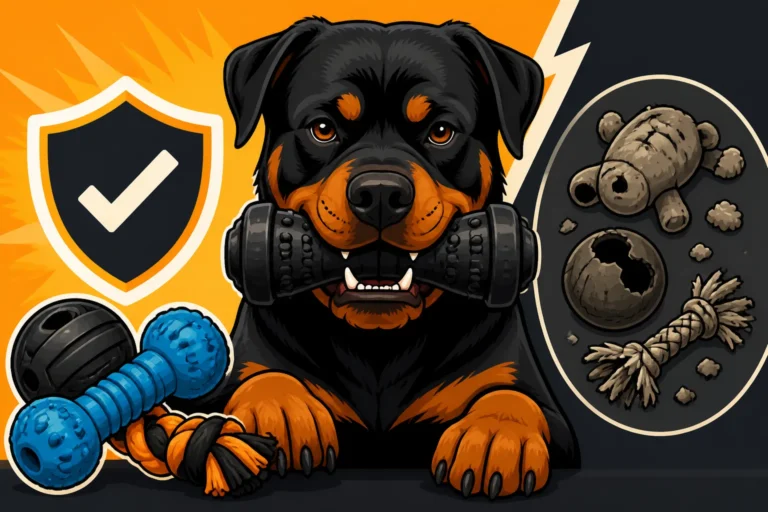
Another common mistake is inconsistent management. If sometimes you let your Rottweiler guard the couch, and other times you try to enforce a "no dogs on furniture" rule by force, you create confusion and distrust. The dog learns that boundaries are unpredictable, and it needs to be constantly vigilant to protect its perceived resources. This uncertainty can exacerbate anxiety-driven guarding. Similarly, giving up on rules because your Rottweiler is intimidating reinforces the dog's belief that aggression works. If the dog growls over a toy and you retreat, the dog learns that growling achieves its goal. Breaking this cycle requires consistent, clear, and calm leadership, often guided by professional expertise. You might initially buy heavy-duty chews from places like Amazon to try and satisfy their chewing needs, but if the underlying guarding isn't addressed, the possession of the chew can become the problem itself.
When to Call in the Pros: Recognizing the Need for a Behaviorist
It’s easy to feel embarrassed or ashamed when your Rottweiler’s behavior spirals. You might try to handle it yourself, reading books or watching online videos. But some situations clearly demand professional intervention for the safety of everyone involved. Knowing when to escalate from self-help to expert help is vital.
Red Flags: When Aggression and Risk Become Unmanageable
If your Rottweiler has actually bitten someone, or if its guarding is consistently escalating beyond growling to snapping or lunging, you've crossed a critical threshold. A bite, even a minor one, is a serious incident that needs immediate professional assessment. This isn't something you can "train out" on your own; it requires a deep understanding of canine psychology and behavior modification.
Other red flags include guarding that targets children, elderly individuals, or other vulnerable family members. If your Rottweiler guards you from your own spouse, or if they prevent access to critical areas of the home, the risk is simply too high. When you find yourself actively avoiding certain situations or making significant lifestyle changes to accommodate the dog's guarding behaviors, that's a clear sign that the situation is unmanageable for you alone. The feeling of walking on eggshells, constantly anticipating the next aggressive display, is a strong indicator that professional help is overdue. A good behaviorist can help you decipher complex cues, like Rottweiler Whale Eye and Other Warning Signs, which often precede an aggressive event.
The Limits of DIY Training for Complex Guarding
Many well-meaning owners attempt to address guarding with techniques they've learned online or in basic obedience classes. While basic obedience is crucial for any Rottweiler (and a program like BAXTER & Bella can be a fantastic foundation for puppies!), complex guarding issues are a different beast entirely. These often require a nuanced approach that addresses the underlying emotional state of the dog, not just the outward symptom.
DIY methods often fail because they lack the diagnostic capability of a professional. A behaviorist can distinguish between fear-based aggression, pain-induced aggression (your Rottweiler could be hiding joint pain, for example, causing them to guard themselves or their space), or even resource guarding stemming from a past trauma. Without correctly identifying the root cause, any training approach will likely be ineffective or, worse, counterproductive. Attempting to "dominate" an already fearful dog, for instance, will only increase its fear and potentially make it more dangerous. This is especially true as a Rottweiler enters Rottweiler Adolescence and Sudden Testing, where their behaviors can become more challenging and pronounced.
Working With a Behaviorist: What to Expect and How to Prepare
Deciding to work with a behaviorist is a huge step, and it's a testament to your commitment to your Rottweiler's well-being and the safety of your household. It’s an investment of time, effort, and money, but it’s often the only path to a lasting solution for severe guarding.
Finding the Right Professional for Your Rottweiler
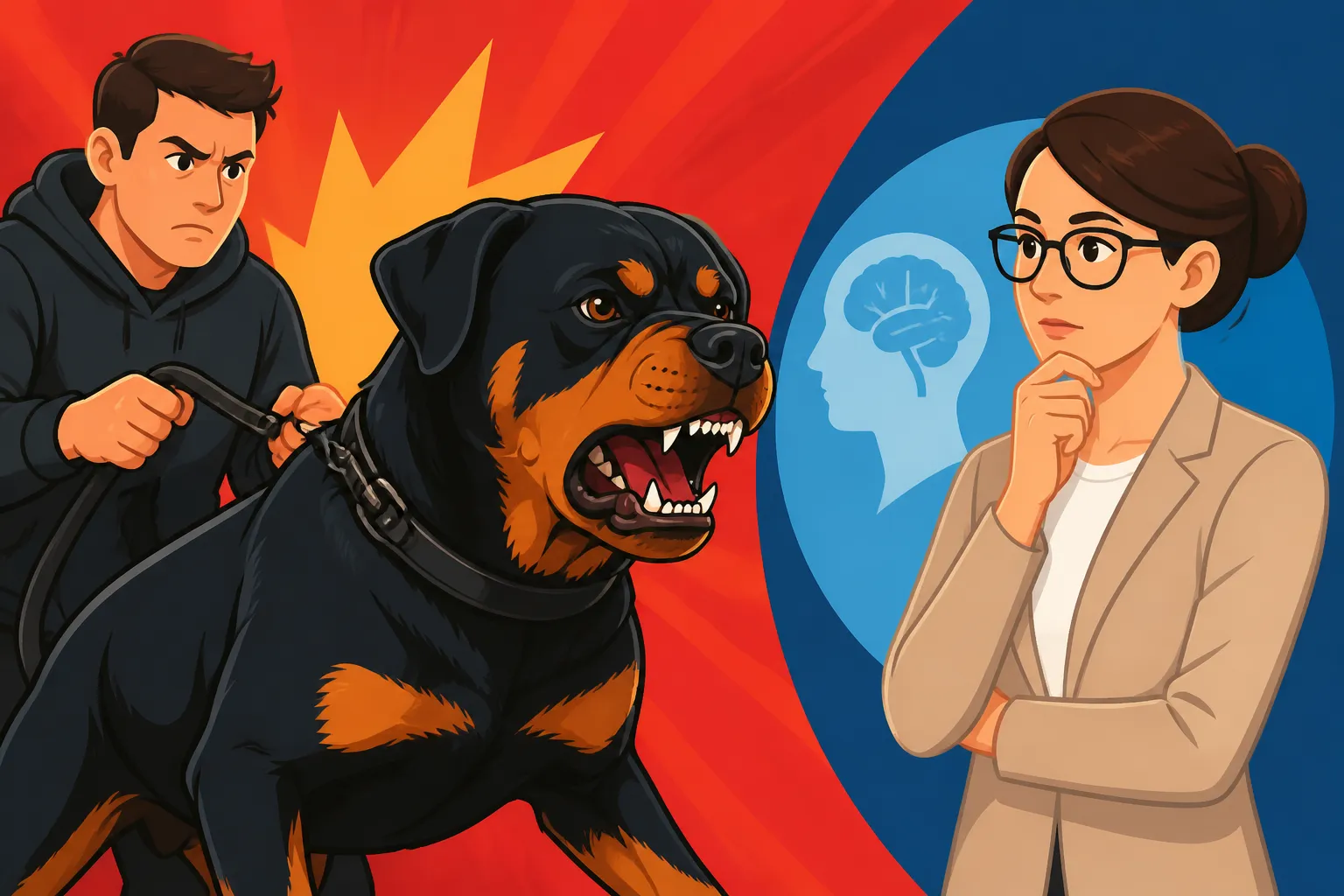
Not all dog trainers are behaviorists. A certified professional dog behaviorist (CPDT-KA, CDBC, CAAB, or DACVB are some common certifications) has specific education and experience in diagnosing and treating complex behavioral problems, often working in conjunction with your veterinarian. They understand the "why" behind the behavior, not just the "how" to stop it. Look for professionals who use positive reinforcement, force-free methods, and have specific experience with large, powerful guarding breeds like Rottweilers. Avoid anyone who suggests punitive or "dominance-theory" based training for aggression, as these approaches are often detrimental.
Start by asking your veterinarian for a referral. Many veterinary offices work closely with trusted behaviorists. You can also search professional organizations for certified individuals in your area. When interviewing potential behaviorists, ask about their philosophy, their experience with guarding behaviors in Rottweilers, and what their typical process involves. Ensure they emphasize safety protocols and have a plan for managing risk while working with your dog. You want someone who understands Finding a Rottweiler-Experienced Trainer Near You and the unique challenges our breed presents.
The Behavior Modification Process: A Realistic Outlook
Working with a behaviorist is not a quick fix; it's a journey that requires commitment and consistency. The process typically starts with a thorough assessment, where the behaviorist gathers a detailed history of your Rottweiler's behavior, health, and living environment. They might observe your dog in various situations to understand triggers and responses. This initial phase is crucial for developing an accurate diagnosis and a tailored behavior modification plan.
The plan itself will likely involve a combination of:
- Management: This includes immediate steps to ensure safety, such as using leashes, crates, baby gates, or even muzzles (properly introduced and conditioned, of course) to prevent your Rottweiler from accessing guarded resources or situations that trigger aggression. This might mean keeping certain items out of reach or separating dogs during meal times.
- Environmental Modifications: Changes to the home environment to reduce stress or remove triggers. This could mean feeding in separate rooms, securing trash cans, or providing more predictable routines.
- Desensitization and Counter-Conditioning: This is the core of behavior modification. It involves gradually exposing your Rottweiler to the triggers (e.g., someone approaching their food bowl) at a level where they don't react, while simultaneously associating that trigger with something positive (like high-value treats). The goal is to change your dog's emotional response from fear/aggression to a positive anticipation. For example, instead of seeing you near the bowl as a threat, they learn to see it as a signal for good things. This takes time and patience, often with many small, incremental steps.
- Skills Training: Teaching your Rottweiler alternative, incompatible behaviors. If they typically growl when you approach their bed, you might teach them a "go to mat" command for a reward, giving them a positive outlet rather than an aggressive one. This builds confidence and provides them with clear expectations.
- Owner Education: A good behaviorist will spend a lot of time teaching you how to understand and interact with your Rottweiler in a way that promotes trust and confidence, rather than fear. This includes reading subtle body language, anticipating triggers, and consistently applying the training protocols.
Remember, the goal is not to eliminate your Rottweiler's natural guarding instinct entirely, but to channel it into appropriate behaviors and to address the underlying insecurity or fear that is driving problematic aggression. It’s about creating a safe, predictable, and trusting relationship. Your consistency is key. You might find resources on Amazon like special long lines or safety muzzles to aid in the process, but the guidance from your behaviorist is paramount. Prepare for a commitment, but know that with the right professional help and your dedication, you can significantly improve your Rottweiler’s quality of life and bring peace back to your home.
Disclaimer
This article is for general informational purposes only and does not constitute professional advice. Laws, prices and regulations vary by location and change over time. Consult a qualified professional for guidance on your specific situation.