Rottweiler Stomach Surgery and the Overnight Stay
There are few things more terrifying for a Rottweiler owner than the sudden, frantic realization that their big dog might be bloating. That distended abdomen, the panicked retching, the inability to settle – it’s a nightmare unfolding in real time, and it demands immediate action. This guide is here to walk you through what happens during emergency stomach surgery for bloat, often called Gastric Dilatation-Volvulus (GDV), and the absolutely critical overnight stay that follows.
Understanding Gastric Dilatation-Volvulus GDV in Rottweilers
When your big, beautiful Rottweiler is suddenly in distress, pacing, drooling, and trying desperately to vomit without success, your mind immediately goes to bloat. It's a horrific condition that can strike with alarming speed, and it's something every Rottweiler owner needs to understand intimately, because time truly is of the essence.
The Silent Threat of Bloat
Gastric Dilatation-Volvulus, or GDV, is not just a simple upset stomach; it's a medical emergency of the highest order. It starts with the stomach filling rapidly with gas and/or fluid, a condition known as gastric dilatation. This in itself is incredibly painful and puts immense pressure on internal organs. But the true danger, and what makes GDV so lethal, is the "volvulus" part – the stomach then twists on its axis, often 180 to 360 degrees. This twisting seals off both the entrance and exit of the stomach, trapping everything inside. It also cuts off blood flow to the stomach wall and other vital organs, leading to tissue death and shock.
Rottweilers, being large, deep-chested breeds, are unfortunately predisposed to this terrifying condition. Their chest conformation allows more room for the stomach to distend and twist, making them prime candidates for GDV. It's not a question of if it might happen, but rather being prepared for when it does, because it can affect any large breed dog, even those with careful diets and lifestyles. The speed at which it progresses from uncomfortable distension to a full-blown life-threatening twist is what makes it such a silent and rapid killer.
Recognizing the Urgent Signs
Recognizing the signs of bloat is absolutely paramount. There isn't time to "wait and see" or "monitor for a few hours." If you see any combination of these symptoms, you need to be on your way to an emergency veterinary clinic immediately. The most classic sign is unproductive retching – your Rottweiler is trying desperately to vomit, gagging and heaving, but nothing comes up, or maybe just a bit of foamy saliva. This is a huge red flag because their stomach is sealed off.
Another critical symptom is a distended or swollen abdomen, particularly on the left side, which may feel taut like a drum. Your dog might also appear restless, pacing, whining, and unable to find a comfortable position. They may drool excessively, show signs of extreme pain when you touch their belly, or exhibit rapid, shallow breathing. In more advanced stages, they might collapse, have pale gums, or show signs of shock. Every minute counts. If you notice your Rottweiler exhibiting these signs, especially the unproductive retching and distended belly, don't delay. Understanding Rottweiler bloat looks like in the first hour is vital for any owner, as early recognition can be the difference between life and death.
The Emergency Veterinary Intervention for GDV
Once you’ve rushed your Rottweiler to the emergency veterinary clinic, a flurry of activity will begin. The veterinary team understands the critical nature of bloat, and their actions in those first few minutes and hours are literally life-saving. It’s a terrifying experience for owners, but knowing what to expect can bring a tiny bit of calm to the chaos.
Stabilization Before Surgery
Before any surgeon can even think about operating, your Rottweiler needs to be stabilized. Imagine a severely ill human patient in the emergency room – they don't immediately go into a major surgery without addressing immediate life threats. For a dog with GDV, this means tackling the shock and pressure. The veterinary team will immediately place intravenous (IV) catheters, usually in both front legs, to administer aggressive fluid therapy. This helps combat the severe shock that sets in when blood flow is compromised. Pain relief is also paramount; your dog is in excruciating pain, and managing it not only improves their comfort but also helps stabilize their vital signs.
A crucial step is stomach decompression. The vet will attempt to pass a tube down your Rottweiler’s esophagus into their stomach to release the trapped gas and fluid. This is often difficult if the stomach is twisted, but even partial decompression can provide immense relief and improve blood flow. If a tube cannot be passed, a procedure called trocarization might be performed, where a large needle or catheter is carefully inserted through the abdominal wall directly into the stomach to release the gas. While this provides temporary relief, it’s not a solution for the twist itself. This stabilization period is critical to get your dog's body ready for the stresses of general anesthesia and surgery, increasing their chances of a positive outcome.
The Surgical Procedure: Gastric Detorsion and Gastropexy
Once your Rottweiler is stable enough, they will be moved to surgery. The procedure for GDV involves two main components: gastric detorsion and gastropexy. The primary goal of the detorsion is to manually untwist the stomach, returning it to its normal anatomical position. This can be a delicate process, and the surgeon will carefully assess the stomach wall for any signs of tissue damage or necrosis (tissue death) due to the lack of blood flow. If sections of the stomach wall are beyond saving, they may need to be removed, which significantly complicates the surgery and prognosis.
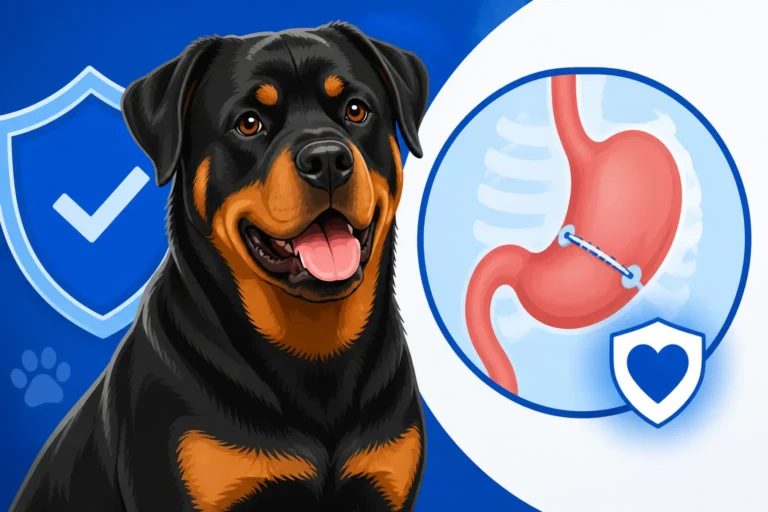
After the stomach is successfully untwisted, the surgeon will perform a gastropexy. This is a preventive measure where the stomach is permanently attached, or "tacked," to the inside of the abdominal wall. The goal of a gastropexy is to prevent the stomach from twisting again in the future. While a gastropexy doesn't prevent the initial gas distension (bloat), it makes it highly unlikely that the stomach will twist, thus preventing the life-threatening volvulus component. This is why many vets recommend a prophylactic gastropexy for high-risk breeds like Rottweilers, often done during a spay or neuter, to prevent an emergency like this from ever happening. Learning about Gastropexy to prevent Rottweiler bloat can provide more insight into this crucial procedure. The entire surgical process, from initial incision to closure, can take anywhere from one to three hours, depending on the complexity and any unforeseen complications.
The Critical Overnight Stay Post-Surgery
The surgery itself is a massive hurdle overcome, but the immediate post-operative period is equally, if not more, critical. Many owners feel a sense of relief once they get the call that their Rottweiler is out of surgery, but the battle isn't over yet. The overnight stay in the veterinary intensive care unit (ICU) is a period of intense monitoring and careful management that can truly dictate the ultimate success of the intervention.
Why 24/7 Monitoring is Non-Negotiable
This isn't just about keeping your dog comfortable; it's about constant vigilance for a range of life-threatening complications that can arise in the hours following GDV surgery. One of the most common and dangerous post-op issues is cardiac arrhythmias – irregular heartbeats that can be severe enough to cause sudden collapse or even death. These can pop up unexpectedly and require immediate treatment. Beyond the heart, there's a risk of continued shock, re-bloat despite the pexy, internal bleeding, or infection.
For these reasons, 24/7 monitoring by dedicated, experienced veterinary staff is absolutely non-negotiable. This isn't your average kennel staff; these are veterinary technicians trained to recognize subtle changes in vital signs, interpret ECG readings, and administer complex medications around the clock. They're looking for changes in gum color, respiratory rate, pulse quality, and consciousness. Sending a GDV patient home too soon, without this level of specialized care, dramatically increases the risk of complications and fatalities. It's an incredibly stressful time for owners, waiting for updates and trying to trust that their beloved Rottweiler is in the best hands, and validating that anxiety is important.
What Happens During the Overnight Stay
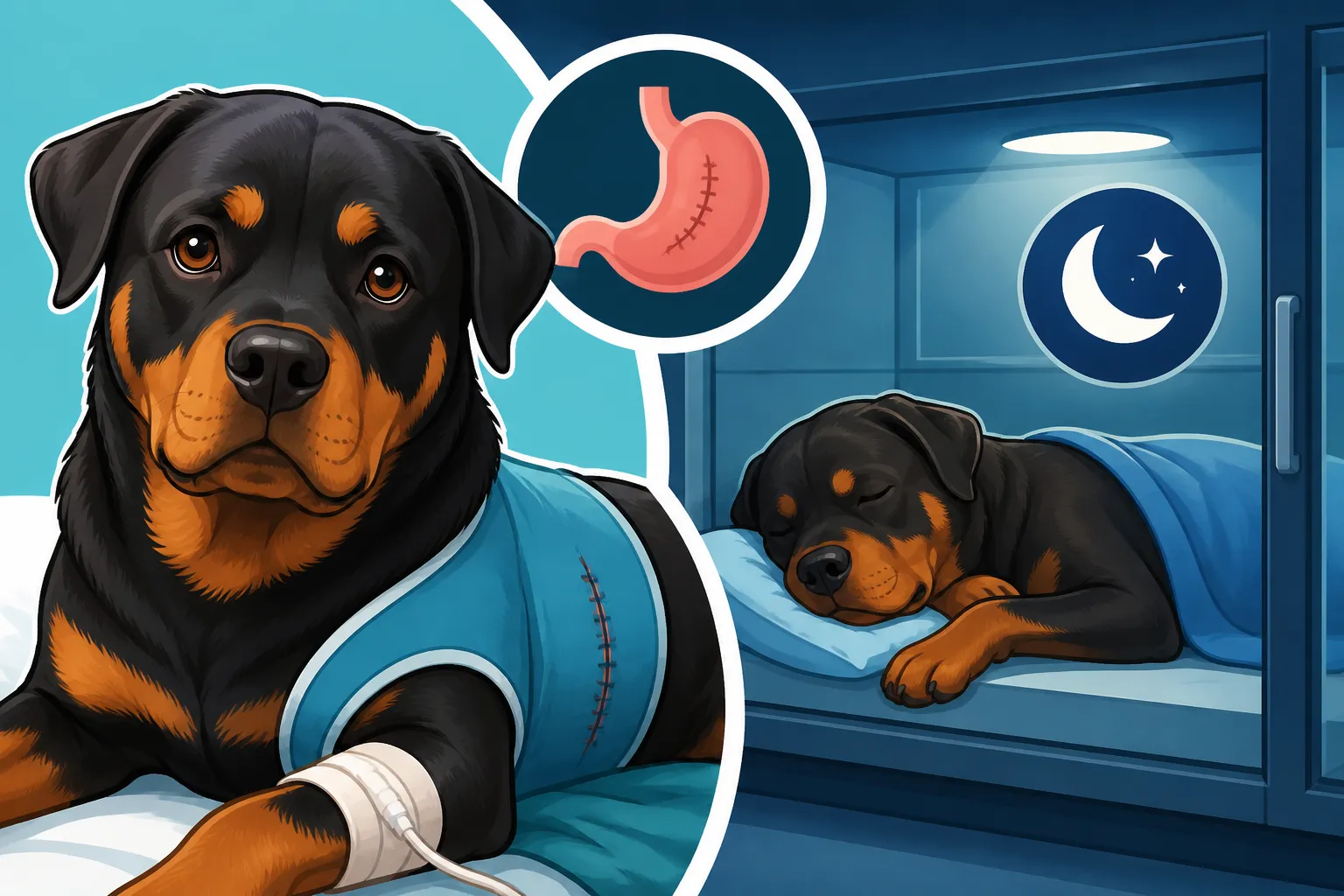
During that crucial overnight period, your Rottweiler will be in a quiet, warm, and closely monitored environment. Veterinary technicians will be constantly checking their vital signs, including heart rate, respiratory rate, blood pressure, and temperature, often every 15-30 minutes initially, and then hourly. An electrocardiogram (ECG) will likely be attached to continuously monitor for those post-operative arrhythmias we discussed. This close watch allows for immediate intervention if any cardiac abnormalities or other issues develop.
Pain management is a huge priority. Your Rottweiler will receive a carefully tailored regimen of pain medications, often through an IV drip, to keep them as comfortable as possible. They'll also receive antibiotics to prevent infection and anti-nausea medications. Fluid intake and urine output will be carefully tracked to ensure proper hydration and kidney function. In the later hours of the night, if stable, they might be offered small sips of water, and some clinics might even attempt a very small, bland meal. The team will gently reposition them to prevent pressure sores and aid circulation. This intensive care is paramount, as it directly impacts Rottweiler bloat surgery and the odds of survival and ensures they navigate the riskiest period with the best possible support.
| Phase | Key Events | Monitoring Focus | Risks |
|---|---|---|---|
| Pre-Operative | Initial exam, IV fluids, pain relief, decompression | Shock, heart rate, blood pressure | Cardiac arrest, aspiration, worsening shock |
| Surgical | Detorsion of stomach, gastropexy, abdominal exploration | Anesthesia depth, oxygen saturation, bleeding | Anesthetic complications, stomach tissue necrosis, hemorrhage |
| Post-Operative | ICU monitoring, pain control, fluids, antibiotics | Cardiac arrhythmias, vital signs, incision integrity | Re-bloat, infection, arrhythmias, aspiration pneumonia, kidney failure |
Potential Complications and Their Management
Even after a seemingly successful surgery and diligent overnight care, the road to recovery can still present challenges. GDV is a systemic disease, meaning it affects the entire body, not just the stomach. Therefore, vigilance for potential complications remains critical long after the surgical procedure itself.
Post-Operative Arrhythmias
Cardiac arrhythmias are arguably the most common and feared complication following GDV surgery. While the stomach twist is corrected, the initial lack of blood flow to the stomach, combined with the body's inflammatory response, can release toxins that directly affect the heart muscle. These arrhythmias, or irregular heartbeats, can range from mild and self-limiting to severe and life-threatening ventricular arrhythmias. They often manifest within 12-72 hours post-surgery, which is precisely why the extended monitoring in the ICU is so crucial.
During the overnight stay, your Rottweiler will be on an ECG machine, allowing veterinary staff to continuously monitor their heart rhythm. If arrhythmias are detected, the vet will prescribe specific anti-arrhythmic medications, such as lidocaine or sotalol, to help stabilize the heart. The goal is to control the irregular rhythm and prevent it from escalating into a more dangerous form that could lead to cardiac arrest. This intensive cardiac monitoring and management is a significant part of the cost and expertise involved in bloat recovery. It's a sobering reminder that a breed with a predisposition to Rottweiler Heart Disease and Subaortic Stenosis needs extra vigilance in such high-stress medical situations.
Other Serious Risks
Beyond cardiac issues, several other severe complications can arise. One grim possibility is that parts of the stomach wall suffered irreversible damage (necrosis) during the twisted period. If tissue death is extensive, it may require a second, even more complex surgery to remove the dead tissue. This carries a much poorer prognosis and significantly higher risk. There's also the risk of peritonitis, a severe abdominal infection, which can occur if the damaged stomach wall leaks bacteria into the abdominal cavity. This is a life-threatening condition requiring aggressive antibiotics and potentially further surgery.
Aspiration pneumonia is another concern, especially if your Rottweiler vomits during the initial stabilization or recovery, as stomach contents can be inhaled into the lungs. This requires immediate treatment with antibiotics and supportive care. Furthermore, blood clots, kidney failure, and sepsis (a whole-body inflammatory response to infection) are all potential, albeit less common, risks. Owners often feel a profound sense of anxiety during this period, constantly fearing the next potential setback. It’s a testament to their strength and the resilience of these dogs that so many make it through.
The Financial Reality of Emergency Surgery
Let’s be honest: owning a Rottweiler means being prepared for significant expenses, and emergency stomach surgery for bloat is perhaps one of the most financially impactful events you might face. The emotional toll is immense, but the financial strain can be equally crushing, especially when it comes out of nowhere.
Breaking Down the Costs
The costs associated with GDV surgery and the subsequent overnight stay are substantial, and it’s important to have a realistic understanding of why. You're not just paying for the surgery; you're paying for a full-scale emergency medical response. This includes the initial emergency exam and diagnostics (like X-rays to confirm GDV), aggressive fluid therapy, pain management, stabilization procedures (like tube decompression or trocarization), pre-anesthetic bloodwork, general anesthesia, the complex surgical procedure itself, post-operative medications (antibiotics, anti-nausea, pain control, anti-arrhythmics), and, crucially, the 24/7 intensive care monitoring provided by skilled veterinary staff in an emergency facility.
Depending on your location, the specific emergency clinic, and the severity of your Rottweiler's condition, the total cost for GDV surgery and the critical overnight care can range dramatically, often from $3,000 to $8,000, and sometimes even higher. This kind of bill can feel like a punch to the gut when you're already worried sick about your dog. It's a stark reminder that Rottweiler surgery costs from bloat to bone cancer are never minor, and emergency vet bills can quickly spiral. Understanding Emergency vet bills a Rottweiler owner should expect is a crucial part of responsible ownership.
Preparing for the Unexpected
Given the astronomical costs associated with a bloat emergency, preparing financially is one of the kindest things you can do for your Rottweiler. Pet insurance is often highlighted as a vital safety net, and for good reason. Companies like Healthy Paws offer comprehensive coverage for accidents and illnesses, including GDV. The key, however, is to enroll your Rottweiler when they are young and healthy, before any signs of bloat or other major conditions manifest. If you try to get insurance after an emergency, it will be considered a pre-existing condition and will not be covered. While pet insurance has a monthly premium and a deductible, it can make the difference between being able to afford life-saving surgery and facing heartbreaking decisions.
Beyond insurance, having an emergency savings fund dedicated to your pet is incredibly wise. Even if you have insurance, there's a deductible and usually a co-pay, so having some cash readily available is essential. Some veterinary clinics also offer payment plans through third-party services like CareCredit, which can help spread out the cost, but these are often credit-based and still require repayment. For day-to-day pet expenses, services like Chewy for food and supplies or Ollie for fresh dog food delivery can offer convenience and sometimes cost savings on recurring items, which can free up other funds to be allocated to an emergency savings account. The financial burden of a bloat emergency is immense, but planning ahead can alleviate some of the pressure during an already terrifying time.
Recovery and Long-Term Care After Bloat Surgery
Bringing your Rottweiler home after GDV surgery is a huge milestone, but it's just the beginning of their recovery journey. The immediate days and weeks at home are crucial for proper healing and preventing setbacks. Long-term, you'll also want to implement strategies to minimize the risk of future health scares.
The First Few Days at Home
When your Rottweiler finally comes home, they will likely still be somewhat groggy from the anesthesia and pain medication, and they will have a large incision site on their abdomen. Your veterinarian will provide very specific, strict instructions for their care, and it is absolutely vital that you follow them to the letter. This typically includes severe activity restriction – no running, jumping, or rough play for several weeks. Leash walks only, for short periods, just to go to the bathroom. You might need to use a soft cone or an Elizabethan collar to prevent them from licking or chewing at their incision, which could lead to infection or reopening of the wound.
Administering all prescribed medications on schedule, including pain relievers and antibiotics, is paramount. You'll need to monitor the incision daily for any signs of redness, swelling, discharge, or separation. Your vet will also give you specific instructions for gradually reintroducing food and water. This often starts with very small amounts of bland food and water, several times a day, to avoid upsetting their still-healing stomach. The goal is quiet, gentle rest in a comfortable, secure environment, allowing their body to dedicate all its energy to healing. Any sudden changes in behavior, appetite, or the incision site should prompt a call to your vet.
Preventing Future Incidents
The good news is that if a gastropexy was performed during the emergency surgery, the risk of your Rottweiler experiencing another life-threatening stomach twist is dramatically reduced. However, that doesn't mean they are entirely immune to other bloat-related issues or general stomach upset. Continued vigilance and proactive care are still incredibly important. The gastropexy prevents the volvulus (the twist), but not the dilation (the initial gassing up of the stomach).
To minimize any future risks, continue with the feeding strategies that are known to help: feed multiple smaller meals throughout the day instead of one or two large ones. Avoid elevated food bowls, as current research suggests they may actually increase risk, rather than decrease it. Ensure your Rottweiler has access to fresh water at all times, but try to prevent them from gulping huge amounts immediately after exercise or a meal. Restrict strenuous exercise for at least an hour before and after meals. If you're looking for more detailed advice, you can always refer to comprehensive guides on Feeding rules that lower Rottweiler bloat risk or consider insights from articles like Splitting a Rottweiler's food into two meals. While a gastropexy is a powerful preventative, thoughtful management of their diet and activity will give you peace of mind and contribute to a healthier, happier life for your beloved companion.
Disclaimer
The information provided in this article is for general informational purposes only and does not constitute veterinary medical advice. Always consult with a qualified veterinarian for any health concerns or before making any decisions related to your Rottweiler's care. Emergency situations, such as bloat, require immediate professional veterinary attention.