Rottweiler Hypothyroidism and Unexplained Weight Gain
It’s a scenario many Rottweiler owners know all too well: your once energetic, playful companion starts to slow down, seems constantly tired, and despite no major changes to their diet or exercise, they begin to pack on the pounds. This frustrating combination of lethargy and unexplained weight gain, coupled with a dulling coat, often leaves us bewildered, wondering what could be going on with our magnificent dogs. Often, these subtle but significant shifts can point to an underactive thyroid gland, a condition known as hypothyroidism. This guide will walk you through what hypothyroidism is, how it’s diagnosed, and how to manage it, so you can help your Rottweiler get back to feeling their best.
Understanding Hypothyroidism in Rottweilers
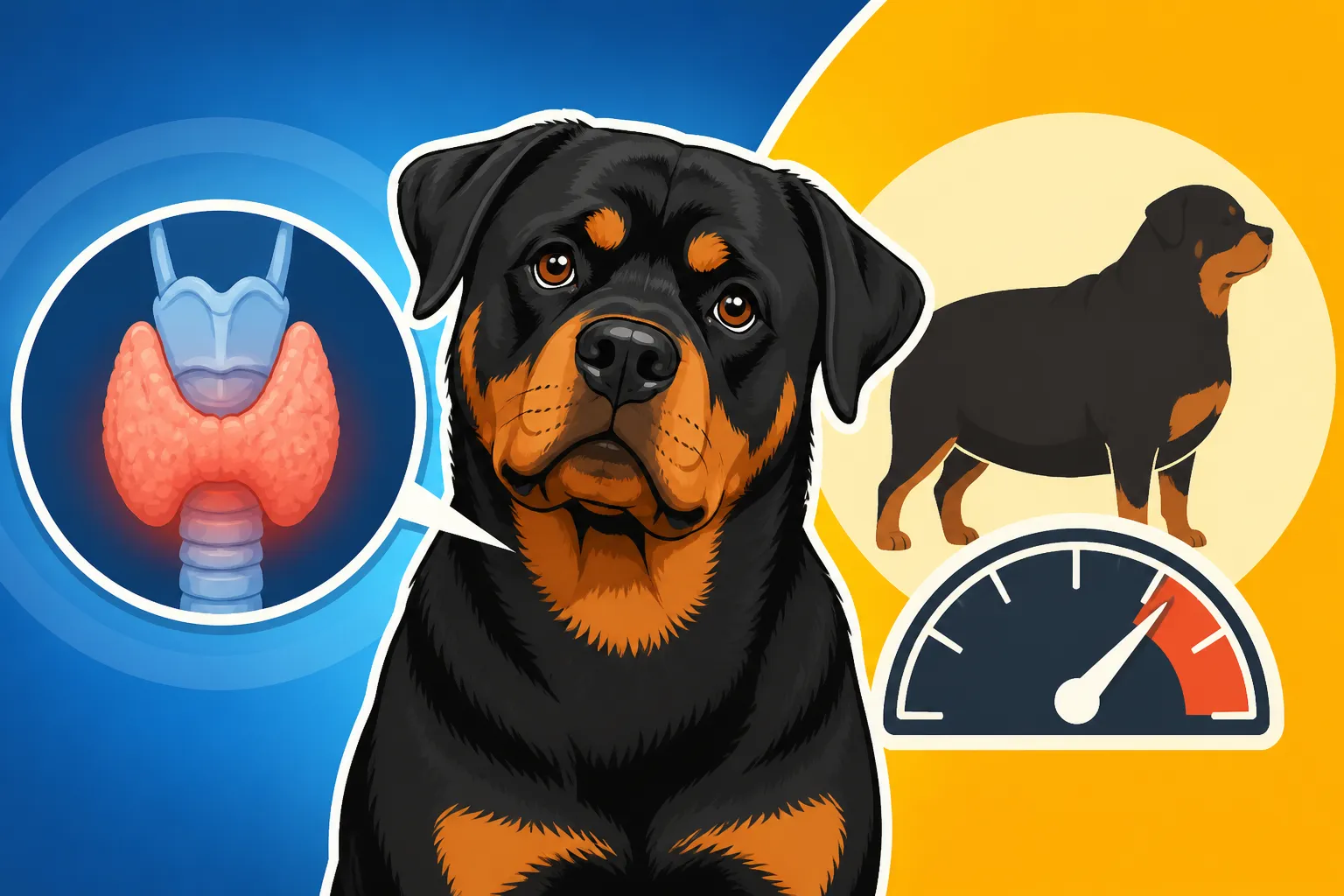
Hypothyroidism is one of the most common endocrine disorders affecting dogs, and Rottweilers, unfortunately, are among the breeds with a higher predisposition to developing it. It's essentially a condition where the thyroid gland, a small, butterfly-shaped gland located in your dog's neck, doesn't produce enough thyroid hormones. These hormones are critical for regulating metabolism, which means they influence nearly every bodily function, from energy levels to skin health.
What is Hypothyroidism and Why Rottweilers?
At its core, hypothyroidism in dogs typically results from the immune system mistakenly attacking and destroying the thyroid gland (lymphocytic thyroiditis) or from the gradual shrinking of the gland for unknown reasons (idiopathic thyroid atrophy). The thyroid gland produces two primary hormones, T3 (triiodothyronine) and T4 (thyroxine), with T4 being the main hormone released. These hormones act like the body's natural thermostat, controlling how quickly cells use energy. When there isn't enough T4, everything slows down.
For Rottweilers, there's a strong genetic component at play. Certain bloodlines appear to have a higher incidence of the condition, making it even more important for prospective puppy owners to inquire about thyroid health in a puppy's lineage. This genetic predisposition means that even with the best care, some Rottweilers are simply more likely to develop the condition than others. Understanding this genetic link can help prepare owners for the possibility and be more vigilant about early signs.
It’s not just a matter of "bad luck"; the breed's genetic makeup sometimes includes genes that make them susceptible to autoimmune diseases, and the thyroid gland often becomes a target. This isn't unique to Rottweilers, as other large and giant breeds like Golden Retrievers, Doberman Pinschers, and Great Danes also show a higher prevalence. The metabolic slowdown affects their entire system, leading to a cascade of symptoms that can be easy to misinterpret or dismiss initially.
Common Symptoms Beyond Just Weight Gain
While unexplained weight gain is a hallmark symptom, hypothyroidism manifests in a variety of ways that can catch an owner off guard. Often, the weight gain isn't sudden or dramatic; it's a slow creep over months, where your dog might go from a healthy, lean weight to being noticeably heavier without you consciously feeding them more. This can be particularly frustrating because you might genuinely be trying to manage their intake, only to see the numbers on the scale go up.
Beyond the expanding waistline, lethargy is incredibly common. Your Rottweiler, who once bounded at the mention of a walk, might now seem reluctant to get up, prefer to nap more, or tire easily during playtime. Their stamina drops, and they might seem generally "off." This isn't just about laziness; it's a fundamental lack of metabolic energy. You might also notice their beautiful double coat becoming dull, dry, and brittle, often accompanied by excessive shedding, thinning, or even bald patches, particularly on the flanks or tail, sometimes referred to as a "rat tail." If you notice your Rottweiler's dull coat, it's worth considering thyroid issues.
Skin issues are another frequent, and often irritating, symptom. Hypothyroid dogs can develop recurrent skin infections, a greasy coat, dandruff, or hyperpigmentation (darkening of the skin). They may also seem unusually sensitive to cold, seeking out warm spots or shivering more often. Some owners even report subtle behavioral changes, like increased irritability, anxiety, or a general decrease in mental alertness, which can be particularly concerning for such an intelligent and loyal breed. It's truly a full-body condition, impacting everything from their energy levels to the very texture of their fur.
The Frustration of Gradual Changes
One of the most challenging aspects of hypothyroidism is how subtly and gradually it often develops. You don't usually wake up one morning to a completely different dog. Instead, it's a slow erosion of their usual vigor, a slight increase in their weight each month, a bit more hair on the furniture than before. These changes are easy to attribute to aging, a change in seasons, or just a "phase." You might think, "Oh, he's just getting older," or "Maybe I gave him too many treats last week."
This gradual onset means that by the time owners realize something is truly wrong, the condition might be quite advanced. It's a common frustration to look back and connect the dots only after a diagnosis is made, realizing that many small, seemingly unrelated issues were all part of the same underlying problem. This delay in recognition isn't the owner's fault; it's the insidious nature of the disease.
It highlights the importance of keeping a keen eye on your Rottweiler's overall demeanor, weight, and coat condition, even as they age. What might seem like typical signs of aging, such as senior Rottweiler mobility decline or just general slowness associated with Senior Rottweiler Care After the Age of Seven, could actually be indicative of treatable hypothyroidism. Being observant and noting any consistent changes in a journal can be incredibly helpful when discussing symptoms with your veterinarian.
Diagnosing Hypothyroidism Accurately
Getting an accurate diagnosis for hypothyroidism in Rottweilers requires a thorough veterinary examination and specific blood tests. Because the symptoms can mimic other health problems, your vet will want to rule out other potential causes to ensure they pinpoint the correct issue. It's not always a straightforward process, but it's essential to get it right for your dog's long-term health.
The Initial Vet Visit and Physical Exam
When you bring your Rottweiler in with concerns about weight gain, lethargy, or coat changes, your veterinarian will start with a comprehensive physical examination. They’ll feel your dog's thyroid gland area (though it's usually not palpable unless enlarged by a tumor, which is rare with typical hypothyroidism), check their heart rate, and assess their overall body condition score. They'll look for signs like a low body temperature, a slow heart rate (bradycardia), or any skin abnormalities.
Your vet will also ask you a lot of questions about your Rottweiler's history: when did you first notice the changes, has their appetite changed, what do they typically eat, how much exercise do they get, and have there been any other health issues? This detailed history is crucial because it helps the vet piece together the puzzle and consider what conditions might be at play. Sometimes, a history of recurring skin infections or a general "unthriftiness" might prompt them to look at thyroid function more closely, especially in a breed like a Rottweiler.
They'll also want to rule out other common causes of weight gain, like simple overfeeding or lack of exercise, or conditions like Cushing's disease, which can present with similar symptoms. This initial assessment helps narrow down the possibilities before more specific diagnostic tests are ordered. Don't be surprised if your vet suggests a general blood panel first, just to get a baseline and check other organ functions.
Blood Tests for Thyroid Function
The definitive diagnosis of hypothyroidism relies on blood tests that measure the levels of thyroid hormones and thyroid-stimulating hormone (TSH). The most common tests include Total T4 (Thyroxine), Free T4, and TSH.
- Total T4 (TT4): This is often the first test run. A low TT4 level can suggest hypothyroidism, but it's not always conclusive on its own. Many factors, such as other illnesses (e.g., severe infections, liver disease), certain medications (like steroids, sulfa antibiotics, or even NSAIDs), or even stress from a vet visit, can temporarily lower TT4 levels, leading to what's called "euthyroid sick syndrome." Therefore, a low TT4 needs further investigation.
- Free T4 (FT4): This measures the unbound, biologically active portion of the T4 hormone. It's less affected by non-thyroidal illnesses and medications than TT4, making it a more accurate indicator. If both TT4 and FT4 are low, it strongly points towards hypothyroidism.
- Canine TSH (cTSH): TSH is produced by the pituitary gland and signals the thyroid to produce T4. In cases of primary hypothyroidism (where the thyroid gland itself is the problem), the pituitary gland will ramp up TSH production to try and stimulate the failing thyroid. So, a high cTSH level, coupled with low T4 and FT4, is the gold standard for diagnosing primary hypothyroidism.
Sometimes, your vet might recommend a more comprehensive "thyroid panel" that includes these and other tests, like autoantibodies to thyroglobulin (TgAA), which can indicate an autoimmune form of the disease (lymphocytic thyroiditis). This full panel gives the clearest picture. Remember, getting your Rottweiler's bloodwork done properly and interpreted by an experienced vet, sometimes even a specialist, is key to an accurate diagnosis.
The Importance of a Full Picture
It's vital to remember that a single low thyroid value doesn't automatically mean your Rottweiler is hypothyroid. As mentioned, other conditions or medications can influence results. For example, if your Rottweiler is also dealing with Rottweiler allergies and recurring skin infections, these inflammatory conditions could potentially affect thyroid levels. Your vet will consider all the clinical signs—the weight gain, the lethargy, the poor coat quality—in conjunction with the blood test results.
Moreover, certain breeds, like Sighthounds, naturally have lower thyroid hormone levels, which is why breed-specific reference ranges are sometimes used. While Rottweilers don't typically fall into this category, it illustrates why context is so important. Your vet will evaluate your dog's overall health, rule out other diseases, and potentially even repeat blood tests after a period to confirm the diagnosis before starting a lifelong treatment plan.
In some ambiguous cases, a trial of thyroid medication might be considered, with the expectation of seeing clinical improvement. However, this is usually reserved for situations where diagnostic tests are still inconclusive but clinical suspicion remains high. The goal is always to avoid putting a dog on unnecessary lifelong medication and to correctly treat the actual problem, whether it's hypothyroidism or something else entirely.
Managing and Treating Rottweiler Hypothyroidism
The good news about hypothyroidism is that it’s usually very manageable with appropriate treatment. It’s not curable, meaning your Rottweiler will need lifelong medication, but with consistent care, they can often return to their normal energetic selves, shed the extra weight, and regain a healthy coat. This commitment is well worth it for the improved quality of life your companion will experience.
Lifelong Medication and Dosage
The cornerstone of treating hypothyroidism is hormone replacement therapy, specifically with a synthetic form of the T4 hormone called levothyroxine. This medication is typically given orally, usually once or twice a day. The dosage is highly individual, based on your Rottweiler's weight, the severity of their condition, and how they respond to treatment. It's absolutely crucial to administer the medication consistently, at the same time each day, and ideally on an empty stomach to maximize absorption.
Your vet will start with a specific dose, and then, after about 4-8 weeks, they will retest your Rottweiler’s blood levels to ensure the medication is working and the dosage is correct. This retesting is critical because getting the dose just right is a balancing act; too little, and symptoms persist; too much, and your dog could develop symptoms of hyperthyroidism, such as restlessness, increased thirst, and weight loss. Once a stable dose is found, follow-up blood tests are usually recommended every 6-12 months, or sooner if symptoms reappear or change.
It's important to never adjust the dosage yourself or stop giving the medication without veterinary guidance. Consistency is key to success, and interruptions can lead to a return of symptoms. With proper medication, you should start seeing improvements in your Rottweiler's energy levels within a few weeks, and coat changes might take a few months to fully resolve.
Diet and Exercise Adjustments
While medication will address the root cause of the metabolic slowdown, managing the weight gain and helping your Rottweiler regain fitness will require some thoughtful adjustments to their diet and exercise routine. For a Rottweiler that has gained weight, even the best medication won't magically melt the pounds away if their caloric intake remains too high or their activity level too low.
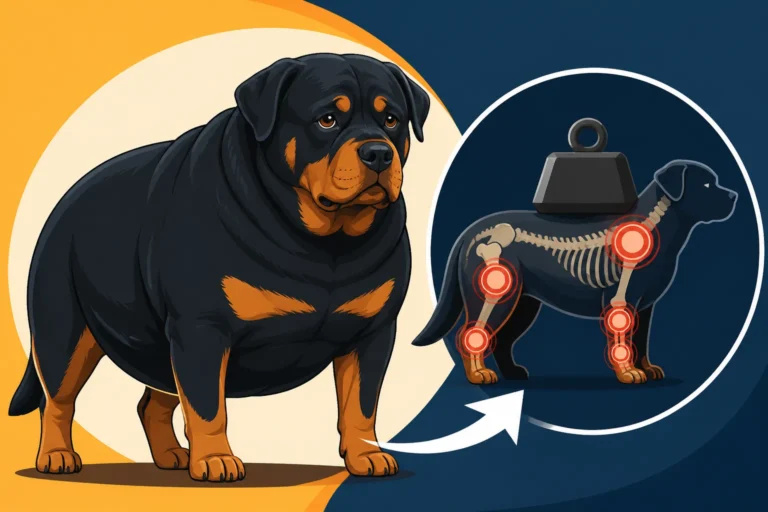
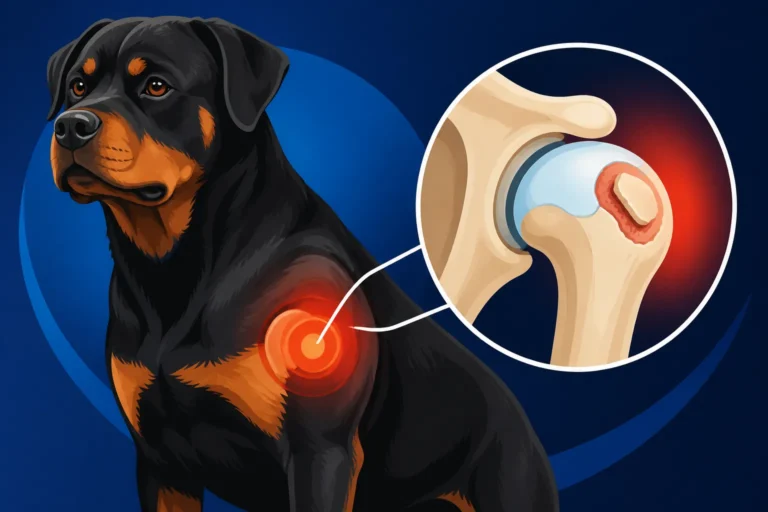
Your vet might recommend a specific diet formulated for weight loss or discuss how to adjust their current food. This might involve carefully measuring their daily calories for a hundred twenty pound Rottweiler, choosing a lower-calorie kibble, or incorporating more fresh vegetables to help them feel full. Splitting their daily food into two smaller meals instead of one large one can also be beneficial, especially for a breed prone to bloat in a Rottweiler. Remember, a fit Rottweiler is a healthier Rottweiler, and avoiding Rottweiler obesity and the load it adds on their joints is paramount, especially for a breed already susceptible to conditions like hip and elbow dysplasia.
Once your Rottweiler's energy levels improve with medication, gradually reintroduce and increase their exercise. Start with shorter, gentle walks and slowly build up duration and intensity. Avoid pushing them too hard initially, especially if they've been very lethargic. Consistency is more important than intensity when they're first getting back into shape. Walking, swimming, and controlled play are excellent ways to help them burn calories and build muscle without excessive strain.
Monitoring Progress and Long-Term Outlook
Effective management of Rottweiler hypothyroidism is a partnership between you and your veterinarian. Regular check-ups and blood tests are essential to ensure the medication is still effective and the dosage remains appropriate. Sometimes, a dog's needs can change over time, requiring slight adjustments to their levothyroxine dose. Be vigilant for any return of previous symptoms or the emergence of new ones.
The long-term outlook for a hypothyroid Rottweiler who receives consistent treatment is excellent. Most dogs go on to live full, active lives with no decrease in lifespan due to the condition itself. It's truly a testament to modern veterinary medicine that such a pervasive condition can be so effectively managed. The key is diligence in medication administration and ongoing monitoring.
Consider keeping a log of your dog's energy levels, weight, and coat condition, noting any subtle changes. This record can be invaluable when discussing your Rottweiler's progress with your vet. Also, ensure you discuss any new medications or supplements with your vet, as some can interfere with thyroid hormone absorption or metabolism. For owners concerned about unforeseen health costs, pet insurance can be a real lifeline for managing chronic conditions like this. Companies like Healthy Paws can help cover the ongoing costs of medication and monitoring once your pet is enrolled and the waiting periods are met, preventing unexpected financial strain.
Financial Considerations and Support
Understanding the financial implications of managing a chronic condition like hypothyroidism in a large breed like a Rottweiler is crucial. It’s not just the initial diagnosis, but the lifelong commitment to medication and monitoring that adds up. Being prepared for these costs can help alleviate stress and ensure your Rottweiler receives the continuous care they need.
The Cost of Diagnosis and Treatment
The initial diagnostic phase can involve several vet visits and blood tests. A comprehensive thyroid panel, along with general bloodwork to rule out other issues, can range from a few hundred dollars to upwards of $500, depending on your geographic location and your vet's specific lab. If other conditions need to be ruled out, additional tests or imaging might be required, further increasing these initial costs.
Once diagnosed, the ongoing cost is primarily for the levothyroxine medication and periodic recheck blood tests. For a large dog like a Rottweiler, the medication dosage is higher, meaning the pills are typically more expensive than for smaller breeds. Monthly medication costs can range from $20-$50 or more, depending on the dose and whether you purchase generic or brand-name formulations. These costs will continue for your Rottweiler's entire life.
Routine blood tests to monitor thyroid levels, typically every 6-12 months after stabilization, can cost between $100-$200 per test. While these aren't daily expenses, they are an essential part of effective long-term management. These figures can quickly accumulate over the typical Rottweiler lifespan and the eight to ten year average they often achieve.
Pet Insurance and Hypothyroidism
This is where pet insurance can play a significant role in making lifelong care more affordable. Companies like Healthy Paws, among others, offer robust plans that can help cover a substantial portion of diagnostic and treatment costs for accidents and illnesses. However, it's critical to understand the concept of "pre-existing conditions."
Most pet insurance policies, including those from Healthy Paws, will not cover conditions that were diagnosed or showed symptoms before the policy's effective date or during the waiting period. This means that if your Rottweiler is diagnosed with hypothyroidism before you enroll them, or if symptoms appeared before coverage began, the condition would likely be considered pre-existing and therefore excluded from coverage. This highlights the importance of enrolling your Rottweiler in a pet insurance plan when they are young and healthy, ideally as a puppy, to ensure coverage for potential future illnesses like hypothyroidism.
If you have a Healthy Paws policy in place before any symptoms or diagnosis of hypothyroidism, then the ongoing medication, recheck blood tests, and vet visits related to the condition would typically be covered, subject to your deductible and reimbursement percentage. This can dramatically reduce your out-of-pocket expenses for what is a lifelong medical need. It’s a worthwhile consideration for any Rottweiler owner.
Budgeting for Ongoing Care
Even with pet insurance, there will always be some out-of-pocket costs due to deductibles and co-pays. Without insurance, the full burden of diagnosis, medication, and monitoring falls entirely on the owner. Therefore, budgeting for these ongoing expenses is an important part of responsible Rottweiler ownership.
Consider setting aside a small amount each month specifically for your dog's vet care, particularly if they have a known chronic condition. This "pet emergency fund" can cover deductibles, co-pays, or other unexpected health needs that may arise. Discussing these costs transparently with your veterinarian is also helpful; they might be able to suggest ways to manage expenses, such as recommending generic medications or offering payment plans for larger diagnostic bills.
Ultimately, providing consistent, high-quality care for a Rottweiler with hypothyroidism is a commitment. By understanding the costs involved and proactively exploring options like pet insurance or dedicated savings, you can ensure your beloved companion receives the best possible care throughout their life, allowing them to thrive despite their condition.
| Symptom Category | Common Hypothyroidism Signs | Why It Happens (Simplified) |
|---|---|---|
| Weight | Unexplained weight gain, obesity | Slowed metabolism due to low thyroid hormone levels. |
| Energy | Lethargy, decreased activity, increased sleeping, reluctance to play | Reduced energy production at a cellular level. |
| Coat/Skin | Dull, dry, brittle coat; excessive shedding; thinning hair (especially flanks, tail); recurrent skin infections; greasy skin; dandruff; hyperpigmentation | Impaired skin and hair follicle metabolism and reduced immune function. |
| Temperature | Cold intolerance, seeking warm spots | Thyroid hormones help regulate body temperature. |
| Behavior | Mental dullness, irritability, anxiety (less common but reported) | Impact on brain function and neurotransmitter regulation. |
| Other | Slow heart rate (bradycardia) | Direct effect of low thyroid hormones on cardiac function. |
Disclaimer
This article is intended for informational purposes only and does not constitute medical advice. Always consult with a qualified veterinarian for any health concerns or before making any decisions about your Rottweiler's medical care. Individual cases may vary, and only a professional can provide an accurate diagnosis and treatment plan.