The Rottweiler Bite and Jaw Under the Standard
For many Rottweiler owners, understanding their dog's structure goes far beyond just what looks good in the show ring. The powerful jaw and specific bite pattern of a Rottweiler are not just aesthetic points; they're functional aspects that speak to the breed's history and have direct implications for their health, diet, and even the toys you choose. This guide will delve deep into the Rottweiler's bite and jaw, exploring what the breed standard mandates, what this means for your dog's daily life, and how to proactively manage their oral health.
The Ideal Rottweiler Bite: More Than Just Good Looks
When we talk about the Rottweiler's bite, we're discussing a critical aspect of their conformation, laid out explicitly in the breed standard. This isn't just about showing off; it's about the functionality that allowed these dogs to excel at their original work of droving cattle and guarding valuables. A correct bite ensures efficient chewing, proper alignment, and the overall health of the jaw structure.
Defining the Scissors Bite
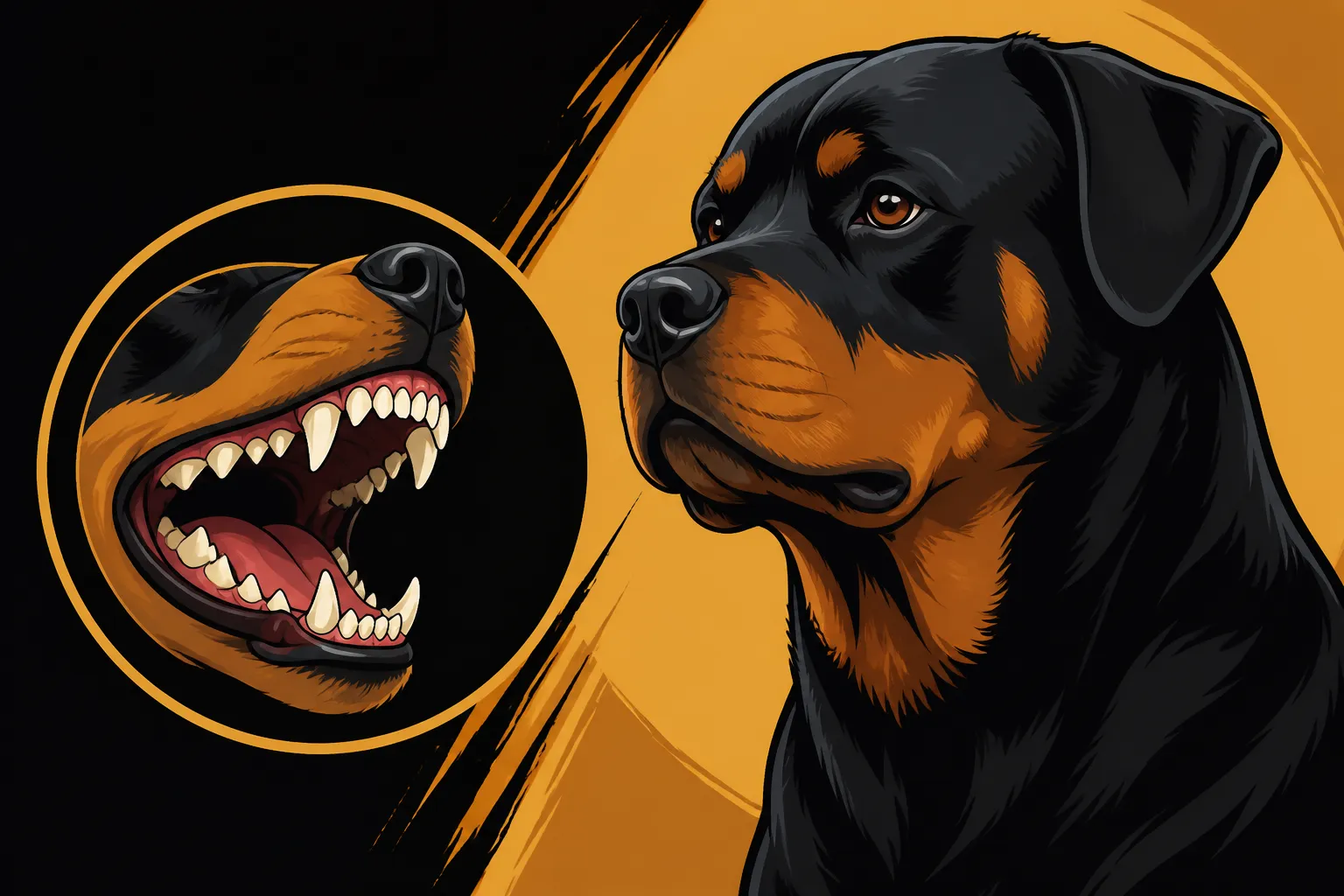
The AKC breed standard for the Rottweiler, like many other breeds, calls for a "scissors bite." This means that when the dog's mouth is closed, the outer surface of the lower incisors (the small front teeth) should just touch the inner surface of the upper incisors. Imagine a pair of scissors closing – one blade glides perfectly past the other. This precise overlap ensures that all 42 teeth (20 upper, 22 lower in an adult dog) align correctly, allowing for maximum biting and gripping power, which was essential for a dog that might need to hold onto a stubborn steer.
This arrangement isn't just for show. It ensures that the chewing surfaces of the molars and premolars meet efficiently, allowing the dog to process food properly. Without this precise alignment, teeth can wear unevenly, leading to discomfort, dental disease, and even difficulty eating. For a breed like the Rottweiler, whose strength is so central to its identity, a strong, healthy bite is paramount.
Jaw Strength and Breed Function
Beyond the bite, the standard also describes the jaw itself. The Rottweiler should have a strong, broad lower jaw. This robust bone structure provides the foundation for those powerful teeth and the massive chewing muscles that attach to them. Think about the historical role of the Rottweiler as a "butcher's dog" or "Metzgerhund" in its native Germany. What Rottweil Made the Metzgerhund Do was to protect livestock and money, often requiring immense physical presence and a formidable bite.
This powerful jaw translates into a bite force that is truly impressive. While exact numbers vary and are often debated, it's clear that a Rottweiler's bite is among the strongest in the canine world. What 328 Pounds of Bite Pressure Actually Does is significant, and it means that a Rottweiler can exert tremendous pressure on objects, whether that's a tough chew toy or, unfortunately, something it shouldn't be biting. This inherent strength means owners must be incredibly diligent about training Rottweiler Bite Inhibition and the Adult Mouth and providing appropriate outlets for chewing.
Common Bite Faults and Their Implications
While a perfect scissors bite is the ideal, sometimes nature throws a curveball, and a Rottweiler might present with a bite that deviates from the standard. These deviations, often referred to as bite faults, can range from minor cosmetic issues to those that significantly impact the dog's health and comfort. Understanding these faults is important, especially if you're evaluating a puppy or dealing with dental issues in your adult dog.
Overshot and Undershot Bites
Two of the most common bite faults are overshot and undershot bites. An overshot bite, often called a parrot mouth, occurs when the upper jaw extends significantly further forward than the lower jaw. The upper incisors don't meet or barely meet the lower incisors, leaving a noticeable gap. Conversely, an undershot bite happens when the lower jaw protrudes beyond the upper jaw, causing the lower incisors to extend past the upper ones. Both of these faults are considered serious deviations from the breed standard and can impact a dog's ability to eat, grip objects, and even carry toys.
Beyond aesthetics, these bite faults can lead to practical problems. For an overshot bite, the lower canines might impinge on the roof of the mouth, causing pain or sores. In an undershot bite, teeth might wear abnormally, leading to premature dental issues. These issues might mean your dog struggles with certain kibble types, or chews are less effective. If you notice your dog having difficulty chewing or showing signs of discomfort around their mouth, it's always wise to consult your veterinarian. Early intervention can sometimes help manage these issues.
Wry Mouth and Other Malocclusions
A wry mouth is a more severe form of malocclusion where one side of the jaw grows longer than the other, causing the mouth to twist or skew. This can be quite disfiguring and can severely impact a dog's ability to eat, drink, and even breathe comfortably. It's usually evident from a young age and often requires veterinary intervention. Other less common malocclusions can include level bites (where incisors meet edge-to-edge, causing excessive wear) or misaligned canines that poke into the gums or palate.
These structural issues can lead to chronic dental problems, gum irritation, and even infections. For a Rottweiler, whose oral health is so tied to their overall well-being, such issues can be debilitating. If you're considering a Rottweiler puppy, a responsible breeder will be able to show you the bite of both parents and explain any potential hereditary dental issues in their lines. This is part of the transparency that comes with Health Papers to Ask a Rottweiler Breeder For.
Here's a quick overview of bite types:
| Bite Type | Description | Standard Conformance | Potential Issues |
|---|---|---|---|
| Scissors Bite | Outer surface of lower incisors touches inner surface of upper incisors. | Ideal | Healthy, efficient chewing |
| Level Bite | Incisors meet edge-to-edge. | Fault | Excessive tooth wear, dental problems |
| Overshot Bite | Upper jaw extends past lower jaw, leaving a gap between incisors. | Fault | Lower canines impinging on palate, difficulty eating |
| Undershot Bite | Lower jaw extends past upper jaw, lower incisors protrude. | Fault | Abnormal tooth wear, difficulty gripping |
| Wry Mouth | One side of the jaw grows longer than the other, causing twisting. | Severe Fault | Severe difficulty eating/drinking, pain, disfigurement |
Practical Considerations for Rottweiler Jaw Health
Owning a Rottweiler means being prepared for that powerful jaw in every aspect of their care. From diet to dental hygiene and toy selection, understanding how to manage their oral health is crucial for a happy, healthy dog. Ignoring these aspects can lead to expensive vet bills and unnecessary discomfort for your beloved companion.
Choosing Appropriate Chews and Toys
Given their incredible jaw strength, selecting the right chews and toys for a Rottweiler is paramount. Cheap, flimsy toys won't last five minutes, and worse, they can pose a choking hazard or lead to ingestion of dangerous plastics. Owners often find themselves constantly searching for toys that can withstand the intense chewing power of their Rottweiler. You'll want to look for toys specifically marketed for "power chewers" or "heavy chewers." Brands that focus on durability often make appropriate products.
However, even with durable options, caution is necessary. Some extremely hard chews, like antlers, bones (even "safe" ones), or very dense nylon, can be too hard and lead to Cracked Teeth in a Rottweiler That Chews Hard. A general rule of thumb is that if you can't indent it with your thumbnail, it might be too hard for your dog's teeth. Instead, opt for chews that have some give or are designed to splinter safely, if at all. Many fantastic, durable rubber toys are available online from places like Chewy that offer both mental stimulation and a satisfying chew without risking tooth fractures. Regularly inspecting your dog's toys for wear and tear is also vital, removing them once they become a hazard. Remember, Rottweiler Chew Toys That Survive the Jaw are an investment in your dog's health.
Comprehensive Dental Hygiene
While a strong jaw is a hallmark of the breed, it doesn't make Rottweilers immune to dental disease. In fact, large breeds can accumulate tartar just as readily as smaller ones, if not faster, due to larger tooth surfaces and sometimes a predisposition to certain issues. Regular dental care at home is absolutely non-negotiable for a Rottweiler. This means daily tooth brushing, starting from puppyhood, to remove plaque before it hardens into tartar. Getting a Rottweiler Used to a Toothbrush Early makes this routine much easier as they grow. Investing in a large-breed toothbrush and dog-specific toothpaste is key; never use human toothpaste.
Beyond daily brushing, regular professional dental cleanings under anesthesia with your veterinarian are often necessary to address plaque and tartar buildup below the gum line. Your vet can also check for any signs of gum disease, cracked teeth, or other oral issues. Remember, a Rottweiler's robust jaw doesn't mean their teeth are invincible. Problems like Rottweiler Dental Disease and Cracked Teeth can lead to severe pain, infection, and even impact their overall health if left untreated. Many owners find it convenient to order their dog's dental supplies, from toothbrushes to dental chews, from online retailers like Chewy, ensuring they always have what they need on hand.
Diet and Jaw Health
The food your Rottweiler eats also plays a role in their jaw and dental health. While dry kibble isn't a substitute for brushing, the abrasive action of chewing can help reduce some plaque buildup. Feeding a high-quality, large-breed appropriate diet ensures your Rottweiler gets the necessary nutrients for strong bones and healthy teeth. For puppies, it’s critical to feed a large breed puppy formula to support slow and steady growth, which in turn helps ensure proper development of the jaw and joints, as discussed in Rottweiler Growth Plates Closing at Eighteen to Twenty-Four Months.
Consider also how your Rottweiler eats. Do they gobble their food in seconds? Slow feeder bowls can help, and for some, splitting the daily ration into two meals can be beneficial for digestion and bloat prevention. Splitting a Rottweiler's Ration Across the Day is a recommended practice. The type of treats you give matters too; aim for those that are easy to chew and digest, or specifically designed for dental health. Always be mindful of foods and chews that could lead to tooth fractures or other oral injuries. When in doubt about what to feed your Rottweiler, especially concerning their oral health, always consult with your veterinarian. They can provide guidance tailored to your dog's specific needs and dental status.
Disclaimer
This article is for general informational purposes only and does not constitute professional advice. Laws, prices and regulations vary by location and change over time. Consult a qualified professional for guidance on your specific situation.