When Cattle Droving Was Finally Made Illegal
For generations, the majestic Rottweiler served as an indispensable partner in the demanding world of cattle droving, a role that shaped their very essence. But like many working breeds, their traditional purpose faced an abrupt and definitive end with the march of progress and changing laws. Understanding when cattle droving was finally made illegal isn't just a historical curiosity; it helps us appreciate the resilience of the breed and the pivotal moment that forced these dogs, and their human companions, to find new ways to thrive. This guide will explore that critical turning point, detailing the historical context, the legislative changes, and the profound impact it had on the Rottweiler's survival and evolution into the beloved companions we know today.
The Era of the Drover Dog: Before the Change
Before modern transportation, moving livestock across vast distances was a Herculean task, and the Rottweiler was bred specifically for it. These dogs were the muscle, the brains, and the guardians of the herd. Their very existence was intertwined with the cattle markets of Southern Germany, particularly the town of Rottweil, which gave the breed its name.
What the Metzgerhund Did All Day
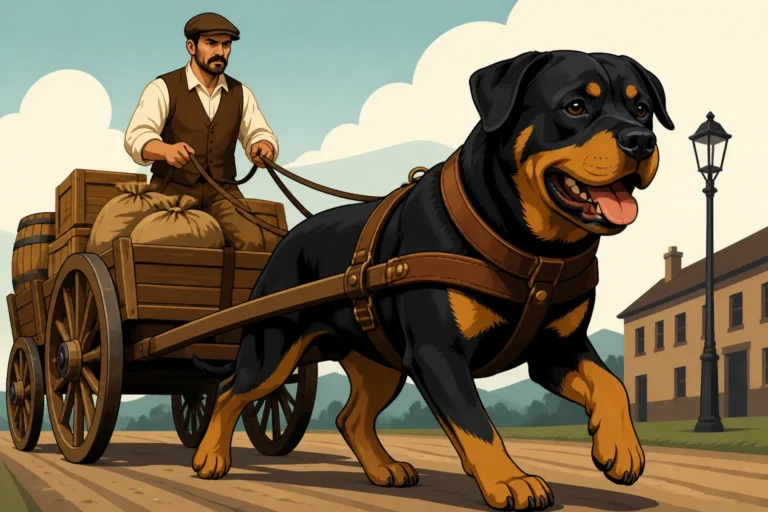
The Rottweiler's ancestors, the "Metzgerhund" or "butcher's dog," were not merely herders in the way a Border Collie works sheep. They were drover dogs, a much more robust and physically imposing role. Imagine a large, powerful dog with immense courage, capable of moving unruly cattle for miles on end, protecting them from bandits and wild animals, and even guarding the butcher's money pouch on the return trip. Their job required incredible stamina, intelligence, and an intimidating presence. These dogs were literally the backbone of the meat trade, ensuring livestock arrived healthy and safe, and that the profits made it home. This demanding lifestyle forged their formidable physical structure, their protective instincts, and their unwavering loyalty to their handlers. You can read more about The Rottweiler's Home Town as a Cattle Market.
The Importance of Cattle to Rottweil
The town of Rottweil, nestled in what is now Germany, was a bustling hub of commerce, especially for cattle. Roman legions had traversed this area centuries before, bringing their own drover dogs, which are believed to be among the Rottweiler's ancestors. As the centuries passed, Rottweil became a vital center for the cattle trade, attracting butchers and traders from all over. The local dogs, soon to be known as Rottweilers, were perfectly adapted to this environment. They were crucial not only for moving the herds but also for protecting the family's assets. Think of them as living security systems, an essential part of the economic fabric of the region. The relationship between these butchers and their dogs was one of mutual dependence, a bond forged in hard work and shared purpose.
The Inevitable Shift: The End of Droving
Change, as they say, is the only constant, and for the Rottweiler, that change came in the form of industrialization. As the 19th century progressed, new technologies began to emerge that rendered the traditional role of the drover dog increasingly obsolete. This wasn't a sudden, overnight event, but a gradual yet irreversible transformation.
The Rise of Railways and Declining Need
The primary catalyst for the end of cattle droving was the expansion of the railway system. Imagine the efficiency: instead of a herd of cattle slowly trudging for days or even weeks, losing weight and risking injury, they could be loaded onto a train car and transported quickly, safely, and far more economically. By the mid-to-late 19th century, railroads were crisscrossing Europe, making long-distance droving an anachronism. This wasn't just about speed; it was about preventing disease transmission, reducing labor costs, and ensuring healthier livestock reached the markets. Suddenly, the tireless efforts of the drover dog, once indispensable, became redundant. The sheer convenience and economic advantages of rail transport sealed the fate of large-scale cattle droving.
Legislation That Formalized the End
While the economic forces of the railway were the primary driver, it was legislation that truly put the nail in the coffin of traditional cattle droving. Around the late 1800s, specific laws began to be enacted across various German states, and eventually nationwide, that prohibited the driving of cattle on public roads. These laws were often framed under public health and safety concerns. Large herds of cattle on busy roads posed risks to people and property, and with the advent of efficient rail transport, there was no longer a compelling reason to allow it.
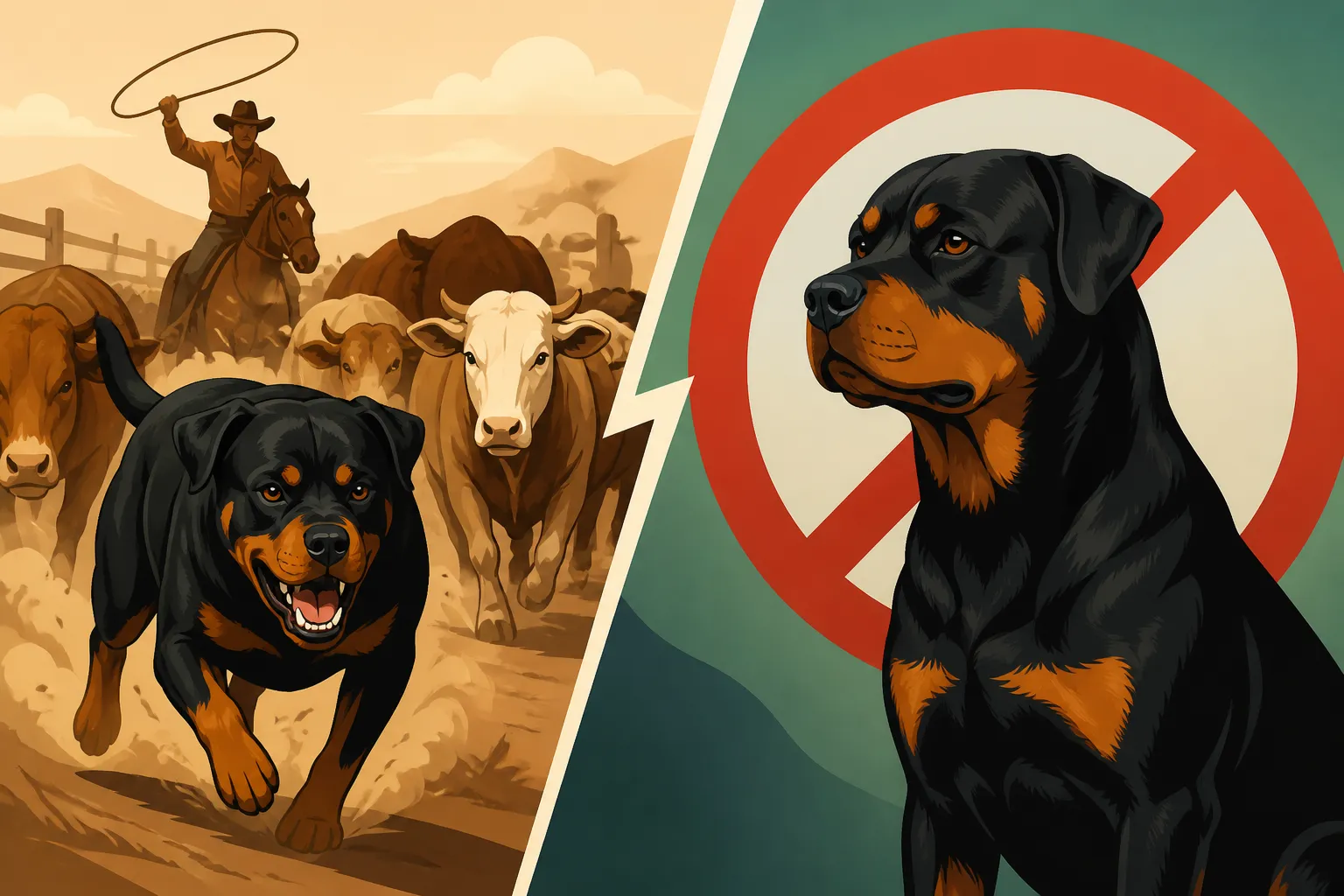
The exact dates varied by region, but by the turn of the 20th century, certainly by the early 1900s, cattle droving as a widespread, legal, and viable profession had largely disappeared. These legislative bans, coupled with the overwhelming economic logic of the railways, effectively brought an end to an ancient practice. This left many Metzgerhunde, and their human partners, without their defining purpose. The impact was profound, as you can imagine, for a breed whose identity was so deeply tied to this work. This period marks The 1800s Ban That Put Rottweilers Out of Work.
The Rottweiler's Struggle and Reinvention
The period following the ban on cattle droving was a dark time for the Rottweiler. Their numbers plummeted, and the breed teetered on the brink of extinction. It’s a testament to their inherent qualities and the dedication of a few fanciers that they survived at all.
Facing Near Extinction
With their primary role gone, many Rottweilers were simply no longer needed. Imagine being a farmer or a butcher who relied on your dog for work; if that work vanishes, it's difficult to justify keeping a large, powerful dog that eats a considerable amount, especially if you're struggling financially yourself. This wasn't a world of pet food subscriptions from Chewy and plush orthopedic beds; dogs were kept for their utility. Without a job, their numbers dwindled dramatically. It’s reported that by the early 1900s, there were very few Rottweilers left, possibly only a handful in the town of Rottweil itself and its surrounding areas. This was a critical juncture for the breed, a true fight for survival that few breeds have faced so starkly.
The Rise of New Roles: Police and Guard Dogs
Fortunately, the Rottweiler's intelligence, strength, and protective instincts were too valuable to be lost entirely. A small group of dedicated enthusiasts recognized these qualities and began to champion the breed for new roles. It was soon discovered that the Rottweiler excelled in police work, proving to be invaluable as search and rescue dogs, guard dogs, and general service animals. Their natural confidence, trainability, and imposing presence made them perfect candidates for these demanding tasks. This re-discovery of their potential saved the breed. In the early 20th century, specifically by 1910, the Rottweiler was officially recognized as a police dog. This marked a significant turning point, providing a new, vital purpose that would ensure their continued existence and eventual resurgence. Rottweilers Among the Earliest Police Dogs is a fascinating read on this topic.
Lasting Legacy of the Drover Dog
Even though the days of moving cattle across Germany are long past, the Rottweiler of today still carries the indelible marks of their ancestors' work. These traits, once essential for the drover dog, are now cherished aspects of their personality and capabilities.
Inherent Traits from a Working Past
Think about the traits that made a successful drover dog: immense physical strength to control large animals, incredible endurance for long journeys, keen intelligence to understand complex commands, and an unshakeable protective instinct. These are precisely the qualities we see in well-bred Rottweilers today. Their sturdy build, deep chest, and powerful jaws all speak to their history as cattle movers and guardians. Their calm, self-assured demeanor, often mistaken for aloofness, is a direct inheritance from a dog that had to assess threats and make decisions independently while out on the trail. Rottweiler Aloofness and Why It Reads as Cold delves deeper into this fascinating characteristic. This working heritage means they thrive with purpose and clear guidance, making early and consistent training vital.
| Rottweiler Trait | Origin in Droving Days | Expression Today |
|---|---|---|
| Physical Strength | Moving and controlling large, stubborn cattle. | Powerful build, robust frame, strong pull on leash. |
| Endurance/Stamina | Long journeys, walking hundreds of miles with herds. | Enjoys long walks, hiking, needs consistent exercise. |
| Protective Instinct | Guarding herds from predators and bandits, money from thieves. | Natural guardian of home and family, watchful of strangers. |
| Intelligence/Trainability | Understanding complex commands, working independently. | Quick to learn, excels in obedience and various dog sports. |
| Calm, Self-Assured Demeanor | Had to remain steady and confident in challenging situations. | Confident, composed, slow to warm up to strangers. |
| Loyalty to Handler | Deep bond with the butcher/drover, working as a team. | Fiercely devoted to family, forms strong attachments. |
Modern Roles Reflecting Old Instincts
Today's Rottweiler might not be driving cattle, but their ancient instincts find expression in many modern activities. They excel in Schutzhund, a sport that tests tracking, obedience, and protection. Many serve as therapy dogs, using their calm presence to comfort people, or as service dogs, leveraging their strength and focus. Even in a family home, their protective nature means they are vigilant guardians, always aware of their surroundings. Providing them with a job, whether it's daily obedience training, puzzle toys from Chewy, or participating in canine sports, taps into that deep-seated need for purpose. Without it, a Rottweiler can become bored and destructive. Remember, Rottweiler Jobs From Police Work to Therapy Visits are still a big part of what makes this breed tick.
The story of the Rottweiler, from indispensable drover dog to beloved companion, is one of remarkable adaptability and the enduring power of selective breeding. The legislative changes that ended cattle droving were a crisis, but ultimately, they led to the rediscovery and appreciation of this magnificent breed's versatility. Understanding this history helps us better appreciate the Rottweiler's temperament and needs, ensuring we honor their past by providing them with fulfilling lives in the present. If you're considering bringing one of these incredible dogs into your life, knowing their historical journey and enduring traits will certainly inform your expectations and commitment.
Disclaimer
This article is for general informational purposes only and does not constitute professional advice. Laws, prices and regulations vary by location and change over time. Consult a qualified professional for guidance on your specific situation.