How a Rottweiler Guarded a Butcher’s Takings
Back in the day, before credit cards and digital payments, cash was king, and carrying around a day's profits after a busy market wasn't just inconvenient, it was genuinely risky. Picture a bustling market town, filled with merchants, travelers, and unfortunately, opportunists looking to lighten someone's purse. For the hardworking butchers of Rottweil, their loyal Rottweilers weren't just companions; they were their living, breathing security systems, safeguarding everything from the day's takings to the butcher himself. This guide dives deep into that historical role, exploring how these powerful dogs earned their "Metzgerhund" (butcher's dog) title by protecting what mattered most.
The Original "Metzgerhund" Role
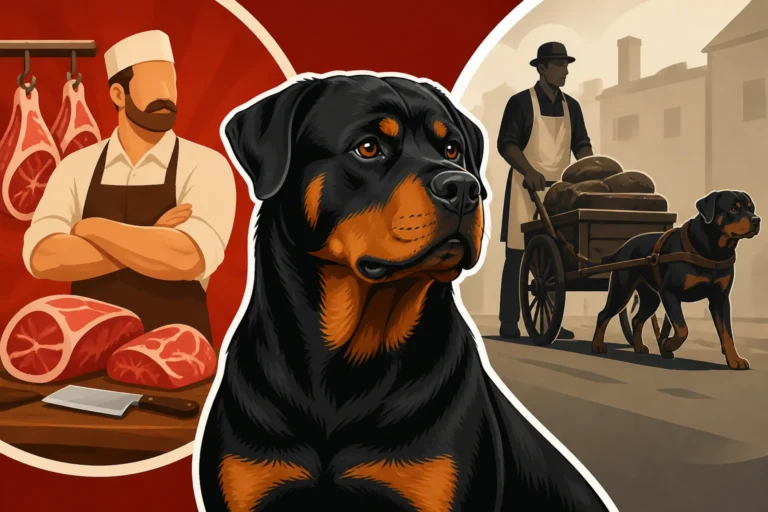
The moniker "Metzgerhund" isn't just a quaint historical term; it perfectly encapsulates the Rottweiler's original purpose and deep connection to the butchers of Rottweil, Germany. These dogs weren't simply pets; they were integral members of the butcher's business, relied upon for their strength, intelligence, and unwavering loyalty in a world far more rugged than our own. Their job description was clear: protect the valuable assets of the trade, most notably the cash earned from a day's hard work.
The Butcher's Trustworthy Companion
Imagine a butcher in the 18th or 19th century, having spent hours at the bustling market. His hands are full, perhaps with unsold cuts, heavy tools, or simply the exhaustion of a long day. He's a visible figure, often carrying the scent of his trade, which, while indicating his profession, also made him a target. He couldn't just stash his earnings in a bank; his income was physical currency, often silver and gold coins, carried on his person. This made him vulnerable. His Rottweiler, however, was his silent, intimidating partner.
The dog would be by his side, a massive, muscular presence that spoke volumes without a single bark. People knew these dogs were not to be trifled with. They were a deterrent just by existing. A potential robber, weighing the risk of tackling a determined butcher and his hundred-pound, powerful dog, would often decide against it. It was about more than just physical defense; it was about projecting an image of unassailable security. The dog’s mere presence was often enough to prevent trouble before it even started. This bond of trust ran deep, as the butcher literally entrusted his livelihood, and often his life, to his canine companion.
Securing the Day's Earnings
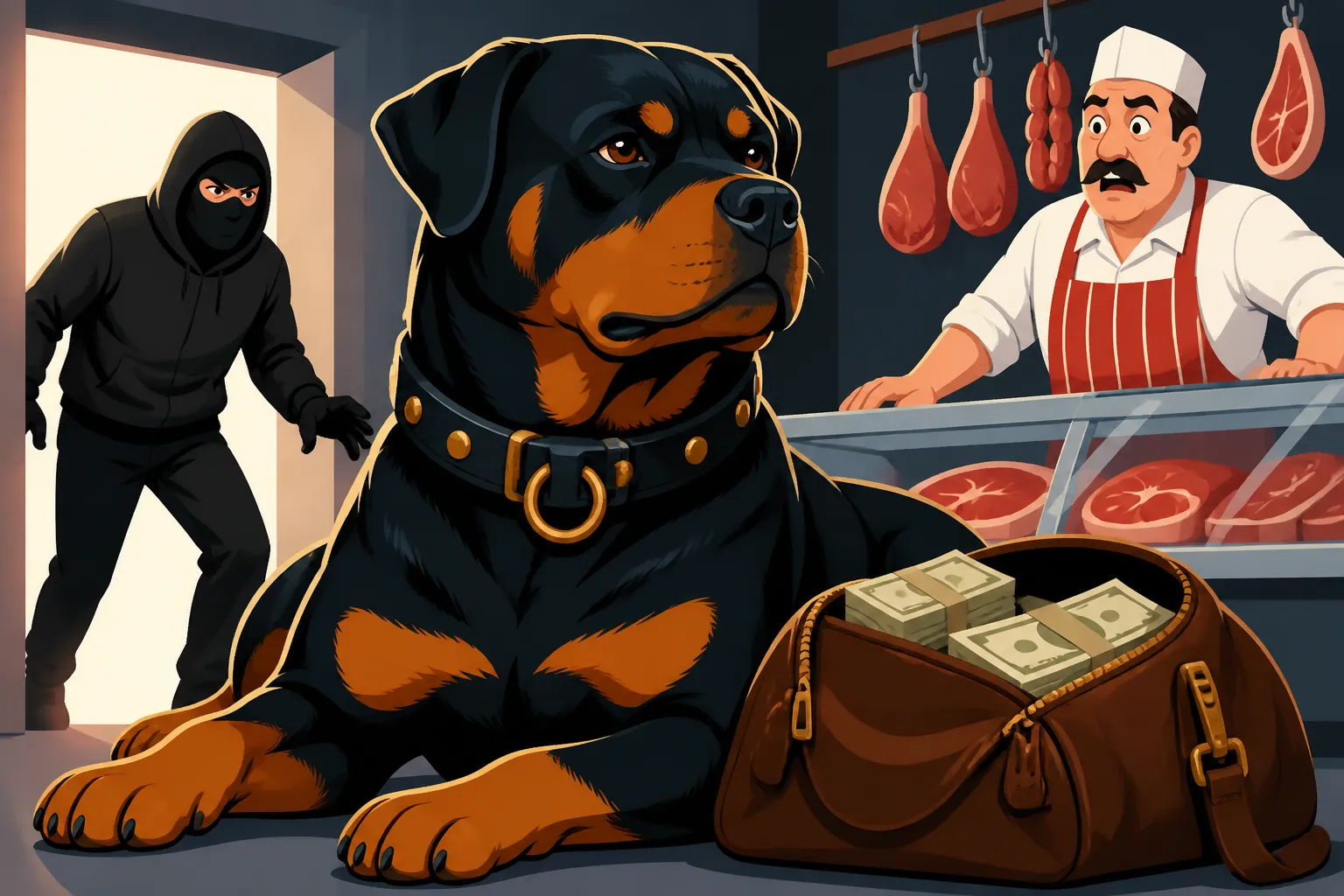
The most iconic image associated with the Metzgerhund is the money pouch. This wasn't just a story; it was a common practice. Butchers would often secure their earnings in a leather pouch, attaching it to their Rottweiler's collar. Why the dog? Because who would dare try to snatch a money pouch from the neck of a vigilant, powerful Rottweiler? The dog wasn't simply guarding the money; the money was physically on the dog, making it an incredibly secure, mobile safe.
Think about the psychology of it. A thief might try to pick a pocket or snatch a bag from a human, but confronting a Rottweiler for its "collar" was a whole different proposition. The dog was bred for strength and guardian instincts, making it perfectly suited to this task. The pouch would be sturdy, designed not to easily break away, and the dog would be implicitly trained, through daily routine and the butcher's trust, to protect what it carried. The weight of the coins didn't bother a large, strong Rottweiler, and its natural tendency to remain close to its owner further enhanced security. This was a practical, effective, and perhaps even a slightly intimidating solution to a very real problem.
Life in the Cattle Town of Rottweil
To truly understand the Rottweiler's original role, we need to picture their hometown: Rottweil. This wasn't some sleepy village; it was a vibrant, often chaotic commercial hub, especially for livestock. The environment was dynamic, full of movement, noise, and people from all walks of life – a perfect storm of opportunity for those with ill intent, and a constant need for reliable protection. You can learn more about The Rottweiler's Home Town as a Cattle Market.
Bustling Markets and Hidden Dangers
The markets of Rottweil were the heart of the town's economy. Imagine crowds of people, cattle bellowing, vendors hawking their goods, farmers negotiating prices, and the constant clatter of hooves and carts. This vibrant atmosphere, while essential for commerce, also created a prime environment for petty theft and more serious robberies. Wealthy merchants and butchers, known to be carrying significant sums of cash, were always potential targets. In an era without widespread law enforcement or quick communication, personal security was paramount.
The dangers weren't just from human opportunists. Large numbers of livestock, sometimes unruly or frightened, could also pose a threat, requiring strong, calm dogs to manage them. What Rottweil Made the Metzgerhund Do was more than just guarding; it was about control and order in a very active setting. The Rottweiler, with its solid build and stoic demeanor, was perfectly equipped to navigate this environment. Its imposing presence helped maintain a respectful distance, and its sharp senses were constantly alert to anomalies in the busy throng.
The Journey Home: Protecting the Butcher and His Wares
The market itself was one thing, but the journey home, often at dusk or after dark, presented its own unique set of risks. Roads were less traveled, shadows were longer, and the cover of night offered anonymity to criminals. A butcher, returning weary but successful, was still a target. It wasn't just the money in the pouch around his dog's neck; it was also the butcher himself. Physical assault for robbery was a grim reality.
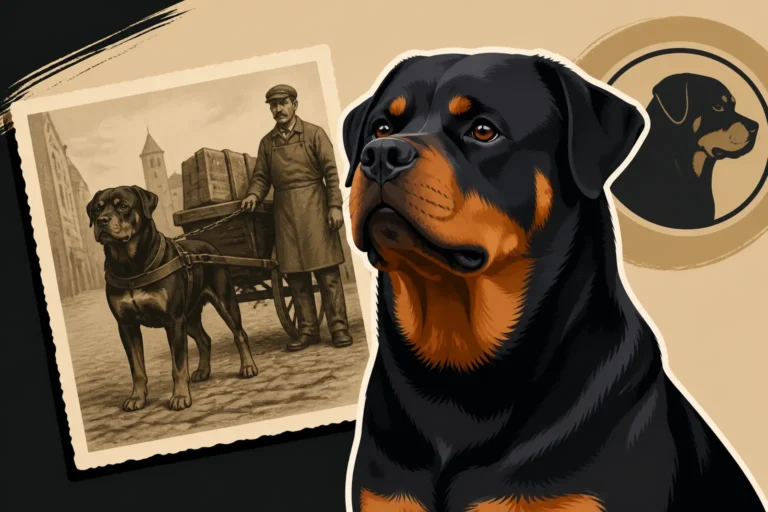
The Rottweiler's job extended to personal protection. These dogs were not just guard dogs for inanimate objects; they were guardians of their human companions. Their loyalty was fierce, and their protective instincts were finely tuned. Imagine the scene: the butcher walking home, perhaps with his cart loaded with supplies, and his powerful Rottweiler walking beside him, or even a little ahead, scanning the path. The dog was his extra pair of eyes and ears, and his formidable strength was a guarantee of defense if needed. This protection ensured the butcher, his family, and his future business were safe, emphasizing just how integrated these dogs were into the fabric of daily life.
Why the Rottweiler Was Uniquely Suited for the Task
It wasn't by chance that the Rottweiler became the "Metzgerhund." Their very nature, refined over generations, made them the ideal candidates for this demanding and crucial role. Their physical attributes combined with their mental fortitude created a canine bodyguard that was both effective and deeply devoted. The traits that made them excellent drover dogs also made them excellent guardians.
Innate Temperament and Strength
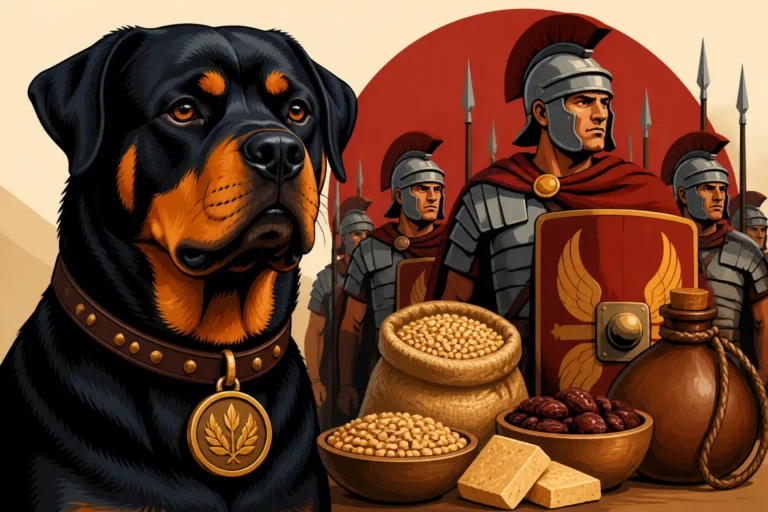
The Rottweiler possesses a unique blend of traits that made them perfect for guarding valuable takings. Firstly, their physical prowess is undeniable. They are powerful, muscular dogs, built for strength and endurance. This raw physical presence was a significant deterrent. Who would want to engage with a dog of such stature? Their strong bite, while hopefully never used, was a known factor that added to their formidable reputation. You can read about The Rottweiler From Roman Cattle Drives to the AKC to understand their long history of working with people and livestock.
Beyond brute strength, their temperament was key. Rottweilers are known for their calm, self-assured demeanor. They aren't prone to frantic barking or unwarranted aggression. Instead, they typically exhibit a "wait-and-see" attitude, observing situations carefully before reacting. This composed confidence meant they wouldn't easily be startled or intimidated. They were watchful, alert, and deeply loyal to their owners. This inherent Rottweiler Temperament and That Self-Assured Aloofness meant they took their guarding duties seriously, not out of aggression, but out of a deep-seated protective instinct and bond with their human. They understood their role and performed it with quiet determination.
Intelligence and Trainability
A dog can be strong, but without intelligence and trainability, it cannot be an effective working partner. Rottweilers excel in this area. They are highly intelligent dogs, capable of learning complex tasks and understanding nuanced commands. This allowed butchers to train them specifically for their guarding duties. It wasn't just about being a big dog; it was about being a smart big dog who understood the parameters of his job.
Training might have involved teaching the dog to stay close, to be wary of strangers approaching too quickly, or specifically to protect the attached money pouch. Repetition and consistency, paired with the dog's natural drive to please its owner, would cement these behaviors. This trainability also meant they could distinguish between a friendly market-goer and a genuine threat, reacting appropriately when danger was present, but otherwise remaining calm. This ability to discern and act accordingly was vital in a busy, unpredictable environment. The bond between butcher and dog was built on mutual respect and the dog's clear understanding of its critical responsibilities.
| Aspect of Role | Historical "Metzgerhund" | Modern Rottweiler (Family Guardian) |
|---|---|---|
| Primary Valuables | Butcher's cash takings (coins), livestock, personal safety | Family members, home, property (perceived threats) |
| Method of Guarding | Physical presence, carrying money pouch on collar, direct intervention if necessary | Alert barking, body blocking, positioning between family and perceived threat, general presence |
| Environment | Bustling, often chaotic open-air markets, dark roads | Home (indoors/outdoors), walks, family outings |
| Threats | Robbers, cattle rustlers, dangerous individuals | Uninvited strangers, suspicious activity, perceived intruders |
| Deterrent Effect | Imposing physical presence, reputation, known protective nature | Imposing physical presence, deep bark, alert posture, reputation |
| Training Focus | Specific protection of cash/person, droving cattle | General obedience, socialization, impulse control, family protection |
The Decline of the "Metzgerhund" Role
While the image of the "Metzgerhund" is powerful and evocative, the world changed, and with it, the specific tasks required of the Rottweiler. The industrial revolution brought new technologies and shifted societal norms, rendering some of their traditional duties obsolete.
Changing Times and the Rise of Railways
The decline of the Rottweiler's role as a direct protector of a butcher's cash takings began with technological advancements. The invention and widespread adoption of railways in the 19th century revolutionized transportation. Instead of drovers, often accompanied by their Rottweilers, moving cattle on foot from pasture to market over long distances, livestock could now be transported much more quickly and efficiently by train. This meant less need for drover dogs.
Furthermore, changes in banking and financial systems, though slower to reach remote areas, gradually reduced the need for individuals to carry large amounts of cash. As towns became more developed and formal law enforcement became more robust, the necessity for a personal, canine bodyguard carrying the day's profits diminished. The economic landscape shifted, and the niche the Metzgerhund filled so perfectly began to shrink. By the early 1900s, the breed itself was on the brink of extinction, with very few remaining specimens. It's a testament to dedicated fanciers that the breed was revived, as detailed in How Few Rottweilers Were Left by 1900.
Modern Rottweilers: Echoes of Their Ancestral Past
Even though today's Rottweilers aren't typically seen walking home from the market with a money pouch around their necks, the echoes of their ancestral past are strikingly present in their modern temperament and behavior. Those deep-seated instincts for protection, loyalty, and discernment are still very much a part of the breed's DNA.
A modern Rottweiler still possesses that inherent The Rottweiler Guarding Instinct and How to Shape It. They are naturally watchful of their home and family. When a stranger approaches the door, you'll often see that characteristic "wait-and-see" demeanor – they observe, they listen, and they assess the situation before deciding on a response. They often form incredibly strong bonds with their families, acting as devoted guardians to their human pack. This protective instinct, when properly channeled through early socialization and consistent training, makes them excellent family dogs and reliable companions. They might not be guarding physical cash, but they are guarding the most valuable treasures of all: their loved ones and their home.
Whether they're acting as working dogs in police or therapy roles, or simply cherished family members, the traits that made them the Butcher's Dog centuries ago continue to define the magnificent Rottweiler today. When you see your Rottweiler quietly observing the neighborhood from the window, or leaning into you for comfort, remember that deep, protective loyalty has been bred into them for generations. Many owners look to high-quality nutrition from trusted brands like Chewy to support the health and vitality of their powerful companions. The instinct to guard is still there, just repurposed for a modern world.
Disclaimer
This article is for general informational purposes only and does not constitute professional advice. Laws, prices and regulations vary by location and change over time. Consult a qualified professional for guidance on your specific situation.