How Roman Legions Used Their Drover Dogs
It’s a common experience for Rottweiler owners to look at their powerful, loyal companions and wonder about their deep roots. These aren't just any dogs; there's a serious history etched into their very being, a legacy that stretches back to ancient times. Many people know generally that Rottweilers have Roman ancestry, but the specifics of how Roman legions actually used the ancestors of our modern Rotties often gets lost in time. This guide is here to unravel that fascinating story, detailing how these incredible drover dogs served the mighty Roman army and how those ancient roles shaped the dogs we cherish today.
The Roman Army's Needs on the March: A logistical Marvel
Imagine trying to feed an army of tens of thousands, sometimes even hundreds of thousands, of soldiers on the move, marching across vast distances, through various terrains, and often far from established supply lines. This wasn't a quick trip to the grocery store; this was a monumental logistical challenge that would make any modern supply chain manager's head spin. The Roman legions were masters of organization, and they understood that a well-fed soldier was a fighting soldier. But how did they keep fresh meat on the table without refrigeration?
Sustaining the Legions: Food Supply Chains in Antiquity
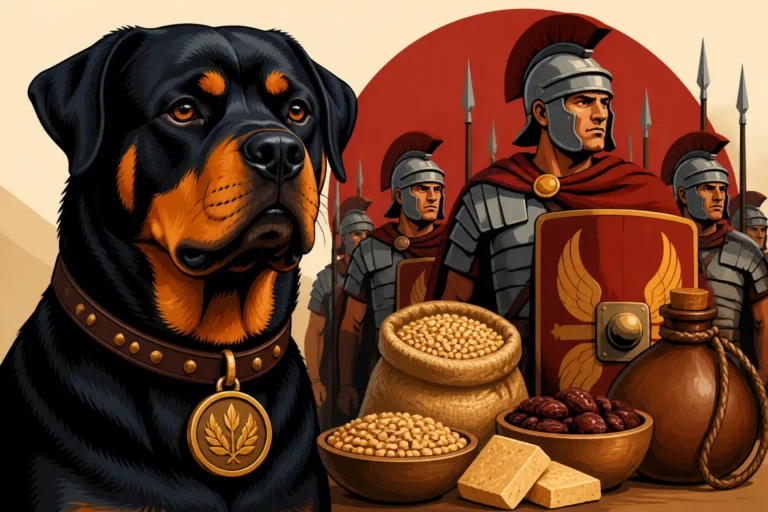
The sheer volume of food required to keep a Roman legion operating was staggering. Each soldier needed a daily ration of grain, typically wheat, along with oil, wine, and, crucially, protein. While dried and salted meats were certainly part of the diet, fresh meat was always preferred for its nutritional value and morale-boosting qualities. Hauling enough preserved food for long campaigns was itself a massive undertaking, and perishable items like fresh meat presented an even greater hurdle. Without modern preservation methods, meat would spoil quickly, especially in warmer climates or during long marches through summer heat. This meant finding innovative ways to ensure a steady, fresh supply.
It wasn't just the soldiers, either. The legions traveled with a vast retinue: engineers, doctors, servants, cavalry horses, pack mules, and even camp followers. All these mouths needed feeding, too. The Roman military machine was a self-sufficient, moving city, and providing daily sustenance was a top priority, often dictating the pace and route of their advance. The solution they found for fresh protein was elegant in its simplicity and relied heavily on a certain type of canine companion.
The Role of Live Cattle Drives
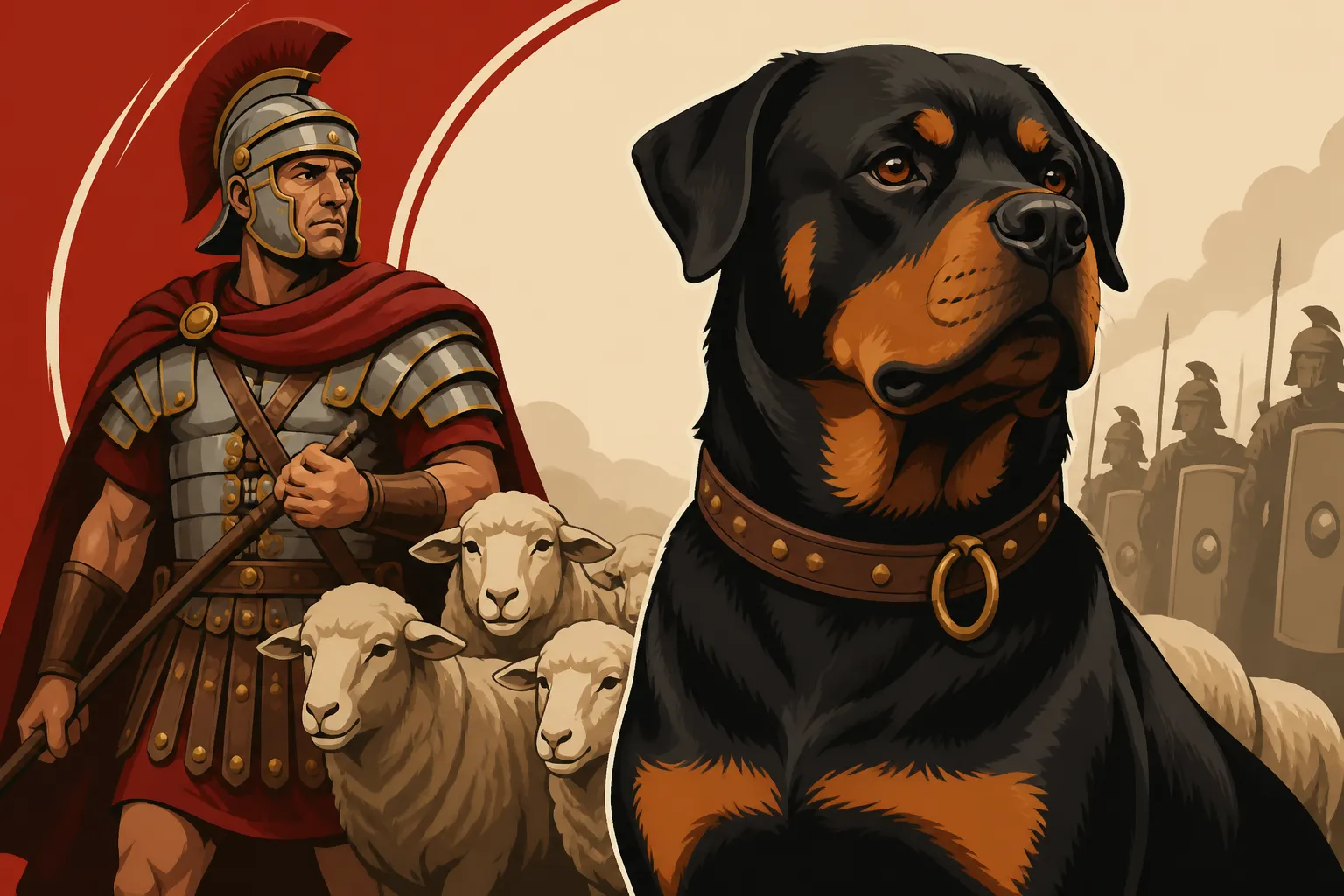
This is where the ancestors of our Rottweilers step into the spotlight. Rather than trying to preserve huge quantities of slaughtered meat, the Romans adopted the practice of driving live herds of cattle, sheep, and goats alongside their legions. These "mobile larders" provided a continuous source of fresh meat. When a legion settled into camp, or before a major engagement, animals could be slaughtered as needed, ensuring the freshest possible provisions. This method significantly reduced spoilage and allowed the army to operate effectively for longer periods in remote territories.
But moving thousands of animals across rugged landscapes, through forests, and across rivers is no easy task. Imagine the chaos if left unchecked! Herds needed to be kept together, guided, and protected from theft or predatory animals. This task fell to specialized dogs: strong, intelligent, and formidable drover dogs. These were not delicate herding dogs; these were robust, powerful canines capable of managing large, unruly livestock and standing their ground against threats. These drives were slow, arduous journeys, and the dogs were indispensable members of the team. What the Romans Fed Their Armies on the March goes into more detail about the specific diet, but it’s clear these live provisions were key.
The Dogs That Moved Armies: Roman Drover Dogs
So, what exactly did these ancient canine colleagues look like, and what were their jobs beyond just pushing cattle forward? These weren't just any farm dogs; they were selected and bred for specific traits that made them ideal companions for the Roman military's unique demands. They were the original "working dogs" in the most literal sense, forming an integral part of the legion's logistical and security apparatus.
Characteristics of a Roman Drover Dog
The dogs accompanying the Roman legions were large, muscular, and incredibly resilient. They had to be. Picture dogs with substantial bone and robust frames, capable of long days on their feet, covering many miles. Their coats were likely short and dense, practical for both warmer Mediterranean climates and the colder, wetter conditions found in northern Europe. They possessed immense strength, not just to move stubborn cattle but also to defend them if necessary. These were dogs with powerful jaws and an intimidating presence, designed to deter both two-legged and four-legged threats.
Their temperament was crucial. While strong and assertive enough to control large livestock, they also needed to be trainable and responsive to their human handlers. These were intelligent dogs, able to understand and execute complex commands within the dynamic environment of a moving army. They were fiercely protective of their charges—whether cattle or human soldiers—and possessed a natural guardian instinct. This balance of strength, intelligence, and protective drive was what made them so valuable. You can still see echoes of this sturdy build in modern Rottweilers; their Rottweiler Size Under the AKC Standard reflects this powerful lineage.
Beyond Herding: Guarding and Camp Security
The drover dogs' duties didn't end when the cattle were safely penned for the night. Their powerful build and protective instincts made them excellent guardians for the camps themselves. Roman camps, even temporary marching camps, were fortified, but sentries still needed extra eyes, ears, and formidable presence. These dogs would patrol the perimeter, acting as an early warning system against raiders or scouts from enemy tribes. Their deep, resonant barks would have signaled danger long before a human sentry might have perceived it.
Furthermore, they guarded the livestock pens themselves. Protecting the mobile food supply was paramount, and these dogs were invaluable in preventing theft or attacks from wild predators like wolves. Their vigilance meant fewer lost animals and a more secure food chain for the legion. These dogs were essentially the Roman army's multi-purpose K9 unit: herder, guardian, and early warning system rolled into one formidable package. This versatility highlights why these dogs were not merely tolerated but actively valued and integrated into the legion's structure.
Tracing the Lineage to the Rottweiler
It's one thing to say that Rottweilers descend from Roman drover dogs, but how did that connection actually happen? How did a dog serving legions on the march transform into the "butcher's dog" of a specific German town? This part of the story is a testament to the enduring qualities of these dogs and the way their utility shaped their survival and evolution over centuries.
From Roman Outposts to Rottweil's Cattle Market
As the Roman Empire expanded, its legions established outposts and settlements across Europe. One such area was what is now southern Germany, specifically the region around the town of Rottweil. When the Roman legions eventually withdrew, their infrastructure, including their livestock and, crucially, their working dogs, often remained. These dogs adapted to civilian life, continuing to work with local populations who also engaged in cattle herding and trade.
The town of Rottweil itself became a bustling hub for cattle trading, especially during the Middle Ages. This was a place where merchants converged, buying and selling large herds. The descendants of the Roman drover dogs found their new calling here, serving the local butchers and cattle dealers. They helped move the cattle from the fields to the market, and then from the market to the slaughterhouses. They were indispensable for managing large, often unruly, animals in a busy town environment. This continuity of purpose—moving and guarding cattle—is the direct thread connecting the Roman drover dogs to the emerging Rottweiler breed. How the Rottweiler's Ancestors Reached Germany elaborates on this historical journey.
The Metzgerhund Emerges: A Town's Special Dog
It was in Rottweil that these dogs earned their famous moniker: "Rottweiler Metzgerhund," or "Rottweil Butcher's Dog." This name perfectly encapsulates their role and location. They were the butchers' companions, guarding their money bags from thieves by tying them around their necks, and herding their cattle with unwavering dedication. The butchers relied on these dogs heavily, not just for their herding abilities but also for their protective instincts against robbers on the roads back from market.
These dogs were robust, calm under pressure, and utterly devoted to their owners and their tasks. They had to be reliable and unflappable, working amidst the noise and commotion of a busy market, distinguishing between harmless passersby and potential threats. The qualities that made them excellent legionary drovers—strength, guardian instinct, and trainability—were precisely what made them perfect for the butchers of Rottweil. The selection process, both natural and intentional, honed these traits over generations, shaping the distinct breed we know today. To understand more about their specific tasks, see What Rottweil Made the Metzgerhund Do.
| Role in Roman Legions | Role in Rottweil's Cattle Market | Shared Characteristics |
|---|---|---|
| Herding live provisions | Herding market cattle | Strong herding instinct, ability to manage large animals |
| Guarding camp perimeters | Guarding butchers' money | Fierce protective drive, territorial instincts |
| Deterring thieves/predators | Deterring robbers/wild animals | Intimidating presence, powerful build, courage |
| Long marches with troops | Long journeys with cattle drives | Endurance, stamina, resilience |
| Integration into daily work | Integration into daily business | Trainability, loyalty to handler, reliable temperament |
What Modern Rottweilers Inherited From Their Roman Ancestors
It's truly remarkable how traits can persist through millennia. When you look at a modern Rottweiler, you're not just seeing a dog; you're seeing a living echo of history. Many of the qualities that make Rottweilers so beloved and, at times, misunderstood, can be directly traced back to their ancient Roman ancestors and their duties. Understanding this heritage helps us appreciate their instincts and guides us in providing the right care and training for them today.
The Enduring Drive to Guard and Protect
Perhaps the most prominent inheritance from their Roman drover dog ancestors is the Rottweiler's profound guarding instinct. This isn't just a learned behavior; it's deeply ingrained. They are naturally watchful, observing their environment with a calm, self-assured air. They are often aloof with strangers, taking their time to assess whether a newcomer is a friend or a potential threat. This "wait and see" attitude, which some might mistake for unfriendliness, is a direct remnant of their duty to protect valuable assets – be it cattle, money, or their human family.
This guarding drive means that early and consistent socialization is absolutely critical for a Rottweiler puppy. You need to channel this natural protective instinct into appropriate behaviors, teaching them who to guard against and when. We want them to be discerning, not indiscriminately aggressive. Their loyalty to their family is unwavering, a trait that makes them incredible companions, but it's vital to remember that this loyalty comes with a strong sense of responsibility to protect what they perceive as "theirs." For guidance on this, consider The Rottweiler Guarding Instinct and How to Shape It. Many of the toys available at retailers like Chewy can help stimulate their guarding and chewing instincts in a positive way.
Strength, Stamina, and a Powerful Presence
Beyond temperament, the physical attributes of the Rottweiler also speak volumes about their ancestry. Their robust, muscular build, solid bone structure, and powerful jaws are not accidental; they are the result of centuries of selective breeding for demanding physical work. These dogs needed the strength to move large cattle, to cover miles on end, and to physically deter threats. They weren't bred for speed or agility in the way a greyhound was, but for sheer enduring power and presence. Why a Rottweiler Was Never Bred for Speed explores this further.
This physical legacy means that modern Rottweilers thrive on regular, appropriate exercise that challenges both their bodies and minds. They have incredible stamina and a high pain tolerance, which can sometimes mask discomfort. It's why things like Rottweiler Growth Plates and Why They Close So Late are so important to understand in puppies – their powerful bodies are still developing. Their powerful jaws, once used to grip and control cattle, now enjoy strong chew toys found at stores like Chewy, helping to satisfy that inherent need to use their mouths. They need durable items that can stand up to their impressive bite force, a testament to their working past.
In essence, when you share your home with a Rottweiler, you're not just living with a pet; you're welcoming a piece of living history. A dog whose ancestors stood guard with Roman legions, moved mighty herds, and protected the livelihood of medieval butchers. It's a profound connection to the past, and one that makes the Rottweiler even more special.
Disclaimer
This article is for general informational purposes only and does not constitute professional advice. Laws, prices and regulations vary by location and change over time. Consult a qualified professional for guidance on your specific situation.