Rottweiler Hair Everywhere and How to Manage It
You’ve brought a magnificent Rottweiler into your home, and while you adore their stoic presence and loyal companionship, you’ve probably quickly realized one thing: their short, sleek coat somehow manages to be everywhere. Despite what many might think, Rottweilers are not low-shedding dogs, and managing their hair can feel like an unending battle. This guide is dedicated to helping you understand why your Rottweiler sheds, the tools and techniques that actually make a difference, and how to keep your home from being completely covered in a fine layer of black and rust.
Understanding Rottweiler Shedding
It's a common misconception that because Rottweilers have short hair, they don't shed much. Oh, if only that were true! Many new Rottweiler owners are caught off guard by the sheer volume of hair these powerful dogs can produce. It's not just a little fuzz; it's a constant, pervasive presence on your clothes, furniture, and floors. Understanding the mechanics of their coat is the first step in winning the war against the tumbleweeds of dog hair.
The Double Coat Myth and Reality
While some sources might simplify it, Rottweilers possess what's often described as a "double coat." It's not the fluffy, voluminous undercoat you might find on a Husky or a German Shepherd, but it's definitely there. Your Rottweiler's coat consists of a coarse, medium-length outer coat that provides protection against the elements and a softer, dense undercoat that acts as insulation. This undercoat is less pronounced in warmer climates and more significant in colder ones, but it’s present in almost all Rottweilers. This dense undercoat is the primary culprit behind the endless shedding, especially during seasonal changes.
Think of it this way: that soft, warm layer next to their skin is constantly renewing itself. When old hairs are shed, they need to be removed to make way for new growth. If you don't actively help them shed this dead hair, it will fall out naturally – all over your home. The Rottweiler breed standard specifically mentions a "short, hard, and thick" outer coat with an undercoat whose presence depends on climatic conditions. So, while it's not a fluffy coat, it’s certainly a dense one, built for protection and warmth, and that density means a lot of individual hairs. Rottweiler Coat Length the Rottweiler Standard Requires delves deeper into what their coat should feel and look like.
Seasonal Shedding Versus Year-Round Hair
Rottweilers are known for their "coat blow" twice a year, typically in spring and autumn. This is when they shed their old seasonal undercoat to prepare for new growth suited to the upcoming weather. In spring, they ditch their thick winter coat for a lighter one, and in autumn, they shed the summer coat to grow in a denser winter layer. During these periods, the amount of hair coming off your dog can be truly astounding. You might find yourself filling entire grocery bags with just a few brushing sessions.
However, it's not just a seasonal event. Rottweilers also shed a moderate amount year-round. This is typical maintenance shedding, where individual hairs reach the end of their life cycle and fall out. Factors like indoor living, artificial light cycles, and consistent indoor temperatures can sometimes blur the lines of true "seasonal" shedding, leading to a more consistent, albeit lighter, shedding pattern throughout the year. So, don't expect a complete reprieve outside of spring and fall; it’s more of a low hum with two annual crescendos. Rottweiler Undercoat Shedding Twice a Year details this phenomenon even further.
What Influences Shedding Beyond Genetics
While genetics certainly play the biggest role, several other factors can influence how much your Rottweiler sheds. Their overall health is paramount. A healthy dog with a balanced diet and good skin condition will typically have a healthier coat that sheds appropriately. Conversely, poor nutrition, skin allergies, stress, or underlying medical conditions can all lead to excessive shedding.
For instance, dietary deficiencies, especially a lack of essential fatty acids, can result in a dull, dry coat that sheds more easily. Stress, often from changes in routine or environment, can also manifest as increased hair loss. Certain medical conditions, like thyroid imbalances – Rottweiler Hypothyroidism and Unexplained Weight Gain covers this – or parasitic infestations, can severely impact coat health and accelerate shedding. It's always wise to consult your veterinarian if you notice a sudden, drastic increase in shedding that isn't tied to seasonal changes, as it could be a sign of an underlying issue. Even the climate you live in matters; dogs in very warm, humid environments might shed a bit more consistently than those in areas with distinct seasonal changes.
Essential Grooming Tools and Techniques
Managing Rottweiler hair effectively isn't about stopping the shedding – that's impossible and unhealthy for the dog – but about proactively removing the dead hair before it decorates your home. This means having the right tools and a consistent grooming routine. Trust me, a few minutes a day can save you hours of vacuuming later.
Brushing Strategies for Maximum Hair Removal
Brushing is your number one weapon against Rottweiler hair. For their short, dense coats, not just any brush will do. You'll need a combination of tools to tackle both the topcoat and the undercoat.
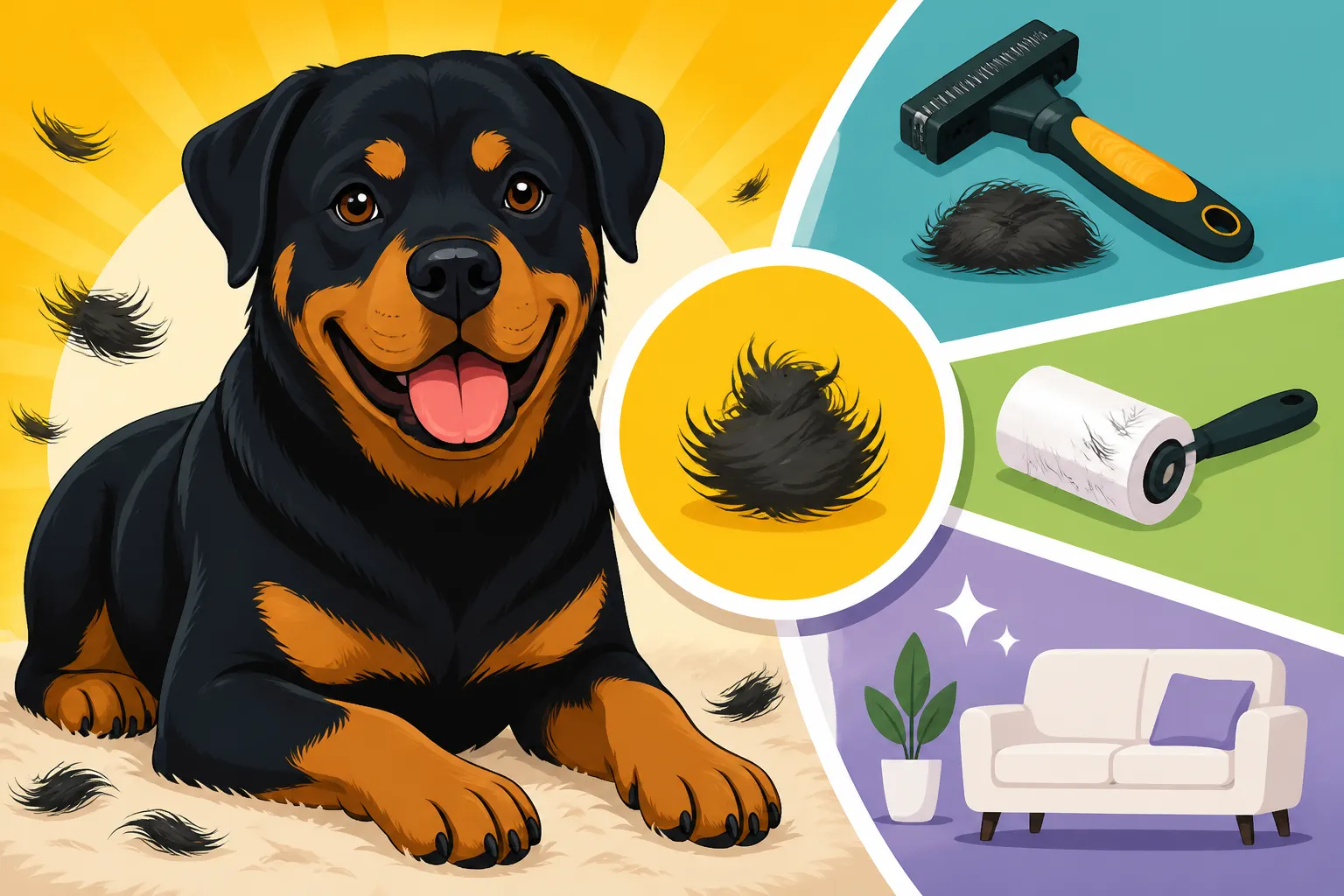
First, invest in a good quality de-shedding tool, like a Furminator or a similar brand. These tools are designed with fine, closely spaced teeth that reach through the topcoat to grab the loose undercoat without cutting healthy hair. Use this tool gently, in short strokes, and be amazed at the sheer volume of hair it removes. Don't press too hard or use it too frequently (more than once or twice a week) as it can irritate the skin. You'll find a good selection on sites like Amazon or Chewy.
Next, a rubber curry brush (like a ZoomGroom) is fantastic for daily brushing. It helps massage the skin, distribute natural oils, and gently lift loose hair from both the outer coat and the more superficial undercoat. It’s also great for getting dirt and debris out of their coat. Finally, a stiff bristle brush can be used to smooth the coat and give it a healthy shine after you've removed the bulk of the loose hair. For detailed recommendations, see Undercoat Rakes for a Short Rottweiler Coat.
Consistency is key. During peak shedding seasons, you might need to use the de-shedding tool 2-3 times a week and the curry brush daily. Outside of those times, 2-3 times a week with the curry brush and once a week with the de-shedding tool should suffice. Always brush your Rottweiler outdoors if possible, especially during heavy shedding, to prevent the hair from entering your home in the first place. You'll be amazed at how much less hair you find indoors if you make outdoor brushing a regular habit.
Bathing for Shed Control
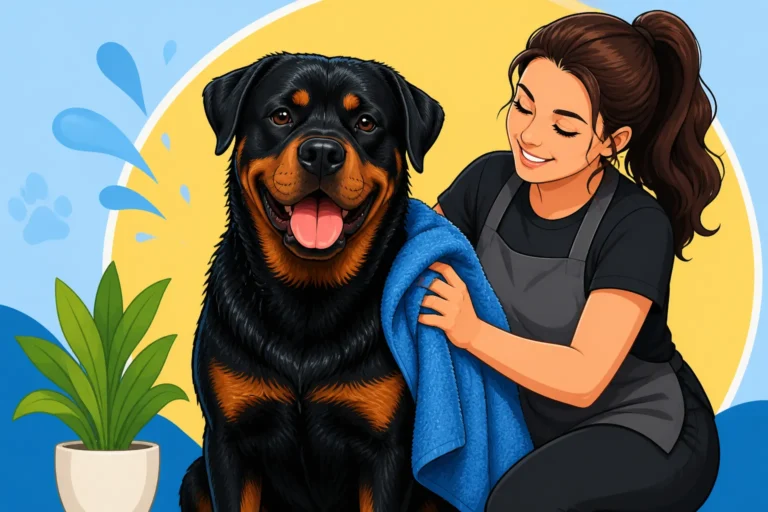
Bathing your Rottweiler can also help in the fight against shedding, but it needs to be done correctly. A good bath can loosen dead hair, making it easier to brush out. Use a high-quality shampoo specifically formulated for dogs, preferably one that promotes a healthy coat. Follow up with a conditioner to moisturize the skin and coat, which can help reduce dryness and further shedding.
After shampooing and rinsing thoroughly, spend extra time working the conditioner into their coat, letting it sit for a few minutes. This can help release more loose hair. When rinsing, use strong water pressure to wash away as much dead hair as possible. Then, as your Rottweiler dries (ideally with a high-velocity pet dryer if you have one, or towels), brush them thoroughly. The friction and air will help push out any remaining loose undercoat.
Be careful not to over-bathe, as this can strip natural oils from their skin and coat, leading to dryness and potentially more shedding. Every 4-6 weeks is generally a good frequency for a healthy Rottweiler, unless they get particularly dirty. For more tips on maintaining their coat health during bathing, refer to Bathing a Rottweiler Without Stripping the Coat Oil. Remember, a single bath for a large dog like a Rottweiler uses a surprising The Shampoo Volume It Takes to Wash a Rottweiler.
Professional Grooming Options
While Rottweilers are not typically considered high-maintenance grooming breeds like poodles, a professional groomer can be a huge asset in shedding management. They have specialized tools and techniques, including high-velocity dryers, that can remove an incredible amount of loose hair in one session. A professional de-shedding treatment often involves a specific shampoo and conditioner, followed by a thorough blow-out and brush-out.
This can be especially beneficial during those heavy seasonal shedding periods, as it can significantly reduce the amount of hair you have to deal with at home for several weeks. Many groomers are also experts at recognizing signs of skin issues or coat problems that you might miss, offering an extra layer of health monitoring. While it's an added expense, the relief from constant hair cleanup can be well worth it, particularly if you find yourself overwhelmed. A good professional groomer can offer advice tailored to your Rottweiler's specific coat condition.
Dietary Approaches to a Healthier Coat
What goes into your Rottweiler's body significantly impacts what comes out – including their hair! A healthy coat and minimized shedding are often direct reflections of a high-quality, balanced diet. You can do a lot to support their skin and coat health right from their food bowl.
The Role of Omega Fatty Acids
One of the most crucial elements for coat health is omega fatty acids, specifically Omega-3 and Omega-6. These essential fats play a vital role in maintaining skin integrity and coat luster. They help reduce inflammation, moisturize the skin, and strengthen hair follicles, which can lead to less breakage and shedding.
Many high-quality dog foods include these fatty acids, but sometimes a supplement can provide an extra boost. Fish oil is a popular and effective source of Omega-3s, and you can find specific dosages recommended for large breeds like Rottweilers. Always consult your vet before adding any new supplements to your dog's diet to ensure proper dosage and suitability. You want to make sure you're using a Fish Oil Dosed for a Hundred Pound Rottweiler to get the maximum benefit without overdoing it. A healthy dose of these good fats can really make a visible difference in the softness and shine of your Rottweiler's coat, and in turn, reduce excessive shedding.
Quality Food and Coat Health
The foundation of a healthy coat starts with the right dog food. Feeding your Rottweiler a premium-quality dog food that lists real meat as the first ingredient, and is free from excessive fillers and artificial additives, is paramount. Look for formulas designed for large breeds, as these often contain appropriate nutrient ratios for their growth and maintenance.
A diet rich in high-quality protein provides the building blocks for strong hair. Ensure the food you choose has a good balance of protein, fats, and carbohydrates, along with essential vitamins and minerals. Some owners find that certain protein sources work better for their individual dog's coat health, and it might take a little experimentation to find the perfect fit. Brands like Ollie, which offer fresh, human-grade food, can sometimes lead to noticeable improvements in coat health and a reduction in shedding for some dogs due to their high-quality, easily digestible ingredients. Always check portion sizes; Feeding an Adult Rottweiler at a Hundred Twenty Pounds provides guidance, as overfeeding can lead to other health issues that might indirectly impact coat quality.
Hydration and Its Impact on Shedding
Often overlooked, adequate hydration is fundamental for overall health, including skin and coat health. A dehydrated dog can have dry, flaky skin, which can contribute to excessive shedding. Think of it like our own skin – when we're dehydrated, our skin often looks dull and feels rough.
Ensure your Rottweiler always has access to fresh, clean water. Offer multiple water bowls around the house, especially if they spend time outdoors, and consider a water fountain to encourage drinking, as some dogs are enticed by moving water. If your dog isn't a big drinker, incorporating wet food into their diet can also help increase their fluid intake. A well-hydrated dog will have healthier skin, and healthier skin means a healthier coat, with less dry, brittle hair breaking off and becoming part of the endless shed cycle.
Home Management and Cleaning Strategies
Even with the most diligent grooming and the best diet, some Rottweiler hair will inevitably end up in your home. Having effective cleaning strategies in place is crucial for maintaining a clean living environment and your sanity. You can't eliminate hair, but you can certainly manage its spread.
Vacuuming and Furniture Protection
Your vacuum cleaner will become your best friend – possibly even more so than your Rottweiler during shedding season! Invest in a vacuum specifically designed for pet hair, as these often have stronger suction, specialized brush rolls, and better filtration to pick up fine pet dander. Make vacuuming a daily habit, especially in high-traffic areas and wherever your Rottweiler spends most of their time.
For furniture, throws and washable covers are an absolute lifesaver. Drape blankets over sofas, chairs, and beds where your dog likes to nap. These can be easily removed and shaken out or tossed into the washing machine, saving your actual furniture from becoming completely matted with hair. You can find many affordable and durable options on Amazon or Chewy. Lint rollers are also incredibly useful for quick touch-ups on clothes and upholstered surfaces before guests arrive. Consider keeping a few in strategic locations around the house and even in your car.
Laundry and Pet Hair
Pet hair has a magical ability to cling to laundry, even after a wash cycle. To combat this, always shake out blankets, dog beds, and hair-covered clothing outdoors before putting them in the washing machine. This removes a significant amount of loose hair that would otherwise clog your washer's filter and redeposit on other items.
When washing, consider using a specific pet hair removal product, such as laundry balls or sponges designed to attract and trap hair in the wash. Adding a half-cup of white vinegar to the rinse cycle can also help relax fabric fibers, allowing trapped hair to be rinsed away more easily. Make sure to clean your washing machine's lint trap (if it has one) and the dryer's lint screen meticulously after every load to prevent hair buildup and improve efficiency. Keeping separate laundry baskets for pet items can also help contain the hair before it even reaches the machine.
Air Filtration and Pet Dander
Beyond visible hair, Rottweilers also produce dander – tiny flakes of skin that are a common allergen. While you can't see it, it contributes to the general "pet smell" and can irritate sensitive individuals. Improving your home's air filtration can help immensely.
Regularly change the filters in your HVAC system, opting for high-efficiency particulate air (HEPA) filters if your system can accommodate them. These filters are designed to capture smaller particles, including pet dander. Portable air purifiers with HEPA filters placed in rooms where your Rottweiler spends a lot of time (like the living room or bedroom) can also make a noticeable difference in air quality. Keep your home well-ventilated by opening windows when the weather permits. While these measures won't stop the shedding itself, they will help remove airborne hair and dander, making your home feel cleaner and reducing allergy triggers. It's all part of the holistic approach to living comfortably with your wonderful, but shedding, Rottweiler.
Disclaimer
This article is for general informational purposes only and does not constitute professional advice. Laws, prices and regulations vary by location and change over time. Consult a qualified professional for guidance on your specific situation.