Gut Support for a Rottweiler After Antibiotics
It's incredibly frustrating when your big, sturdy Rottweiler, after a necessary course of antibiotics, suddenly seems to have a delicate tummy. You just want them to feel better, but instead, you're dealing with loose stools, gas, or a general malaise that leaves them feeling off. This guide is here to walk you through exactly how to support your Rottweiler's gut health after a round of antibiotics, helping them get back to their robust, happy selves.
Understanding the Impact of Antibiotics on Your Rottweiler's Gut
Antibiotics are often life-savers, tackling bacterial infections that could otherwise be truly devastating for our Rottweilers. But as wonderful as they are at targeting the bad bacteria, they aren't always discerning. They can sometimes clear out the good guys right along with the villains, leaving your dog's digestive system in a state of imbalance. This disruption can lead to a whole host of uncomfortable symptoms and can impact their overall well-being far beyond just their tummy.
The Gut Microbiome and Its Importance
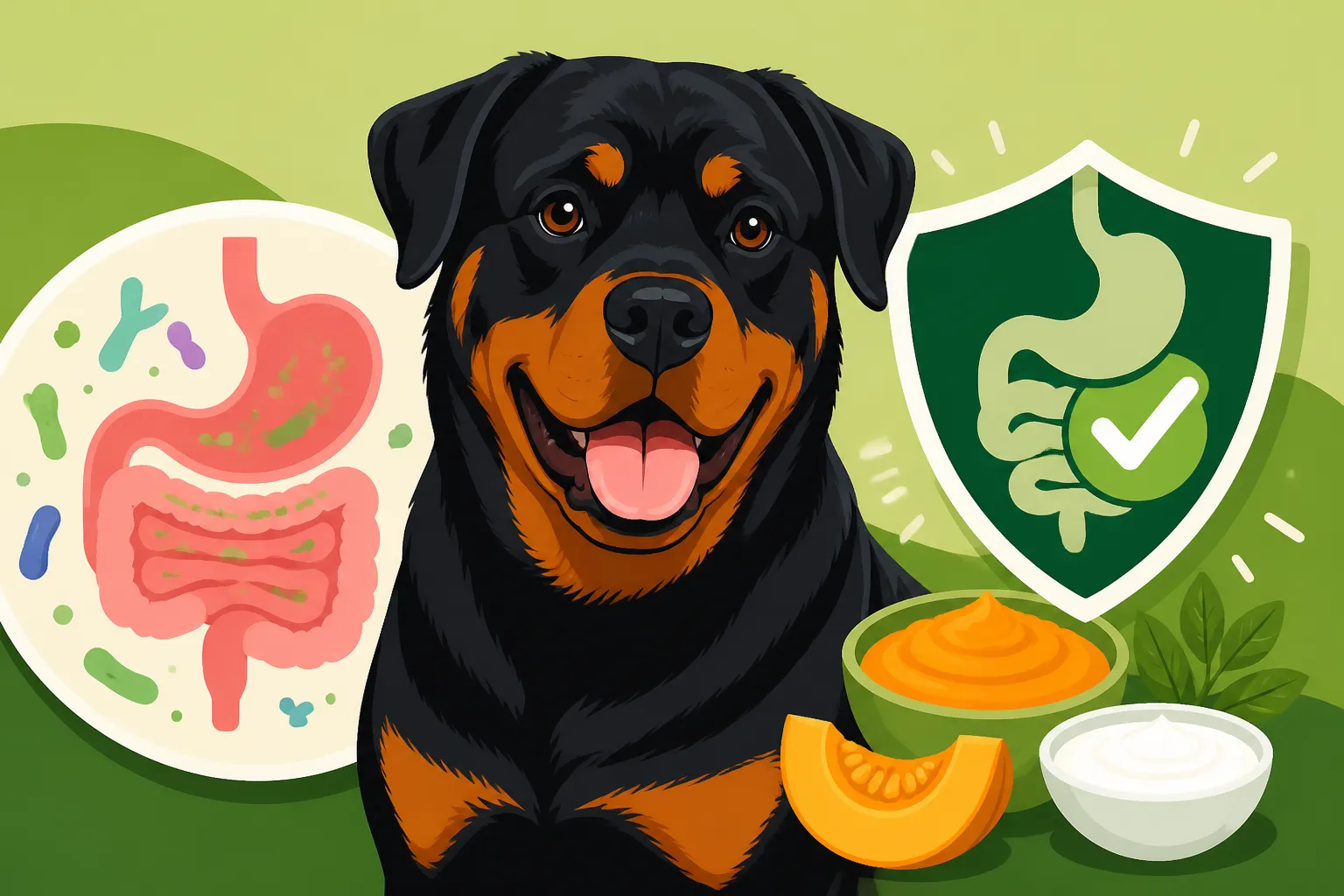
Think of your Rottweiler's gut as a bustling, vibrant city filled with trillions of tiny residents – bacteria, fungi, and other microorganisms. This entire community is what we call the gut microbiome, and it's absolutely vital for their health. These "good" residents aren't just there to digest food; they play a critical role in nutrient absorption, producing essential vitamins, and even regulating their immune system. A healthy microbiome acts as a natural defense barrier against pathogens, influences metabolism, and some research even suggests a connection to mood and behavior. When this complex ecosystem is in harmony, your Rottweiler's body works efficiently, their immune system is strong, and they just feel good. You can almost see it in their shiny coat and bright eyes.
How Antibiotics Disrupt This Delicate Balance
When your vet prescribes antibiotics for an infection, it's because those medications are powerful tools designed to kill specific bacteria. The problem is, they often don't differentiate between the harmful bacteria causing the illness and the beneficial bacteria that are crucial for a healthy gut. It’s like a bulldozer clearing a construction site; it takes out everything in its path. This indiscriminate clearing can drastically reduce the diversity and population of beneficial bacteria in your Rottweiler's gut, a condition known as dysbiosis. The immediate signs of this imbalance are often digestive: diarrhea, soft stools, increased gas, abdominal discomfort, or even vomiting. You might notice they're a bit more lethargic, or their appetite isn't quite what it usually is. It's a clear sign that their internal ecosystem is trying to find its footing again after a significant upset. This can be especially challenging for a large breed like a Rottweiler, where digestive upset can quickly lead to dehydration or other complications.
Restoring the Good Guys: Probiotics for Rottweilers
Once the antibiotic course is finished, or sometimes even concurrently (with your vet's guidance, of course!), the focus shifts to repopulating that bustling gut city with beneficial microorganisms. This is where probiotics come in – they're essentially live microorganisms intended to provide health benefits when consumed, much like adding good seeds back into a garden. For a large, powerful dog like a Rottweiler, getting the right kind and dosage of probiotics can make a real difference in how quickly they bounce back.
Choosing the Right Probiotic Supplement
Not all probiotics are created equal, especially when you're looking for something effective for a Rottweiler. You'll want to seek out supplements specifically formulated for dogs, as human probiotics might not contain the right strains or concentrations for canine digestive systems. Look for products that list specific bacterial strains, such as Lactobacillus acidophilus, Bifidobacterium animalis, Enterococcus faecium, or Bacillus coagulans. A blend of strains is often best, providing a broader spectrum of support. The number of Colony Forming Units (CFUs) is also important; for a large dog, you'll generally need a higher CFU count than for a smaller breed, often in the billions.
Probiotics come in various forms: powders that you sprinkle on food, tasty chews, or capsules. Powders are often easy to mix into meals, while chews can be a good option if your Rottweiler is picky. Brands like Purina Pro Plan FortiFlora or VetriScience are often recommended by vets and readily available on sites like Chewy or Amazon. Always check the expiration date to ensure the live cultures are still viable, and store them according to the manufacturer's instructions, as some require refrigeration. Don't be shy about asking your vet for specific recommendations tailored to your Rottweiler's needs.
When and How to Administer Probiotics
Timing is crucial when giving probiotics after antibiotics. Generally, it's best to start administering probiotics after the antibiotic course is completed. If your vet advises giving them concurrently, ensure there's at least a few hours' gap between the antibiotic dose and the probiotic dose. This helps prevent the antibiotic from immediately killing off the new beneficial bacteria you're trying to introduce. For example, if your Rottweiler gets their antibiotic in the morning, give the probiotic with their evening meal. Consistency is key; probiotics aren't a one-off fix. You'll need to give them daily for several weeks, or even longer, to help fully re-establish a healthy gut flora.
The duration of probiotic administration can vary. Some dogs may only need a few weeks to recover, while others, especially those with more severe or recurring digestive issues, might benefit from ongoing daily supplementation. Always follow the specific dosage instructions on the product label, adjusting for your Rottweiler's weight, and discuss the optimal duration with your veterinarian. Remember, the goal is to build a strong, resilient gut, which takes time and consistent effort.
Natural Probiotic Sources for Rottweilers
Beyond commercial supplements, there are a few natural foods that can provide a boost of probiotics to your Rottweiler's diet. Plain, unsweetened yogurt or kefir are often popular choices. These dairy products contain live active cultures that can contribute to a healthy gut. When choosing yogurt or kefir, make absolutely sure it contains no artificial sweeteners like xylitol, which is highly toxic to dogs. A tablespoon or two mixed into their food, or as a special treat, can be a great way to introduce beneficial bacteria.
Fermented vegetables, like a small amount of unsalted sauerkraut (lacto-fermented, not vinegar-based), can also offer probiotics, but these should be introduced very cautiously and in tiny amounts for a large dog, as their strong flavor and acidity can sometimes cause digestive upset if overdone. As with any new food, start small and observe your Rottweiler for any adverse reactions. While these natural sources are helpful, they often don't provide the concentrated, targeted strains found in veterinary-specific probiotic supplements, so they are best used as a complementary approach.
Supporting Gut Health with Diet and Fiber
While probiotics are busy restocking the good bacteria, what your Rottweiler eats plays an equally critical role in nurturing that environment and allowing their digestive system to heal. A thoughtful approach to diet, especially in the immediate aftermath of antibiotic treatment, can significantly speed up recovery and prevent further upset.
The Role of a Bland Diet During Recovery
When your Rottweiler's gut is recovering from antibiotic treatment, it's often inflamed and sensitive. Introducing a bland diet can give their digestive system a much-needed break, allowing it to rest and heal without being overwhelmed by rich or complex foods. The classic "BRAT" diet for humans has a canine equivalent that works wonders: plain, boiled, boneless, skinless chicken breast mixed with plain, cooked white rice. The chicken provides easily digestible protein, while the rice is a simple carbohydrate that's gentle on the stomach and helps firm up stools.
Another excellent addition to a bland diet is plain, canned pumpkin (not pumpkin pie filling, which contains spices and sugar). Pumpkin is a fantastic source of soluble fiber, which can help regulate bowel movements, whether your Rottweiler is experiencing diarrhea or constipation. You can start with small, frequent meals of this bland mixture, gradually increasing the quantity as their digestion improves. Once their stools are consistently firm and they are eating well, you can slowly begin transitioning them back to their regular high-quality dog food over several days, mixing increasing amounts of their normal food with decreasing amounts of the bland diet. This gradual approach minimizes further digestive upset. Rottweiler Flatulence and Diet Changes can often be mitigated by a careful dietary transition like this.
Adding Prebiotic Fiber to the Diet
While probiotics are the "good bacteria" themselves, prebiotics are essentially the food that helps these beneficial bacteria thrive. Think of them as fertilizer for your gut garden. Including prebiotic fiber in your Rottweiler's diet creates an optimal environment for the newly introduced probiotics to colonize and flourish, strengthening their gut microbiome long-term.
Excellent sources of prebiotic fiber for Rottweilers include the aforementioned plain canned pumpkin, cooked sweet potato, and even a small amount of psyllium husk powder (introduced very gradually and with plenty of water). These fibers pass undigested into the large intestine, where they are fermented by the beneficial gut bacteria, stimulating their growth and activity. This process also produces short-chain fatty acids, which have a host of benefits for gut health, including nourishing the cells lining the colon. You can find these ingredients easily on Chewy or at your local grocery store. Some high-quality dog foods specifically include prebiotics like FOS (fructooligosaccharides) or inulin. Consider fresh food delivery services like Ollie which often prioritize whole, natural ingredients that can be gentler on a recovering gut and may naturally contain good sources of fiber. For a young Rottweiler, ensuring proper nutrition is vital, and Why a Rottweiler Puppy Needs Large Breed Formula highlights the importance of gut health from an early age.
Hydration and Monitoring for Complications
Even with the best gut support and a carefully managed diet, the recovery process isn't always linear. Keeping a close eye on your Rottweiler and ensuring they stay well-hydrated are critical steps to prevent minor setbacks from becoming more serious health issues. Their large size means dehydration can progress quickly and be quite dangerous.
Ensuring Adequate Water Intake
When a Rottweiler experiences diarrhea, they can lose a significant amount of fluids and electrolytes very rapidly. Dehydration is a serious concern, especially for a large breed like yours. It's absolutely paramount to ensure your Rottweiler has constant access to fresh, clean water. If they're not drinking enough on their own, you might need to get creative. Try offering water mixed with a small amount of low-sodium chicken or beef broth to make it more appealing. Ice cubes can also be enticing for some dogs, or you can even offer water from a different bowl or location than usual. Some find that a pet fountain encourages more drinking.
Monitor their water intake closely. Signs of dehydration include dry, tacky gums (they should be moist and slippery), sunken eyes, and reduced skin elasticity (when you gently pinch the skin on their back, it should snap back quickly). If you suspect your Rottweiler is becoming dehydrated, don't hesitate to contact your vet. In some cases, subcutaneous fluids administered by a vet might be necessary to rehydrate them safely. The Emergency Signs That Send a Rottweiler In definitely include severe dehydration.
When to Call the Vet
While gut support strategies are incredibly helpful, they are complementary to, not a replacement for, professional veterinary care. It's important to know when a simple upset has escalated into something that requires immediate medical attention. If your Rottweiler's diarrhea is severe, doesn't improve within 24-48 hours despite bland diet and probiotics, or worsens, it's time to call your vet.
Other red flags include persistent vomiting, lethargy, significant loss of appetite for more than a day, or any signs of severe abdominal pain (like pacing, restlessness, or a hunched posture). If you see blood in their stool – either bright red or dark, tarry stools – or if they develop a fever, these are all urgent reasons to contact your veterinarian immediately. These symptoms could indicate a more serious underlying issue or a complication that needs prompt diagnosis and treatment. Remember, your vet is your best partner in ensuring your Rottweiler's health and recovery, and early intervention can make all the difference. Knowing What a Rottweiler Costs Across Its Whole Short Life often includes budgeting for these unforeseen vet visits.
| Gut Support Component | Description | Example Sources | Primary Benefit |
|---|---|---|---|
| Probiotics | Live beneficial microorganisms that replenish gut flora | Commercial dog probiotics (e.g., Purina FortiFlora), plain unsweetened yogurt/kefir | Rebalances gut microbiome, aids digestion |
| Prebiotics | Non-digestible fibers that feed beneficial gut bacteria | Plain canned pumpkin, cooked sweet potato, psyllium husk | Promotes growth of good bacteria, stool regulation |
| Bland Diet | Easily digestible foods to soothe and rest the digestive tract | Boiled chicken and white rice, plain scrambled egg | Reduces gut irritation, allows healing, firms stool |
| Hydration | Adequate fluid intake to prevent dehydration and aid recovery | Fresh water, low-sodium broth, ice cubes | Prevents dehydration, supports bodily functions |
Disclaimer
This article is for general informational purposes only and does not constitute professional advice. Laws, prices and regulations vary by location and change over time. Consult a qualified professional for guidance on your specific situation.