Whether a Rottweiler Should Drink After Exercise
Oh, the post-exercise thirst! It's one of those deeply ingrained behaviors in our dogs, isn't it? After a good romp, a long walk, or even just an energetic play session in the yard, your Rottweiler will naturally head straight for the water bowl, ready to gulp down as much as possible. And it’s completely understandable – they've worked up a sweat (or at least, generated a lot of internal heat), and their body is crying out for replenishment. However, with a magnificent breed like the Rottweiler, that instinctive, rapid consumption of water can sometimes pose a very real and serious risk. This guide will walk you through why that urgent gulping can be dangerous for your big dog, how to manage their hydration safely, and what to look out for to ensure your Rottweiler stays healthy and happy after their physical activity.
Understanding the Rottweiler's Post-Exercise Thirst
It’s a tale as old as time: dog plays hard, dog gets thirsty, dog drinks like there’s no tomorrow. But for a Rottweiler, with their deep chests and robust build, this seemingly innocent act can quickly escalate into a worrying situation. We've all seen them: panting heavily, eyes fixed on the water bowl, and then, glug, glug, glug. It's their body's way of cooling down and rehydrating, but their physiology means we, as their guardians, need to step in and apply some careful management.
The Immediate Instinct to Gulp
Imagine coming in from a strenuous workout on a hot day. What’s the first thing you want? A big, cold drink, right? Your Rottweiler feels the exact same way. Their body temperature has risen, they've been expelling heat through panting, and their hydration levels have dropped. The instinct to drink, and to drink quickly, is incredibly powerful. They aren't thinking about the potential consequences; they're simply responding to a primal need. They might push their entire muzzle into the bowl, sucking up water at an alarming rate, often taking in a lot of air right along with it.
This rapid intake isn't just about quenching thirst; it’s also a quick way for their body to try and regulate temperature. The cool water can help bring down core body temperature, especially on warmer days. However, this fast, voluminous drinking means their stomach fills up quickly with both liquid and swallowed air, creating a dangerous internal environment that is unique to breeds like ours.
Why Rottweilers Are Prone to Bloat
The critical concern for Rottweiler owners when it comes to post-exercise drinking is Gastric Dilatation-Volvulus, or GDV, more commonly known as bloat. Rottweilers are a classic deep-chested breed, which puts them at a significantly higher risk for this life-threatening condition. The shape of their rib cage and abdominal cavity creates space for their stomach to distend and twist.
When a Rottweiler exercises vigorously, then rapidly consumes a large volume of water (and often air along with it), their stomach can become distended like a balloon. This distension alone is called Gastric Dilatation. If the stomach then twists, trapping the contents and cutting off blood supply, it becomes Gastric Dilatation-Volvulus. This is an emergency that progresses incredibly fast and requires immediate veterinary intervention. Recognizing Bloat in a Rottweiler in its early stages can save a life, and understanding the triggers, like rapid water intake after exercise, is paramount for prevention.
The Dangers of Too Much, Too Fast
While the urgency of their thirst is natural, the way a Rottweiler typically satisfies it after exertion can lead to two main serious health issues: bloat and, less commonly, water intoxication. Both are critical conditions that every Rottweiler owner needs to be aware of and actively work to prevent.
Gastric Dilatation-Volvulus Bloat Explained
Bloat is truly a Rottweiler owner's nightmare. It happens when the stomach fills with gas, food, or fluid, then twists on its axis. This twisting cuts off blood flow to the stomach and often the spleen, and obstructs the normal passage of gas or food. The pressure builds, affecting breathing and circulation. The symptoms come on fast: your dog might try to vomit but nothing comes up, they might drool excessively, pace, act restless, or have a visibly distended abdomen. They might even assume a "prayer" position with their front end down and rear end up, trying to alleviate pain.
Rapid gulping of water, especially after exercise, is a known trigger for bloat. The large volume of liquid, combined with the air swallowed during frantic drinking, creates the perfect storm for the stomach to distend. This distension, coupled with the instability of the stomach in a deep-chested dog that might still be moving around, makes it susceptible to twisting. It's not just about what they drink, but how and when they drink it. Rottweiler Bloat Surgery and the Odds of Survival are improved by quick action, but prevention is always the best course.
Water Intoxication: A Less Common but Serious Risk
While bloat is the more common concern with Rottweilers and post-exercise hydration, water intoxication (also known as hyponatremia) is another, albeit rarer, danger. This occurs when a dog consumes an excessive amount of water too quickly, diluting the electrolytes, particularly sodium, in their body. When sodium levels in the fluid outside cells drop significantly, water moves into the cells to try and balance the concentration. This causes cells, including brain cells, to swell.
Symptoms of water intoxication can include lethargy, bloating, vomiting, staggering, drooling, dilated pupils, and in severe cases, seizures, coma, and even death. This is often seen in dogs that play extensively in water, constantly dunking their heads or retrieving toys, inadvertently swallowing large amounts of water. While not directly linked to post-exercise drinking from a bowl as much as water play, it's important to be aware that any excessive, rapid water intake can lead to this dangerous electrolyte imbalance. If your Rottweiler enjoys water games, ensure they take frequent breaks from ingesting water and monitor them closely for any of these signs.
Smart Hydration Strategies for Your Rottweiler
So, knowing the risks, how do we safely hydrate our thirsty Rottweilers after a good workout or play session? The key is moderation, timing, and using tools that encourage slower consumption. It's about meeting their needs without triggering the dangers associated with rapid intake.
Portion Control and Slow-Feeding Water Bowls
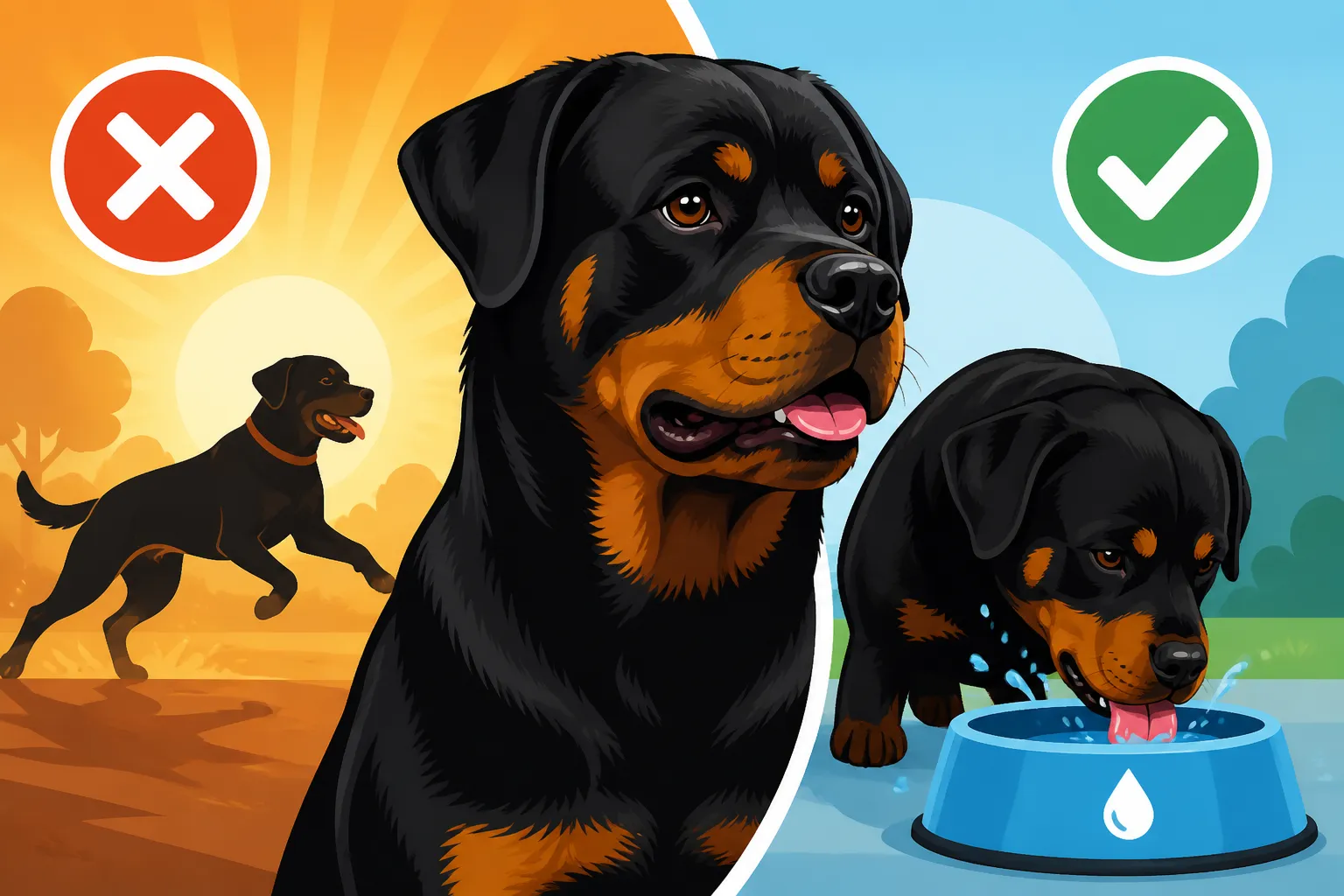
Instead of allowing your Rottweiler unlimited access to a full bowl of water immediately after exercise, offer small, controlled portions. Think of it as a "sip and rest" approach. Offer a cup or two of water, then remove the bowl for 5-10 minutes, allowing their stomach to settle and absorb some of the liquid. Repeat this a few times until their panting has subsided and they seem more comfortable. This prevents the large volume of fluid and air from entering their stomach all at once.
Consider investing in a slow-feeding water bowl. These bowls are designed with obstacles or mazes that force your dog to drink more slowly, taking smaller sips. You can find a variety of these bowls, sometimes called anti-gulping bowls, online from retailers like Chewy or Amazon. They come in different designs, from those with raised patterns in the base to floating discs that limit the surface area of the water. These can be incredibly effective in mitigating the risk of bloat by reducing the amount of air swallowed and preventing rapid stomach distension.
| Method | Description | Benefits | Risks of Non-Compliance |
|---|---|---|---|
| Small, Frequent Portions | Offer 1-2 cups every 5-10 minutes post-exercise. | Prevents rapid stomach filling, reduces swallowed air. | Bloat (GDV), severe stomach distension. |
| Slow Feeder Water Bowl | Bowl with obstacles or floating disc to slow drinking. | Encourages smaller sips, less air intake. | Still possible for very determined gulpers without portion control. |
| Room Temperature Water | Avoid extremely cold or icy water. | May reduce stomach spasms, less shock to system. | Anecdotal link between icy water and bloat (not scientifically proven). |
| Rest Before Drinking | Allow 10-15 minutes of calm before first drink. | Reduces immediate desperate gulping, allows body to settle. | Intense thirst leads to frantic drinking. |
| Monitor After Drinking | Watch for signs of bloat (pacing, retching, distension). | Early detection crucial for survival. | Delayed action can be fatal. |
Timing and Temperature Matter
The timing of when your Rottweiler drinks after exercise is just as crucial as how much and how fast. It's a good practice to allow your dog to cool down and calm their breathing for about 10-15 minutes before offering any water. This period of rest allows their body to transition from an active state to a more relaxed one, reducing the frantic urgency to drink. During this time, they might still be panting, but the immediate, desperate thirst will lessen slightly, making them less likely to gulp quite so aggressively.
Regarding temperature, there's some anecdotal discussion among dog owners and vets about whether extremely cold or icy water can contribute to bloat by potentially causing stomach spasms. While scientific evidence is not conclusive on this, it's generally a safer bet to offer cool, but not icy, water. Room temperature water is perfectly fine and often preferred. On a hot day, offering slightly cooler water can aid in cooling, but avoid anything that might feel like a shock to their system. Ensure fresh water is always available in their main bowl throughout the day, separate from their post-exercise routine. Remember Water Intake for a Rottweiler on a Hot Day is crucial, but it needs to be managed carefully.
Travel and On-the-Go Hydration
When you're out and about with your Rottweiler – hiking, at the dog park, or traveling – managing their water intake can be a bit trickier. It's easy to just open a bottle and pour, letting them drink freely. However, the same rules apply. Portable water bottles with attached drinking cups are fantastic for on-the-go hydration because they allow you to control the amount of water offered. Many brands available on Amazon offer these convenient options, allowing you to dispense a small amount into a cup for your dog to lap, then close it off.
Instead of a big, continuous stream of water from a hose or a communal water fountain, which can also lead to gulping and swallowing air, use your portable bottle to offer small, frequent drinks. Plan your hydration stops, especially on long walks or during strenuous activities. Offer a few sips every 15-20 minutes, even if your dog doesn't seem overtly thirsty, to maintain their hydration levels evenly and prevent them from becoming excessively parched, which could then lead to frantic drinking when water is finally offered. Remember, How Long to Wait After a Rottweiler Meal Before Exercise is important, and the same principle of not rushing things applies to water intake.
Recognizing the Warning Signs and When to Act
Even with the best preventative measures, it's vital to know the signs that something might be wrong. Rottweilers are stoic, and sometimes their distress isn't immediately obvious, but when it comes to bloat or other critical issues, every minute counts. Being vigilant after exercise and water intake is part of being a responsible Rottweiler owner.
Bloat Symptoms to Watch For
As mentioned, bloat is an emergency. If your Rottweiler has just exercised, drank water, and starts exhibiting any of these symptoms, do not hesitate: get to an emergency vet immediately.
- Retching without vomiting: This is one of the most classic signs. Your dog will try to throw up, but nothing, or only a little foamy liquid, comes out. This indicates their stomach is likely twisted.
- Distended abdomen: Their belly might look swollen, especially on the left side, and feel hard to the touch. This can be subtle at first, but progresses rapidly.
- Pacing and restlessness: They can't get comfortable, they might whine, constantly shift positions, or pace around the room.
- Drooling: Excessive drooling can be a sign of discomfort and nausea.
- Pain: They might whimper or cry if you touch their abdomen.
- Weakness or collapse: As the condition worsens, they may become weak, have pale gums, or even collapse.
- Rapid, shallow breathing: The distended stomach can put pressure on their diaphragm, making breathing difficult.
If you see these signs, it's not a "wait and see" situation. Call your vet or emergency clinic while you are on the way, so they can be prepared for your arrival. What Rottweiler Bloat Looks Like in the First Hour is a good resource to familiarize yourself with these critical early indicators.
Other Signs of Distress After Exercise and Water
Beyond bloat, there are other signs that your Rottweiler might be experiencing distress after exercise and water intake. While not always life-threatening, they warrant attention.
- Prolonged excessive panting: While some panting is normal after activity, if it's extreme, doesn't subside after 15-20 minutes of rest, or sounds unusually labored, your dog might be overheating. Rottweiler Heat Exhaustion Warning Signs are crucial to know, as dehydration can contribute to this.
- Vomiting actual water: If they drink a small amount and immediately vomit it back up, it could indicate they drank too fast, or have an underlying stomach upset. If it's a one-off, monitor them. If it recurs, consult your vet.
- Extreme lethargy or weakness: While they should be tired after exercise, true lethargy, where they are unresponsive or seem unusually weak, is a red flag. This could point to anything from overheating to more serious underlying health issues.
- Disorientation or confusion: These are more severe signs, potentially indicating heatstroke or, in very rare cases, water intoxication if they've had access to excessive water during play.
Always err on the side of caution. Your Rottweiler relies on you to recognize when something isn't right. By understanding the specific risks associated with their breed and rapid post-exercise hydration, you can implement smart management strategies and be prepared to act quickly if an emergency arises. It truly makes all the difference in their long-term health and wellbeing.
Disclaimer
This article is for general informational purposes only and does not constitute professional advice. Laws, prices and regulations vary by location and change over time. Consult a qualified professional for guidance on your specific situation.