Rottweiler Rescue Home Checks and Applications
Adopting a Rottweiler through a rescue can feel like navigating a maze of paperwork and personal inquiries, leaving many potential owners wondering if their home will ever measure up. It's a common frustration to pour your heart into an application, only to then face the daunting prospect of a home check, wondering what hidden criteria you might be missing. This comprehensive guide aims to demystify the entire process of Rottweiler rescue home checks and applications, explaining the "why" behind each step and equipping you with the knowledge to confidently present your home as the perfect forever haven for a deserving Rottweiler.
Understanding the "Why" Behind Rescue Applications and Home Checks
It's easy to feel like rescue organizations are intentionally trying to put up barriers, but the truth is, every question on that application and every aspect of a home check serves a crucial purpose. These steps are born out of experience, often heartbreaking, and designed to safeguard the dogs in their care.
More Than Just Paperwork: The Rescue's Mission
Imagine a rescue that takes in a magnificent Rottweiler, perhaps one found stray or surrendered due to circumstances completely out of their control. This dog might come with a history, a past that includes neglect, fear, or simply a lack of proper training. The rescue invests time, money, and immense emotional energy into rehabilitating this dog – providing veterinary care, high-quality food (perhaps even special diets from places like Ollie), training, and a safe foster environment. Their primary mission, above all else, is to ensure this dog's next home truly is their forever home. They're not looking to place a dog quickly; they're looking to place a dog right.
When you fill out an application, you're not just providing data; you're painting a picture of the life you can offer. The rescue uses this picture, along with other tools like home checks and interviews, to carefully match the right dog with the right family. This thoroughness is particularly vital for a breed like the Rottweiler, which, unfortunately, often carries a public stigma. Rescues know that an improperly placed Rottweiler can not only end up back in the shelter system but also reinforce negative stereotypes about the breed. They've seen firsthand how easily well-intentioned owners can be overwhelmed, leading to situations where Why Rottweilers End Up in Rescue becomes a sad reality. Every question is a layer of protection, a way to prevent future heartbreak for both the dog and the adopter. They want to know you're prepared for the commitment, for the big personality, and for the specific needs a Rottweiler brings.
Protecting the Breed's Reputation and the Individual Dog
Beyond the welfare of the individual dog, rescues also bear a responsibility to the Rottweiler breed itself. Misunderstandings about their temperament, strength, and needs can lead to poor choices in ownership, which can then negatively impact public perception and even contribute to breed-specific legislation in some areas. A rigorous application and home check process helps ensure that their Rottweilers are going to homes where they will be understood, properly managed, and serve as excellent ambassadors for the breed.
Furthermore, many rescued Rottweilers have specific baggage. Some might be shy around strangers, others might have resource guarding tendencies, and some might have significant health challenges. A home check helps the rescue volunteer assess if your living environment can accommodate these specific needs. For instance, if a Rottweiler is known to be a fence-jumper, the rescue will need to ensure your yard has a truly secure, high fence. If a dog has a history of not getting along with cats, they'll want to verify there are no feline residents in your home. It’s about more than just finding a loving home; it’s about finding a suitable and safe home that understands the nuances of owning a large, powerful, and often sensitive breed. They're looking for owners who are ready to rise to the occasion, offering patience, consistent training, and a deep commitment to the dog's well-being for their entire Rottweiler Lifespan and the Eight to Ten Year Average.
Navigating the Application: What Rescues Are Really Looking For
The application form is your initial opportunity to introduce yourself and your household to the rescue. Think of it as your first conversation, a chance to convey your sincerity and readiness for a Rottweiler.
The Initial Application Form: Your First Impression
When you first encounter a rescue application, it might seem lengthy and intrusive. However, each section is designed to gather vital information that helps the rescue make an informed decision. You’ll typically be asked for your full contact information, which is straightforward. Then come the questions about your living situation: Do you own your home or rent? If you rent, expect to provide landlord contact information. This is critical because Landlord Breed Clauses That Name Rottweilers are a very real issue, and rescues need to ensure you have explicit permission to have a Rottweiler. Skipping this step or being dishonest will inevitably lead to a denial.
You'll also detail everyone living in your home – adults, children, their ages, and any other pets. This helps the rescue assess the household dynamics. A Rottweiler that struggles with young children wouldn't be a good fit for a family with toddlers, just as a dog with a high prey drive might not thrive in a home with small, established pets. Experience with large breeds, specifically Rottweilers, is often a key question. If you’re a first-time Rottweiler owner, don't worry – many rescues are open to educating and supporting new owners, but they want to know you're aware of the challenges and willing to learn. Finally, be prepared to provide your current and past veterinarian's contact information. This is one of the most important aspects. Rescues will call your vet to verify a history of responsible pet ownership, including regular check-ups, vaccinations, and heartworm/flea prevention. This shows a track record of caring for a pet's health.
Beyond the Basics: Lifestyle and Commitment
The application will go deeper than just who lives in your house. Rescues want to understand your daily life and how a Rottweiler would fit into it. Expect questions about your work schedule: How many hours a day will the dog be left alone? What are your plans for exercise and mental stimulation? For a Rottweiler, which is a powerful and intelligent working breed, adequate exercise and enrichment are non-negotiable. Merely having a fenced yard isn't enough; they need engagement.
Financial stability is another consideration. Owning a large breed like a Rottweiler comes with significant costs. Rescues know The Yearly Cost of Feeding and Keeping a Rottweiler can be substantial, especially when you factor in high-quality food from retailers like Chewy, routine vet care, and potential emergency situations. Some applications might ask if you have pet insurance (like Healthy Paws) or an emergency fund set aside. This isn't about judging your wealth, but ensuring you're prepared for the financial responsibilities. They want to see that you've thought about long-term care, from preventative medicine (which is dosed by weight and can get pricey for a large dog) to potential surgeries. Similarly, your commitment to training is vital. Rescues understand that even an adult Rottweiler will benefit from ongoing training, and a puppy certainly needs dedicated effort towards Rottweiler Puppy Training Through the First Year. Be honest about your capacity and willingness to invest in a dog's ongoing education and socialization. This isn't just about obedience; it's about building a strong bond and ensuring a well-adjusted companion.
The Home Check: More a Conversation Than an Inspection
The home check is often the most anxiety-inducing part of the adoption process, but it truly shouldn't be. It's generally not a pass/fail test based on spotless floors, but rather an opportunity for the rescue to get a real-world sense of the environment the dog will live in and to have an open conversation with you.
What to Expect During a Home Visit
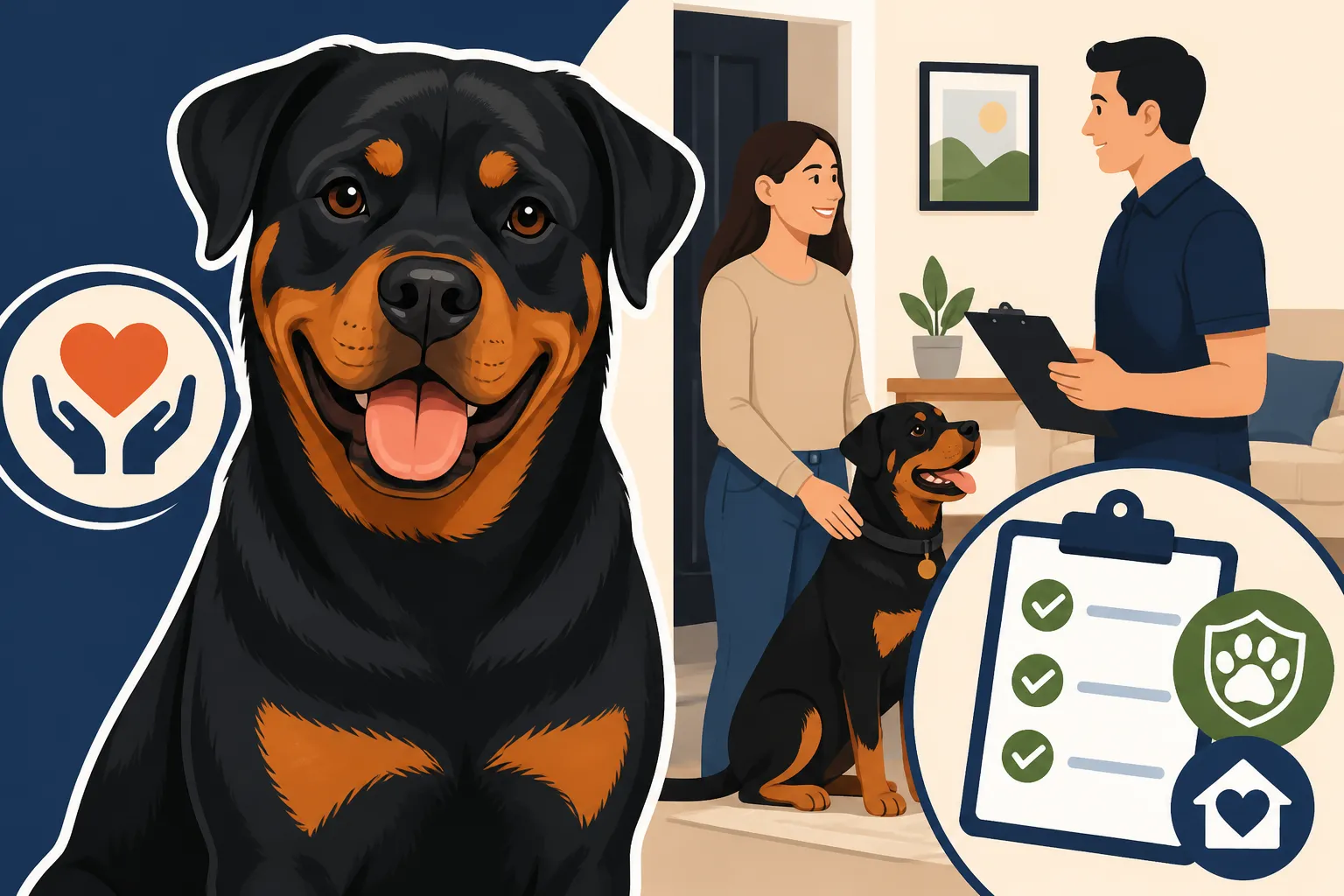
When a rescue volunteer comes to your home, they are typically looking to verify the information you provided on your application and to ensure the physical environment is safe and suitable for a Rottweiler. Most often, the person conducting the home check is another volunteer, often a foster parent or an experienced Rottweiler owner, not someone looking to judge your decorating skills. They're there to help facilitate a good match.
Key areas of focus will almost certainly include your yard and fencing. For a large, strong breed like a Rottweiler, secure containment is paramount. They'll assess the fence height, integrity, and any potential escape routes or hazards (like open gates, rusty wires, or toxic plants). If you have a pool, they'll want to know how it's secured. Inside the home, they're looking for basic safety: Are there obvious dangers? Is there enough space for a large dog to comfortably move around? They might also observe existing pets or children (if applicable) to get a sense of the household's energy and dynamics. It’s also an excellent opportunity for you to ask any lingering questions you might have about the breed or specific dog you're interested in. You can discuss how you plan to manage challenges, perhaps asking about resources for A Growing Rottweiler's Joints and Overexercise if you're considering a younger dog, or how to best accommodate Senior Rottweiler Mobility Decline for an older rescue. It’s a two-way street, where both parties are assessing suitability.
Preparing for Your Home Check and Making a Good Impression
To prepare for your home check, remember that honesty and transparency are your best allies. You don't need to deep-clean your house from top to bottom, but tidying up to show you maintain a safe and organized living space is always a good idea. Focus on the areas your Rottweiler will frequent: the yard, main living areas, and where the dog's crate or bed might be. Ensure any potential hazards are removed or secured, such as toxic household cleaners, small items that could be choked on, or exposed electrical cords.
Be ready to discuss your daily routine, how you plan to integrate the dog into your family, and your strategies for exercise, training, and enrichment. Show that you’ve done your research on the breed and understand their needs for mental and physical stimulation. For example, you might mention that you plan to take regular walks, engage in puzzle toys, and continue with obedience training. If you have children, discuss how you plan to teach them safe interaction with a large dog. If you have other pets, talk about your plans for slow introductions. The volunteer is looking for responsible thought and preparation. Having a list of questions ready for them also demonstrates your engagement and serious commitment. This is your chance to show the rescue that you’re not just looking for a pet, but ready to welcome a new family member with a lifetime of love and appropriate care.
What Happens After the Application and Home Check
The period after submitting your application and completing a home check can feel like an eternity. It’s a time when many hopes hang in the balance, and understanding the next steps can help manage expectations.
The Waiting Game and Follow-Up
Once your application is submitted and the home check is complete, the ball is largely in the rescue's court. Many rescue organizations, especially breed-specific ones like Rottweiler rescues, are run by dedicated volunteers who juggle their rescue duties with full-time jobs and family commitments. This means that the process, while thorough, can sometimes be slow. Patience is truly a virtue here. Don't be afraid to follow up politely if you haven't heard anything after a reasonable amount of time (which can vary from a few days to a couple of weeks, depending on the rescue's volume). A brief, respectful email or phone call to check on the status of your application is perfectly acceptable and shows your continued interest.
It's also important to understand that even if you're approved, you might not necessarily get the exact Rottweiler you initially applied for. Sometimes, another family's home might be a more perfect fit for that specific dog's unique needs, or the dog might have been adopted before your process was finalized. However, being approved means the rescue believes you can provide a wonderful home for a Rottweiler. They might suggest other dogs in their care that they feel would be an even better match for your lifestyle and experience. Remaining open to these suggestions is a sign of your true commitment to giving a deserving Rottweiler a home, rather than being fixated on a specific dog. Many rescues also provide significant post-adoption support and resources, often helping with training advice and connecting you with their community.
Common Reasons for Application Denial (and What to Do)
Receiving a denial can be incredibly disappointing, but it's important not to take it personally. Rescues are making difficult decisions with limited information and a paramount goal: the dog's welfare. Understanding common reasons for denial can help you learn and potentially improve for future applications, whether with the same rescue (if the issues are fixable) or another.
One of the most frequent reasons for denial, especially for Rottweilers, relates to containment. An inadequate fence (too low, flimsy, or with gaps) is a major red flag for a strong, large breed. Another common issue is a lack of documented vet history or a history that shows inconsistent care (missed vaccinations, lack of heartworm prevention, or letting a pet become obese, which can contribute to Rottweiler Obesity and the Load It Adds). If you rent, a lack of explicit landlord approval or a landlord with breed restrictions (as covered by Renting With a Rottweiler and the Breed Clause) will almost certainly lead to a denial.
Sometimes, it's about experience level. If you're a first-time dog owner applying for a Rottweiler with a challenging past, a rescue might determine it's not the best match. Other factors include leaving the dog alone for excessive periods, very young children without a clear, safe management plan, or existing pets that might be at risk with a particular Rottweiler. Dishonesty on the application, or inconsistencies between the application and the home check, will also lead to immediate denial, as trust is fundamental.
If you are denied, ask for specific feedback. A good rescue will explain their reasoning, which can be invaluable. Don't argue, but listen. If the issues are something you can realistically address (e.g., reinforcing your fence, getting pet insurance like Healthy Paws for future care, or discussing your work schedule solutions), you might be able to reapply later. Otherwise, take the feedback as a learning opportunity and explore other rescue organizations; each has its own criteria and dogs. Some might suggest you start by fostering a dog as a "trial run," which can be a fantastic way to gain experience and prove your commitment.
| Criteria | What Rescues Are Looking For | Common Adopter Misconceptions |
|---|---|---|
| Living Situation | Secure, owned home with a fenced yard (or clear landlord approval) | "My apartment is big enough" without considering exercise/breed clauses |
| Household Members | Compatibility with children/other pets, realistic expectations | Assuming all dogs are good with all kids/pets; hiding existing pets |
| Previous Pet History | Documented responsible veterinary care for past/current pets | No vet records, inconsistent care, allowing preventable health issues |
| Work Schedule/Alone Time | Realistic plan for supervision, exercise, and mental stimulation | Leaving a Rottweiler alone for 8+ hours daily without enrichment |
| Financial Preparedness | Awareness of substantial costs (food, vet care, emergencies) | Underestimating the financial commitment for a large breed |
| Fencing & Containment | Secure, appropriate height and integrity for a large, strong dog | Short, flimsy, or easily breached fence; no fence at all |
| Commitment to Training | Willingness to invest in ongoing training and socialization | Assuming the dog is "already trained" or will learn on its own |
| Understanding the Breed | Knowledge of Rottweiler needs, temperament, and potential issues | Expecting a "guard dog" without understanding the full breed profile |
| Safety | Hazard-free environment, especially for a powerful dog | Unsecured toxic items, unsafe yard, easy escape routes |
Disclaimer
This article is for general informational purposes only and does not constitute professional advice. Laws, prices and regulations vary by location and change over time. Consult a qualified professional for guidance on your specific situation.